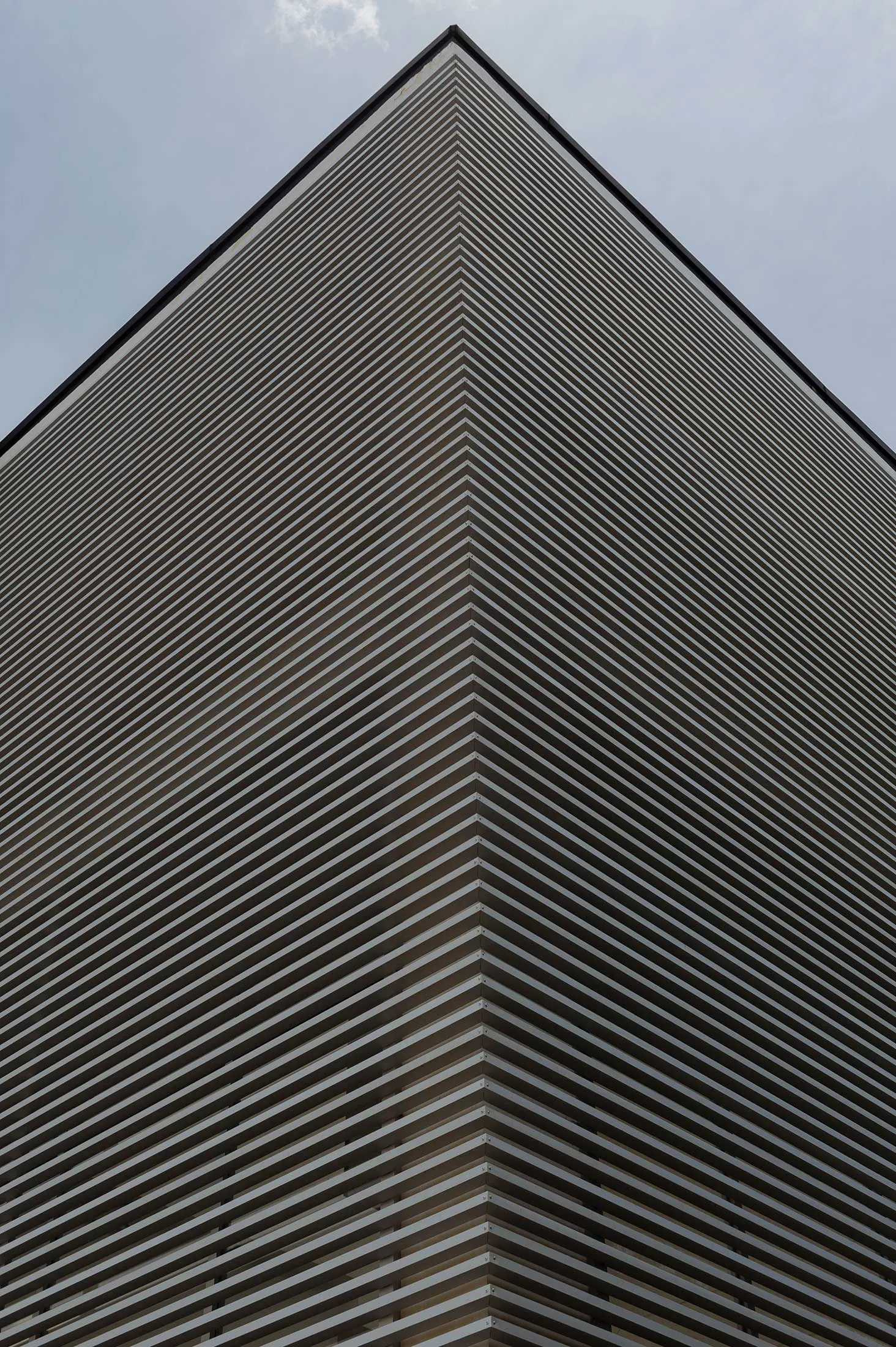
A university dorm in Yachay, Ecuador.
Photographer: Alejo Reinoso for Bloomberg BusinessweekThe Irresistible Urge to Build Cities From Scratch
Master-planned cities are all the rage in the developing world. Reality may get in the way of their ambitions.
Embedded in the cerebral folds of every city planner who’s ever lived, there’s a cluster of neurons that lights up like Las Vegas when confronted with the possibility of a blank slate. It started with Hippodamus, the man Aristotle claimed was the father of urban planning. When the Persians destroyed his hometown of Miletus, Hippodamus discovered a bright side to catastrophe: The attackers had erased all the regrettable improvisations that, over the centuries, had made a mess of the place. Tasked with rebuilding, he seized his chance to impose order upon chaos. And so the concept of the urban grid was born.
Ever since, the dream of carte blanche has proved an all-but-irresistible seduction. Leonardo da Vinci drafted detailed sketches of an “ideal city” after the plague ravaged Milan, and a few hundred years later, Frank Lloyd Wright designed a metropolis that solved the problem of vehicular congestion via a network of helicopter taxis. Every so often, this urge in city planners breaks out into a full-scale epidemic, such as the one that spread throughout Europe and North America in the early 1900s. Known as the “garden city movement,” it aimed to counter the indignities of the Industrial Revolution by creating planned communities with plenty of green space. Suddenly, scores of new towns began sprawling just beyond the edges of the old ones.