Queen Elizabeth
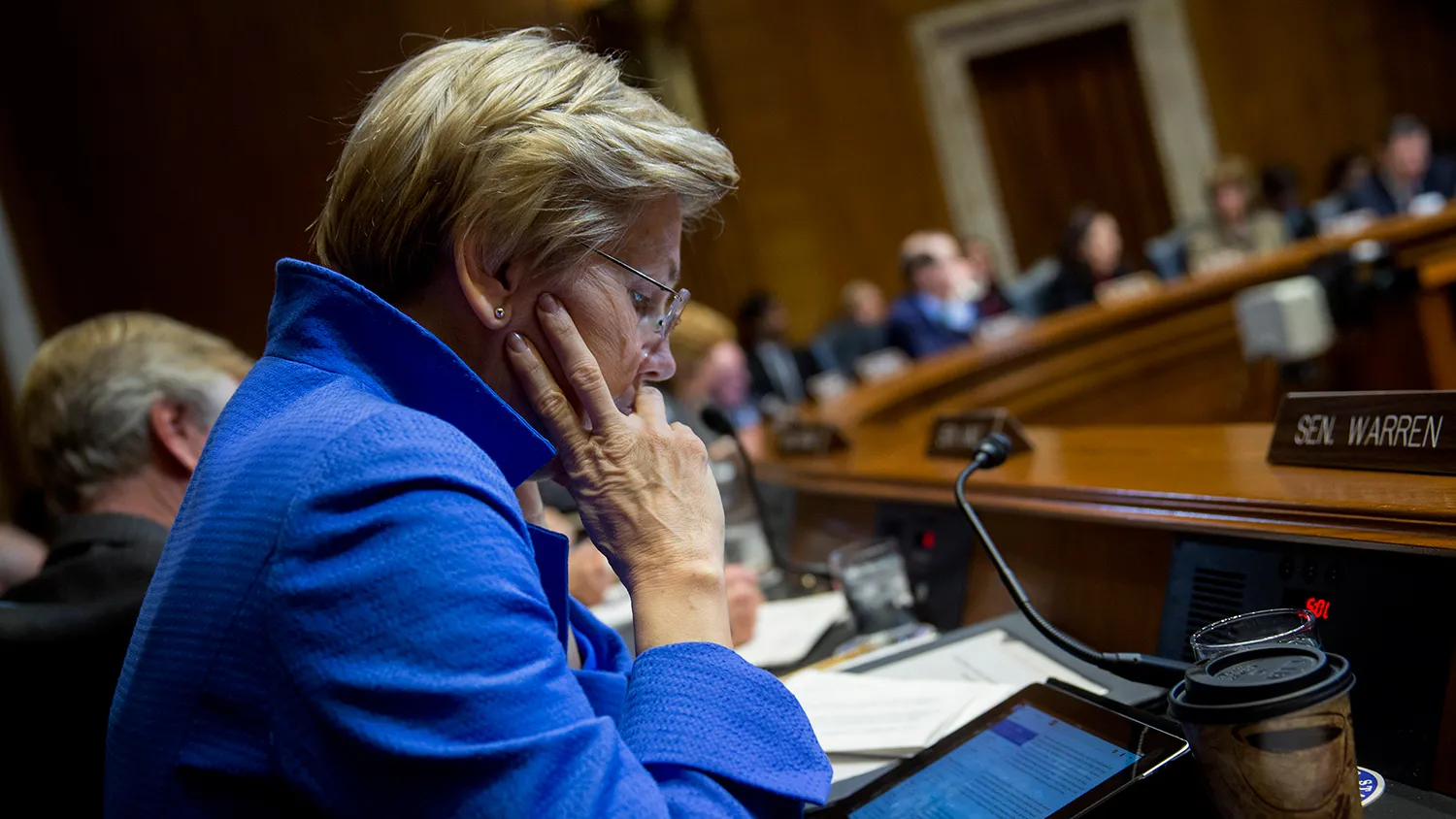
Senator Elizabeth Warren, a Democrat from Massachusetts, attends a Senate Energy and Natural Resources Committee business meeting to markup an original bill to approve the Keystone XL pipeline in Washington, D.C., U.S., on Thursday, Jan. 8, 2015.
Photographer: Andrew Harrer/BloombergElizabeth Warren’s latest victory over Wall Street arrived in the form of a letter. Over the weekend, Antonio Weiss, a top investment banker at Lazard, sent President Obama a note withdrawing from consideration to be under secretary of domestic finance, the third-ranking position in the Treasury. Weiss was nominated late last year and drew vehement criticism from Warren and other liberals for his Wall Street ties—quite to his surprise, say his friends. Since Weiss wasn’t confirmed last year, Obama would have had to re-nominate him in the new, Republican-led Congress. Weiss spared him the trouble. “I am writing to request that the administration not re-submit my nomination,” he wrote to the president. “I do not believe that the Treasury Department would be well served by the lengthy confirmation process my renomination would likely entail.”
The news, which caught even Warren’s staff by surprise, is a big deal. It’s evidence that while Democrats’ fortunes have suffered amid Republican advances, Warren’s own power keeps growing. “One key thing that’s changed with Warren is that it used to be that the philosophical piece mattered—if you could demonstrate you’re committed to the president’s economic agenda, that’s what mattered,” says Ben LaBolt, a former Obama official. “She’s established a new litmus test that you can’t have worked anywhere near Wall Street if you’re going to a regulatory agency or even an agency that touches on economic policy.”