The Spanish War Against Google
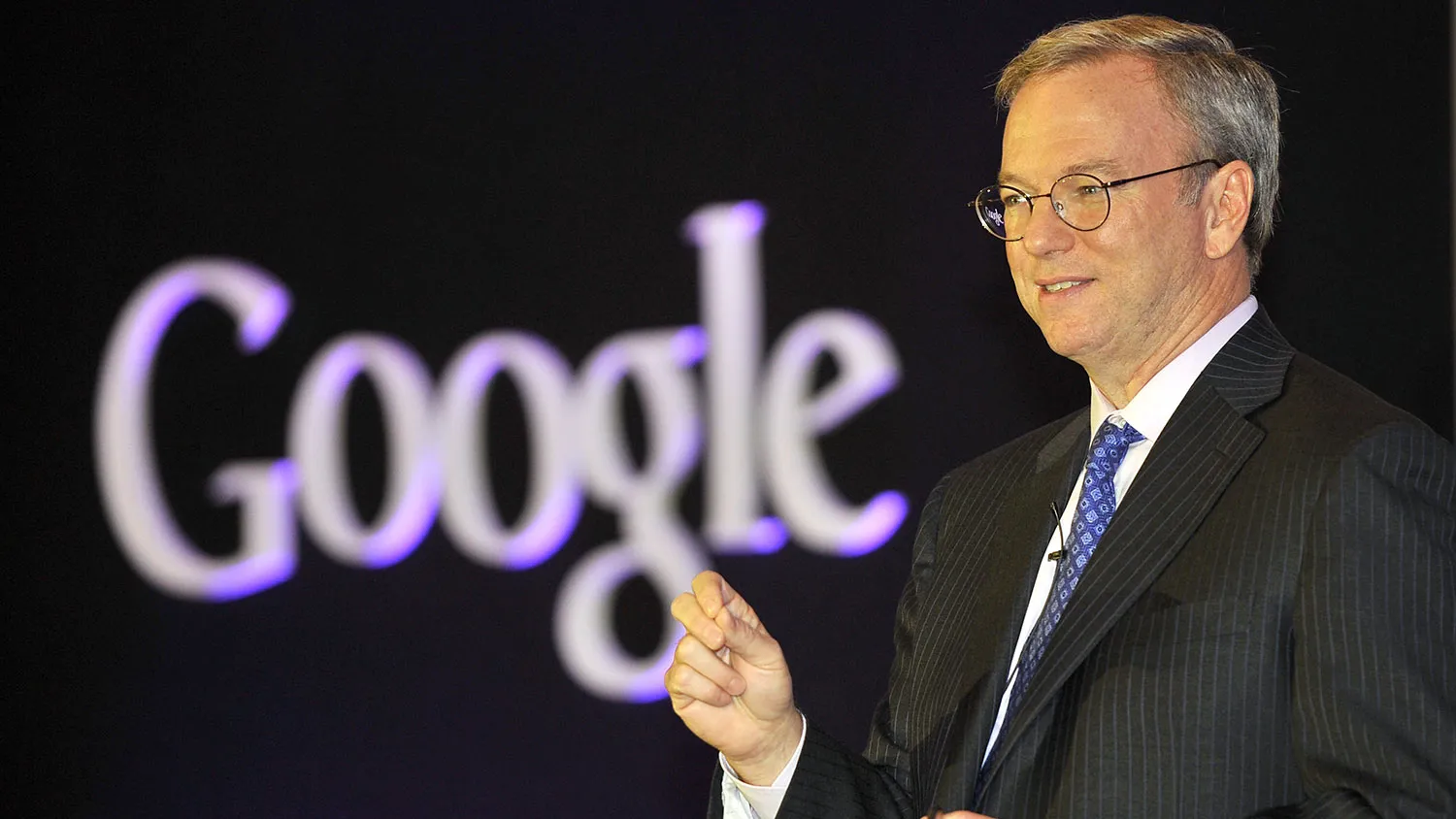
This file photo taken on September 27, 2012 shows Google chief executive Eric Schmidt speaking during a news conference to launch its new tablet PC, Nexus 7, in Seoul.
JUNG YEON-JE/AFP/Getty ImagesAt least in Europe, the newspaper wars are not quite over.
Five years ago this month, Eric Schmidt, the chairman and then-CEO of Google, published a column in the Wall Street Journal about the crisis in print. Newspapers are “struggling to adapt to a new, disruptive world,” he said. “The Internet has broken down the entire news package.” Schmidt, Mr. Forward-thinking, cast his eye to 2015: “The compact device in my hand delivers me the world, one news story at a time. I flip through my favorite papers and magazines, the images as crisp as in print, without a maddening wait for each page to load.” Google News is what he had in mind, a website that compiles headlines and short summaries of news stories from many sources in clean, searchable form. Newspaper executives were frustrated and angry at Google, but he contended that Google would help news organizations rather than harm them. “We want to work with publishers to help them build bigger audiences, better engage readers, and make more money.”