The World’s Biggest Oil Kingdom Reverses Course
Will OPEC Follow Through With Its Production Cut?
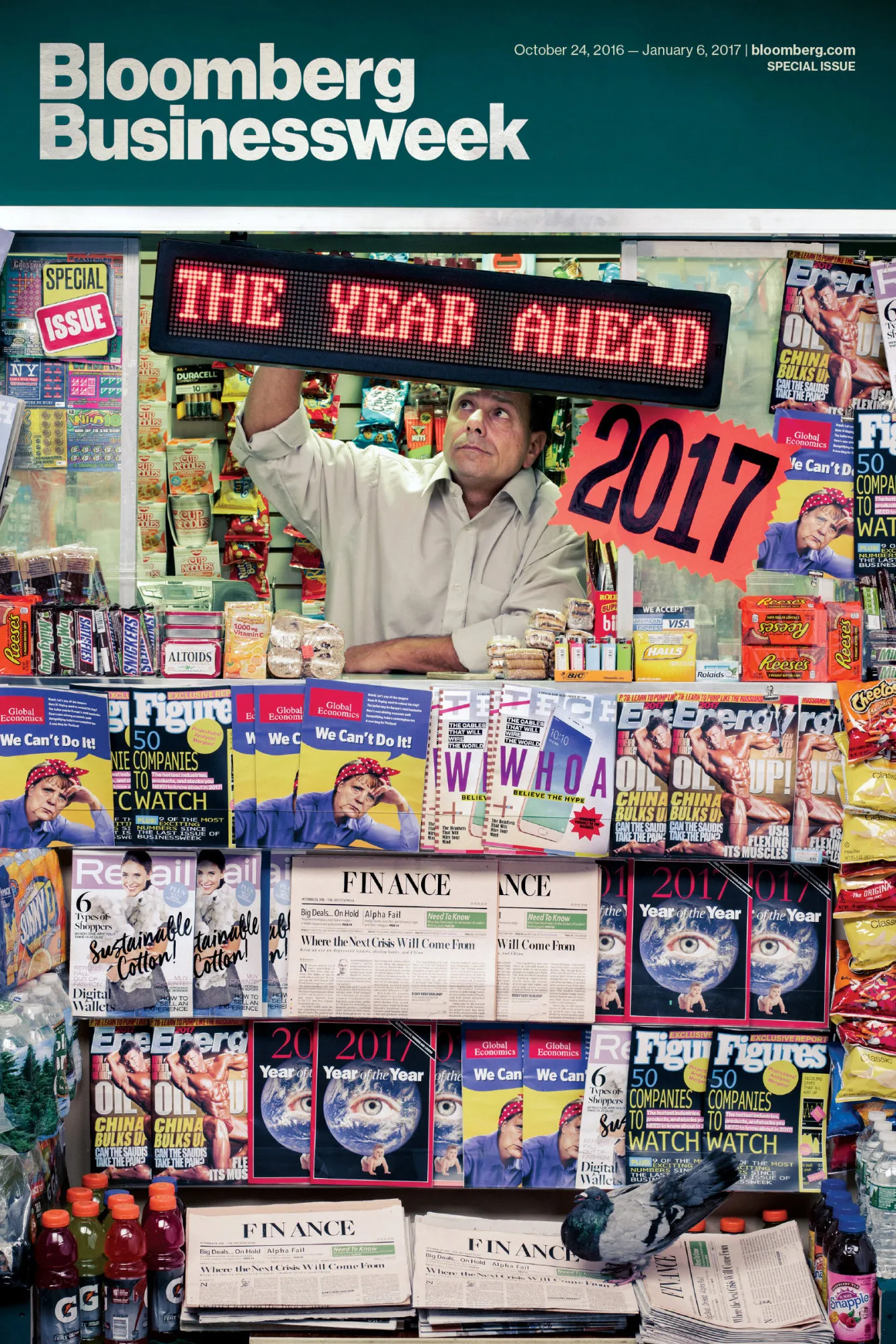
Next year will be a test of strength for Saudi Arabia, the world’s largest oil exporter, as it tries to regain control of the market and lift prices. After two years of pumping at full blast, and helping drive prices to 12-year lows in January, the Saudis now appear willing to pull back. In September, at a meeting in Algiers, the Organization of the Petroleum Exporting Countries agreed to the outlines of a plan to lower the group’s production by as much as 750,000 barrels a day. Although the details won’t be final until the cartel’s Nov. 30 meeting in Vienna, the Saudis are expected to make most of those supply cuts.
The retreat signals an end to the kingdom’s foray into free-market economics. Two years ago, with prices already falling in response to a growing supply glut, Saudi Arabia, against the wishes of its fellow OPEC members, refused to lower output. The move was a direct challenge to other oil producers. By flooding the world with its low-cost crude, the Saudis bet that they could withstand lower prices longer than other countries and oil companies and force them out of the market. The strategy worked to a degree. The Saudis are pumping and selling record amounts of oil. Output hit almost 10.7 million barrels a day in July. At the same time, other producers have had to cut back: U.S. shale production has fallen, and non-OPEC oil supplies are set to drop in 2016 by the largest amount in 30 years.