Hedge Fund Titan Sees a Quantamental Future
Computers won’t replace humans at hedge funds. But they’ll help them make smarter trades.
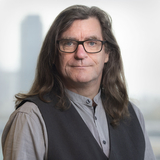
Lesson number one.
Photographer: Heidi Gutman/CNBC/NBCUniversal
We all suffer from cognitive biases. Paul Marshall says he’s prone to optimism bias — he’s “too easily romanced by new stories and new opportunities.” He says his financial partner, Ian Wace, succumbs to the gambler’s fallacy, expecting market dislocations to disappear rapidly as prices revert to their mean. But neither trait has prevented them from building Marshall Wace LLP into one of the world’s biggest hedge funds, overseeing more than $44 billion and making billions for themselves in the process.
After more than three decades in finance, Marshall has just published a book, “10 ½ Lessons From Experience: Perspectives on Fund Management.” His overall prognosis for the industry is optimistic, in that opportunities to make money will continue to arise, and there’ll still be humans around to take advantage of those moments. But he caps it all off with a cautionary tale for his peers — the half-lesson that makes the final chapter.