Germany’s New Leadership Agenda
Manfred Weber’s run for the European Commission presidency is a new beginning for his country rather than for Europe.
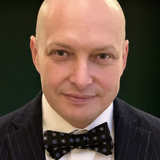
Worth watching.
Photographer: Dario Pignatelli/Bloomberg
On Wednesday, a relatively little-known politician from Bavaria announced his bid for the European Commission presidency. Manfred Weber’s chances are strong and, if successful, he’ll be German Chancellor Angela Merkel’s point man in a new enterprise: an attempt at conscious German leadership in Europe.
Despite being the longest-serving leader of a top-10 global economy, Merkel has been pointedly unwilling to take on an international leadership role. She’s much more comfortable as a negotiator of compromises than as a driver of change, and Germany’s historic baggage has understandably tempered modern German leaders’ global ambitions. So until recently, Germany wasn’t expected to try for the European Commission presidency, which comes open next year after Jean-Claude Juncker steps down. The country has been content with its backroom influence, which comes with holding more senior positions in the European bureaucracy than any other nation. Behind Juncker stands the powerful figure of German Martin Selmayr, the Commission’s secretary general, who shuns publicity but is highly influential.