The Do's and Don'ts of Fighting Russian Interference
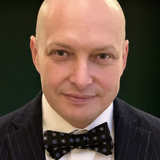
Master of "asymmetrical" warfare.
Photographer: Mikhail Klimetyev/AFP/Getty ImagesThe staff of Ben Cardin, the ranking Democrat on the U.S. Senate's Foreign Relations Committee, has produced a mammoth, 200-page report on "Putin's asymmetric assault on democracy in Russia and Europe." It provides valuable insight into the current Washington thinking on Russian interference and how to counteract it. But not all the recommendations in the report make sense.
Blanket suspicion is the price Russian President Vladimir Putin's regime pays for adversarial rhetoric and for Putin's past as a KGB officer. The Soviet security service insinuated itself into every endeavor that had to do with the outside world, and there's evidence that the practice has survived and thrived under Putin. So it's understandable that the Cardin report supports the popular view that the Kremlin controls, and uses to political ends, every way in which Russians exert a global reach, be it cultural exchanges or mob ties.