A Brainard Fed Could Finally, Openly Embrace the World
If Biden nominates her as Fed chief and she’s confirmed, the role of the global economy may no longer have to be whispered in U.S. monetary policy.
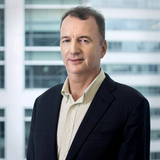
An internationalist at an institution that gets nervous about acknowledging the rest of the world.
Photographer: Al Drago/BloombergLael Brainard, the Federal Reserve policy maker who Joe Biden has interviewed for the most powerful economic job on the planet, is often shorthanded as a dove. Translated from central bank jargon, that means she’s characterized as advocating low interest rates. The lower, the better; the longer, the more desirable the economic and social outcomes. This napkin sketch misses a key part of her approach: She is an unabashed internationalist in an institution that has sometimes seemed tone-deaf to the rest of the world.
For years, the terrain beyond U.S. borders has exerted a growing influence on the central bank, but the leadership has hesitated proclaiming it too loudly. Brainard, whose tougher line on bank regulations has earned her fans among progressives, has been one of the people nudging the Fed to take a more expansive view of policy responsive to developments in Asia and Europe. If Biden picks her to be the next Fed chair, the global economy may come in from the cold. The White House is weighing whether to give incumbent Jerome Powell a second four-year term, broadly in keeping with recent tradition, or install its own person — always a temptation when it comes to Fed gigs. Brainard is a veteran of the previous two Democratic administrations and her name was floated for Treasury Secretary after Biden was elected last year. That role ultimately went to Janet Yellen, herself a former Fed chief. (Many economists say Powell is still the probable choice, though not the safe bet he looked a few months ago.)
Brainard’s work at the intersection of domestic priorities and global realities has marked her out, both in her current job as a member of the Fed’s Board of Governors and other pivotal positions in government since the 1990s. The daughter of a foreign-service officer, Brainard spent part of her childhood in Germany and Poland. In the Clinton White House, she developed the U.S. response to the Asian financial crisis in the late 1990s. As the top diplomat at the Treasury under Barack Obama, she nudged Europe toward resolving its debt crises without blowing up the euro — avoiding a potentially seismic event for investors stateside.
Brainard joined the Fed Board in 2014 and soon began articulating what the central bank had been plodding unevenly toward: the realization that what happens abroad can have a direct and significant impact on the economy at home, not least through financial markets, in addition to the standard historical view of trade as the main driver. Policy ought to be set with that in mind, and in some circumstances, coordination among global authorities not only makes sense but is desirable.