Putin’s Pick for Prime Minister Is a Bureaucratic Superman
But even Mikhail Mishustin will struggle to achieve Putin’s ambitious economic goals in an increasingly Soviet political system.
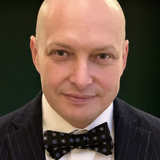
Faster than a speeding tax return.
Photographer: MIKHAIL KLIMENTYEV/AFPAfter a blitz of constitutional reform proposals aimed at keeping him in power after his presidential term ends in 2024, Russia’s President Vladimir Putin named his new prime minister — a tech-obsessed tax administrator with no interest in politics. The appointment highlights the Putin system’s fundamental paradox: It is an antiquated, Byzantine, nepotistic, deeply corrupt governance model that nevertheless values and rewards technocratic brilliance.
In the Russian power succession scheme, the prime minister takes over when the president is for some reason unable to govern; Prime Minister Putin became acting president when Boris Yeltsin resigned in the final minutes of 1999. Putin waited out Dmitry Medvedev’s presidential term between 2008 and 2012 as prime minister, and Medvedev assumed the post afterwards. But there have been periods under both Yeltsin and Putin when the prime minister post wasn’t occupied by politically ambitious or important individuals; those were times when the president claimed full responsibility for Russia’s course.