Inside the Companies That Set Sports Gambling Odds
Big-money data deals and advanced statistical models are helping to predict match outcomes and keep people betting.
Along with the pub and the kebabery, one fixture of nearly every British high street is the betting shop. Even unconsciously, the eye registers the distinct colors of their signboards: the forest-green frontage of Paddy Power, the navy of William Hill, the red-bleeding-into-blue of Betfred, the angry red of Ladbrokes. Since betting became legal in the UK in 1961, these bookmakers have taken hundreds of billions of pounds in bets—not just on World Cups, tennis tournaments and elections but also on when humans would walk on the moon, whether the yeti really exists and how long it would take to recapture an African golden eagle that had fled the London Zoo. Their integration into English life has been so thorough that, during the anti-immigrant riots in the summer of 2024, a man with a sticker reading “British and Proud” on his chest lamented the loss of a country that once had “pubs everywhere, betting shops everywhere.” He said this standing in front of a pub, with two betting shops a 10-minute walk away.
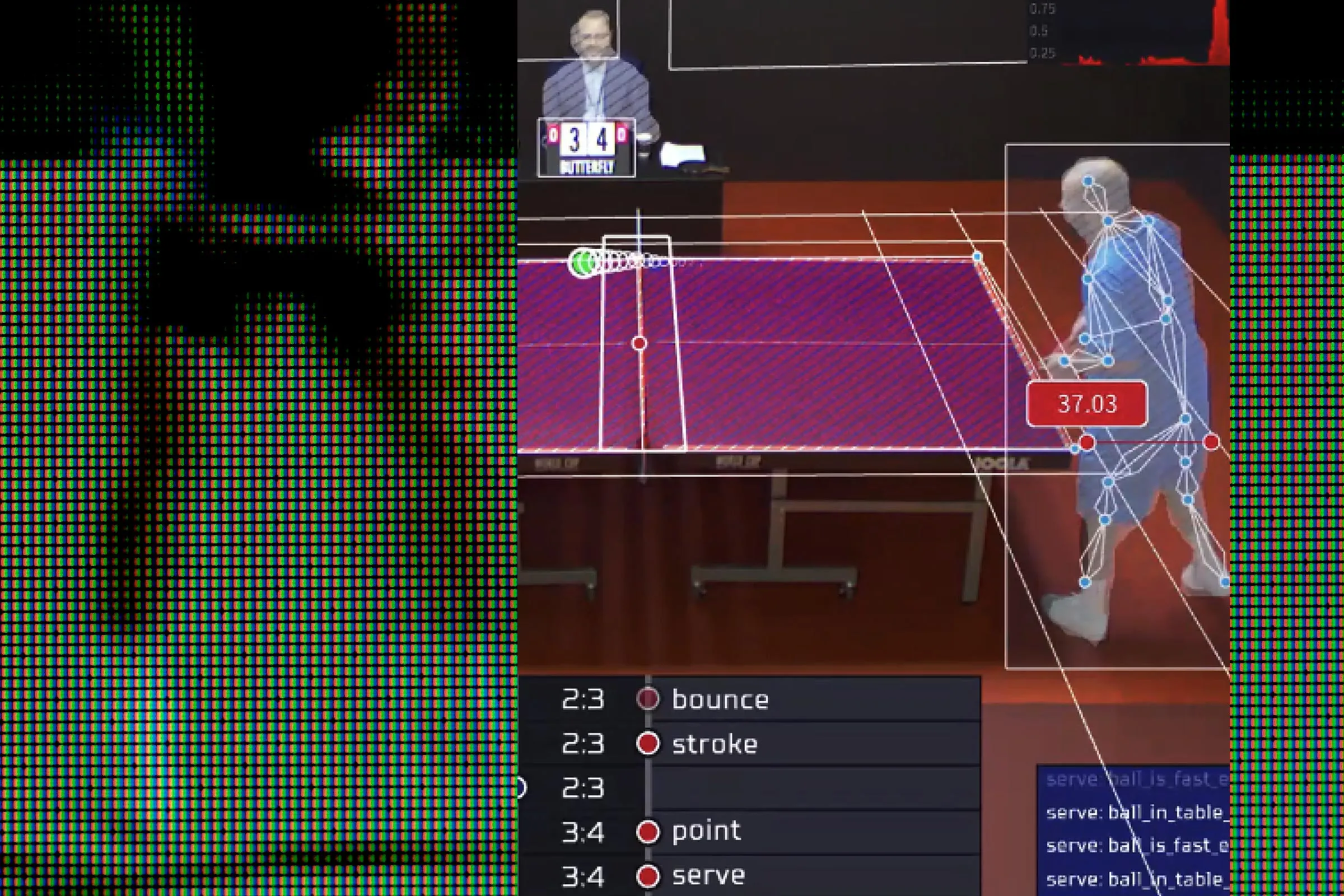
Even though the betting shops are far from extinct, it’s certainly true that, over the past 15 years, much of action has moved online. In parallel, sportsbooks have heavily outsourced what might be considered the nucleus of their job: setting odds for gamblers to bet on. They’ve had to. As websites and apps became the most popular way by far to bet, customer appetites grew commensurately insatiable. It was no longer enough to offer prematch odds on an English Premier League fixture and wait for punters to walk up or dial in. To meet the voluminous demand for soccer alone, bookmakers had to start plumbing practically every tier of every league in every country in the world. Then they did the same across dozens of other sports, right down to the manifestly obscure. (Floorball, anyone? Kabaddi? Or the Finnish baseball variant called pesäpallo?)