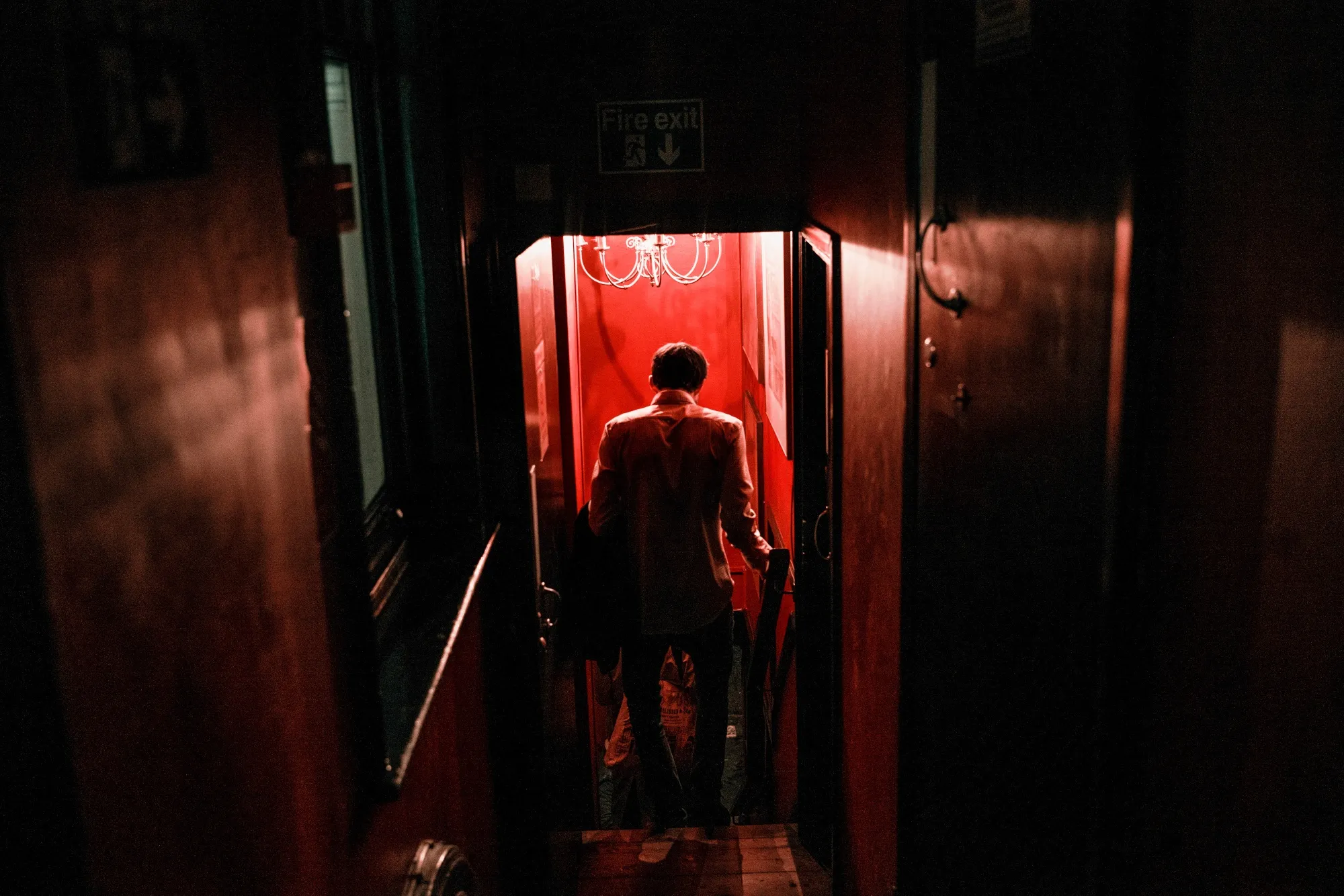
A wave of closures in London in recent years add weight to the charge of a city-after-dark in decline.
Photographer: Jose Sarmento Matos/BloombergThe Long, Slow Death of Urban Nightlife
Soaring costs, safety concerns and noise complaints are strangling after-dark economies from London to Montreal — but campaigners aren’t going down quietly.
It’s just past midnight on a Saturday in Soho and the 24-hour shop is one of the few businesses still open. The pub opposite is shutting taps, nearby restaurant staff are stacking chairs, and the last train home to southeast London leaves in 15 minutes.
The eerie calm in one of London’s traditional nighttime hotspots is hard to square with a recent post by Mayor Sadiq Khan promoting the city’s round-the-clock credentials. Britain’s capital is “leading the world in its 24-hour policy, with other global cities looking to us for inspiration,” he wrote on X last month. The social platform’s Community Notes fact-checkers jumped in: “Contrary to the London mayor’s claim, London’s nightlife is in decline.” And Londoners responded with derision, accusing the mayor and his night czar, Amy Lamé, of hyping a scene which, in reality, faces “slow death” and “annihilation.”