How SnapChat and TikTok Became Recruiting Tools for Cartel-Backed Smugglers
A new generation of coyotes is getting lured into transporting migrants from Mexico into the US via social media.
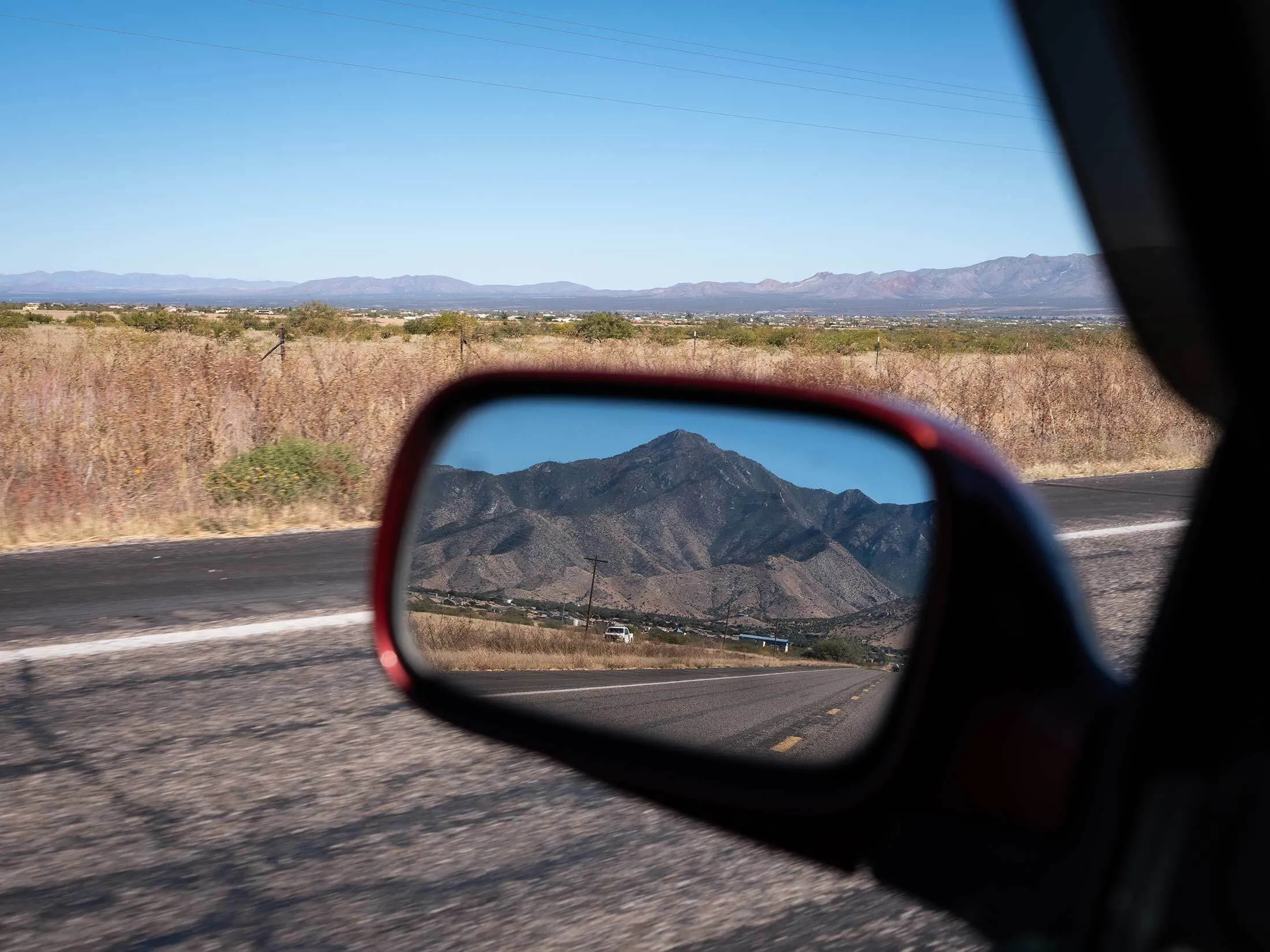
A common pickup area in Hereford, Arizona, a few miles from the Mexican border.
Photographer: Molly Peters for Bloomberg Businessweek
After graduating from high school, Michael dreamed of joining the US Air Force, upholding a family tradition of military service. But living on his own for the first time, he found himself struggling with shorter-term aims, such as paying his electric bill. He secured a job at an Amazon.com warehouse. Several of his friends worked there, piecing together a living, but the 10-hour shifts sapped Michael’s motivation. Increasingly, he called in sick.
One day, while he was home playing video games, a stranger added him on Snapchat and asked him if he wanted to make a few thousand dollars for a couple of hours’ work. Michael dismissed the offer as a scam, but he couldn’t push the idea entirely from his mind. It promised a hefty raise over his warehouse wage, which was about $15.50 an hour. Michael expressed interest, and the stranger asked if he had a car, then gradually revealed that he was hiring drivers.