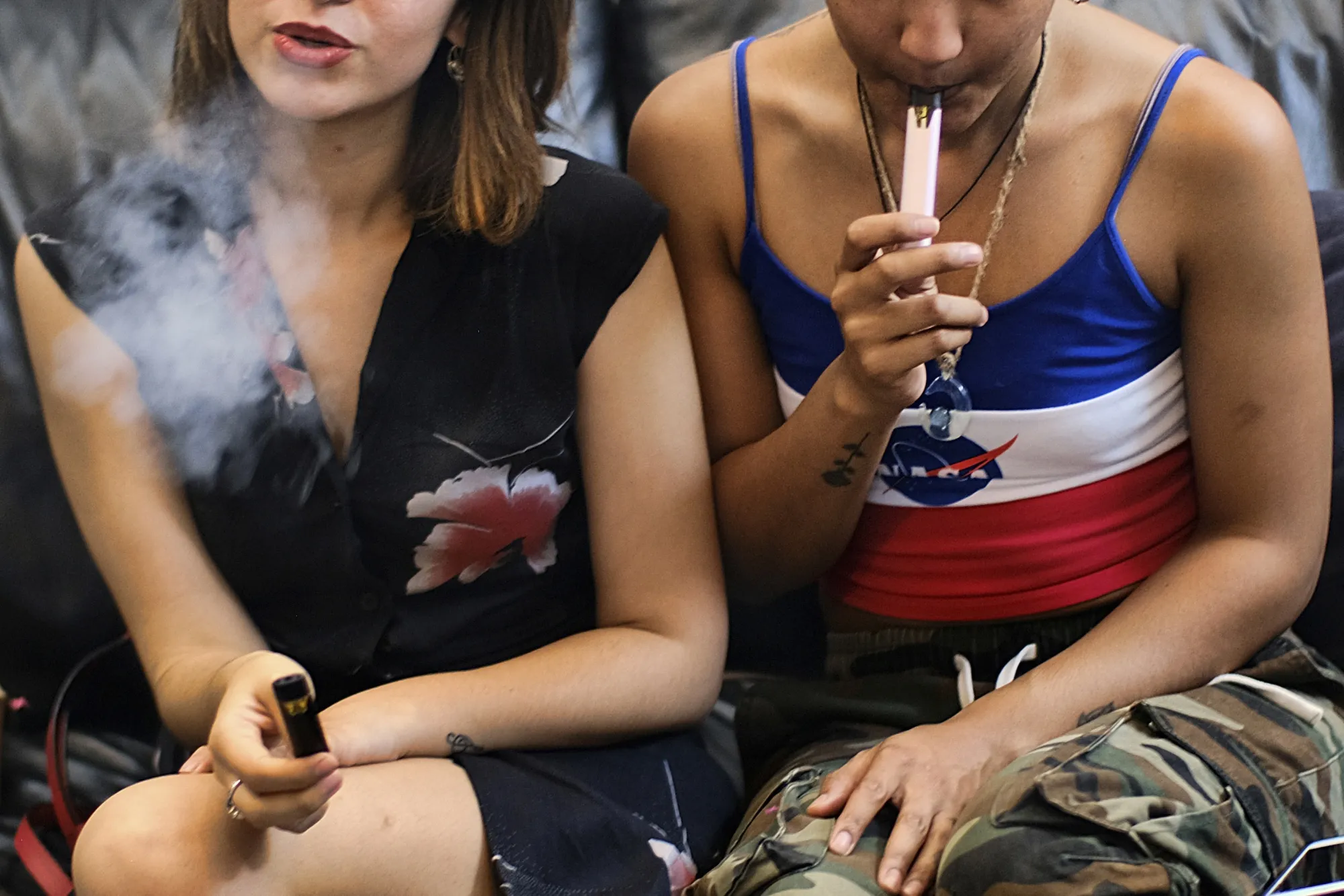
State lawmakers have zeroed in on cannabis’s most extreme forms: a new generation of raw flower with THC of 20% or higher, and concentrated products, like extracts and vape.
Photographer: Richard Vogel/AP PhotoHigh-Potency Pot Market Worth Billions Draws Regulator Scrutiny
The recreational marijuana industry is pouring money into products with high THC levels, and early-to-legalize states are rethinking their laws because of it.
In Pueblo, Colorado, teenager Noah had smoked marijuana before. But most of his friends were using an extra-strong version, known as dabs. Thinking it might help with the insomnia that plagued him in his senior year of high school, Noah picked up a small torch, grabbed the glass smoking device known as a dab rig and heated a yellow, waxy substance into a vapor that he slowly inhaled.
For around two years, Noah, who’s now 24 years old, said the habit made him feel great. The type of marijuana he was loading as many as five times a day into a discreet dab pen — similar in look to a vaping device — was a concentrate, 75% to 98% of which was THC, or tetrahydrocannabinol, marijuana’s psychoactive ingredient.