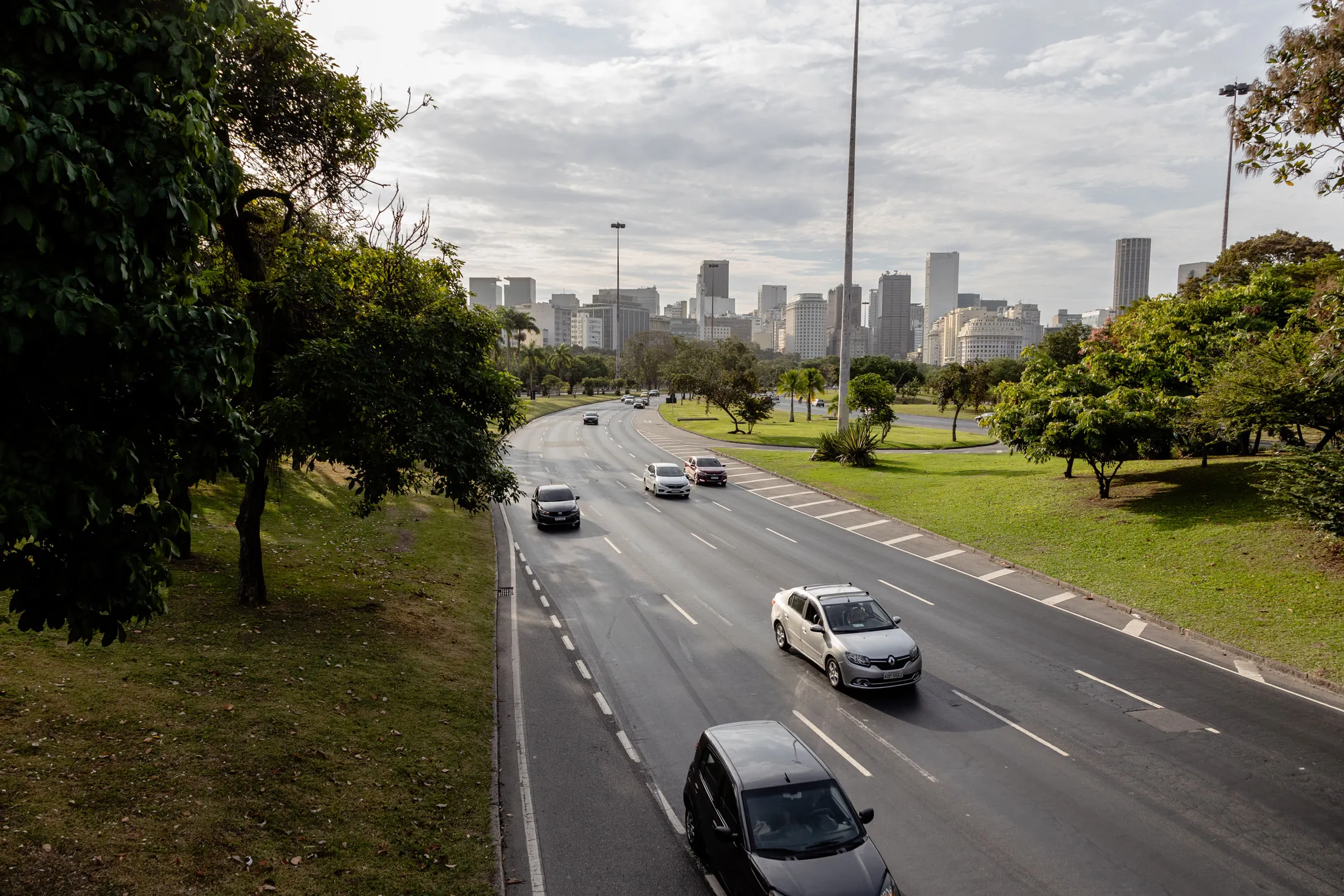
Big-name automakers, the prominent sugar industry and government authorities are pushing hard to keep ethanol in Brazilian drivers’ gas tanks.
Photographer: Maria Magdalena Arrellaga/Bloomberg
Brazil's Beloved Sugar-Cane Cars Are Slowing EV Adoption
Its flexible-fuel cars — powered by a mix of gasoline and ethanol — are popular, affordable and locally made. That’s a problem for global auto giants peddling electric vehicles.
For two decades, Brazil’s unique solution to curb tailpipe emissions — specialty cars powered by any mix of gasoline and ethanol — helped it boast a fraction of the roadway pollution of other countries its size. Now, it threatens to hold it back.
As governments in many of the world’s other top economies lay out detailed plans to eventually end the sale of combustion-engine cars, Brazil is digging in its heels. The country’s most popular models are so-called flexible-fuel vehicles capable of running completely on biofuel produced from sugar cane, making them by most accounts cleaner than pure gasoline engines. When Brazil releases its updated auto-industry policy as soon as next month, it will plot a path to reduce its reliance on cars that run entirely on gasoline, Secretary for Industrial Development Uallace Moreira Lima told Bloomberg News — but it won’t touch the beloved flex-fuel models.