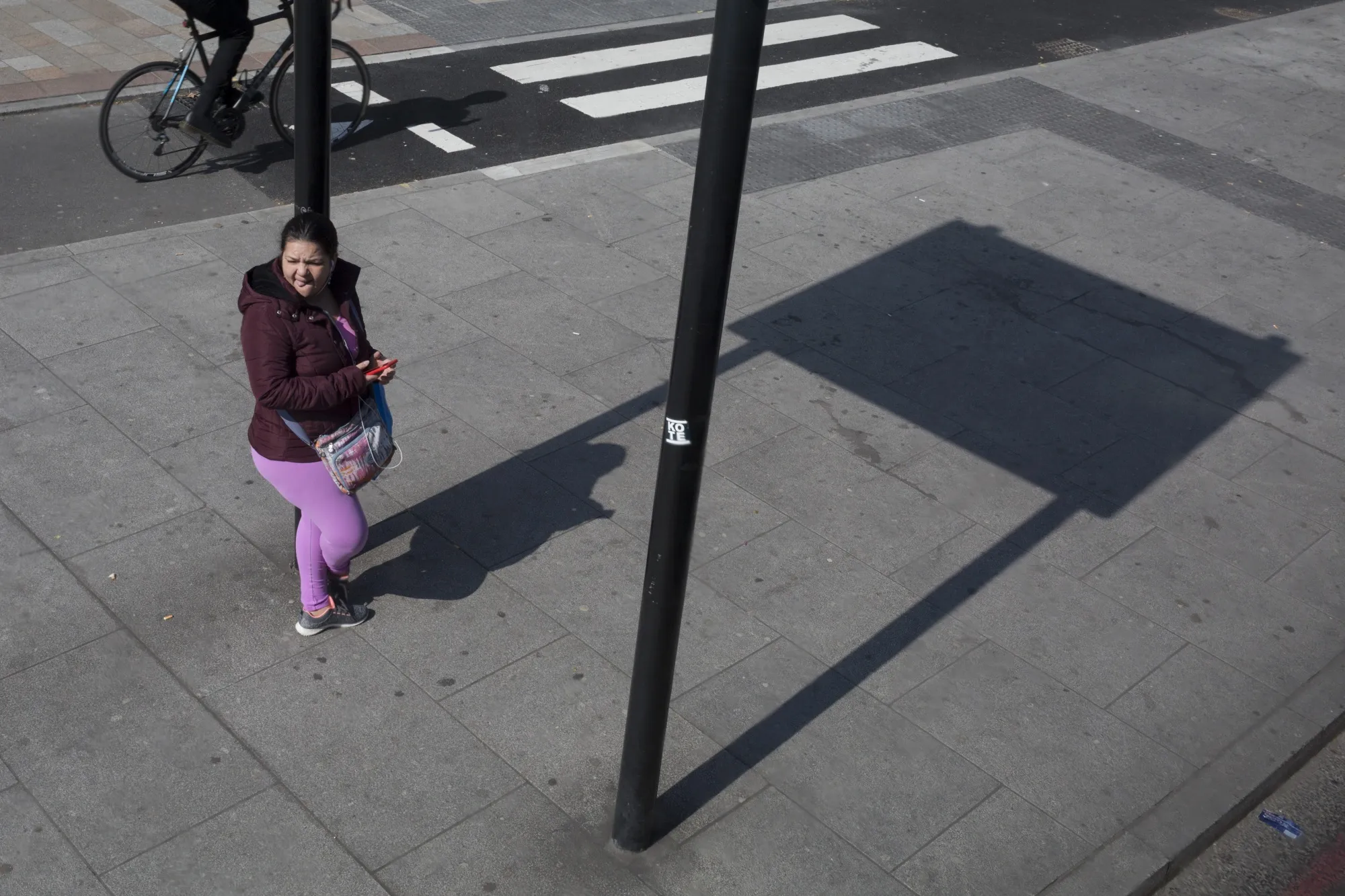
Many US cities have made improvements to their pedestrian and bike infrastructure since 2012; others are still waiting.
Photo: Richard Baker/In Pictures via Getty Images
10 Years Later, a Return Trip to ‘Walkable City’
In an excerpt from the book’s new 10th anniversary edition, author and urban planner Jeff Speck looks at how the streets of US cities have changed.
Since it was published in 2012, Jeff Speck’s book Walkable City: How Downtown Can Save America, One Step at a Time has become one of the most popular titles in urban planning. Speck’s blunt assessment of the state of the planning profession and 10 steps for improving street design have influenced the last decade of efforts to improve safety and livability across US cities. The book’s 10th anniversary edition is now being released, with a 100-page update by the author and a forward by former New York City transportation commissioner Janette Sadik-Khan. This week, CityLab begins sharing the first of three excerpts from Speck’s new text.
Ten years ago, before lecturing cities on how they could become more walkable, I was often asked to explain why it was so important.