Philly Learned the Hard Way to Pick Its Vaccine Distributors Carefully
During the worst of last winter’s Covid surge, the city briefly put a 22-year-old in charge of inoculating hundreds of thousands of citizens. If you can believe it, that went poorly.
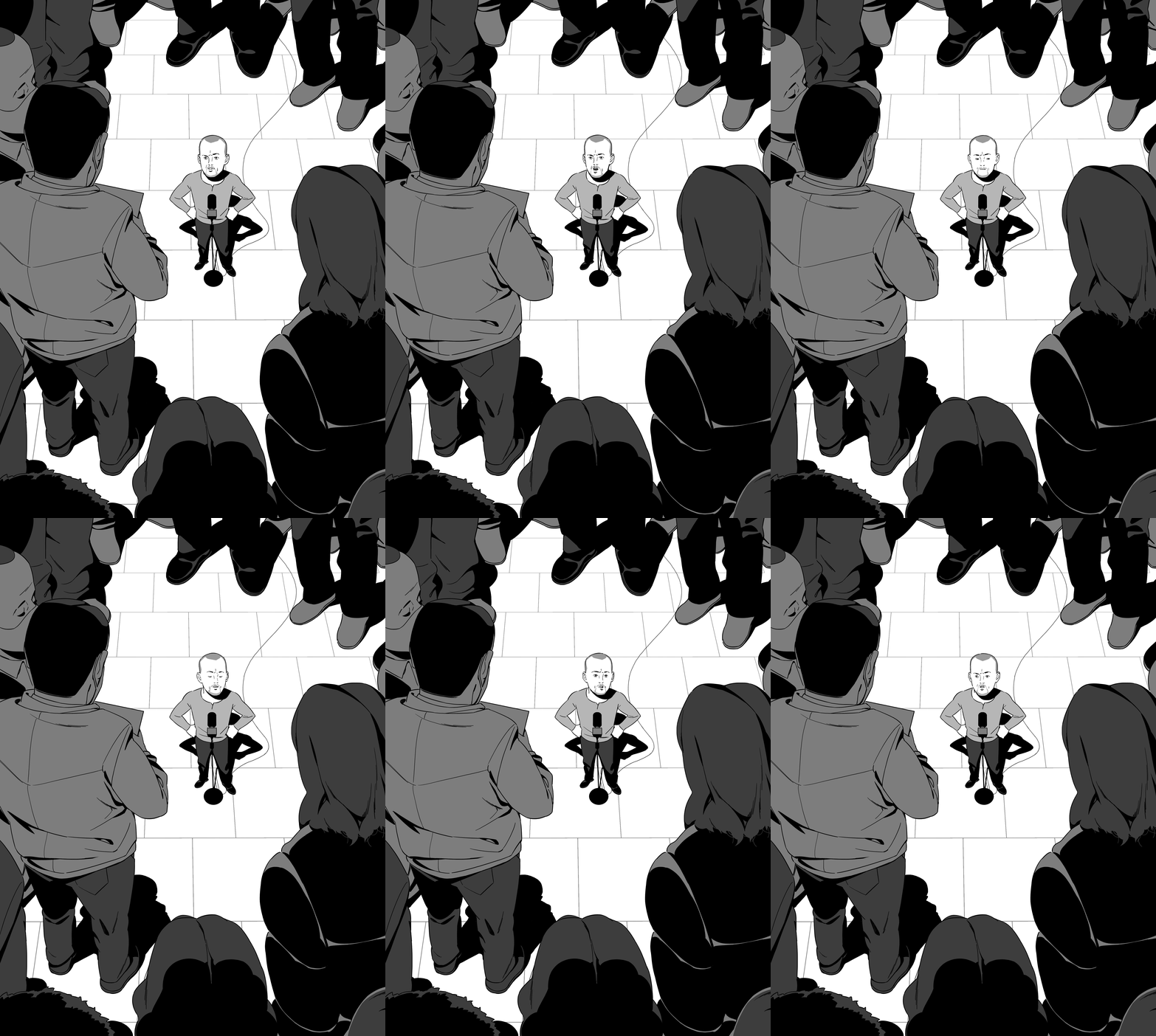
By the look of things, Andrei Doroshin, the 22-year-old grad student given the keys to Philadelphia’s vaccination program, really believed his own baloney. In the lobby of his apartment building in the gentrified neighborhood of Fishtown, Doroshin had called a press conference to address the failure of his nonprofit, Philly Fighting Covid Inc., to make much progress. Absent a strong, coordinated effort, the grad student’s team had fallen well behind the vaccination rates of New York City and others, but Doroshin seemed to think that was somebody else’s fault. “The city chose us because we were the only ones who had a plan,” he said, audibly seething. “I am here, forced to defend myself against another example of Philadelphia’s dirty power politics.” When a reporter asked for clarification on that, Doroshin—arms crossed—interrupted her: “I still also don’t understand.”
The press conference, held in late January, was a low moment for my hometown, close behind the Eagles’ 2005 Super Bowl loss to the Patriots and the time we had to abolish our traffic court after nine judges were charged with criminal conduct. Philly is a scrappy city whose residents are loyal to the end, but the PFC scandal left us feeling a bit exposed and, in some minds, validated Donald Trump’s statement during a presidential debate that only bad things happen here. When Philly makes the news, it’s for misdeeds real or imagined, not for triumphs like our plethora of pandemic-related mutual aid organizations, the founding of American democracy, or Jazmine Sullivan’s singing voice. Doroshin’s gambit added to the bad-news pile.