Beyond Roe v. Wade: Here’s What Gorsuch Means for Abortion
Neil Gorsuch's confirmation to the Supreme Court would reboot a 25-year campaign to chip away at abortion rights.
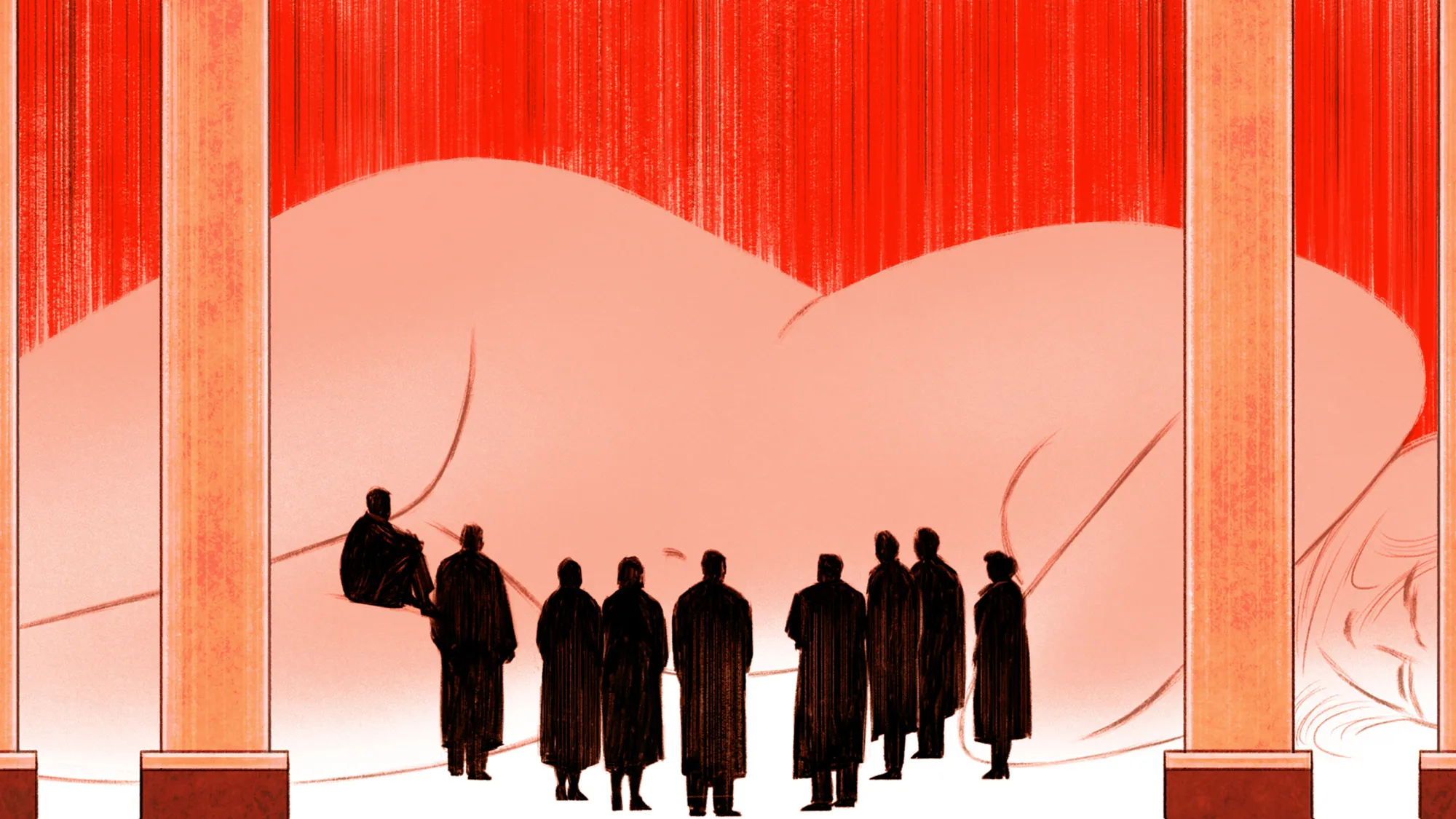
Illustration: Isabel Seliger/Sepia
Last year, on a presidential debate stage opposite Hillary Clinton, Donald Trump vowed, once president, to appoint “pro-life judges” to the Supreme Court. After enough of them, he said, the reversal of Roe v. Wade—the 44-year-old opinion that made abortion legal throughout the United States—would “happen automatically.”
But Roe cannot be that easily overturned—at least, not just yet. Even if Supreme Court nominee Neil Gorsuch’s stance on abortion proves similar to that of his predecessor, Antonin Scalia, he would, if confirmed, only return the court to roughly the balance it held before Scalia’s death. The landmark ruling that advocates on both sides of the abortion debate should focus on isn’t Roe but its 1992 revision of sorts, Planned Parenthood v. Casey.