Even the Fed Struggles to Nail Down the Meaning of ‘Full Employment’
The economy keeps absorbing workers, yet wage growth is weak and inflation is nowhere in sight.
Illustration: Joseph Melhuish for Bloomberg Businessweek
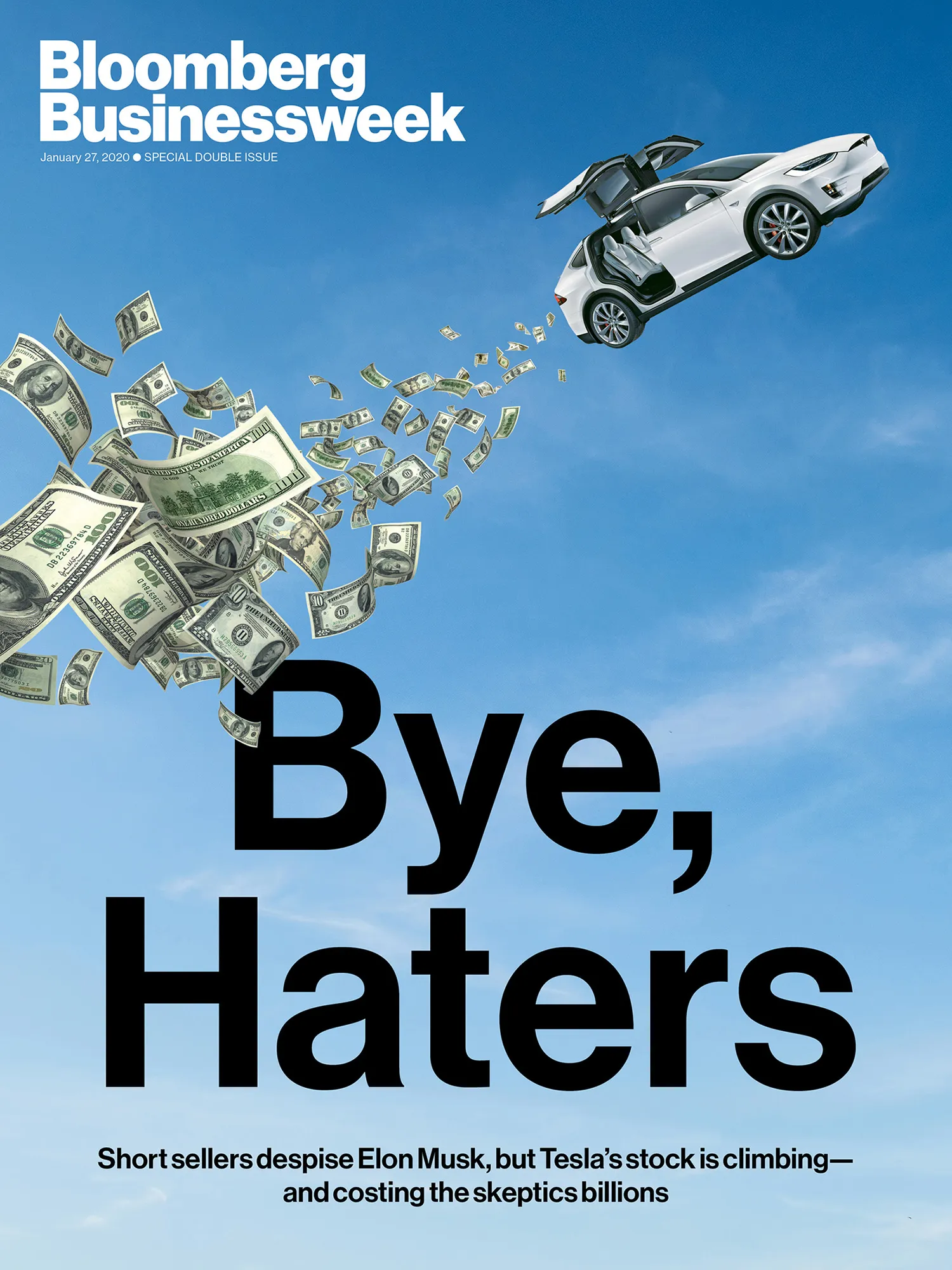
The year 2019 was humbling for the Federal Reserve. The central bank was forced to unwind a series of interest-rate hikes it had implemented the year before, citing strains on the U.S. economy from President Donald Trump’s trade wars and a global slowdown. In the process, the central bank appeared to be sacrificing its autonomy by caving in to Trump’s relentless demands for cheap money. There was still another reason for the Fed’s reversal, one that goes to the heart of the institution’s dual mandate of ensuring full employment and stable prices. It had underestimated how many jobless Americans were still out there—not technically counted as unemployed but willing to work.
By the time the jobless rate dipped below 4% in the spring of 2018—for only the second time in a half-century—central bankers thought they had accomplished their goal of maximum employment. Their next challenge was to ensure the tight labor market didn’t trigger a so-called wage-price spiral. They began charting a course to raise interest rates high enough to discourage hiring. Yet, unexpectedly, inflation didn’t bubble up, even as unemployment continued to drift lower. It’s 3.5% now.