$15 a Day to Drive? Londoners Say ‘Thanks, I’ll Take the Train’
The city is doubling down on the system to further limit pollution.
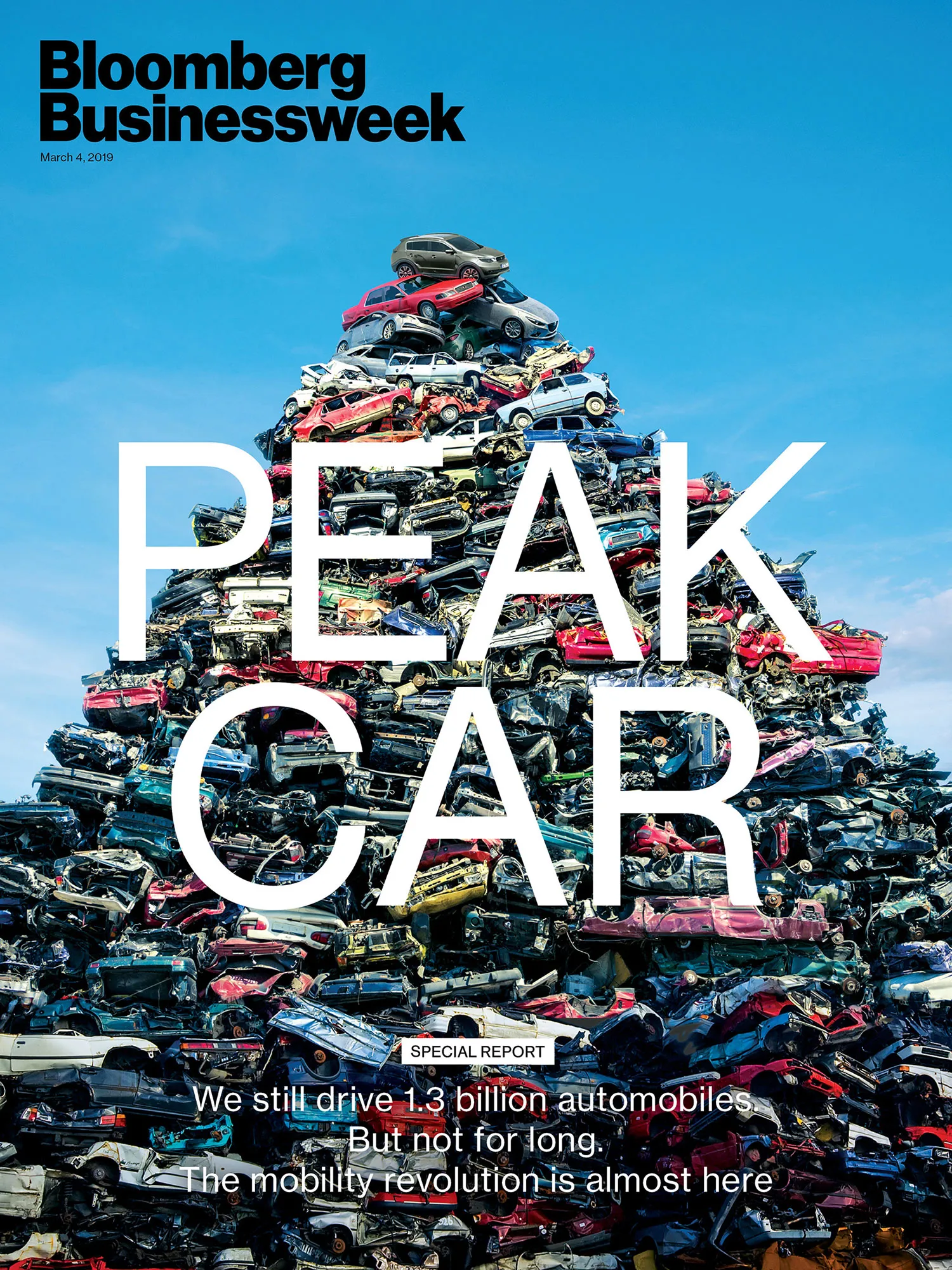
For most of the past decade, Samantha Basham drove the 16 miles to work in central London from the suburban borough of Bexley, but last year she switched to the train. Why? London’s congestion charging system was costing her hundreds of pounds a month. These days, “I don’t drive in at all,” says Basham, 45, a freelance makeup artist for magazines and broadcasters. “I take the train even though I have to carry a heavy suitcase full of makeup.”
Basham is among the thousands of Londoners who’ve shifted to public transport since the city introduced the charges in 2003. Drivers pay as much as £11.50 ($15) to enter central London from 7 a.m. to 6 p.m. on weekdays. The rules are enforced by cameras that snap photos of license tags at the zone’s perimeter and by random camera checks inside. They’ve cut the number of cars entering the area by 30 percent on weekdays, the municipal transport agency says. While the primary goal of the charges was to ease traffic, they’ve also dampened auto sales: In 2017 some 710,000 cars were registered in London, down 2 percent from 2009, vs. an 11 percent increase across Britain.