The Math Behind Futility
Rob Arnott on Why Active Managers Fail
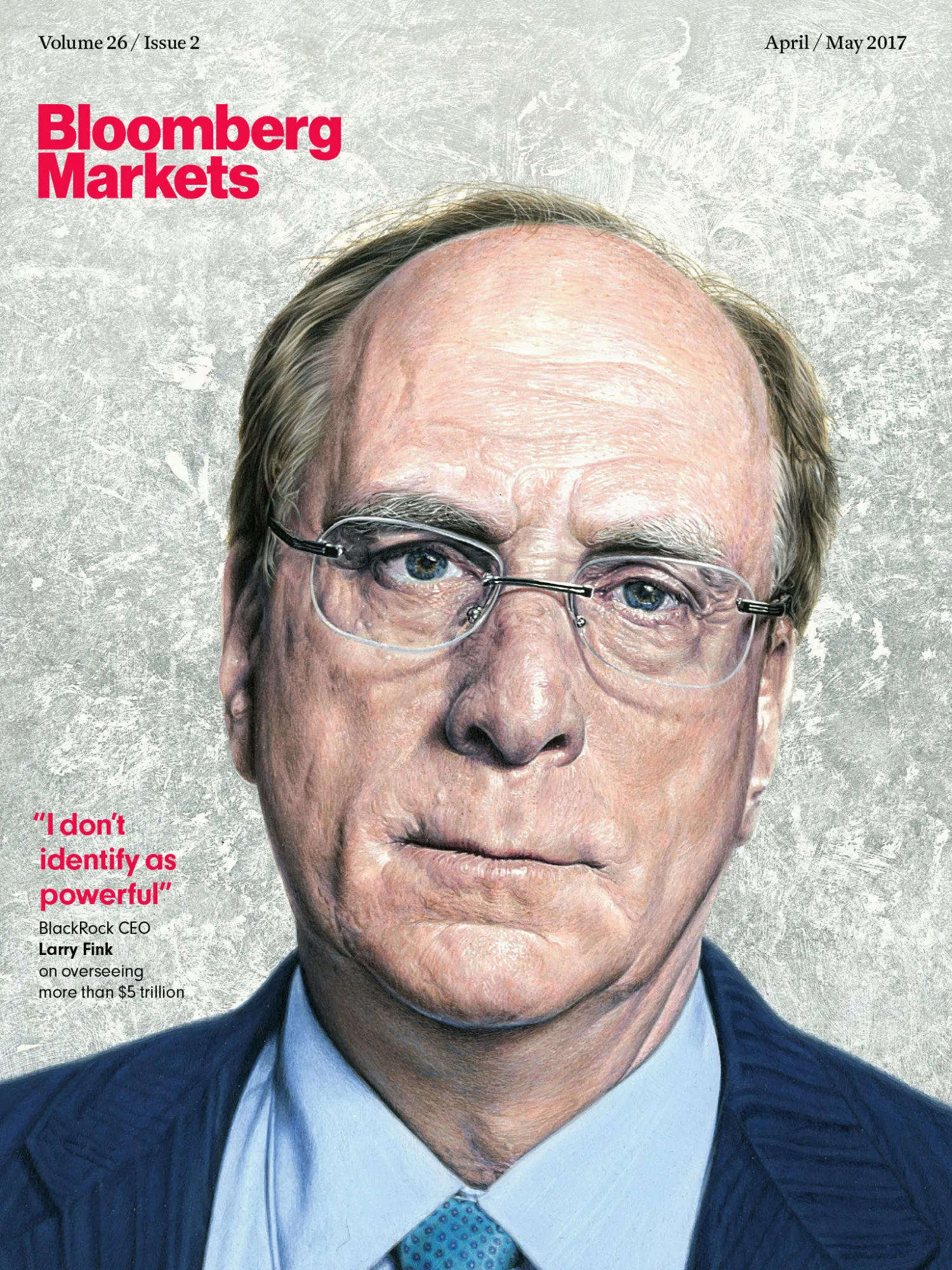
J.B. Heaton is an unlikely stock market revolutionary. He doesn’t work in investing, his academic research focuses on legal aspects of insolvency, and most of his holdings are index funds. Yet thanks to his intellectual wanderings, Heaton today finds himself championing a slightly different take on active management’s decline—and, as it turns out, one that three professors advanced almost 20 years ago to scant recognition. Not only can’t humans outdo benchmarks, they all say, we can’t even fight them to a draw.
Let’s begin with the simple coin flip. You’ll call it correctly about half the time, right? Well, the collective efforts of active fund managers around the world come nowhere near even that, with the proportion besting benchmarks lately hovering around 19 percent, according to Bank of America. “How are so many smart people bad at their job?” asks Heaton, a lawyer with dual doctorates from the University of Chicago. “We’ve always known in our gut that active managers aren’t losing to the S&P because they’re monkeys. What we haven’t understood is just how hard it is to beat passive investing because of this effect.”