What Can the McLaren Racing Team Teach the Rest of Us?
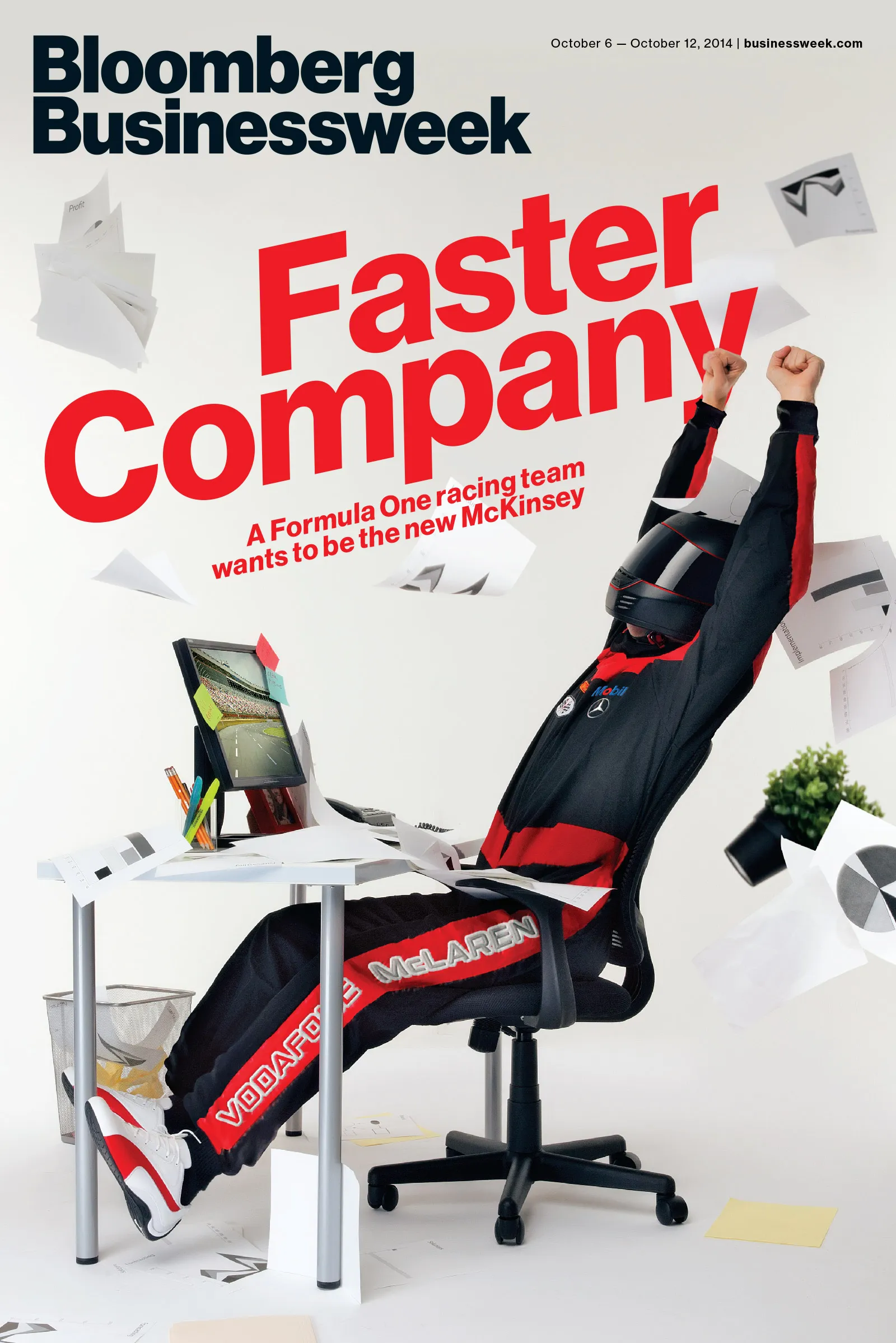
Six laps into the 2008 Monaco Grand Prix, Lewis Hamilton’s McLaren race car skidded on the rain-slicked pavement, bumped against a barrier, and blew out its right rear tire. At the time, Hamilton, a gifted, impatient driver and one of auto racing’s biggest stars, was in second place. A puncture is a serious setback in any Formula One competition. In Monaco, the most prestigious title on the schedule, it’s a disaster: The course is laid out on the principality’s twisting, hilly streets, rather than a purpose-built racetrack, so passing is nearly impossible, and ground lost is particularly hard to regain. The three-time Formula One champion Nelson Piquet once likened the race to “riding a bicycle around your living room.” Rain only compounds the challenge.
When Hamilton clipped the barrier, 13 members of the McLaren race team were sitting in a windowless control room in the English town of Woking, 900 miles away. Outside, herons stood in the manmade lake that laps at the curving glass facade of the McLaren Technology Centre. The men and women at the banks of monitors, dressed in the same black and white uniforms as their teammates at the track, included strategists, systems engineers, performance engineers, mechanical engineers, and IT specialists; dozens of others in the building were patched in as well. Many of the decisions about the car’s setup and management over the course of the race are made here, not at the track. The team now had less than 30 seconds, the time it would take Hamilton to ease his car into the pit area, to make a very important call.