The S&P Downgrade, One Year Later
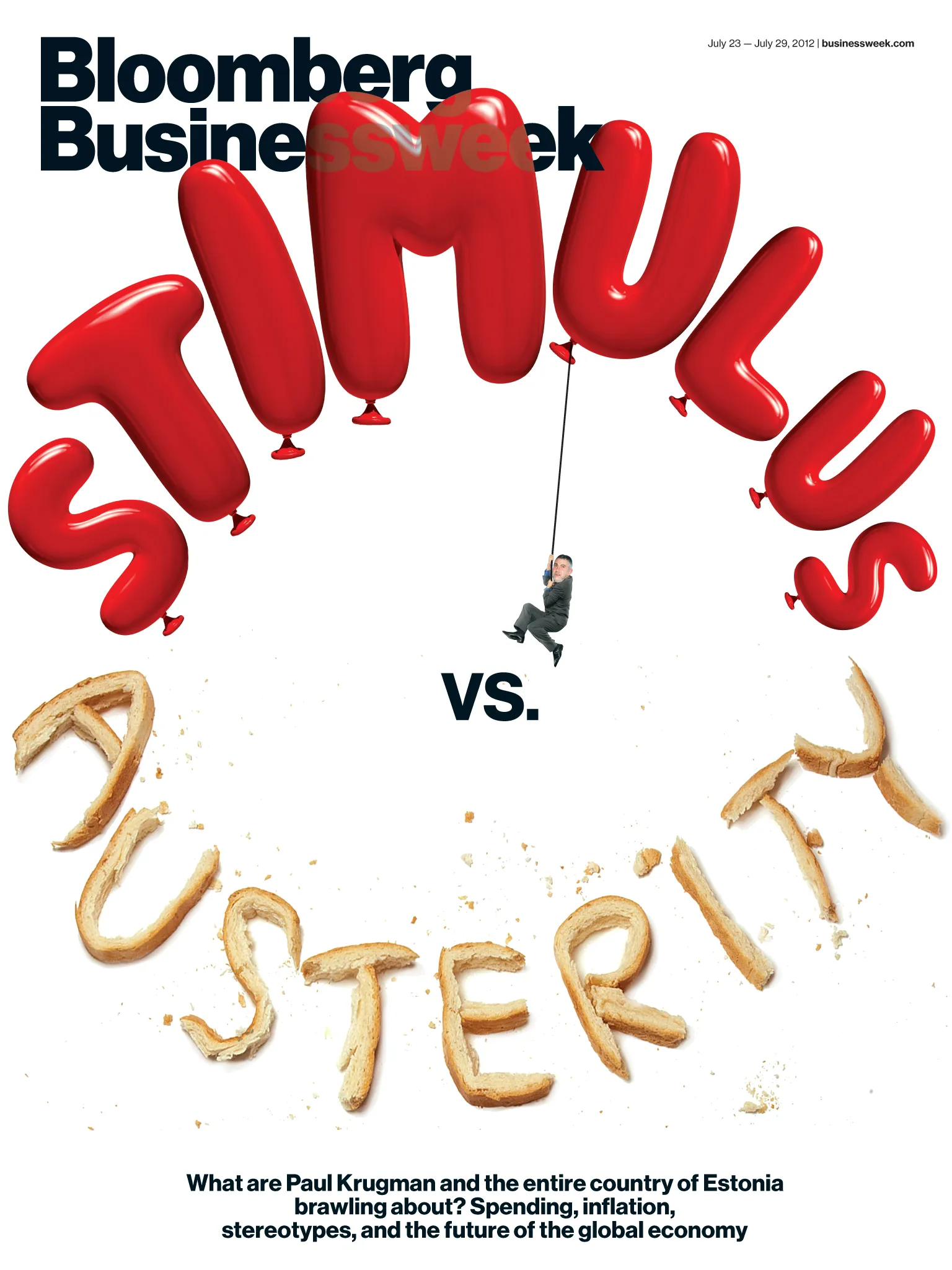
When Standard & Poor’s stripped the U.S. government of its top AAA credit rating last August, predictions of doom followed. Mitt Romney called it a “meltdown” and warned of high long-term interest rates and damage to foreign investors’ confidence in the U.S. Republican Representative Paul Ryan of Wisconsin, who chairs the House Budget Committee, said the cost of mortgages and car loans would rise. Mohamed El-Erian, chief executive officer of Pimco, the world’s largest bond fund, forecast erosion in the standing of the dollar and U.S. financial markets.
They were wrong. Almost a year later, mortgage rates have dropped to record lows, and the government’s borrowing costs have eased. Yields on 10-year Treasury notes—in effect, the interest rate the bond market charges the government on long-term credit—have plummeted from 2.56 percent just before the downgrade to 1.51 percent on July 17. The dollar is up 11 percent against an index of major currencies, and the Dow Jones industrial average has risen 12 percent. International investors’ enthusiasm for the U.S. has strengthened, with 46 percent of respondents in May’s Bloomberg Global Poll calling it the market with the most potential. Warren Buffett turned out to be prescient. “The U.S. is still triple-A,” he said in 2011 amid the uproar. “In fact, if there were a quadruple-A rating, I’d give the U.S. that.”