Trouble for China's Foreign IPOs
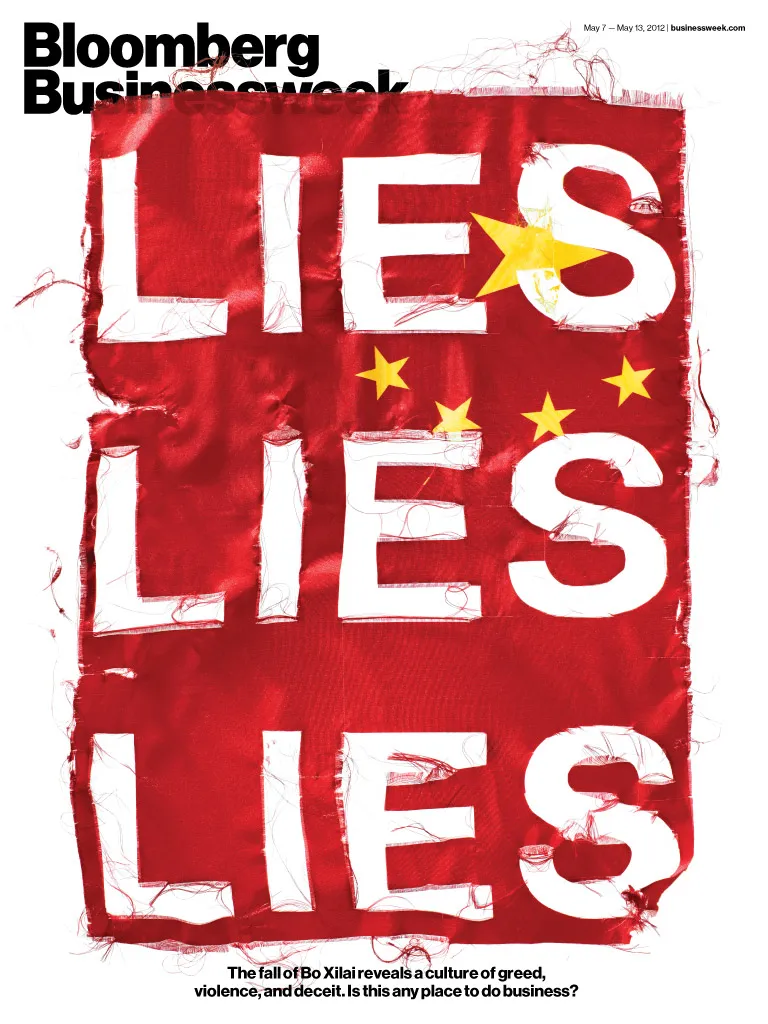
The global appetite for Chinese stocks has encouraged more than 180 Chinese companies to hold initial public offerings on foreign exchanges since 2010. With equity markets in mainland China largely closed to foreign investors, the newly public companies seemed like an ideal way to invest in the China growth story. It hasn’t worked out that way. Many stocks of Chinese companies that went public abroad since 2010 have been plagued by accounting problems and profit warnings that have sent their stocks plunging and poisoned the market for new listings.
Confidence in overseas-listed Chinese stocks was undermined by scandals involving companies that went public in the U.S. through so-called reverse mergers, in which a firm buys a publicly traded shell company and obtains a listing without undergoing the regulatory scrutiny of the IPO process. The troubles of Chinese companies that conducted conventional IPOs have raised questions about the accuracy of financial reporting and the quality of due diligence by the firms underwriting them. “Investors have been concerned: Are these companies accurately portraying themselves?” says Kevin Pollack, a fund manager at Paragon Capital in New York who invests in Chinese companies trading on U.S. exchanges. “Unfortunately, having big-name auditors and bankers behind a company doesn’t guarantee it’s free of issues.”