The Great Fall of China
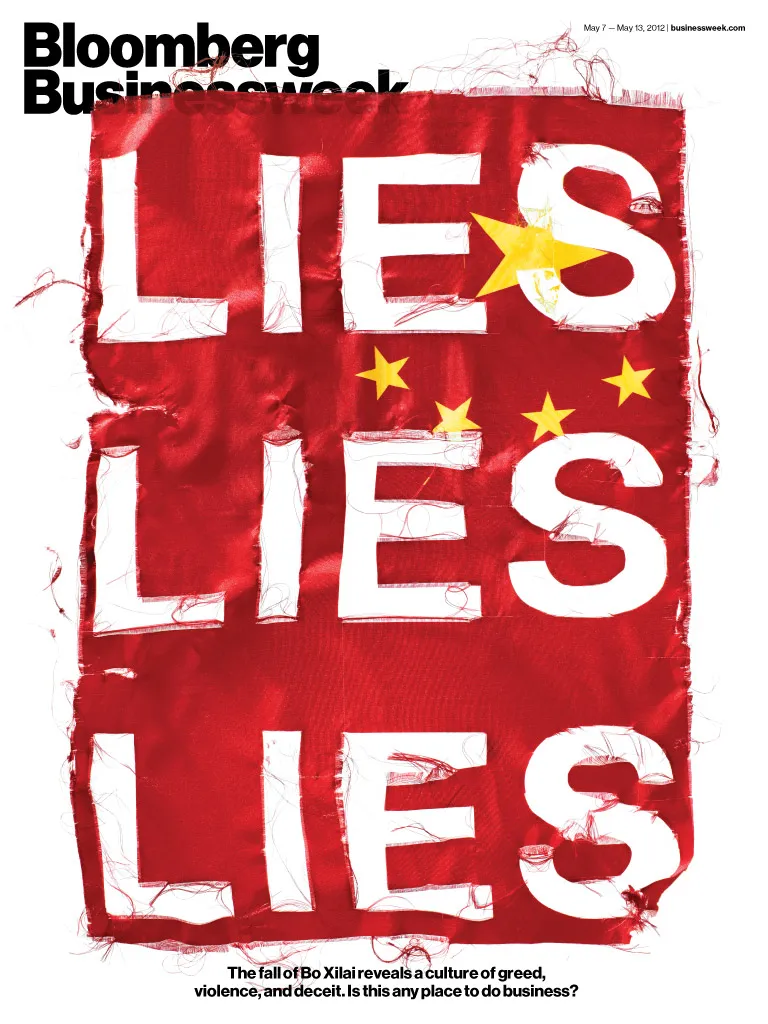
Qi hu nan xia, goes a Chinese proverb: When one rides a tiger, it is difficult to dismount. For the leaders of China’s 1.3 billion people, the import is clear. Stay on the tiger’s back, issue commands, and hope like hell the beast doesn’t turn on you. Over the last quarter-century that approach has served the mandarins of the Communist Party well. China became an economic marvel and staked a claim as the world’s next superpower. Civil liberties, social development, environmental husbandry, and political transparency were subordinate to the imperatives of growth. Increasing complaints about the avarice and gangsterism of government officials could be dismissed as local problems as long as an enlightened elite was thought to be guiding the state with a steady hand. Even when under pressure to reform, China’s leaders could reassure themselves that their grip on power remained secure.
Not anymore. The Communist Party faces the most serious threat to its authority since the Tiananmen Square uprising of 1989. The case of Bo Xilai alarms China’s leadership precisely because it weakens the impression of strength and competence they have labored so hard to maintain. A tough-on-crime princeling about to be welcomed into the ruling elite is suddenly accused of being corrupt; his wife is implicated in the murder of a British business associate; the family’s fortune, totaling over a hundred million dollars, exposes the wealth high-ranking bureaucrats have amassed at the public’s expense.