Zynga Dumps the Training Wheels
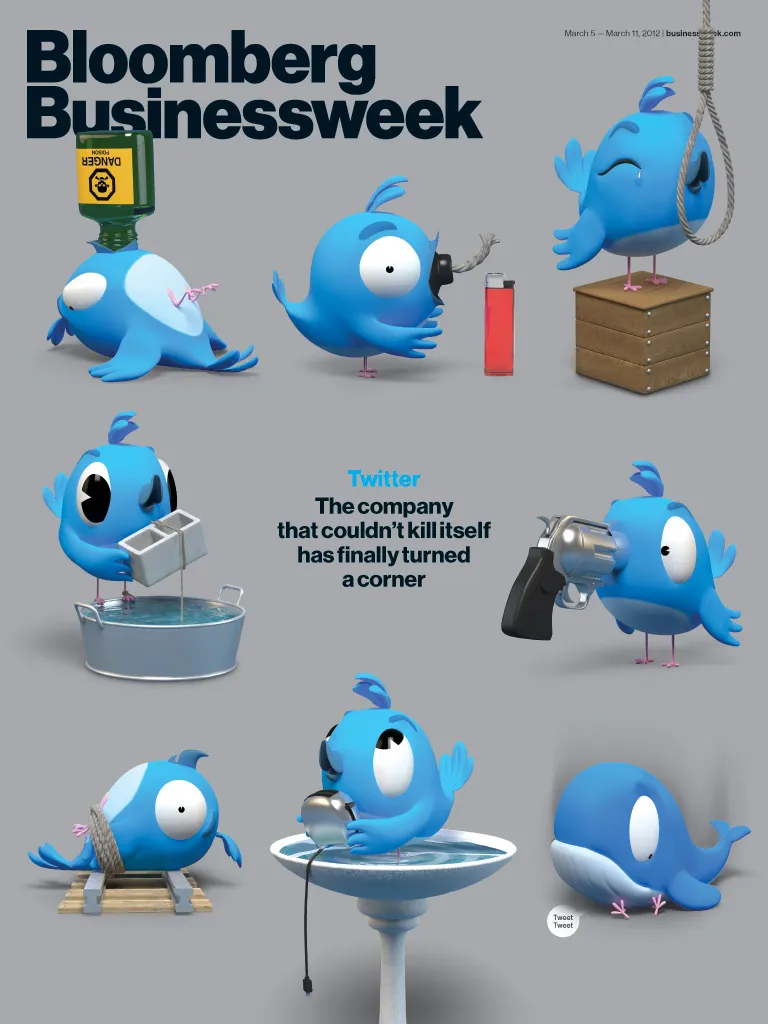
For several months in early 2010 the engineering team at Zynga halted work on all new games. The San Francisco startup and maker of hits such as FarmVille was in tense negotiations with Facebook, which then and now provides a home—and a huge audience—for Zynga’s titles. Chief Executive Officer Mark Pincus realized he needed a backup plan in case talks fell apart, and his engineers started building an online gaming site of their own. “It became an around-the-clock effort,” Pincus recalls. “It was an amazing feat of engineering. In very short order we were ready to host our own games.” The hub never launched, though. Tensions eased, Facebook and Zynga recognized they had a mutually beneficial relationship, and the companies signed a five-year deal.
Two years have passed. Zynga is now a public company, and Facebook is on the verge of becoming one. (Their partnership is one of the most profitable on the Internet; Facebook revealed in its initial public offering filing that Zynga generates 12 percent of its revenues.) And on March 1, Zynga will finally take the wraps off that long-gestating website. It’ll be housed at Zynga.com, which previously was just an informational site, and will feature not just Zynga hits but games made by rival developers. Those outsiders will be able to store parts of their games on Zynga’s servers and advertise to Zynga’s players in exchange for giving up a cut of their revenues. It’s Zynga’s attempt to become a platform—a digital bulwark on top of which other companies can grow their businesses—just as Facebook, Twitter, and other successful tech companies have done. “We want to grow the market for everyone,” says Pincus. “Our vision is a billion people playing together.”