The Trouble with Catastrophe Bonds
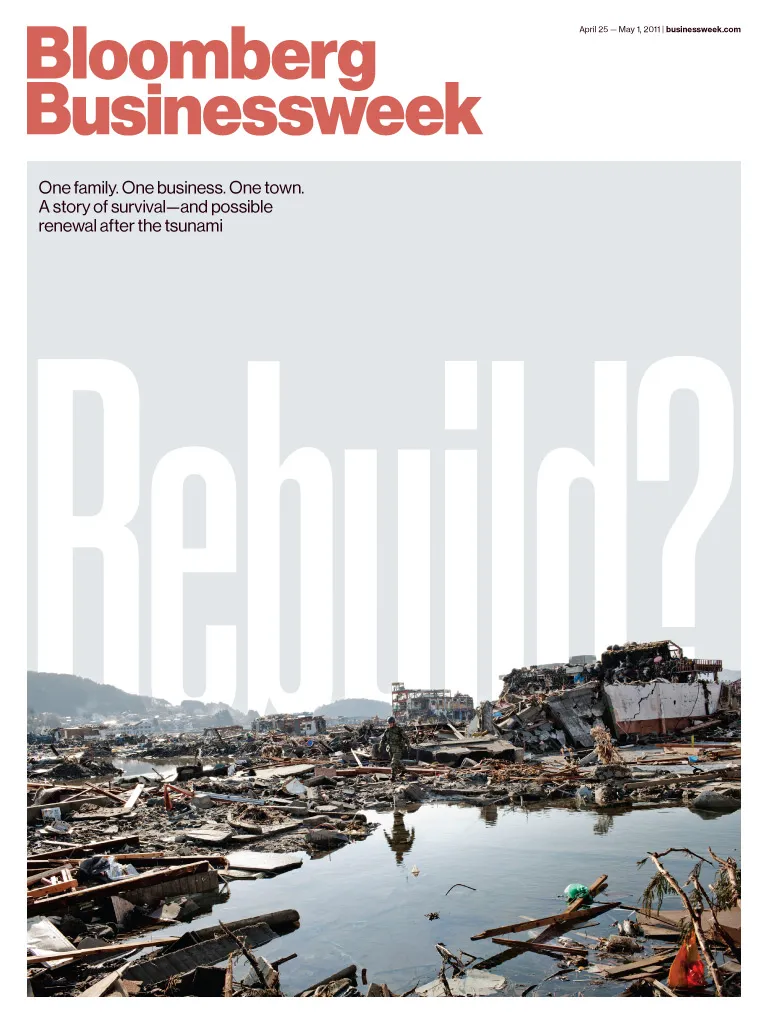
It's not easy hedging against Armageddon. Consider the case of catastrophe bonds designed to provide capital to insurance companies when extreme, big-scale disasters occur. Japan's mid-March earthquake, tsunami, and ongoing nuclear reactor crisis would seem to qualify. The economic toll from these catastrophes may run between $200 billion and $300 billion and could cost the global insurance industry anywhere from $21 billion to $34 billion, according to an Apr. 12 estimate by risk-modeling research firm Risk Management Solutions.
Yet it turns out the cat bond market won't be of much help in covering Japan-related insurance losses. Such bonds often have covenants that strictly limit the type and location of a disaster they will cover. Most cat bonds covered quake losses only in Tokyo. The temblor actually occurred about 240 miles (380 kilometers) northeast of the capital. "The triggers are very specifically defined," says Tom Keatinge, managing director in JPMorgan Chase's (JPM) insurance capital management team in London. "Typically, for a cat bond to trigger, you need a bull's-eye to be hit instead of a general shot in the right direction."