The Granddaddy of All Bubbles?
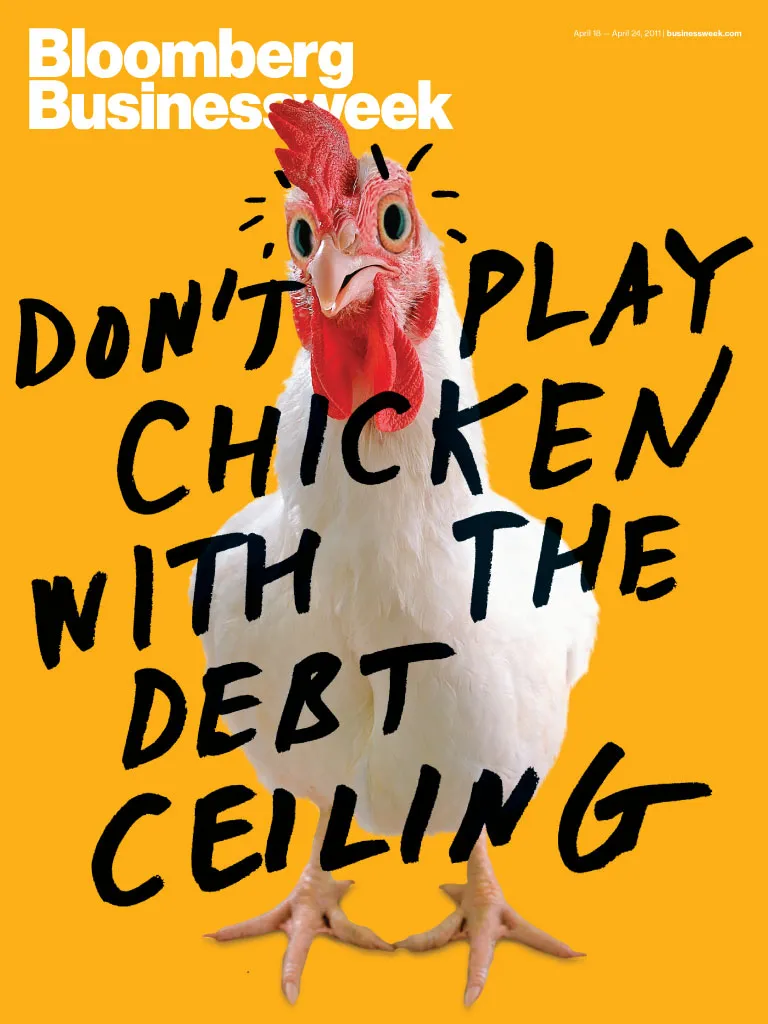
It's as if 2008 never happened. Once again the world's investors are pumping up bubbles that will probably explode in their faces. After the popping of a real estate bubble led to the first global recession since the 1930s, world markets are frothing like shaken Champagne. Pundits claim to have spotted price increases that are unsupported by economic fundamentals in assets ranging from U.S. farmland to Israeli biotech to Australian housing to Chinese cemetery sites. Commodities have soared. Global junk-bond issuance hit a record in the first three months of the year. And Yale's Robert Shiller calculates that the Standard & Poor's 500-stock index is trading at 23 times earnings normalized over the past 10 years, compared with a historical average of 16. "I fear this is the granddaddy of them all, an almost-encompassing bubble right at the heart of monetary systems," says Doug Noland, senior portfolio manager of the Federated Prudent Bear Fund.
Cassandras, pointing to the bankruptcies, taxpayer-financed bailouts, and joblessness caused by the last bubble, argue that today's bubbles need to be deflated now before they get dangerously large. Many blame the Federal Reserve for keeping interest rates too low and pumping out a flood of money in search of yield that feeds bubbles around the world. Chinese authorities want the Fed to raise rates to relieve inflation in China. On Apr. 7 the European Central Bank raised its benchmark lending rate a quarter-point, to 1.25 percent. In the U.S., "What we've created is beyond moral hazard," laments Brian Wesbury, chief economist at First Trust Advisors, a Wheaton (Ill.) fund shop. "People are coming to think that the market cannot go higher if the Fed isn't helping it."