Bill Bradley: Tax Reform Is a Team Sport
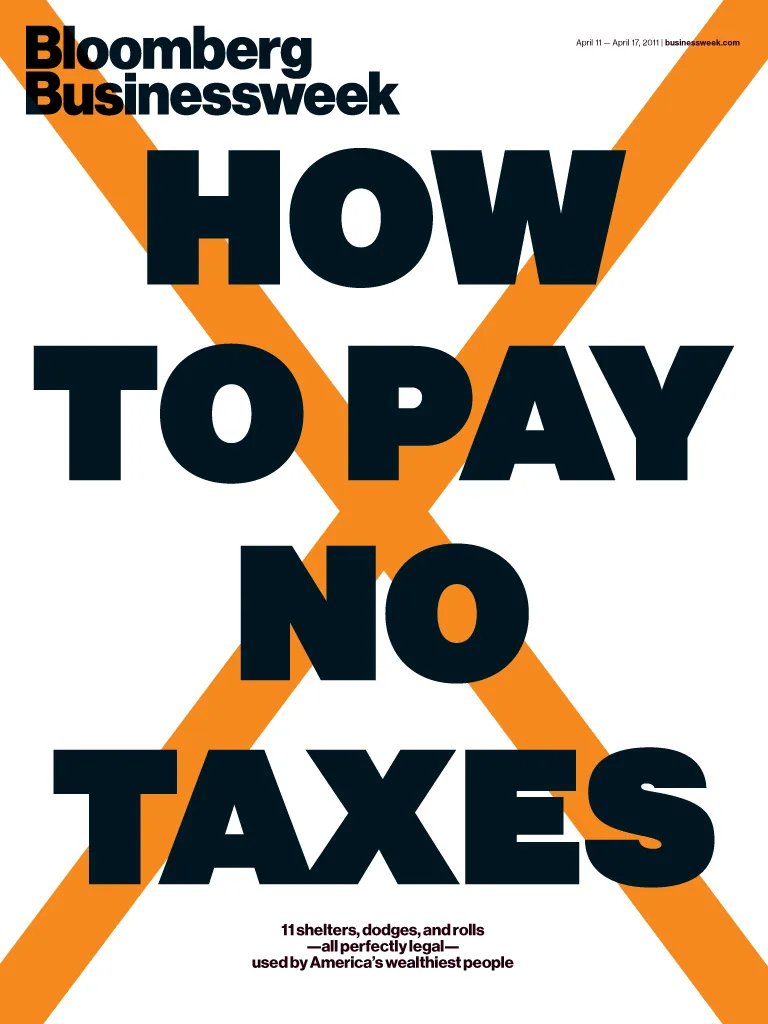
In 1986, Congress passed an income tax reform that reduced the top personal income tax rate from 50 percent to 28 percent and created a 15 percent rate for everyone else. It was paid for by closing billions in loopholes, those arcane provisions in the code that reduce taxes for their lucky beneficiaries but leave the rest of us paying more. The '86 reform was revenue neutral, neither raising overall taxes nor increasing the deficit. It was guided by three principles: equity—equal incomes should pay equal taxes; efficiency—the market is a better allocator of resources than members of Congress; and fairness—those Americans who have more should pay more.
In the beginning the pundits said tax reform had as much chance of passing as an elephant has of flying to the moon. The tax code was seen as a playground for Washington's special interests—an unfair burden the rest of America would just have to bear. Yet reform passed. Average taxpayers got to keep more of each additional dollar they earned, all corporations were treated more equally, and the wealthy ended up paying a higher percentage of total income tax revenue.