Naoto Kan: Big Test for an Unpopular Premier
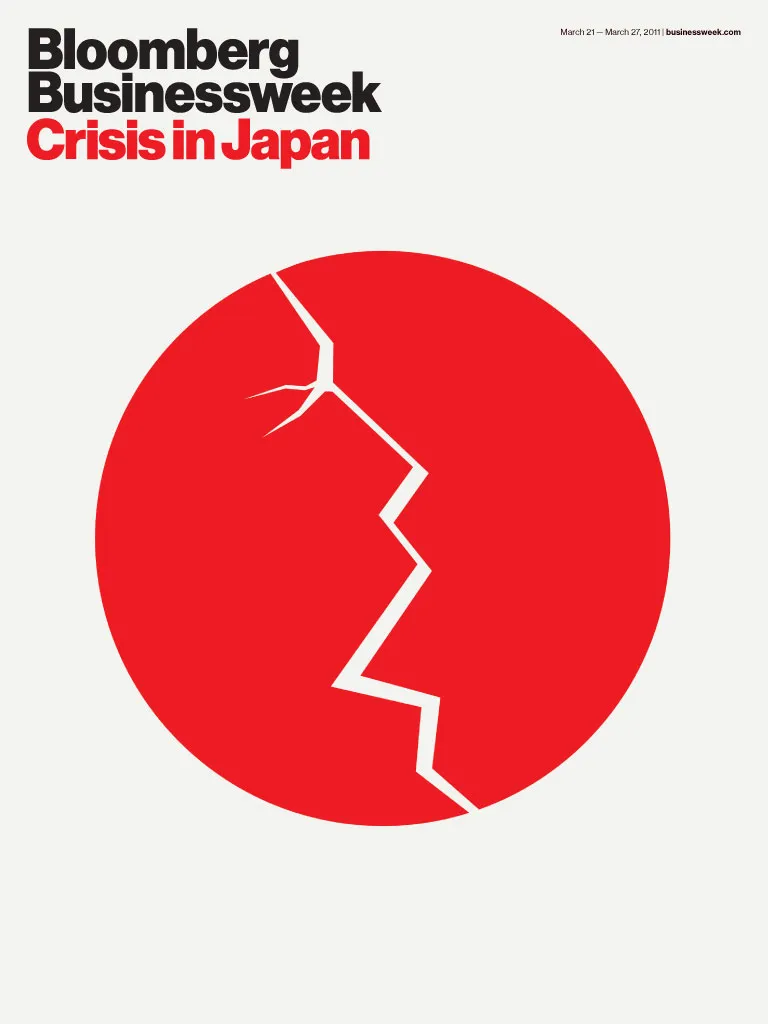
Until the Mar. 11 earthquake and tsunami, Prime Minister Naoto Kan looked like another casualty of Japan's unending political strife. His approval rating was down to less than 20 percent. His attempts to rein in the deficit were stymied in Parliament. The opposition Liberal Democratic Party had him in its sites: The LDP had already forced out one of his ministers as a result of a minor campaign funding scandal, and Kan, 64, appeared marked for the same fate. A sad end seemed inevitable for the onetime reformer who had inspired hope in the 1990s with bold talk of a new political system.
Overnight Kan has gone from tired politician to something resembling a leader. He has mobilized 100,000 troops and pledged an emergency-spending package. Kan has even welcomed foreign aid, in contrast to Japan's initial rebuff of help after the 1995 Kobe earthquake. And he has hit the right rhetorical notes. "Our country faces its worst crisis since the end of the war 65 years ago," an emotional Kan said on Mar. 13 on national TV. "I am convinced that working together with all our might, the Japanese people can overcome this." Ordinary Japanese liked the tone of that speech. "There was almost no content in what Kan said, but it was clear he was suffering along with everyone else," says Jiro Dai, a Tokyo office worker. "That made a profound impression on me."