Japan's Massive Reconstruction Tab
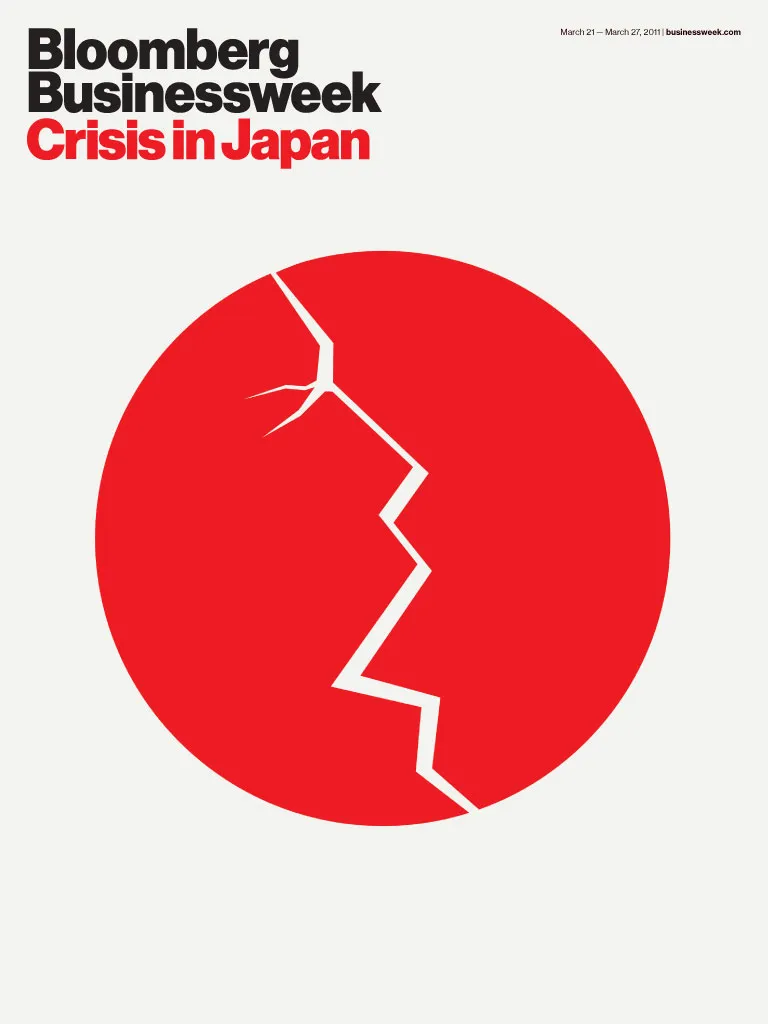
First came the nuclear reactor meltdown, then the financial one. The Nikkei 225 Stock Average fell a combined 16 percent on Mar. 14 and 15 as investors assessed the damage from an earthquake and tsunami that ripped through northeast Japan. The Nikkei has since recouped some of those losses. Explosions, partial meltdowns, and radiation leaks at Tokyo Electric Powers Fukushima Dai-Ichi nuclear power complex, however, forced companies to suspend operations nationwide and cut output, prompting economists to trim 2011 growth forecasts.
The question now is what Bank of Japan Governor Masaaki Shirakawa and Prime Minister Naoto Kan can do to begin funding reconstruction efforts and avert an outright recession. Three days after the Mar. 11 quake, the Bank of Japan poured a record 15 trillion yen ($184 billion) of cash into the banking system and another 8 trillion yen on Mar. 15. The central bank also decided to double an existing program to buy government and corporate bonds, as well as other assets from banks, to 10 trillion yen.