
Tokyo’s Too Cautious to Take Hong Kong’s Mantle
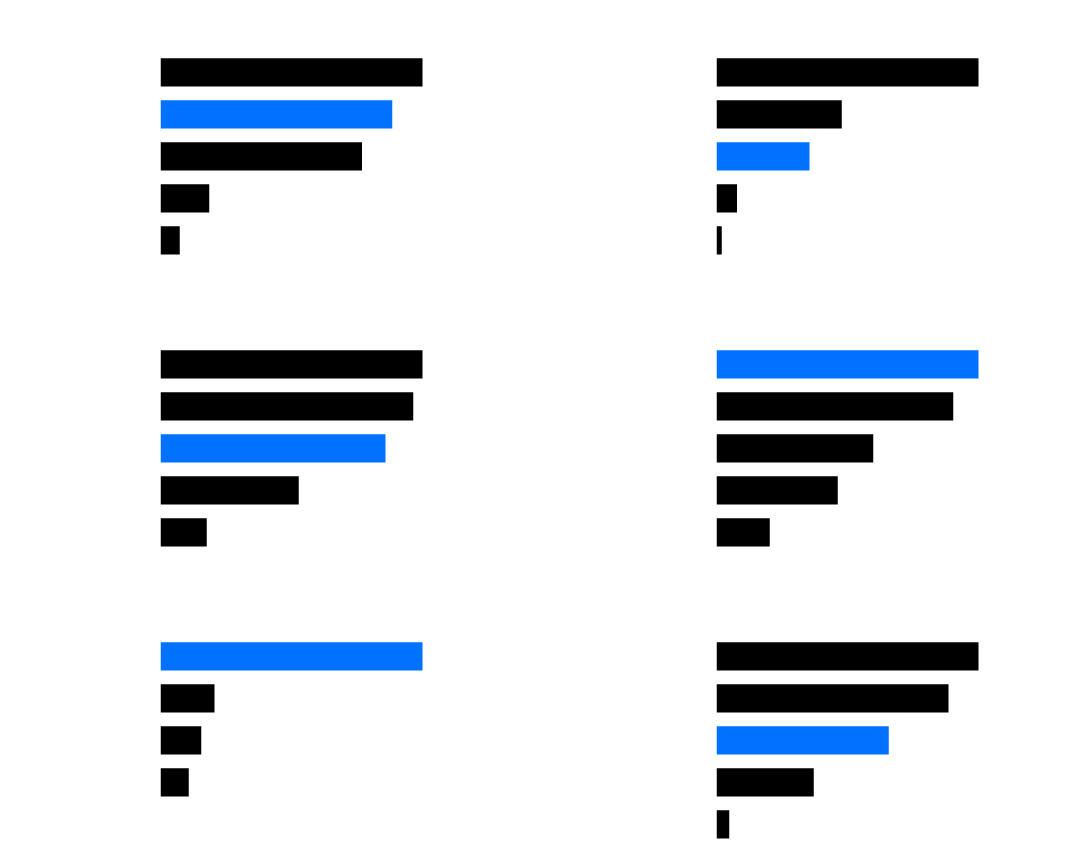
Three decades ago, it would have been an absurd question. Which city will be the financial capital of Asia? Tokyo, clearly. Now, and in the future.
The world’s biggest city is also the capital of its third-biggest economy and home to the largest pool of pension assets after the U.S. The yen is the most-traded currency after the dollar and the euro, and Japan was the largest single source of outbound foreign direct investment last year, with $143 billion of fund flows. Senior Hong Kong-based bankers are still often titled “head of Asia ex-Japan,” as if this one country was equal to the rest of the continent put together.

As recently as the late 1990s, Tokyo’s pre-eminence was seen as self-evident. “By general agreement, there are only three global financial centres in the world, namely, London, New York, and Tokyo,” Professor Y.C. Jao of the University of Hong Kong wrote in a 1997 paper. “Hong Kong is not in the same league.”
Down But Not Out

Equity market capitalization
$6.9T
China
Japan
Hong Kong
Taiwan
$495B
Singapore
Outward FDI stock
$1.9T
China
Hong Kong
Japan
Singapore
Taiwan
$340B
Pension fund assets
$1.4T
Japan
Singapore
China
$149B
Hong Kong
Taiwan
Not available
M&A since 2017
$1.1T
Hong Kong
China
Japan
Singapore
$53B
Taiwan
Cross-border claims*
Japan
$881B
Hong Kong
China
Singapore
Taiwan
$177B
IPOs since 2017
Hong Kong
$100B
China
Japan
Singapore
$2B
Taiwan
Equity market capitalization
M&A since 2017
China
Hong Kong
$1.1T
$6.9T
Japan
China
Hong Kong
Japan
Taiwan
Singapore
Singapore
Taiwan
$495B
$53B
Cross-border claims*
Outward FDI stock
China
$1.9T
Japan
$881B
Hong Kong
Hong Kong
China
Japan
Singapore
Singapore
Taiwan
$340B
Taiwan
$177B
Pension fund assets
IPOs since 2017
$100B
Japan
$1.4T
Hong Kong
Singapore
China
Japan
China
Hong Kong
$149B
Singapore
Taiwan
Not available
Taiwan
$2B

Equity market capitalization
M&A since 2017
China
Hong Kong
$1.1T
$6.9T
Japan
China
Hong Kong
Japan
Taiwan
Singapore
Singapore
Taiwan
$495B
$53B
Cross-border claims*
Outward FDI stock
Japan
China
$1.9T
$881B
Hong Kong
Hong Kong
China
Japan
Singapore
Singapore
Taiwan
Taiwan
$340B
$177B
Pension fund assets
IPOs since 2017
$100B
Japan
$1.4T
Hong Kong
Singapore
China
Japan
China
Hong Kong
$149B
Singapore
Taiwan
Not available
Taiwan
$2B
*Figures are for international banks on foreign non-banks.
What changed? The obvious answer is China. In 1999, it overtook Japan as Asia’s largest economy in terms of purchasing power. A decade later, it pulled ahead in raw dollar terms, just as the 2011 Tohoku earthquake and tsunami and Fukushima nuclear disaster led many resident foreigners to move away.

At the same time, Japan’s long economic stagnation has made it an unattractive place to invest. Even after the stock market boom of the Abenomics era, a dollar put in the country’s Topix index in 1999 would have generated just 33 cents of total returns over the past two decades. The same stake in the Shanghai Composite or S&P 500 would have produced well over $2, and even buying U.S. government bonds would have doubled your money.
The end of Japan’s 1980s boom put all the other problems of doing business there into stark relief. Vancouver-raised Masa Hashimoto moved to Japan in 1998 to work in fixed income at Merrill Lynch & Co. and its financial-crisis acquirer Bank of America Corp. Rather than jump through the hoops necessary to get a local asset management license when he set up independently in 2004, he moved to Hawaii and traded over the dateline from 1 p.m. to 11 p.m., Sunday to Thursday. Moving back to Tokyo in 2016 to set up a new fund, Red Phoenix Investments Co., he found things hadn’t changed much.
“The bureaucratic red tape is not conducive,” Hashimoto said. “You can go to Singapore and get a license in three weeks. It took us a year.”
While Tokyo’s once-notorious real estate costs have long been overtaken by those in Hong Kong, it’s still a costly location. Tokyo vies with London as the most expensive city in the world to send an expatriate worker, according to consultancy ECA International, with taxes and benefits each accounting for about 40% of the total cost to employers, and only 20% going to the employee as salary. As a result, sending an expat to work in Tokyo costs about two-thirds more than putting them in Singapore, even if their pay packet is more or less the same.
Government’s Cut

Income tax
55%
Japan
China
Taiwan
Singapore
17%
Hong Kong
Corporate taxes
Japan
30.6%
China
Taiwan
Singapore
Hong Kong
16.5%
Taxes on dividends and interest
China
30%
Taiwan
Japan
20.4%
Hong Kong
0
Singapore
0
Sales tax
China
17%
Japan
Singapore
Taiwan
5%
Hong Kong
0

Taxes on dividends
and interest
Income tax
Japan
55%
China
30%
China
Taiwan
Taiwan
Japan
20.4%
Singapore
Hong Kong
0
Hong Kong
Singapore
0
17%
Sales tax
Corporate taxes
17%
China
Japan
30.6%
China
Japan
Taiwan
Singapore
Singapore
Taiwan
5%
Hong Kong
16.5%
Hong Kong
0
0

Income tax
Taxes on dividends and interest
Japan
55%
China
30%
Taiwan
China
20.4%
Japan
Taiwan
Hong Kong
0
Singapore
Singapore
0
Hong Kong
17%
Sales tax
Corporate taxes
17%
China
Japan
30.6%
China
Japan
Taiwan
Singapore
Singapore
Taiwan
5%
Hong Kong
16.5%
Hong Kong
0
0
Notes: Figures are the highest applicable rate. Deductions and other modifications not shown.
The problem is relatively straightforward, according to Kathy Matsui, vice chair of Goldman Sachs Group Inc.’s Japan division: “It starts with a ‘T’ — tax,” she said.
Despite Prime Minister Shinzo Abe cutting the corporate tax rate by about 10 percentage points to 30.62% in recent years, it’s still almost double what businesses pay in Hong Kong, which Singapore and Taiwan do their best to match. The top rate of income tax has actually increased to 55% in recent years, as have sales taxes. Capital gains, which are untaxed in Singapore and Hong Kong, are treated as income. That’s unattractive for the businesses and employees who flock to Hong Kong, but it’s unlikely to change much.
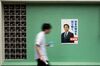
“Japan happens to have a very large fiscal deficit they need to fund, and tax revenues that are lost somewhere have to be made up elsewhere,” said Matsui. “Anything that involves less tax being paid by foreign investors and foreign funds doesn’t come at the top of any politician’s priority list.”
Tokyo retains considerable advantages in terms of size and sophistication. Hong Kong and Singapore are equivalent to Philadelphia and Detroit respectively in terms of population. Tokyo’s 38-million-strong metropolitan area is the size of New York, Paris and London put together. As such, it’s the only contender for regional financial center that really has the feel of a global city.
Sticker Shock

International school fees/year
Shanghai
$33,591
Singapore
Hong Kong
Taipei
$16,044
Tokyo
Residential purchase price/sq. meter
Hong Kong
$28,570
Tokyo
Singapore
Shanghai
Taipei
$10,373
Commercial rent/sq. meter/month
$222
Hong Kong
Tokyo
Singapore
Shanghai
Taipei
$41
Mercer cost of living rank
1
Hong Kong
Tokyo
Singapore
Shanghai
Taipei
35

Residential purchase
price/sq. meter
International school fees/year
Hong Kong
Shanghai
$33,591
$28,570
Tokyo
Singapore
Hong Kong
Singapore
Taipei
Shanghai
$16,044
Taipei
Tokyo
$10,373
Commercial rent/
sq. meter/month
Mercer cost of living rank
$222
Hong Kong
Hong Kong
1
Tokyo
Tokyo
Singapore
Singapore
Shanghai
Shanghai
Taipei
$41
Taipei
35

International school fees/year
Residential purchase price/sq. meter
Hong Kong
Shanghai
$33,591
$28,570
Tokyo
Singapore
Hong Kong
Singapore
Taipei
Shanghai
$16,044
Taipei
Tokyo
$10,373
Commercial rent/sq. meter/month
Mercer cost of living rank
Hong Kong
$222
Hong Kong
1
Tokyo
Tokyo
Singapore
Singapore
Shanghai
Shanghai
Taipei
$41
Taipei
35
Within the Tokyo Metropolitan Government building — a cavernous, monolithic tower completed as Japan’s go-go years were coming to an end in 1990 — the city’s Governor Yuriko Koike is determined to revive that era. The city has put more regulatory information into English; provided subsidies and cheaper office rentals to startups; and established special economic zones where businesses that meet the right criteria can pay a reduced tax rate.
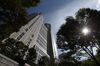
Tokyo has “sufficient potential to become the international financial center” that it was in the 1980s, said Koike, who was a television business journalist then. She sees Japan’s stability as a key selling point when set next to the “drastic changes” elsewhere in the region.
“As a mirror to the situation in Hong Kong, Japan has freedom of speech, freedom of press, and also personal information is protected here,” she said through a translator. “That part will not change.”
Tempting foreign investors remains an uphill struggle. Japan is in 106th place in the World Bank rankings for ease of starting a new business, between Nigeria and Mexico. The top spots are dominated by other Asia-Pacific economies. A plan to get more foreign businesses to set up in Tokyo attracted 506 companies in the five years through March 2017, but the number of international listings on the local exchange has slumped to just four, from 25 in 2008.
Costly Extras
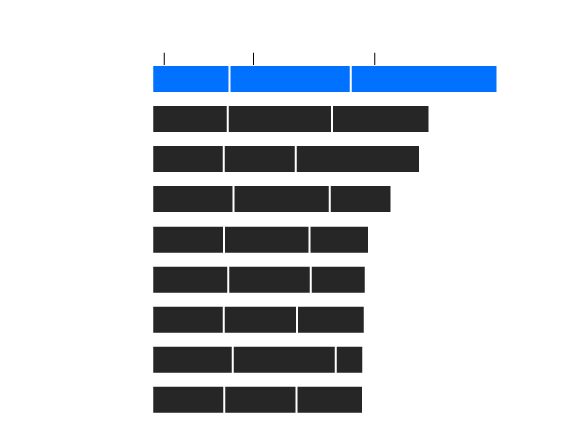
Salary
Benefits
Tax
$386K
Japan
China
India
Hong Kong
South Korea
Thailand
Taiwan
Philippines
Singapore
$236K
Vietnam
Companies want to pay for performance and have the freedom to hire and fire at will. That puts Japan’s rigid labor market at a distinct disadvantage. Since the country’s postwar boom, employment law has emphasized lifelong jobs, seniority-based promotion, and long working hours. That’s changing only gradually, and businesses must find innovative ways to cope. Red Phoenix’s Hashimoto uses interns from Tokyo University of Science for five of the 10 roles at his fund.
Japan’s reputation as a haven has also taken a hit from the attention that the arrest of former Renault-Nissan-Mitsubishi boss Carlos Ghosn has brought to the country’s harsh criminal law system, dubbed “hostage justice” by his lawyer. It’s looking less immune from Asia’s bitter international rivalries, too, since a dispute with South Korea over Japan’s 20th-century occupation has grown into a full-blown trade war.
The real problem is deeper, according to Sayuri Shirai, a professor of economics at Keio University and a member of the Bank of Japan’s rate-setting policy board until 2016. Changes to Tokyo’s microeconomic set-up can help at the margins, but aren’t sufficient to offset the macroeconomic tide in a country that’s losing the animal spirits that make other Asian centers so dynamic.
“Nobody wants to take risk, so it’s very difficult to develop innovative financial assets,” she said. “We are becoming so aged, so people are more cautious, and young people don’t have a lot of income so they don’t have a lot of money to spare.”
Even the dramatic reforms instituted under Abe haven’t changed the fact that Japan has few hedge funds prepared to make bold bets, she said. Most investment is carried out by commercial banks, insurers and pension funds who put their money in the U.S., Europe and Australia rather than faster-growing Asian markets.
Under Abe, “they did everything” to make the financial sector more risk-tolerant, she said. “It really didn’t change people’s behavior.”