If the Switch 2 Stumbles, Nintendo Has No Plan B
The Japanese gaming giant finally revealed its latest console. The stakes have never been higher to end the boom-bust cycle that’s plagued the company for years.
Nintendo Co.’s Switch 2, which will go on sale June 5, is the first major hardware release in more than eight years for the company that became synonymous with videogames. And the fate of Nintendo as a whole could rest on the device being a hit.
With more than 150 million units sold since its launch in 2017, the first Switch is set to go down as Nintendo’s best-selling device ever. The hybrid machine, which can be played on a TV at home or as a portable handset, has generated some $100 billion in sales and propelled Nintendo’s shares to record highs.
The Switch was so successful, partly because it replaced two existing devices: the Wii line of home consoles and the DS line of handhelds. But that merge also created a concentration risk. Because if the Switch 2 falters, there’s no other console to fall back on. And now, the maker of the Mario series must do what it has rarely done before: follow one hit console with another.
Nintendo’s Cycle of Hits and Misses
- First console
- Follow-up console
DS → 3DS
Wii → Wii U
Switch
Source: Nintendo
There’s little room to get this wrong. To a degree that is uncommon among its rivals, Nintendo is hugely dependent on the success of this one device. Sony Group Corp., maker of the PlayStation, is a diversified conglomerate that manufactures semiconductors, offers insurance and licenses music. For Microsoft Corp., Xbox hardware is little more than a rounding error compared with its cloud and software businesses. Other tech firms like Apple Inc. release products much more frequently, often on a yearly basis.
Not Nintendo. The firm built its brand on a philosophy of thinking differently. The company’s late president Satoru Iwata, before the launch of the Switch, once advocated a strategy of surprising gamers rather than relying on upgrading existing hardware with flashier graphics and faster loading times.
But this desire to do things differently has also sometimes led the firm down dead ends. It handcuffed the GameCube with lower-capacity discs instead of DVDs and gave the 3DS an innovative-but-gimmicky, glasses-free three-dimensional screen.
Illustration by 731
For gamers, this has always been part of Nintendo’s charm. The fact that the company often seems to outright refuse to do the sensible-but-boring thing has given us innovations that have changed the industry forever. When the consensus among industry-watchers was that dedicated hardware was dying and Nintendo should shift to mobile, the company took the opposite approach, putting all its eggs in the Switch basket. But for shareholders, the strategy has, at times, been maddening.
Nintendo’s big reveal on April 2 showed that the Switch 2 is taking a more standard path, upgrading almost everything about the original in relatively predictable fashion — 4K output, up to 120 frames-per-second refresh when used as a handheld, more powerful processors and a premium feel. The device feels familiar but nonetheless has a high-end “wow” factor that the more toylike original lacked. And the company managed to keep the software secret until the unveiling: Mario Kart World and a new Donkey Kong game will join a host of third-party titles, the likes of which Nintendo machines don’t usually see.
To continue growing sales and profits, Nintendo simply has to make this device a hit. Despite forays into theme parks, movies and mobile games, the firm is still dependent on its game devices to drive nearly all of its revenue.
And that’s where the biggest surprise of the reveal came: the price. At $450, the Switch 2 lands on the expensive end of most estimates, though it has the tech to justify the tag. The real jolt, however, was the software: The $70 Nintendo plans to charge for Donkey Kong Bananza was expected, even if it’s pricier than almost all Switch 1 titles. But the $80 for a digital version of Mario Kart World already has gamers up in arms at what they see as unjustified price inflation.
Nintendo Relies Heavily On Console Sales
- Switch
- Other revenue streams
Source: Nintendo
With more than 70% of games sold on Switch created by Nintendo itself, a successful device can reap record profits. The company has a moat in the games industry that almost no one can replicate. It also rarely discounts its software. All that contributes to a feedback loop in which a hit console becomes a license to print money. In fiscal 2024 alone, Nintendo sold more than 8 million units of Mario Kart 8 Deluxe, a game first released more than a decade ago for the Wii U. If you count the Switch too, the company has sold more than 75 million units to date — and the game still retails at the full price of $60.
The transition to new hardware is the riskiest time for a console-maker. Whereas a device like Apple’s iPhone has a staggered, annual release cycle, with support extended across multiple generations and players nudged to upgrade every few years, each new Nintendo machine resets the user base to zero.
With the Switch 2, the company has to find a way out of the boom-bust cycle and create users who stick with its devices. With services like Nintendo Music, a streaming app that plays soundtracks from its catalog of games, the company is already expanding its subscription offerings to keep users in its world.
Now, it must persuade those subscribers, and the millions of existing Switch users, to buy the new machine, while enticing younger generations to play for the first time. A strong library of games will be essential to avoid repeating a past mistake: its long history of failing to follow up one hit device with another.

2001
In the early 2000s, dedicated gaming machines were dominated by PlayStation and Xbox. Nintendo was floundering as gamers went elsewhere. It needed a new strategy.

2004-2006
With the DS handheld, Nintendo expanded its audience beyond gamers, appealing to older generations and more casual users. It doubled down with 2006’s Wii console, which used an innovative motion-sensor controller and became an instant smash hit. The two machines propelled shares to record highs.

2010
But the honeymoon didn’t last. Wii mania faded quickly, and casual gamers moved on due to its poor library of software. The financial crisis hurt disposable incomes — and with them, Nintendo’s share price. The company needed a follow-up.

2011
The 3DS handheld, which capitalized on the 3D trend without requiring glasses, had a slow start but was eventually deemed a moderate success.
2012
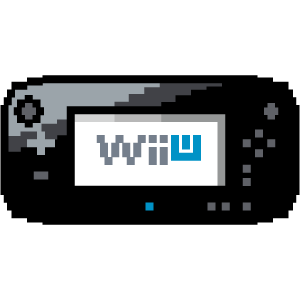
With the Wii U, which followed the best-selling Wii, Nintendo stumbled badly. The console was poorly marketed; its name confused users into thinking it was an add-on for the Wii. It recorded three years of operating losses after the launch, though the popularity of the mobile game Pokemon Go offered some reprieve.
2017-2022
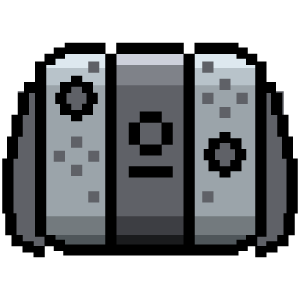
Few saw the triumph of the Switch coming. The failure of the Wii U set the stage, and Nintendo shifted or re-released titles on the new machine. The Switch had five consecutive years of record sales and juiced the stock price.
2025
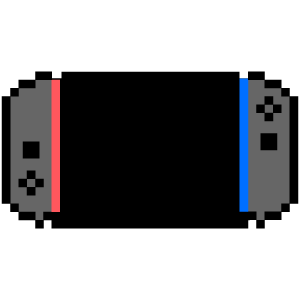
Now with the Switch 2, Nintendo needs to capture that lightning in a bottle again.
Ironically, one reason the Switch was so successful was because the Wii U was such a flop. Nintendo all but abandoned the Wii U early in its life, diverting resources to the Switch. Because most of its audience had never played any Wii U games, it could shift or re-release titles to the new machine.
Nintendo Supercharged Switch With Existing Games
Zelda: Breath of the Wild

Wii U: 1.9M units sold
Switch: 32.6M
Zelda: Breath of the Wild was originally scheduled to be a flagship title for Wii U. After several delays, it launched simultaneously on Switch and Wii U to critical acclaim.
Super Mario 3D World
Wii U: 5.9M units sold
Switch: 13.5M
Super Mario 3D World was a mainstay entry in the Mario series, launched on Wii U in 2013 and re-released on Switch in 2021.
Mario Kart 8
Wii U: 8.5M units sold
Switch: 67.5M
Mario Kart 8 was the best-selling title for the Wii U after its release in 2014. Deluxe, an upgraded version for Switch, would repeat the trick and continue to sell millions of units each year.
Source: Nintendo
Nintendo can turn minor franchises into million-sellers on device sales alone. Mario Party, Luigi’s Mansion and Splatoon have each had entries selling more than 10 million units. And nearly 70 of Nintendo’s own games have sold over 1 million copies, with these first-party titles offering a better profit margin than those made by other publishers.
The Switch Launched Dozens of Hit Games
- Mario
- Pokemon
- Zelda
- Other franchises
Source: Nintendo
Note: Bubbles sized by last reported units sold.
The Switch also benefited because Nintendo combined development teams that had previously developed games separately, the Switch had an unusually well-paced lineup of titles that constantly offered users something new.
The same needs to be true for the Switch 2, and the firm seems well aware of this risk.
“Until Nintendo Switch, there was no easy way to have consumers’ purchase and gameplay histories carry over across platform generations,” President Shuntaro Furukawa said last year. “As a result, our relationship with the consumers was interrupted when a new system was purchased.”
To combat this, Nintendo has pushed gamers to create accounts for its Switch Online service, which will be available on Switch 2, allowing users access titles they already own. Users will need an account to access a new voice-chat feature that Nintendo has plugged heavily after shying away from offering such services for years. And the new machine will also play existing Switch games.
The Switch 2’s Initial Lineup

Mario Kart World
The first Mario Kart in a decade will be the Switch 2's main title at launch, and it does not disappoint. The latest installment takes the classic Mario Kart formula into an open world with frenetic Cannonball Run races involving 24 drivers.

Donkey Kong Bonanza
Nintendo has been promoting Donkey Kong as of late, featuring the ape heavily in the Mario movie and the new area at the Universal Studios Japan theme park. But it kept this new 3D title a surprise. Bananza will launch on July 17, a few weeks after Switch 2.

Zelda updates
Zelda: Breath of the Wild and its sequel, Tears of the Kingdom, were some of the Switch’s most acclaimed games but taxed the system to its limits. Upgraded Switch 2 editions will be offered for free for users with the original software and a Nintendo account. Meanwhile, 2002’s Wind Waker will appear on the new GameCube emulation service.

Metroid Prime 4: Beyond
The latest entry in the sci-fi Metroid series is coming sometime in 2025 to Switch 2, as well as appearing on the original machine. The new version features a 4K, 60 frames-per-second option or a 120 FPS version in 1080p, while the game can switch seamlessly from standard controls to a scheme that uses the new controller’s mouse mode.
Illustration: 731; Nastya Prokopchuk and Far700 via Getty Images
It’s all part of the tightrope that Nintendo must walk to keep users onboard and persuade them to upgrade — no easy task as the risk of a slower global economy looms. The Switch 2 must be different but not too different. With zero debt and extensive cash reserves, Nintendo could likely weather a failure. But a Wii U-like failure would be a painful slip at a time when gamers have near-limitless alternatives, from Fortnite to Roblox.
The first thing it must get right with Switch 2 is the software. The lineup shown so far was solid, and despite the price tag, Mario Kart World looks like a winner — though nothing from the launch day is likely to delight both fans and critics the way Legend of Zelda: Breath of the Wild so nimbly did. It was a critical darling that won Game of the Year in 2017.
Nintendo will have to overcome fans’ initial concerns around pricing if it wants to create the critical mass with the Switch 2 that made its predecessor such a hit. Persuading users to upgrade will be a fine balancing act. And getting it right will require a level of dexterity worthy of Mario himself.
Updates throughout with details from Nintendo’s Switch 2 reveal on April 2.
