2021 in Review Shipping Chaos Teaches the World It Can’t Always Get What It Wants
We look back at our defining events of the year and the photos that captured them.
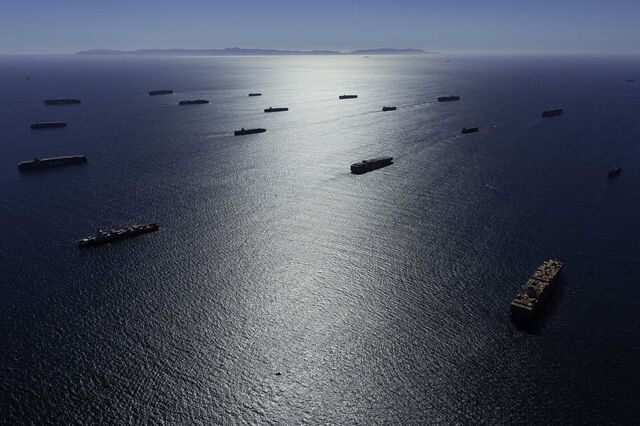
Something odd appeared in the waters off Southern California just over a year ago, and it would be a harbinger for events that would rock the global economy.
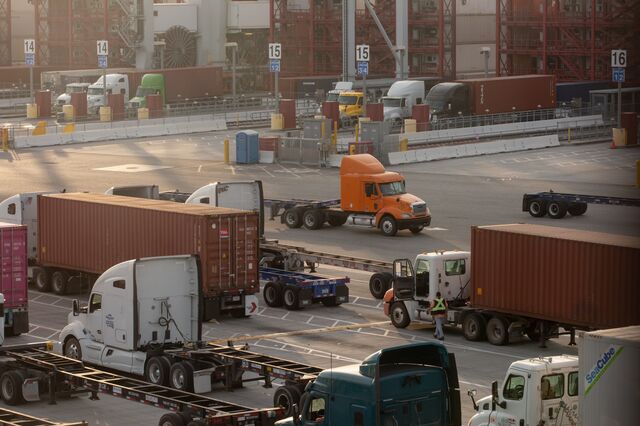
An armada of giant container ships waited to enter the neighboring ports of Los Angeles and Long Beach. To Weston LaBar, then the head of the Harbor Trucking Association, the dozen cargo vessels from Asia had the eerie feel of an impending naval invasion. “Swap out troops in Normandy and add knickknacks and widgets, and that’s what it looks like,” he said at the time.
A battle was indeed about to begin, only not the military kind. It was the beginning of the Big Crunch, a supply shock that would spare few warehouses or factories and culminate with warnings about a holiday season marred by inflation and disappointed children.
Read more from Bloomberg’s year in politics, economic recovery, crypto, Covid-19 and climate.
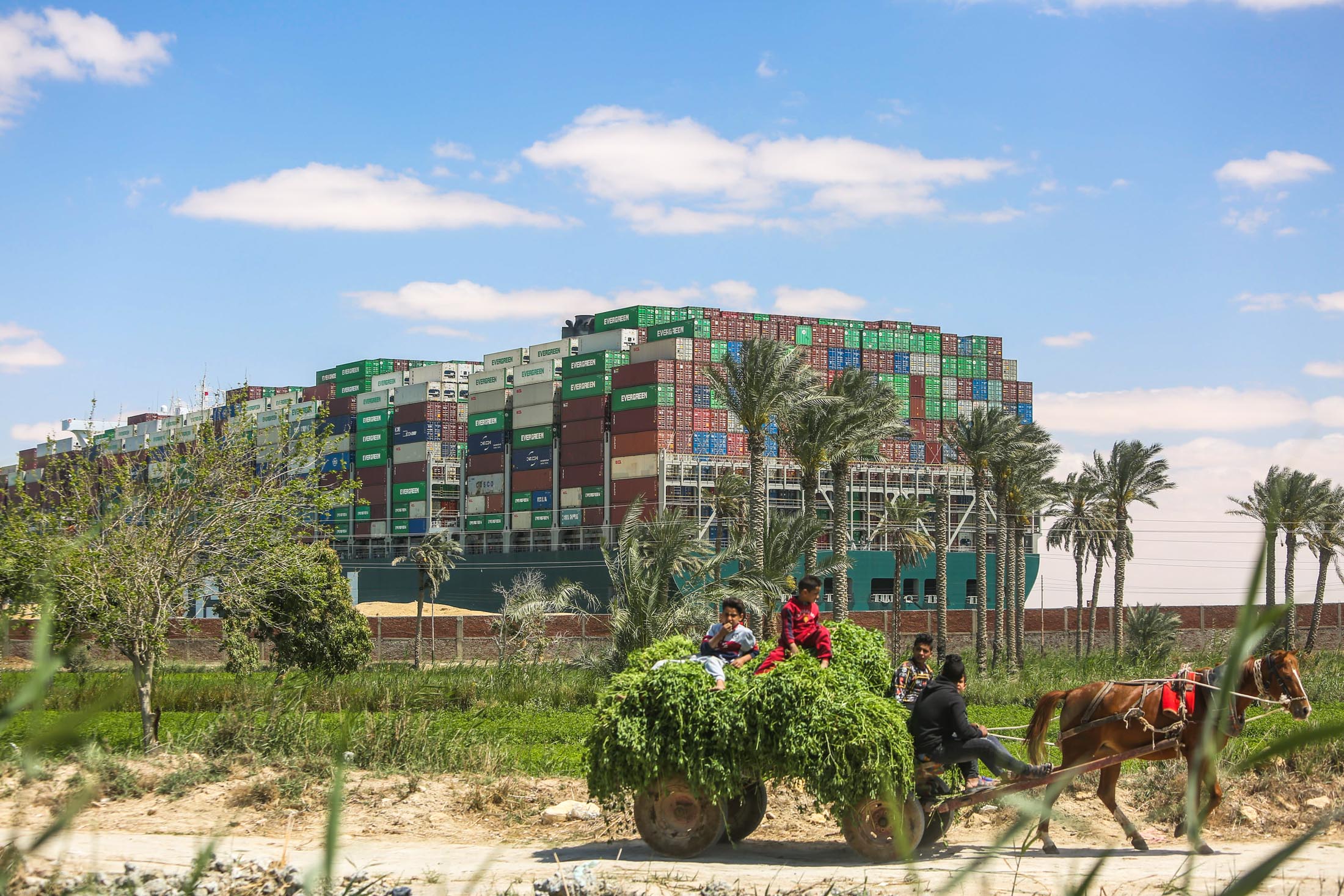
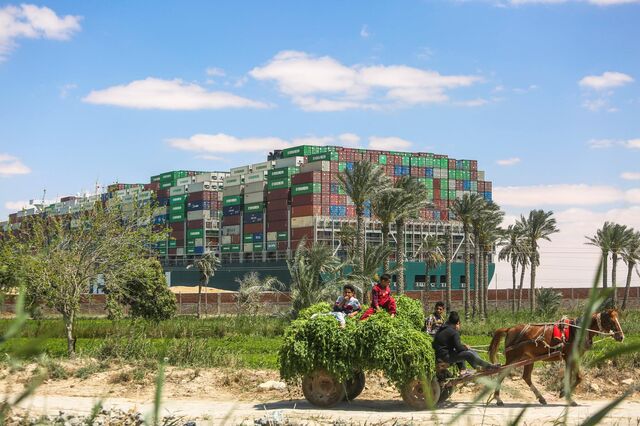
As it turns out, symbols of supply strains like the Ever Given’s blockage of the Suez Canal were about the only things in surplus in 2021.
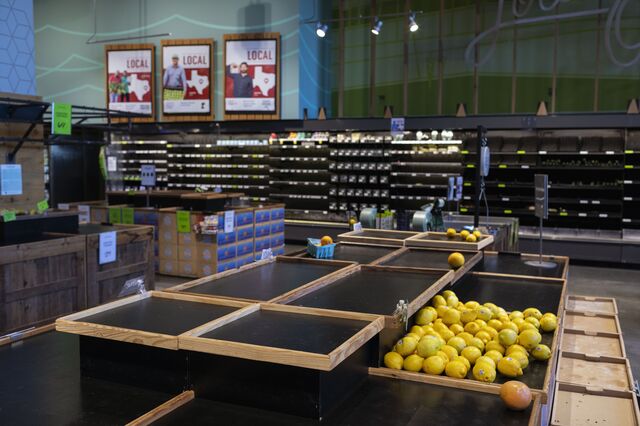
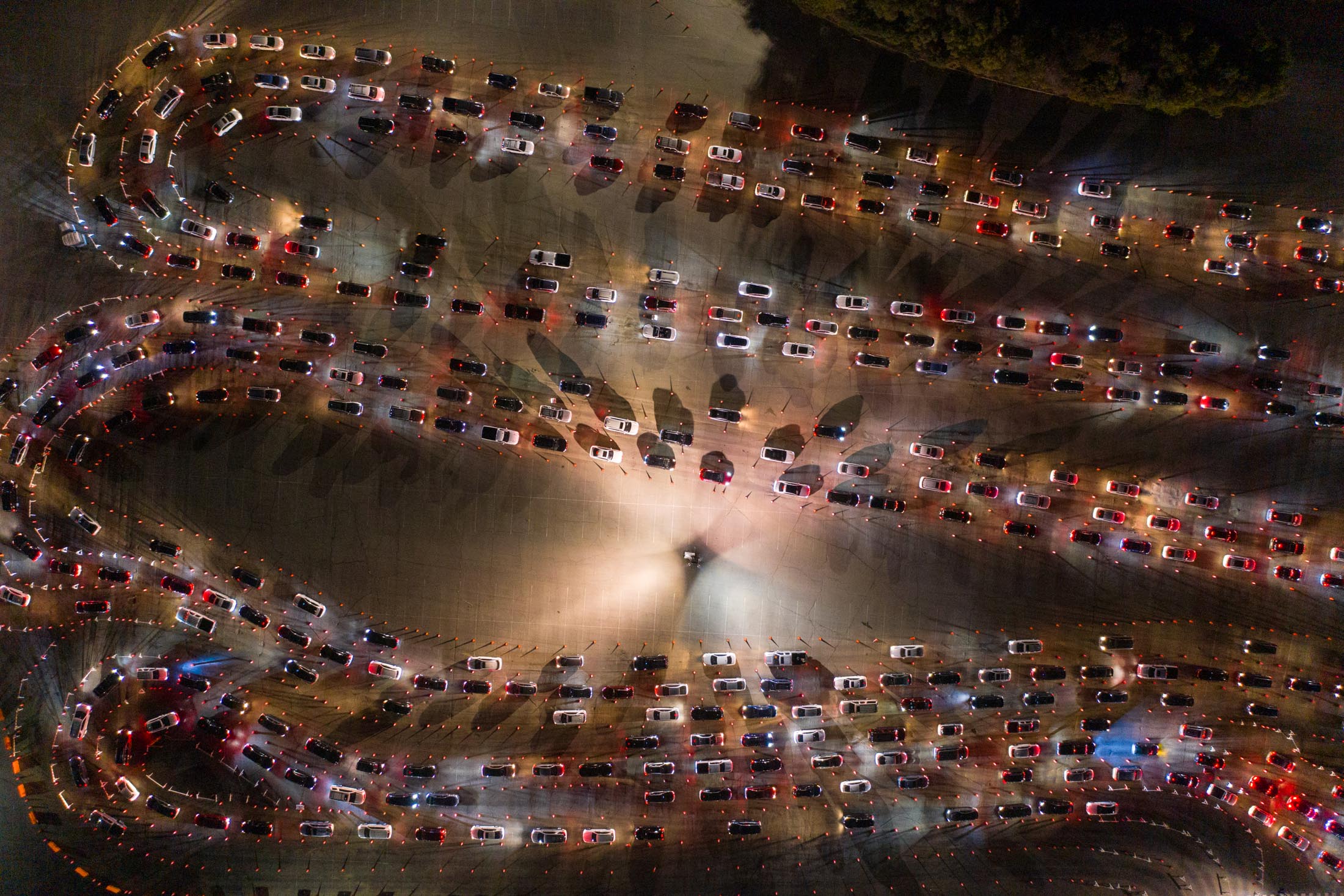
The ships off the California coast have become an enduring image of the pandemic-battered world economy because of the striking imbalance it highlights—one where American consumers propped up with fiscal stimulus, plentiful vaccines and a fast-healing labor market kept consuming while the arteries of trade seized up all around them.
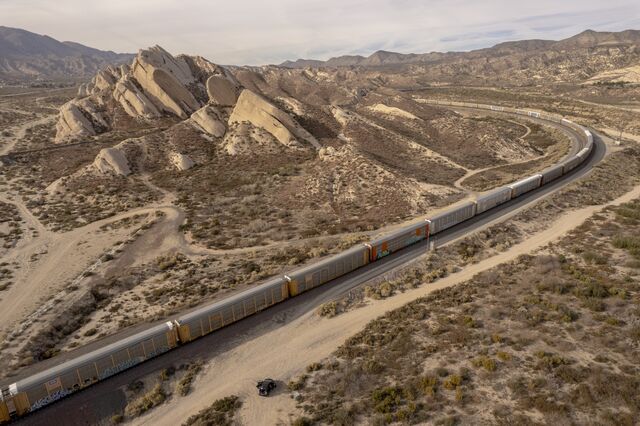
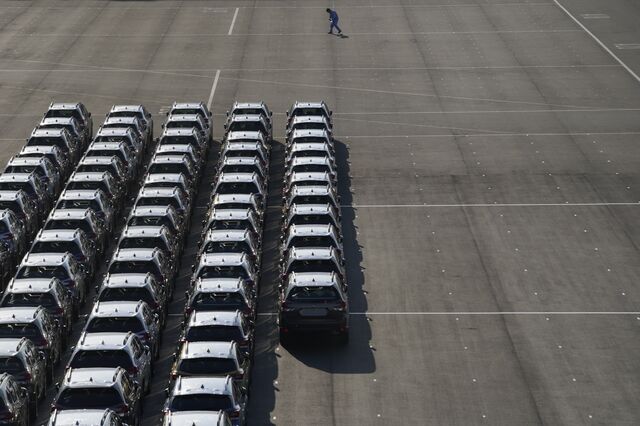
Few places on the planet have been spared the bottlenecks because it’s still ships, trains, trucks and planes that rely on healthy humans keeping tight schedules to operate smoothly.
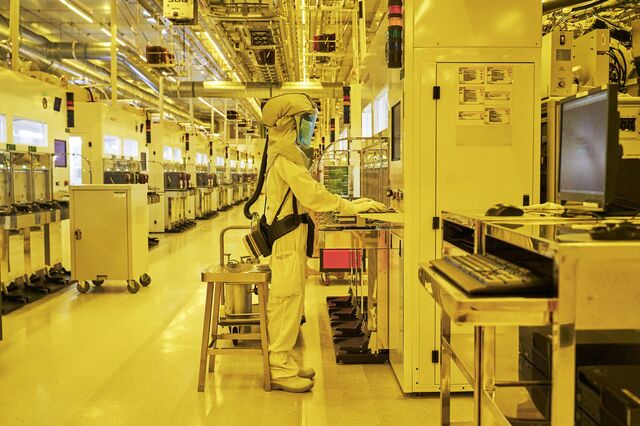
In Britain, fuel ran low because there weren’t enough delivery drivers after Brexit. It's since been beer and potato chips, thanks to the additional headaches created by leaving the European Union. For electronics makers and auto companies, memory-chip shortages have reminded the world how many of life’s gadgets run on little silicon wafers made mostly in Taiwan and South Korea.
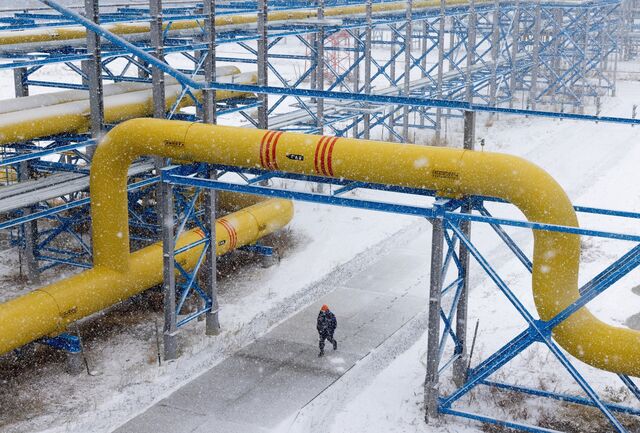
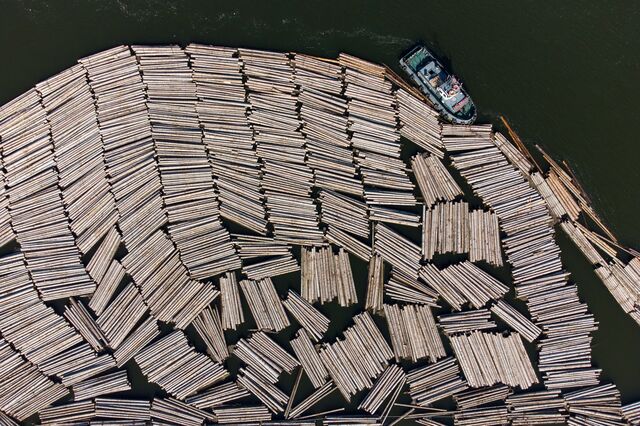
Companies from the U.K. and Germany to Egypt and Peru are struggling to secure raw materials and warning of an extended period of higher prices. Saddled with soaring energy bills, consumers almost everywhere are feeling the sting as the cost of living rises.
It took several quarters for supply chains to get this knotted, and they won’t mend themselves quickly either. From Los Angeles to Rotterdam, logistics experts have warned recently that the congestion may not abate until 2023. As Lars Jensen, chief executive of the Vespucci Maritime consultancy in Copenhagen, put it: “There’s no easy quick fix for this situation.”
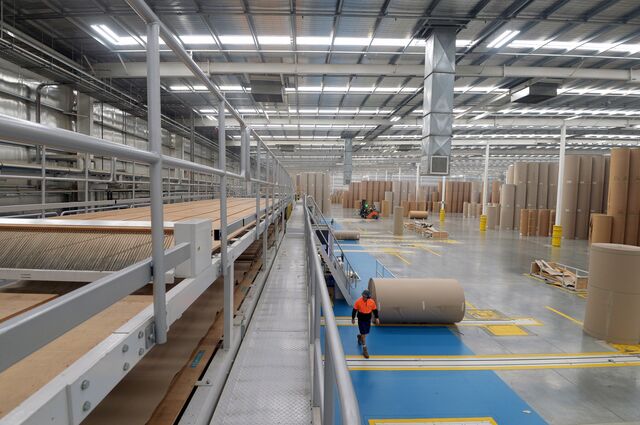
For companies, it means a serious re-examination of far-flung supply chains and, in the shorter term, building room for redundancy such as extra storage space—steps that add costs and risk on top of the pandemic.
One example is Colgate Mattress in Atlanta. The family business has struggled for months to get hold of enough polyurethane foam for its baby beds. And most suppliers come from within 250 miles. Industries that need chemicals and plastics were also pummeled by yet another act of God early in 2021: winter storms in Texas.
Colgate’s chief operating officer, Dennis Wolkin, said he’s facing “hyperinflation of foam and some other raw materials like we’ve never seen before.” His records go back to the 1970s.