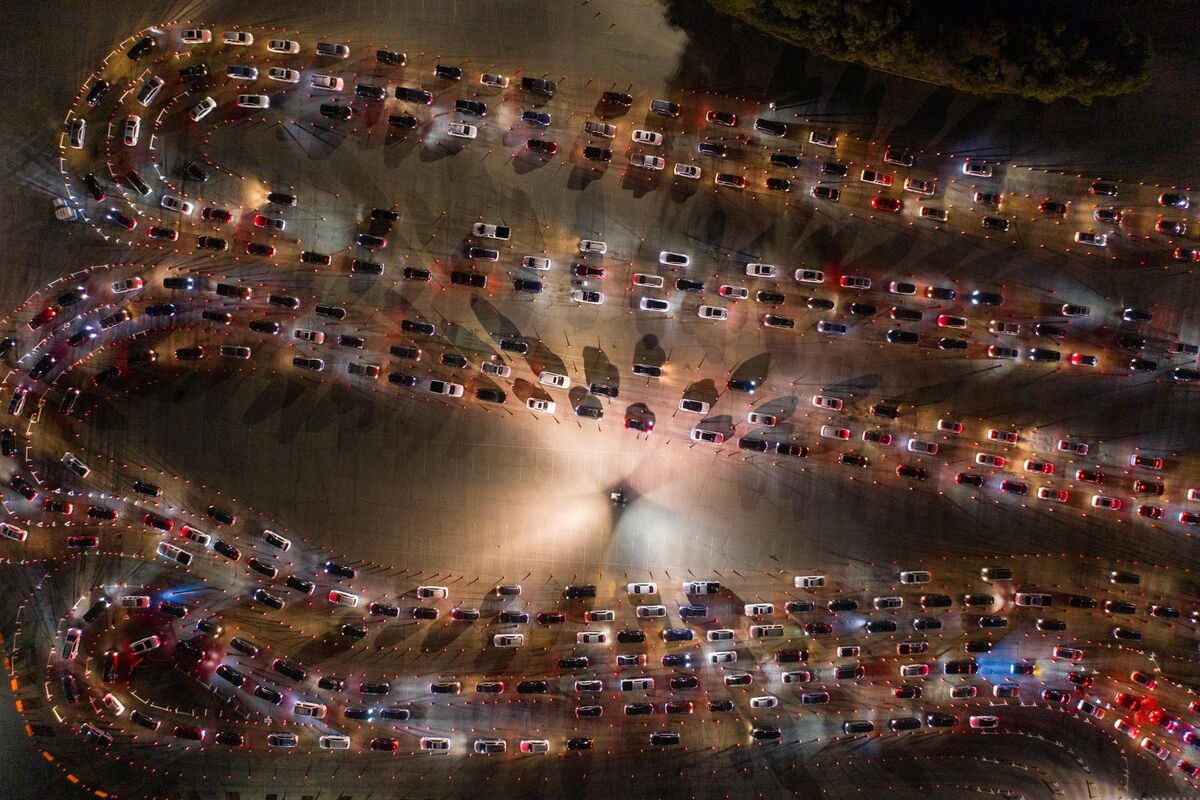

2021 in Review How a Year Full of Vaccine Promise Turned Into Another Covid Nightmare
We look back at our defining events of the year and the photos that captured them.
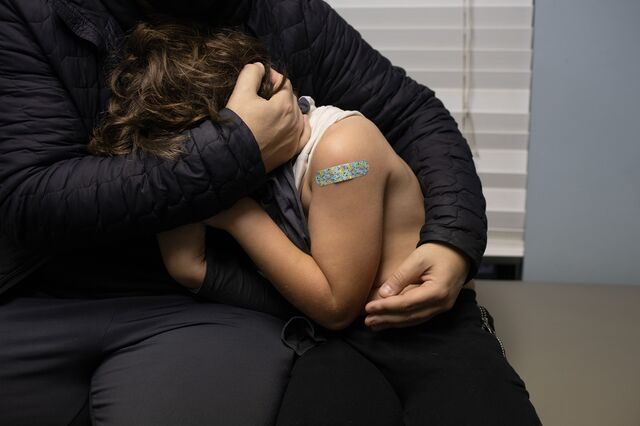
The year started on such a high note. After a heroic push by scientists and drugmakers, vaccines against the coronavirus were swiftly being administered everywhere from New York to Shanghai as 2021 began.
With the messenger RNA shots in particular proving most effective, the mood across the world was buoyant. Everyone would get inoculated, human interaction would be safe again and Covid-19 would melt away into history, went the optimistic thinking.
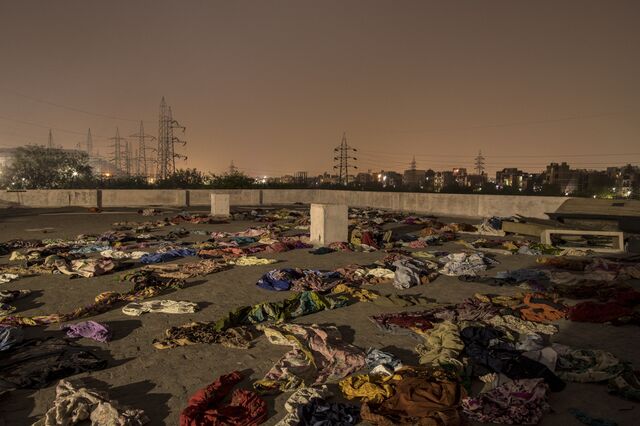
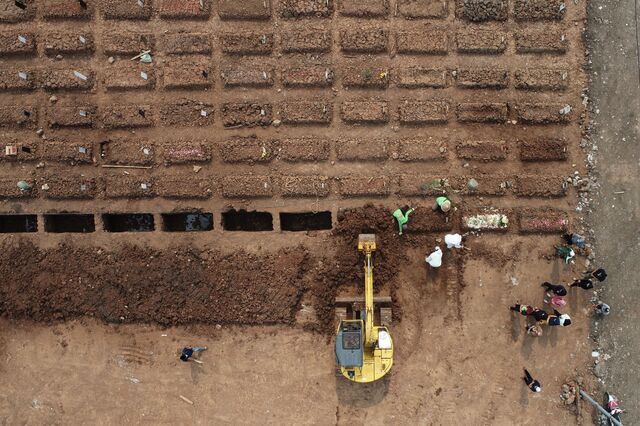
It hasn’t worked out that way, of course. As effective as the vaccines continue to be, the virus has been equally—if not more—formidable. Five strains have been declared variants of concern by the World Health Organization since late 2020. In the spring, the worst of them would be sweeping across India with ferocity, producing scenes of devastation not seen since the novel coronavirus first emerged in Wuhan.
Read more from Bloomberg’s year in climate, economic recovery, crypto, politics and supply shortages.
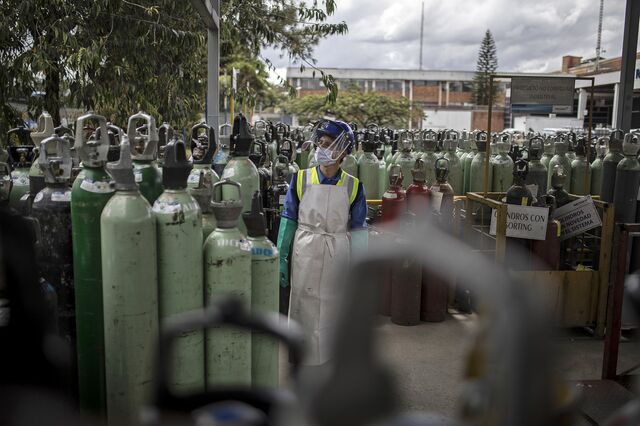
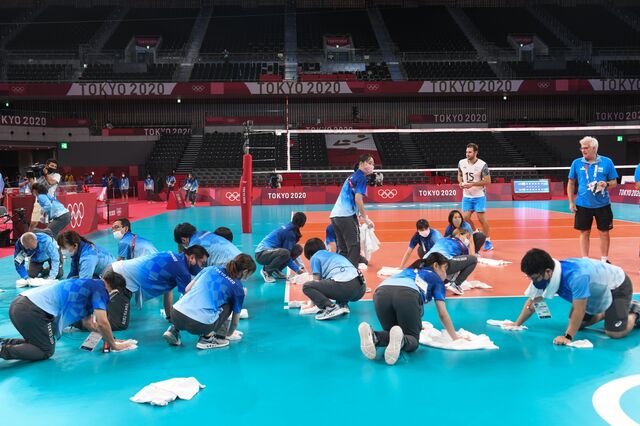
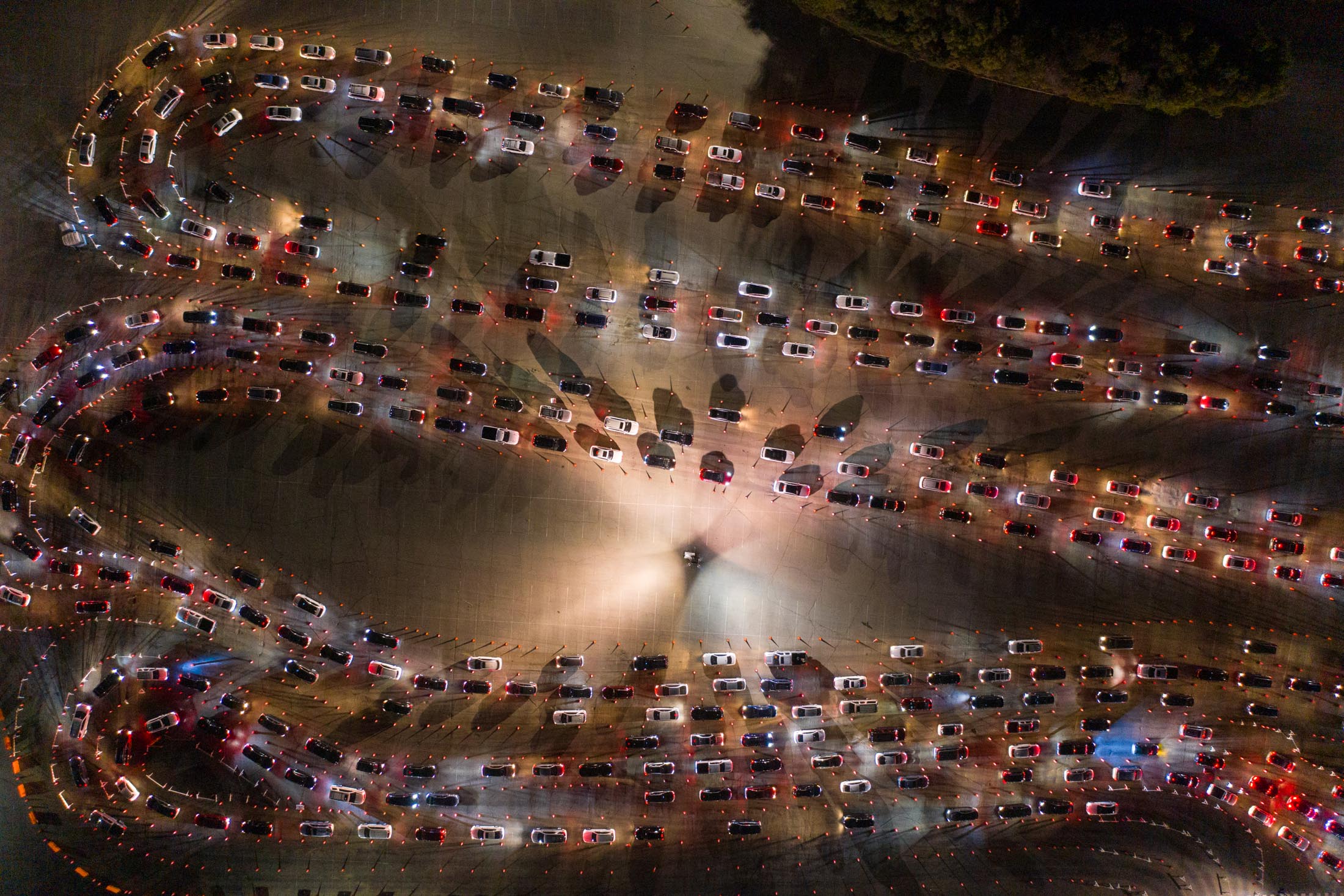
The delta variant, which is more than twice as contagious as the original Covid-19, then raced through the rest of the world at a pace vaccination could not keep up with. The unvaccinated—whether by choice in rich countries or resignedly so in vast swathes of the developing world—were hit hard, straining hospital systems from Jakarta to Bogota, Tokyo to Kentucky.
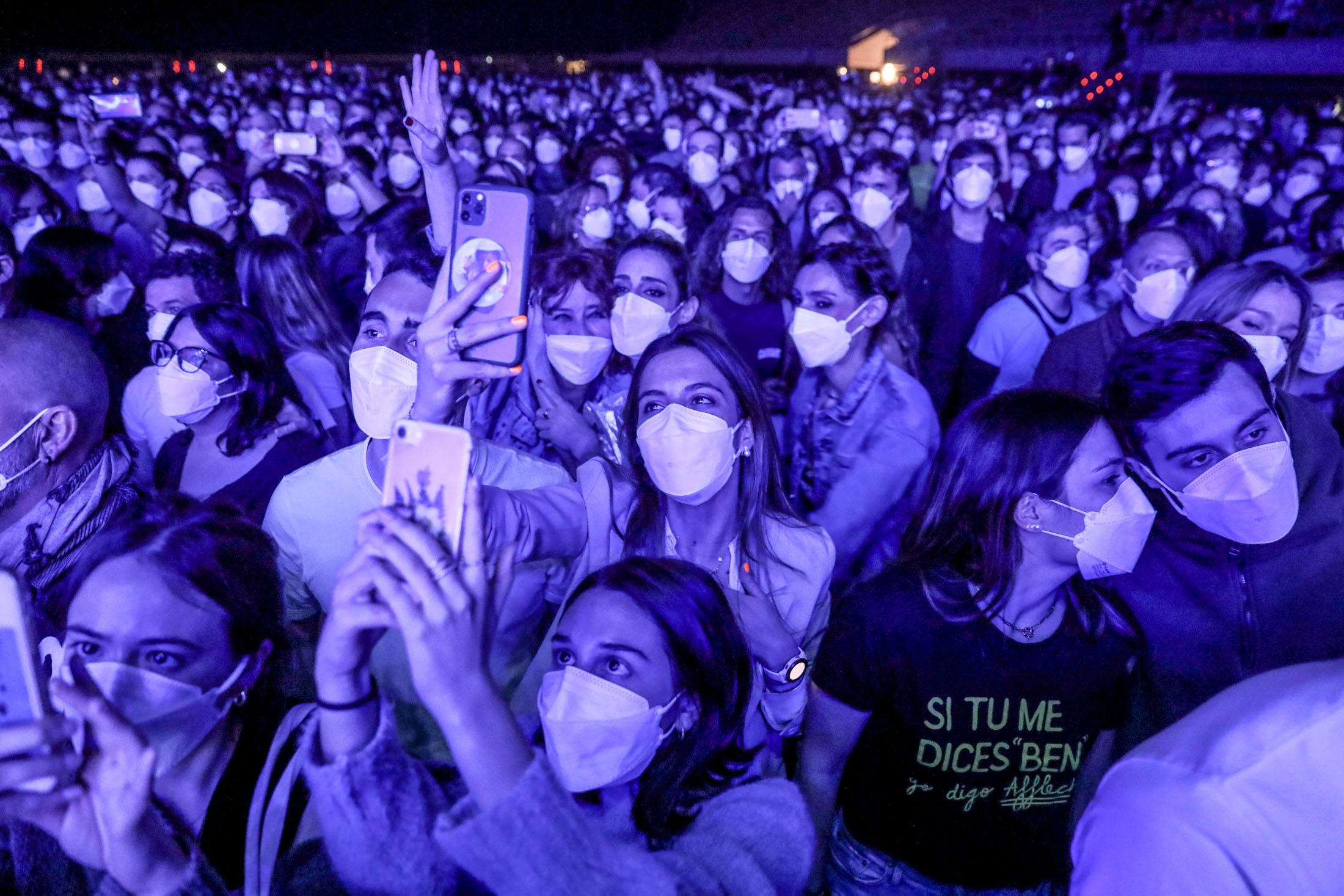
The resumption of social and economic activity in the U.S. and Europe provided fertile ground for delta as people abandoned such precautions as mask-wearing, limiting the number of people they interacted with and working from home. By late summer, the weekly death toll in the U.S. had climbed back into the five digit figures seen in 2020.
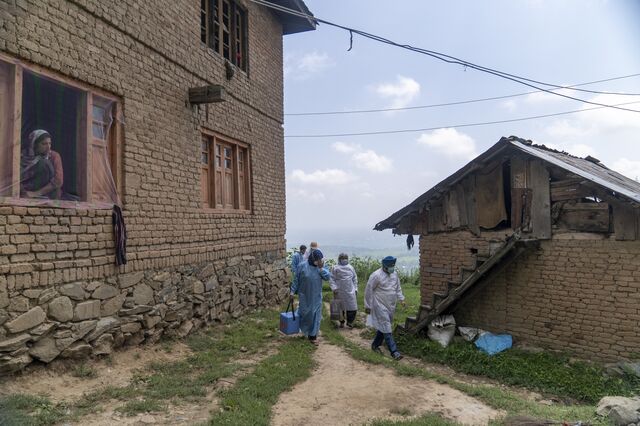
In February, shots were going into arms around the world at pace so slow that it would take seven years to vaccinate 75% of the globe. The pace of manufacturing has greatly accelerated, so it should now take just five months to cover 75% with a first shot.
But the goalposts keep shifting. With delta’s increased infectiousness, policymakers and researchers no longer believe a 75% vaccination rate will slow the virus’s spread; rates exceeding 90% may be necessary. The emergence of the omicron variant in the waning days of 2021 makes it likely that only booster shots will be sufficient to fend off severe disease if it continues to spread.
Getting people in richer places their third and fourth shots will only exacerbate the inequality that has many in poorer countries still awaiting their first.
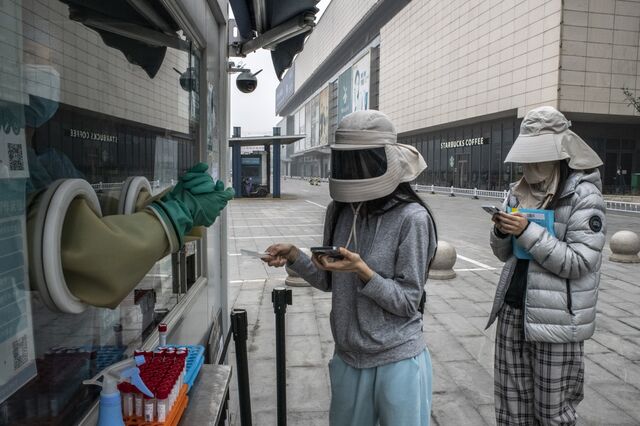
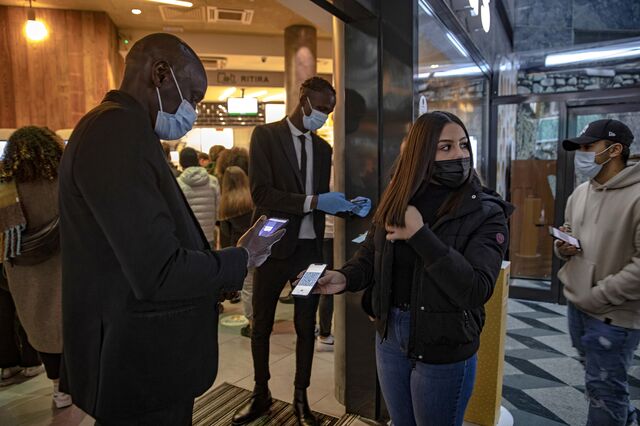
Vaccine hesitation is another foe. Persistent misinformation and poor take-up rates in such places as the U.S., Hong Kong and parts of Africa. Government mandates limiting access to domestic freedoms and travel to the inoculated have set off street protests in Europe.
Still, as 2021 draws to a close, reasons for optimism persist. After pursuing divergent strategies for two years, the world has largely come to a consensus that the virus is here to stay and that we must learn to live with it. Pfizer Inc. and Merck & Co. have both developed antiviral pills that can substantially cut the risk of hospitalization or death from infection.
The world can potentially find—with vaccines distributed more equally and lifestyles changing—a new normal. One thing is for sure in 2022: The virus will teach us more Greek letters.