Businessweek | The Big Take
Andy Jassy Is Rewriting Amazon’s Playbook for the AI Age
Thirteen miles north of Jackson, Mississippi, past the self-storage facilities, a Nissan factory and a Coca-Cola bottling plant, five enormous rectangular buildings rise from the state’s mineral-rich red clay. A few years ago, this was rolling pine forest, earmarked for development by the local planning authority. Now it’s part of a $25 billion cluster of state-of-the-art data centers. The company behind this mammoth undertaking once popularized the act of buying stuff online and later the corporate custom of running computer applications in the cloud: Amazon.com Inc.
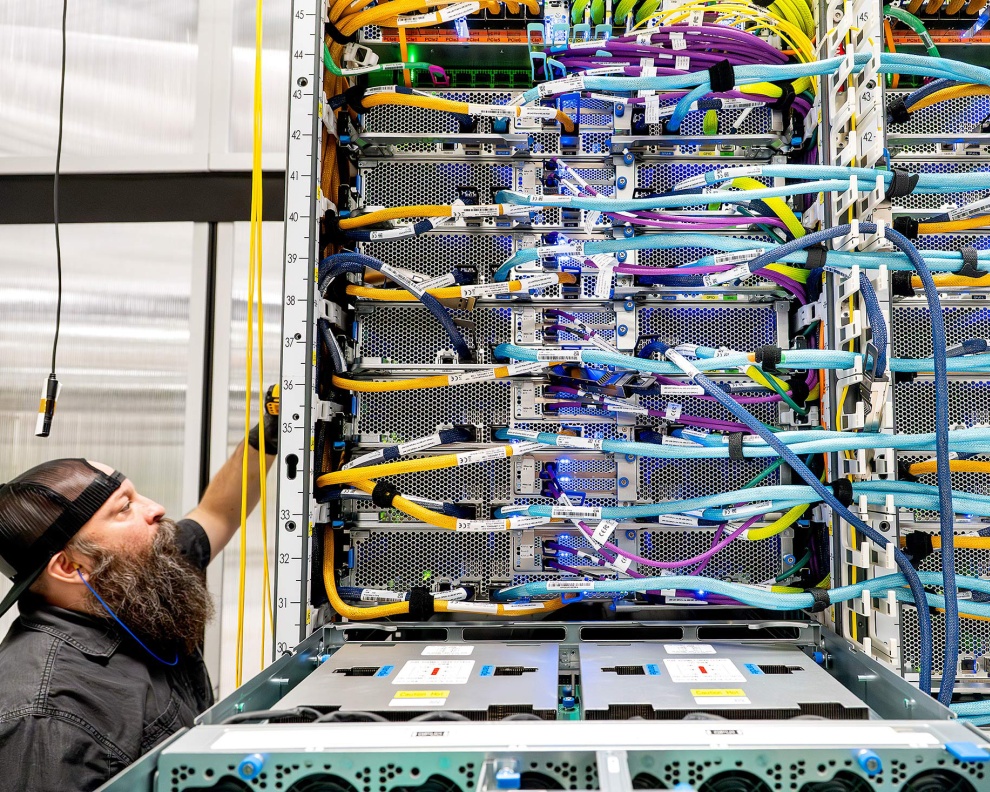
On a tour of the site in March, Rich LeBron, a former US Navy captain who now runs Amazon’s campaign to stand up a fleet of data centers in the state, gestures past the wire fence that cordons off a bustling construction zone. “That wasn’t there last week,” he chuckles, pointing at one of a dozen new steel structures planned for the site, each of which costs roughly $1 billion. Inside one of them, on the other side of steel fire doors that remind employees to leave behind their cellphones and smartwatches, is the reason for that massive expense. There are hundreds of black cabinets, each more than 7 feet high, filled with pizza-box-size trays of AI accelerators, memory chips and batteries, all connected by color-coded power and networking cables and cooled by industrial fans that expel the heat generated by quintillions of math calculations each hour. The data center was constructed for Anthropic PBC, maker of Claude, the popular chatbot.
About 3,000 construction workers toil here, and they’re generally in awe of the project. They’re a bit fuzzier on the exact name of the guy who commissioned and financed it, though. On the tour, a guide refers to him as Andy Jazzy.
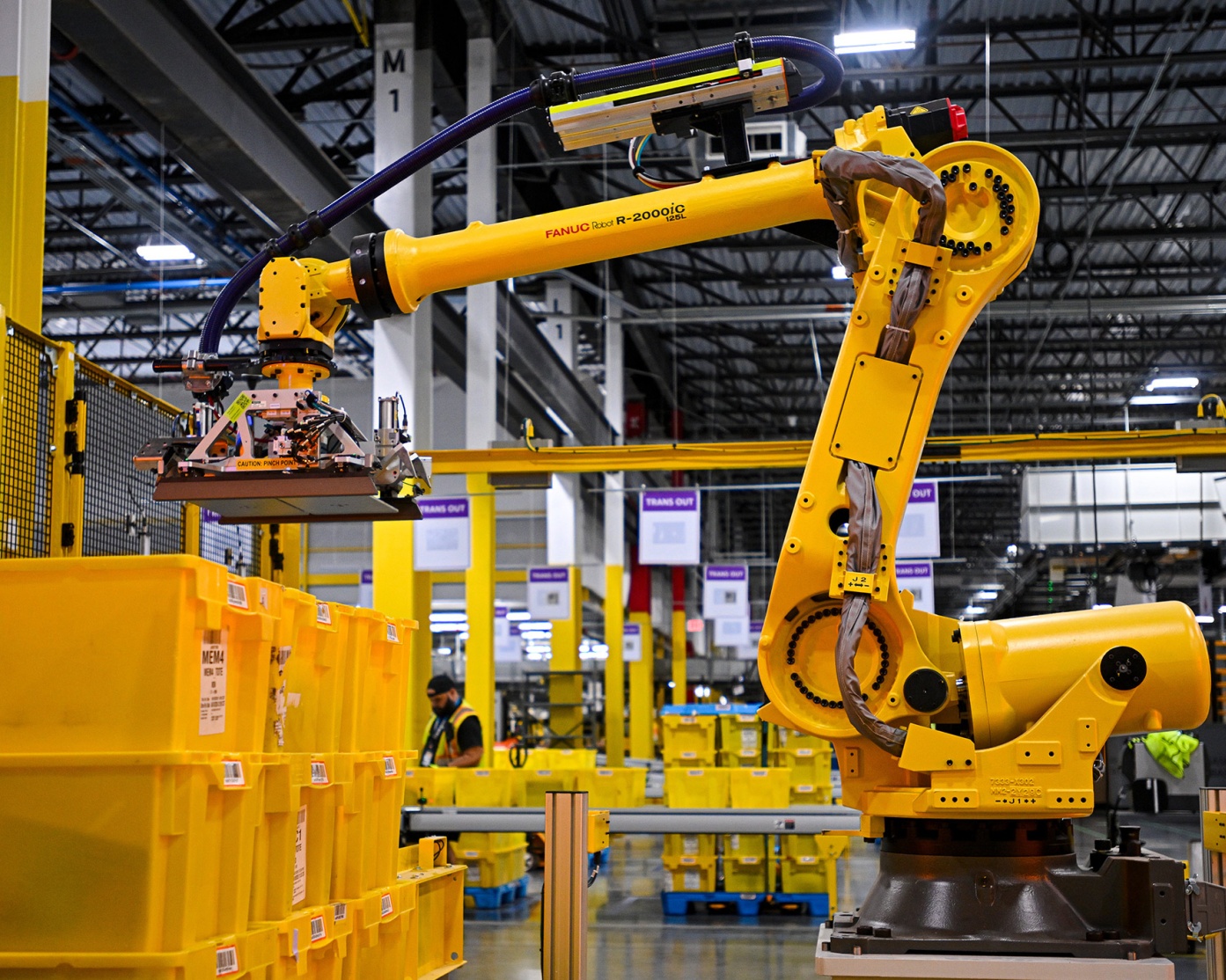
This July will mark five years since Andy Jassy took over the chief executive officer role from Amazon’s founder. At the corporate offices in Seattle, the workforce has grown accustomed to his brand of rigorous oversight and ongoing exhortations to act as if they were at Jeff Bezos’ startup, not a $2.9 trillion behemoth. He recently placed a series of staggeringly expensive bets on artificial intelligence, audacious even by the standards of Silicon Valley’s ongoing trillion-dollar AI bacchanalia. In February he agreed to invest as much as $50 billion in OpenAI in a deal that commits the rising startup to relying in part on Amazon’s data centers and custom-designed microchips. Then in April he expanded a similar partnership with its archrival, Anthropic—a $13 billion investment, with an option for an additional $20 billion. To Jassy’s critics, that spending was the price of Amazon’s late jump into the current AI wave. He wasn’t bluffing, though: Jassy spooked investors by vowing to spend $200 billion this year on big-ticket items including warehouse robots, a far-out effort to launch satellites into space, and in particular more AI data centers, AI chips and networking equipment. “I don’t think the world has ever seen a technology get this much adoption and grow this quickly, at least in my lifetime,” Jassy tells Bloomberg Businessweek.
“You can choose to howl at the wind, but AI is not going away”
Jassy runs the fifth-largest company in the world by market value. He takes pains, earnestly and often awkwardly, to project an everyman image, in part by constantly advertising his lifelong passion for music and sports. In the anteroom to the executive suite in Amazon’s “Day One” headquarters on a rainy morning in April, the Who’s Tommy plays on a turntable. On the wall is a display of album covers (Ramones, Pink Floyd) and baseball caps (Seattle Kraken, New York Giants).
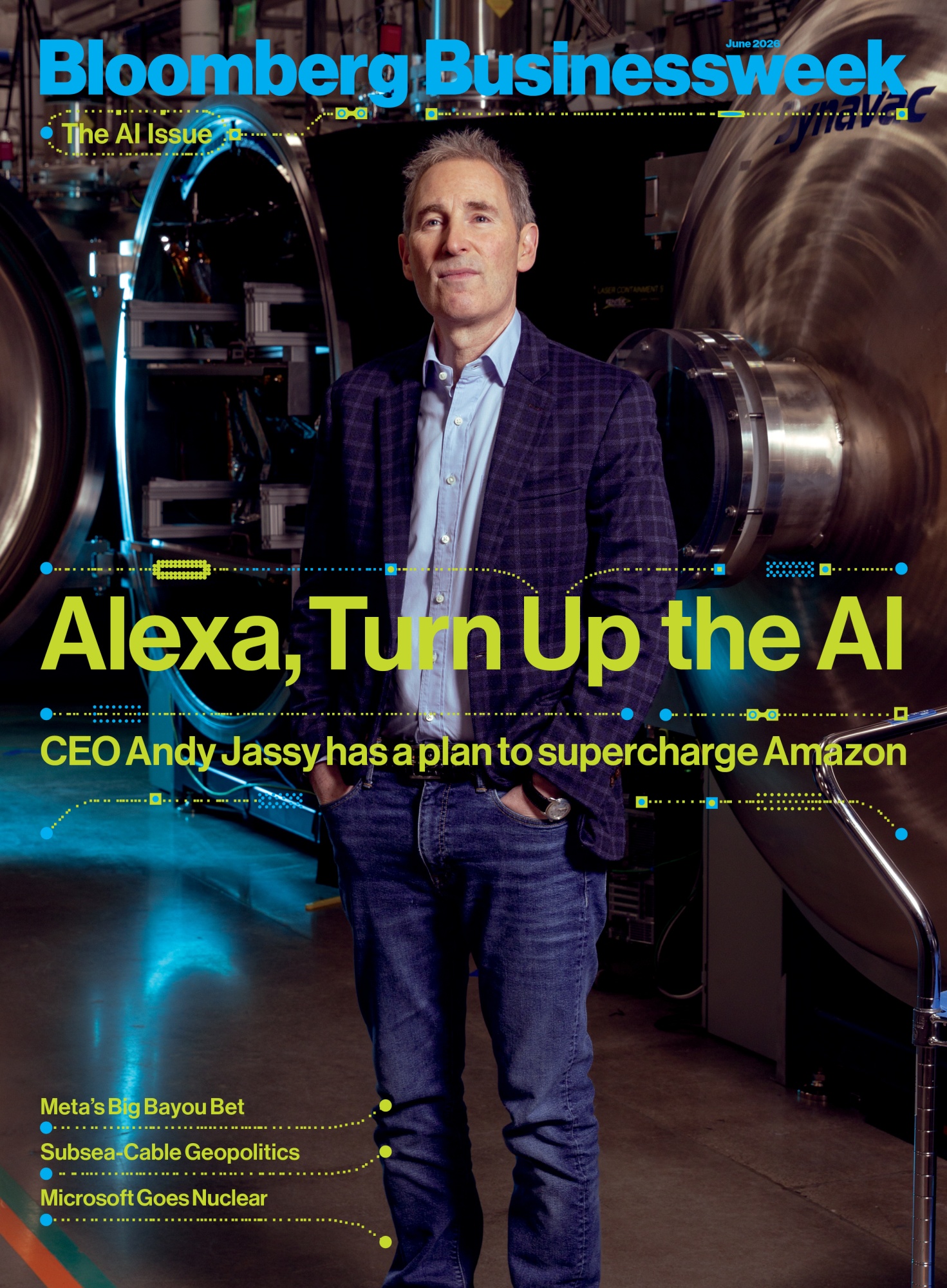
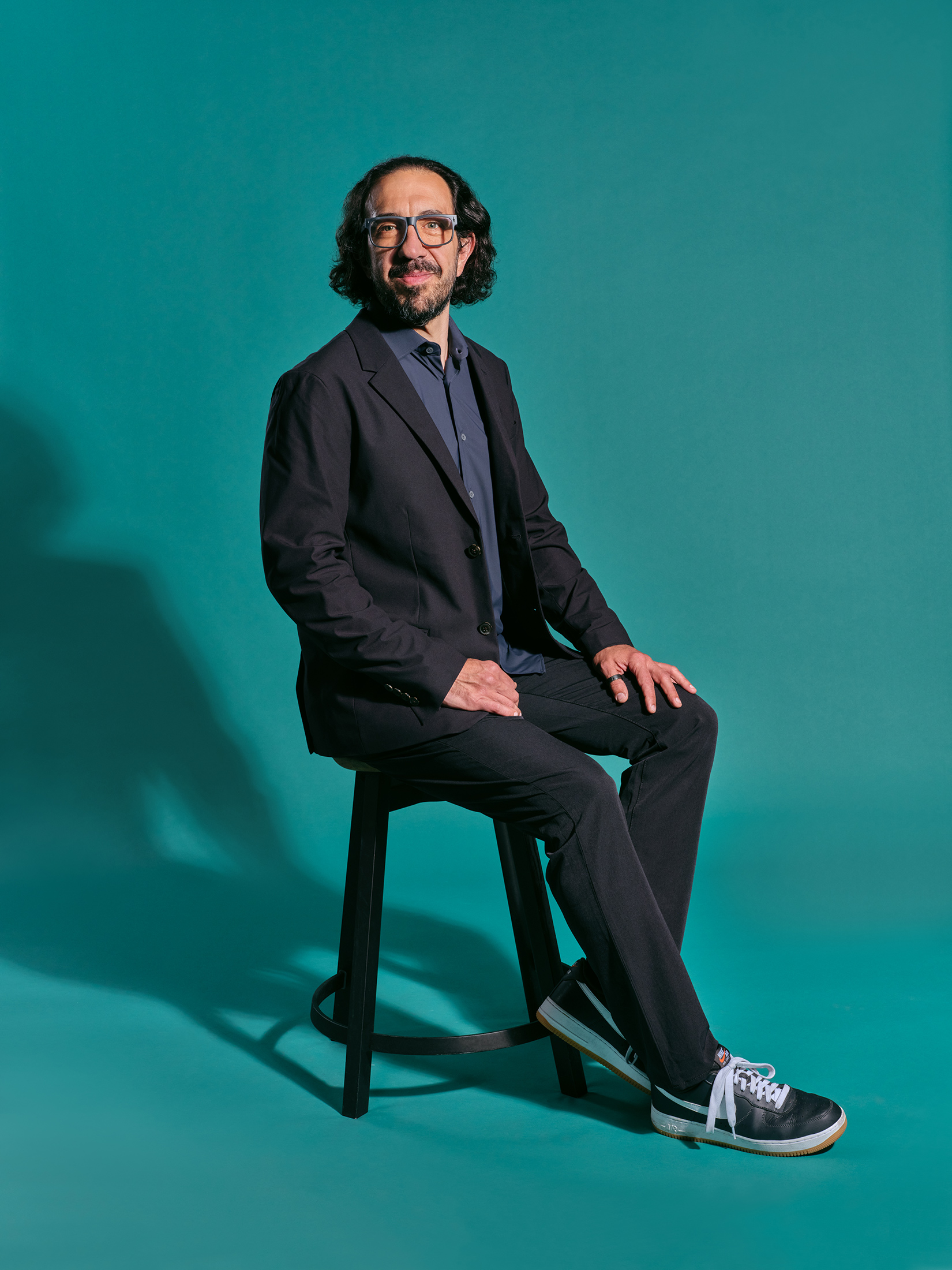
He also studiously strives to embody one of Amazon’s 16 leadership principles, frugality, as if to compensate for Bezos’ public evolution into an icon of overindulgence. Jassy drives himself to work in a ’98 Jeep Cherokee, even though he imagines the airbags might “pulverize” him if they ever deployed. His favorite beer is Manny’s, a Seattle microbrew and fixture at the city’s sports bars and dives. To his Businessweek photo shoot, he wears what he calls his “eight-minute blazer,” which he once bought in a hurry for a customer meeting. “He’s customer obsessed, product obsessed and, frankly, Amazon obsessed,” says his Harvard classmate Gina Raimondo, the former US secretary of Commerce. “It’s really the only place he’s ever worked.”
The company is much different from the online bookseller Jassy joined in 1997. Amazon today is a corporate turducken: an advertising business and logistics company stuffed inside an e-commerce marketplace, trussed to a cloud computing powerhouse, and garnished with Alexa, Whole Foods Market and Prime Video. The behemoth infuriates critics, who lambaste its rough treatment of drivers and warehouse workers and its willingness to bully rivals. On the other hand, ordering from Amazon and seeing a cardboard box sitting on your doorstep the next day is one of the few reliable luxuries of modern life, made possible only because of the company’s ruthless ability to root out inefficiencies, adopt cutting-edge robotics and hide all the messiness from our delicate eyes.
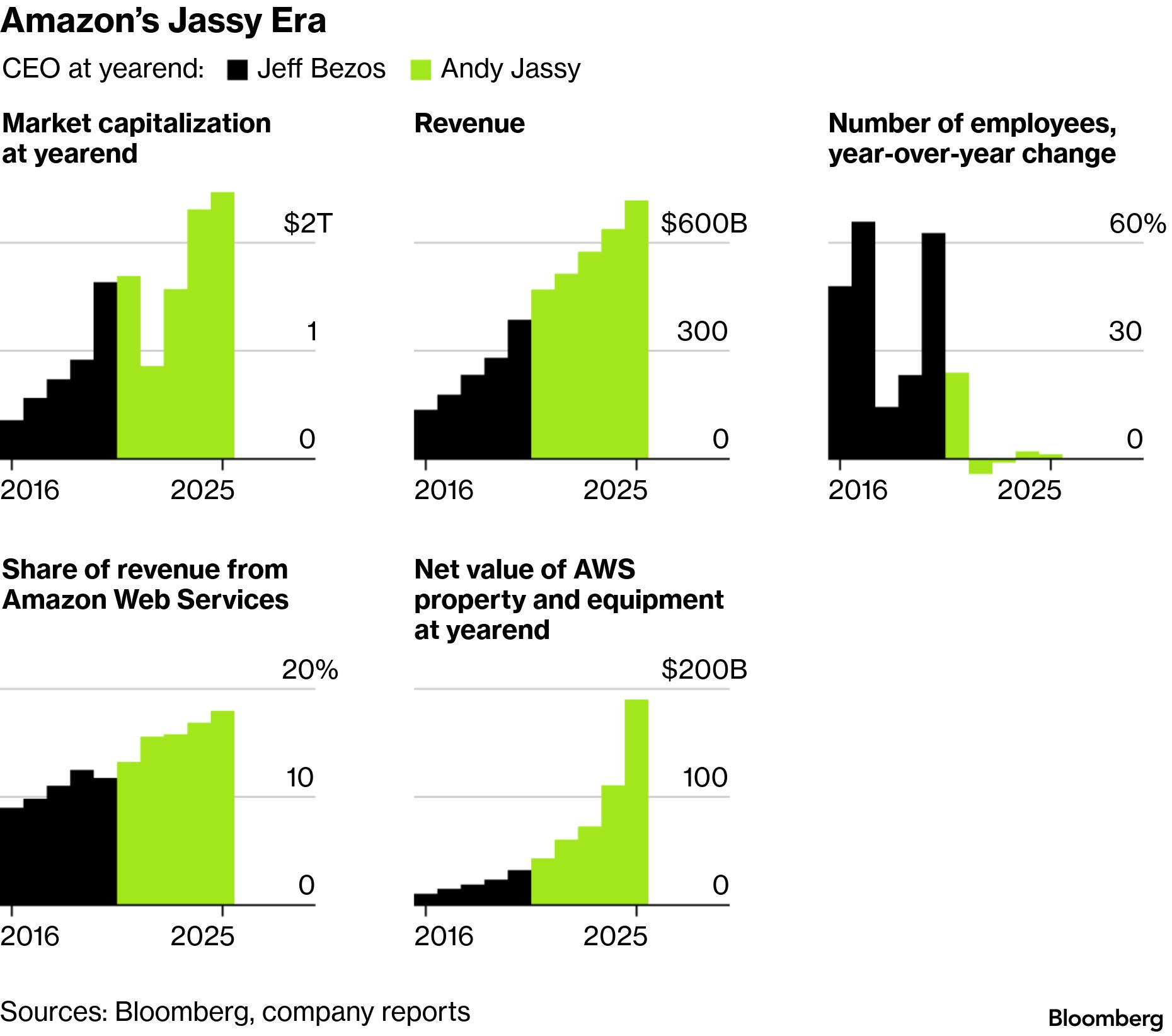
Jassy took over in mid-2021 and had to correct course from some of the excesses of the late-Bezos era, including a spurt of overhiring to meet pandemic demand. He laid off roughly 60,000 corporate personnel, forced employees back to the office and shuttered dozens of projects, such as the cashierless Go stores, Amazon Fresh supermarkets and a telehealth service. Employees grumbled, but his personal style contrasted favorably with his former boss’s. He was ever-present, probing but never argumentative. (Jassy for years has urged colleagues to not be afraid to ask dumb questions.) He also has the agreeable habit of thanking everyone at the beginning and end of meetings and sending holiday cards to his senior execs. Friends vow that it’s all authentic and not at all humility theater for a leery public that’s become profoundly skeptical of technology overlords.
Amazon’s Jassy Era
Sources: Bloomberg, company reports
Then came the age of generative AI, inaugurated by OpenAI’s ChatGPT in late 2022, which posed perhaps the first existential challenge to Jassy’s own baby and Amazon’s profit engine, Amazon Web Services. With AWS, Amazon invented cloud computing and went on to build a client list that included the biggest names in corporate America. It remains the market leader, though Microsoft Corp. and Alphabet Inc. have collectively booked $600 billion more in future business than Amazon since ChatGPT came on the scene. Would companies and governments move their data off Amazon’s servers to access the newest large language models? Would shoppers, for that matter, start browsing and buying with knowledgeable chatbots such as ChatGPT and Google’s Gemini, instead of enduring the ad-riddled search results on Amazon.com?
The answers to those questions, and how Jassy navigates the AI era, will matter more than anything else in determining whether Amazon continues to thrive in its fourth decade and how posterity comes to view Bezos’ successor. Some of Jassy’s moves have seemed contrarian. While the world swooned over ChatGPT, Amazon executives told anyone who would listen that the market would be bigger than any one chatbot. Jassy cozied up to Anthropic, getting Amazon corporate customers access to Claude and buying time for Amazon to develop its own alternative. He decided that Amazon should be, of all the crazy things, the Amazon of AI, then assured investors, employees and the public that resisting the coming changes wrought by AI would be futile. “I can understand how, when there’s the potential for this much change, it can make some people nervous. I just happen to think it’s going to make so many things better,” he says. “You can choose to howl at the wind, but AI is not going away.”
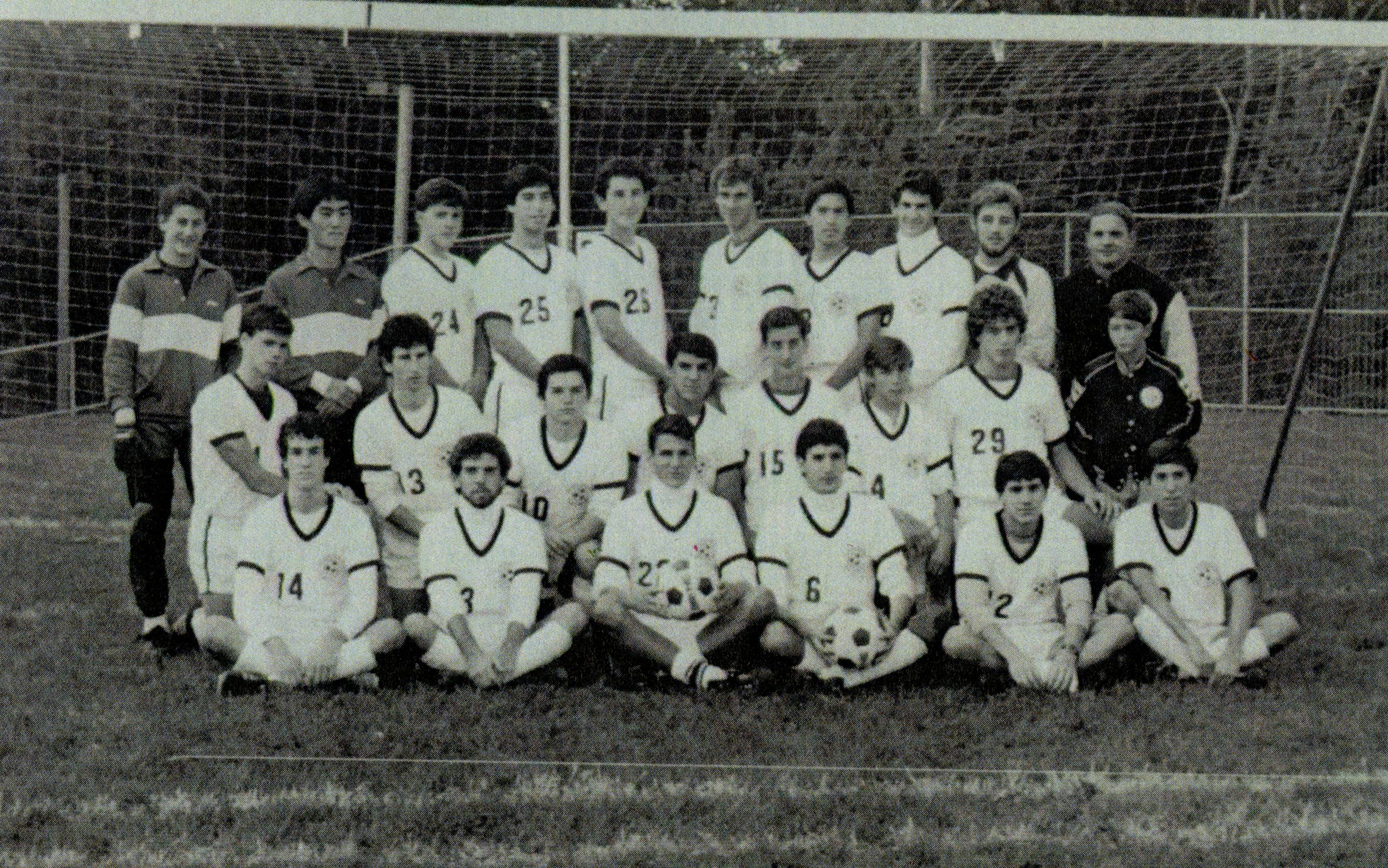
Jassy never intended to spend his life in the Pacific Northwest. He grew up outside New York City, in a well-off household with doting parents. During business school, he agreed with his Los Angeles-raised girlfriend and now wife, Elana (via contract, scribbled on a bar napkin, of course), to spend a few years out West before returning to New York. Jassy applied for jobs over the summer and enjoys telling the story of how he ended up interviewing at Walt Disney Co. Asked to name an incredibly successful product, without picking Nike or other obvious choices, Jassy blurted out Beavis and Butt-Head, touting the cartoon’s creative merchandising.
Jassy didn’t get the job—telling the story is perhaps more humility theater. But to fulfill the contract with Elana, he worked for a digital stock photography company one summer in Seattle and loved the city. Approaching graduation, he applied to a few other West Coast companies until an online bookseller, flying high in the first dot-com boom, plucked his résumé out of a stack.
Amazon was all-hands-on-deck, with employees spending weeks over the holidays in warehouses, packaging books for customers. Colleagues remember Jassy running Amazon’s first eight-person marketing team and then its fledgling CD-selling business, parroting Bezos maxims and wearing his dress shirts rolled up at the sleeves above the elbows.
Working for Bezos back then was tough. “Why should I listen to anything else you have to say the rest of this time?” he once asked Jassy in a packed meeting, after identifying some incorrect numbers in a slide presentation. Jassy persevered and impressed the boss, who selected him as his first technical adviser, or shadow, a job that consisted of trailing the CEO to meetings and then huddling with him each week to consider various opportunities. During that time, Bezos and Jassy conceived Amazon Web Services, partly to relieve IT bottlenecks at the company by building heavily automated, self-service computing tools, and in 2006 Jassy split off to run it.
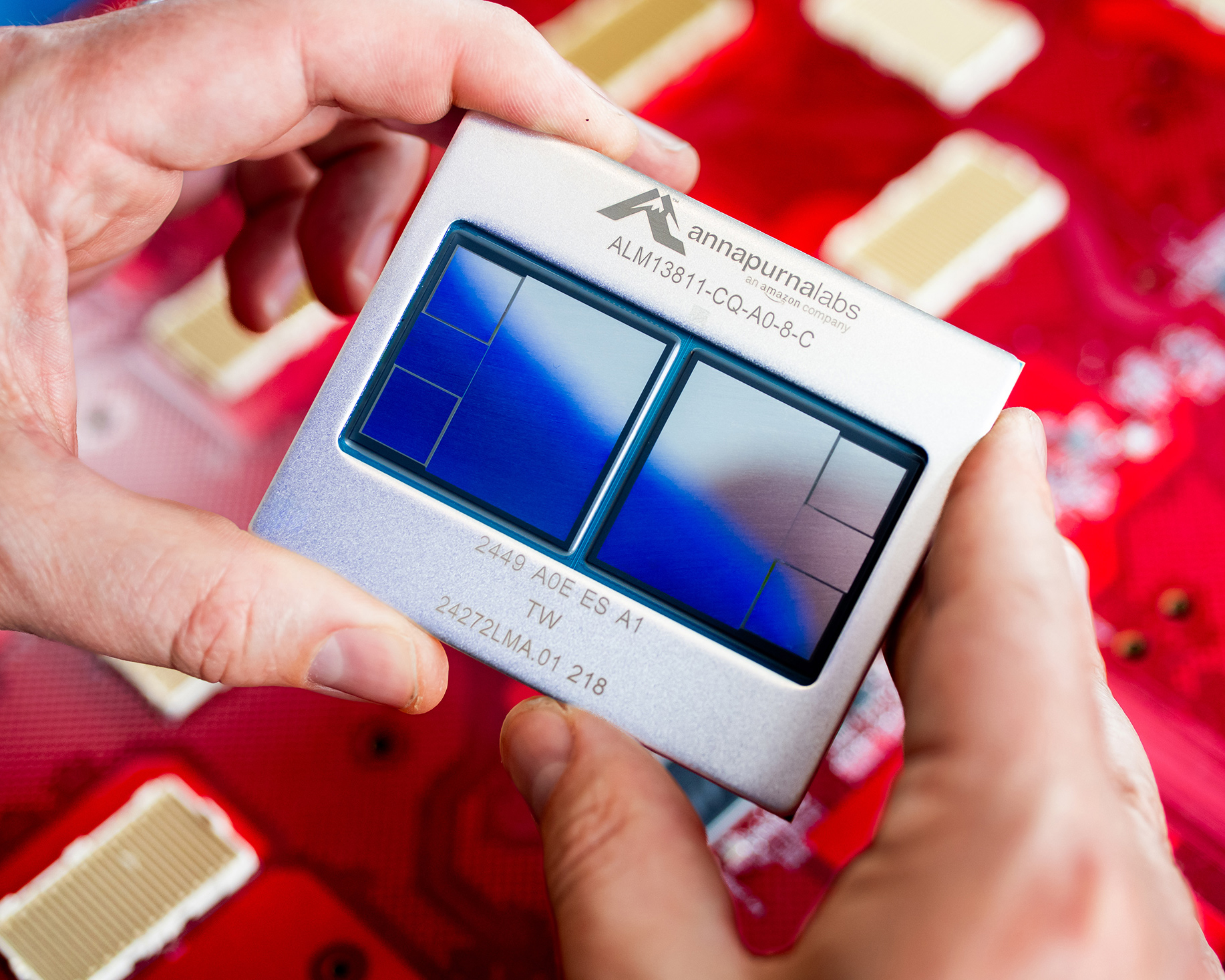
One can see why, 15 years later, Bezos came to view Jassy as his natural successor. AWS attracted waves of startups like Airbnb, Reddit and Dropbox, then larger enterprises such as Netflix, Intuit and the US government, including the CIA. In 2015, Jassy and James Hamilton, a top technical exec at the company, spearheaded the acquisition of Annapurna Labs to kick-start the process of supplanting the pricey hardware in its data centers made by Intel Corp. and other companies. By 2016, AWS was generating $12 billion in sales a year. “Jeff was pretty hands-off,” says Peter DeSantis, a Jassy deputy who now runs Amazon’s AI, chips and quantum computing group. “He audited us, he poked on us, [but] that relationship has been fairly consistent over time.”
Several Amazon board members say Jassy was the clear choice even before Bezos decided he wanted to spend more time with his boat (and other endeavors like his space company, Blue Origin LLC). “It was always obvious that Andy was the right person,” says Wendell Weeks, CEO of Corning Inc. and a board member since 2016. “You could not have a higher regard than Jeff has of Andy’s builder skills, and that is the Good Housekeeping Seal of approval.”
Jassy claims improbably that he had never thought about getting promoted and says that he took a few days to consider it. “I think there was a low chance he was going to say ‘no,’ ” says Beth Galetti, Amazon’s human resources chief. “But I also think that he was taking the time to make sure that when he said yes, he was ready to go do all the things that then meant.” The week Jassy officially became CEO in July 2021, at the Allen & Co. mogul fest in Sun Valley, Idaho, Bezos worked the room, asking attendees to congratulate Jassy and support him.
Since then, Bezos has been an active chairman of Amazon’s board of directors. He speaks last in board meetings and pitches enthusiastic ideas about emerging technologies like humanoid robots. “Amazon is my baby, and I will always be a parent,” Bezos said in a statement. “I will never, ever stop worrying about, having love for, having heart for Amazon. And I work on it every day. And one of my jobs is to make sure that Andy and his leadership team are successful.”
Bezos has also helped Amazon navigate Washington, DC, as when he took a call from the president when Amazon considered disclosing some tariff costs to shoppers. Jassy (a donor to mostly Democratic candidates and causes) says with equanimity that he, too, has relationships with the White House and that “I find that a lot of times people actually all want the same things.” Members of the board say the company puts Bezos to good use in managing a transactional and vituperative White House. “He gets access to audiences that some people don’t always get access to,” says Brad Smith, the former CEO of Intuit and an Amazon board member since 2023. “No one is confused that Andy’s the CEO and Jeff is in there as an incredible asset.”
Jassy now had an unfathomably large surface area to oversee—not only cloud services and chips but also perishable groceries, films and TV shows, consumer electronics, and all the other meats in the Amazon turducken. Although he sat on Bezos’ leadership “S-team” for years, much of the new territory felt unfamiliar. So Jassy scheduled what he called “learning sessions” and what colleagues euphemistically dubbed “inspections”—deep dives into different parts of the business, with sometimes combative results.
During his first year as CEO, Jassy walked through Amazon warehouses and transportation hubs around the country. He examined Amazon’s massive HR group and the highly automated tools it uses to manage 1.5 million employees. He came into the office a few days after Christmas one year to record 16 videos extolling, seemingly off the cuff (and wearing a close cousin to the eight-minute blazer), each of Amazon’s leadership principles. He traveled to LA to visit Amazon’s Hollywood arm and called its leaders back to headquarters to ask broad but discussion-provoking questions about how commissioning TV shows and films helped Amazon’s overall business.
The deepest dive was reserved for Amazon’s original business of e-commerce and its decades-long push to speed up delivery by building warehouses ever closer to customers and obsessing, maniacally, over the cost of operating them. Not everyone took his prodding well. Over that first year, at least a half-dozen senior execs left Amazon. Dave Clark, who oversaw the rapid expansion of Amazon’s logistics network and led the retail business, was among the most high-profile departures, after Jassy tunneled into a debate over the cost to deliver products from warehouses to customer doorsteps. “From mid-’22 onwards, I think the organization actually took [the inspections] quite well,” says Udit Madan, who sits in the logistics czar chair once held by Clark. Madan adds that Jassy’s probing led his group to reconceive Amazon’s US warehouse and transportation network as a series of separate regions, rather than a single whole, which moved products closer to customers and accelerated delivery times. “The teams had gotten quite comfortable with linear progress. [Jassy’s] questions forced us to go back and spend a few weeks thinking,” he says.
“Andy inherited a frigging mess. And it was a mess that we all were part of, including Jeff”
Jassy concedes that the friction surprised him. “All the people that I was going to manage in my new job … were peers for a long time, and I had good relationships with them,” he says. After becoming CEO, “every relationship reset. Some of them reset really quickly, some of them took a bit longer to reset, and some never reset. And the ones that don’t reset, both parties have to move on.”
Jassy also declared war on the bureaucracy of Amazon’s corporate staff, which had grown to more than 300,000. He asked teams to increase the ratio of individual contributors to managers by 15%, decreed that each manager had to oversee six people or more and introduced a “bureaucracy mailbox” to let workers complain about sclerotic processes. Many employees privately confide that this fight hasn’t yet been won (and that the mailbox just forwards to the whistleblower’s most senior boss).
Members of Amazon’s board, though, seem satisfied. “Andy inherited a frigging mess. And it was a mess that we all were part of, including Jeff,” says Jamie Gorelick, a former US deputy attorney general and an Amazon board member since 2012. “At the end of Covid, we had more capacity than we needed. We also had a myriad of potential and actual investments. Andy was meticulous in addressing both of those and got us to the point after about two years where we knew … he’d righted the ship.”
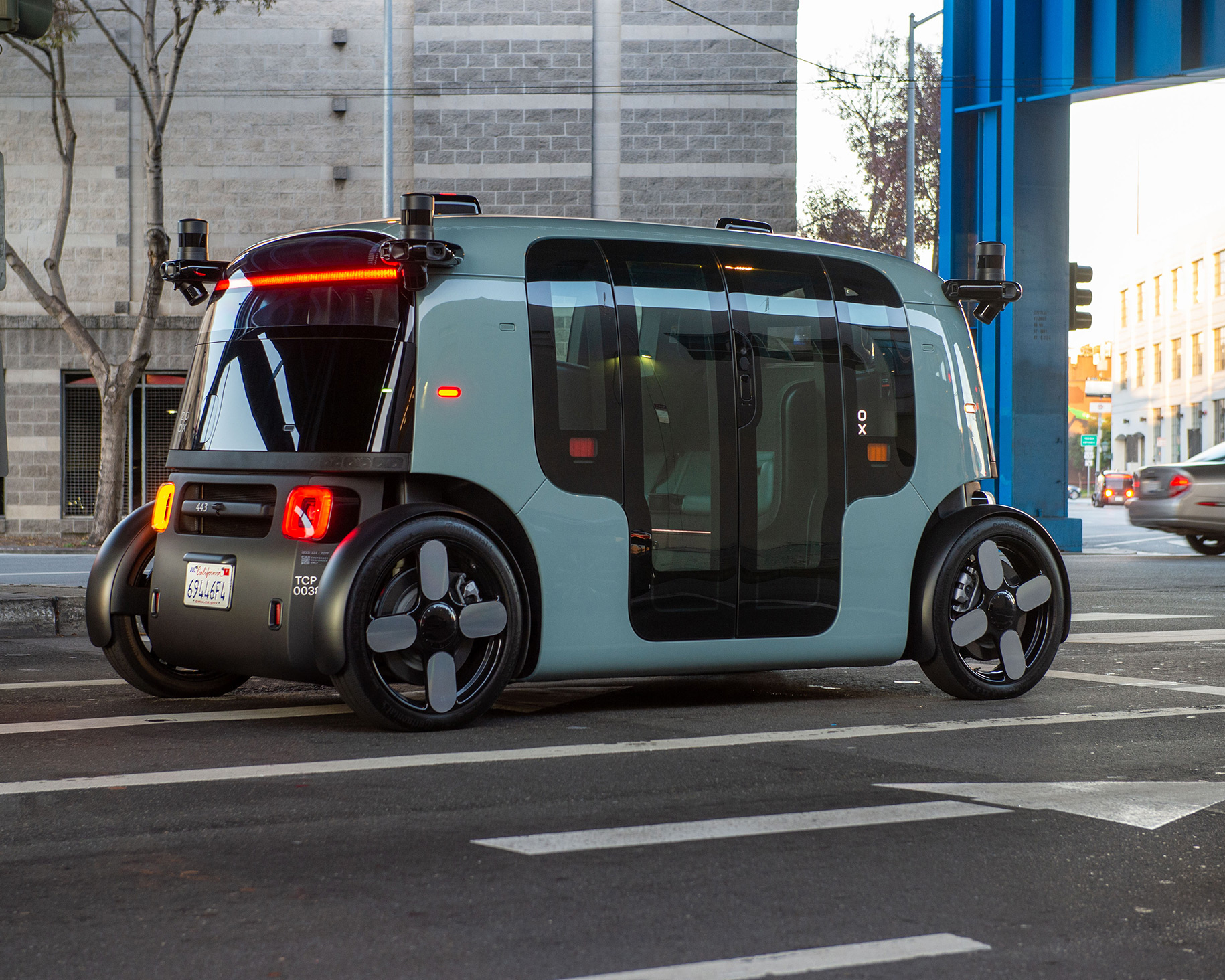
But for a company on track to become the first to hit $1 trillion in revenue, slashing bureaucracy and shutting down moonshots was not going to deliver a new wave of reliable growth. So while Jassy canceled some projects, he sprinkled investments elsewhere, like the autonomous Zoox robotaxis that offer rides to the public in San Francisco and Las Vegas, a set of healthcare initiatives branded Amazon Health Services—and Amazon’s Leo satellite effort.
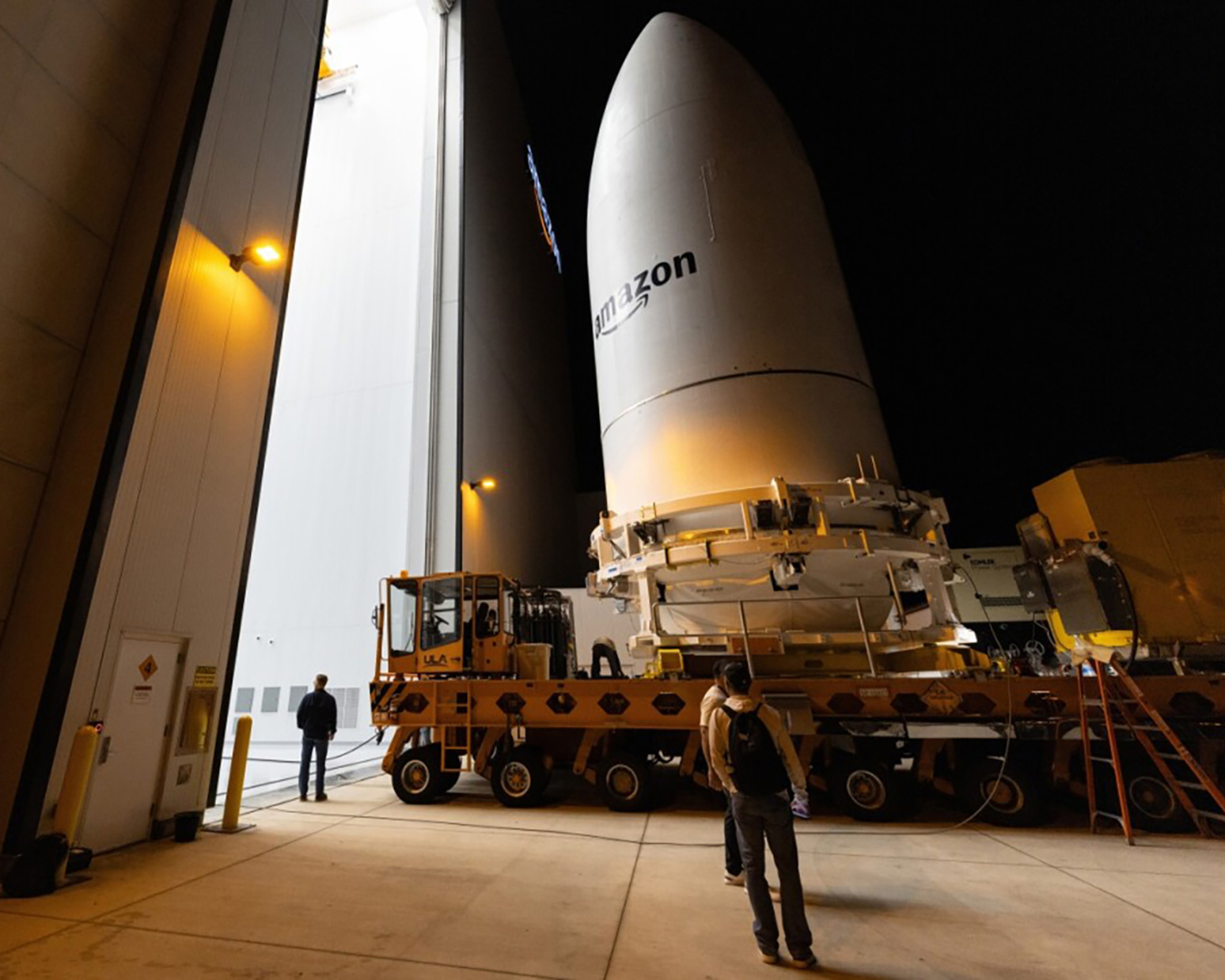
The brainchild of former Starlink engineers who left SpaceX and joined Amazon in 2018, Leo is an attempt to offer satellite internet access anywhere on Earth. It has faced delays as rocket makers, including Bezos’ Blue Origin, struggle to launch on time and deliver payloads to the right orbit. Nevertheless, in April, Jassy bolstered the project with his biggest acquisition yet: an $11.6 billion deal to buy Globalstar Inc., a satellite outfit best known for providing emergency connectivity to iPhone users.
About 300 Leo satellites are in low-Earth orbit, providing access to beta customers. Amazon’s satellite plant in Kirkland, Washington, is a testament to Jassy’s even grander ambitions. In a former video game hardware factory tucked behind a car dealership, hundreds of engineers wearing electrostatic discharge smocks and safety goggles churn out multiple satellites a day. Individual components such as flight computers, solar panels and radio arrays are shaken, baked and frozen in large testing chambers, to simulate the conditions of spaceflight. Completed satellites are turned on for testing then put to sleep, laid on a custom steel pallet with shock absorbers and shipped by truck to the Kennedy Space Center in Florida, where they’ll wait to be loaded onto a rocket to extend the inescapable influence of Amazon—and Andy Jassy—into outer space.
But Jassy’s biggest bet, by dollar value and the share of the eight or so meetings he’s in every day, is AI.
Even though Bezos was pushing machine learning tools on employees over the last 10 years of his tenure, Amazon was late to the AI frenzy. It never developed as large a fundamental research group as rivals like Google and missed obvious hints about what was coming. Anthropic, founded in early 2021, originally relied exclusively on AWS and churned through so much processing power that some inside Amazon wanted their company to invest in the San Francisco startup. Executives weren’t convinced there was a real business model and passed on Anthropic’s early funding rounds. But Google invested in early 2023 and shrewdly wove its homegrown Gemini model across its services. Microsoft, meanwhile, backed OpenAI.
After ChatGPT and Claude took off, Amazon rushed to catch up. Its first LLM-powered products were rough around the edges, and managers across Amazon told employees to dig in for a long and difficult engineering effort.
Alexa, which Jassy and colleagues disconcertingly insist on referring to as “she,” needed a total overhaul to compete with new chatbots and an inevitable flood of AI-infused devices. Jassy engaged personally in the effort, rewriting its PRFAQ, the document framed as a press release that’s crafted at the start of every project inside the company, and firing off bug reports on early versions of the software. Engineers in Boston and Seattle recall working 80 hours a week for two years to make Alexa more conversational and to surpass what they described as an internal target of 97% correct answers.
Alexa+, as the company calls it, was unveiled at a Manhattan press conference in February 2025, with Jassy’s parents sitting in the front row. Over the next year, the refurbished assistant was automatically downloaded onto tens of millions of the Echo speakers out in the world, giving them an instant brain boost. It (ugh, she?) now banters with users, sometimes gratingly, and can respond to complex commands by turning on the lights, hailing an Uber and making a restaurant reservation. Jassy asserts that users are talking to Alexa+ twice as much as they did with the original and says, “It’s still early with respect to how good Alexa is going to be over time.”
Both Alexa and an online tool called Alexa for Shopping, which helps shoppers find and compare products on Amazon, are powered in part by a homegrown suite of AI models called Nova. But they’re not widely regarded as a credible competitor to the most capable LLMs. So Jassy opened his checkbook. He invested in Anthropic in September 2023, seven months after Google’s own stake became public, and then this spring in OpenAI, which this year made versions of its models available as an option on the diner menu of AI tools on AWS’s Bedrock service. Both companies have promised to use chips from Annapurna, cutting into the dollars the companies send to the hugely profitable chipmaker Nvidia Corp. Amazon claims its AI chip, Trainium, is more energy-efficient and runs more cheaply than comparable silicon from Nvidia. (On a recent podcast, Nvidia CEO Jensen Huang rejected that claim and said, “Nobody can demonstrate to me that any single platform in the world today has a better performance.”)
Asked whether he trusts OpenAI chief Sam Altman—who’s often characterized in the press and by critics as a master strategist who tailors his message to such a degree that it can border on deception—Jassy responds by saying he spoke with Altman multiple times a week for four months straight. “We were pretty open with one another about what was important to us in building a partnership,” he says. “In my own interactions with Sam, I do trust him.”
The deals have made AWS a safe space for companies looking to enjoy the AI fairy dust—as evidenced by the unit’s fastest sales growth in more than three years. In late April, AWS started selling a broader suite of software for office tasks, a bet that AI-powered tools could grab customers in a market dominated by Salesforce Inc., SAP SE and other companies. “They’re so good at creating affordable innovation,” says Adena Friedman, the CEO of Nasdaq, an AWS customer since 2008. Jassy’s strategy is straight from the book of Bezos—offer vast selection, undercut fat-margin rivals and eliminate any reason for customers to even think about leaving.
Mapping a Giant’s Sales
Amazon revenue, 2025

Source: Company report
That success has put AWS, once the insurgent pirate ship that tore through the established giants of corporate computing, in a strange new position: an incumbent defending its turf in an age of disruption. Most companies “want to run their AI where the rest of their data and applications are,” Jassy says. “And a lot more of that lives in AWS than anywhere else.”
Every fall for the past few years, 40 business leaders head to Seattle for what Jassy calls the Amazon CEO Summit, a private daylong conference to talk about technology trends and share personal tips on the grind of leading through a turbulent business environment. Execs such as NBA Commissioner Adam Silver and Accenture CEO Julie Sweet say they never miss it, thanks to the low-pressure face time with peers and guests. At night, Jassy hosts the group for cocktails and dinner in his own backyard (or, if it’s raining, in helMet Head, the sports bar he’s installed in his basement). The evening is capped by a private concert by one of Jassy’s favorite musicians. Dave Matthews and Brandi Carlile have performed for the group. So has Dave Grohl, who sang a new song for attendees. Each received a custom-pressed album of the performance.
This is the environment in which Jassy thrives: hobnobbing with other CEOs, with his S-team or one-on-one with an Amazon partner at a sporting event. NFL Commissioner Roger Goodell, another summit regular, recalls watching a game with Jassy soon after Amazon started broadcasting Thursday Night Football and asking how the league could use AI to improve officiating. Jassy paused, started nodding his head and, by the end of the quarter, was reeling off ideas. “I don’t think there’s a detail too small for him,” Goodell says. “It’s what makes him such an effective CEO, because you can insulate yourself to a point where you’re not hearing what’s happening on the ground. But he’s a tremendous listener and asks incredibly good questions.”
That sort of personal diplomacy has also smoothed Amazon’s incursions into areas where relationships and an ability to cut massive checks might matter more than the company’s technological prowess. Amazon last year raced to refit a vacant production studio in Culver City, California, into a gleaming, LED-paneled sports set in time for the company’s first NBA broadcasts. The 11-year deal expanded an already-growing portfolio of sports rights meant to keep Prime members happy and juice Amazon’s booming advertising business. Inside control-room trucks parked in a garage around the corner from the studios, NBA games are produced for global consumption. It’s all a short walk away from the headquarters of Amazon MGM Studios, where producers are plotting the next iteration of James Bond after the $8.5 billion deal to buy the storied Hollywood studio.
Jassy has bigger challenges mollifying Amazon’s 350,000 white-collar employees and its million-plus warehouse workers, some of whom privately confide that morale at the company is poor. In dozens of conversations, many remain skeptical of Jassy’s tenure and express consternation with the current environment at Amazon, where job cuts and pressure to flatten organizations mean fewer opportunities for promotion. Top AI talent is decamping to rivals and startups. Employees fear their jobs will be replaced by automation and complain about a culture of constant reorganizations, rotating bosses, nonstop meetings and a cumbersome path to getting big decisions approved when no one feels empowered to put their name on the line.
The bottleneck, they assert, is Jassy himself, who never let go after the “inspections” of that first year and wants to make every major decision. One way he manages the never-ending carousel of approvals is by taking home a translucent, colored folder of documents each evening and weekend, reading through them and firing off emails every morning from an elliptical machine. Some employees contend it’s a dangerous way to run a company, with calls debated and second-guessed on their way to the boss, while the next transformative idea is at risk of getting overlooked.

Amazon says most employees report that they’re satisfied with their jobs, and that thousands of decisions are made regularly without Jassy’s involvement. Still, the CEO is unapologetic about the scrutiny he gives Amazon’s operations. “None of the decisions are made at 30,000 feet,” Jassy says. “At a place like Amazon, if you don’t actually understand some of the details of the business, you’re not going to be very helpful to those teams.”
Employees complained plenty about Amazon’s culture during the Bezos years too. But they seemed proud of the ostentatious technology gambles, like Alexa, the Kindle and delivery drones, and the way the company was always pushing the frontier of what was possible. Bezos owned more than 20% of the stock at one point, so he could take more risks and flout convention. He showed up to his last quarterly earnings call with analysts in 2009, for example, and for the rest of his tenure left that unsavory responsibility to his chief financial officer. Jassy is on the call every quarter. David Solomon, the Goldman Sachs Group Inc. CEO who’s known Jassy for years, says his friend “has evolved into more of what I call an established public company CEO than I think Jeff ever was.”
Jassy understands the importance of starting experiments that are more visible than abstract AI algorithms, chips in data centers or satellites way up in space. The company is building a 225,000-square-foot facility outside Chicago, a combination superstore and warehouse, where it will blend robotics and AI to sell general merchandise, groceries and prepared food, according to permitting documents and people familiar with the plans. It’s classic Amazon: The company has failed repeatedly at developing new store formats and is way behind rivals like Walmart in the business of selling fresh food. None of that matters. Jassy says the company will simply keep trying new things until something sticks. “We’re doing an ungodly amount of invention right now,” he says. “And I think that will be true for as long as I can foresee in the future. It’s just part of our DNA.”