Migrant Family Questions American Dream Under Trump
The Tonito family endured a 14-month journey to reach a safe haven in the US. That prospect has vanished in two months under the new administration
To the Tonito family, the US was supposed to be a refuge.
They had endured a harrowing 14-month journey through South America, crossing the infamous Darien Gap jungle and roaring waterways, riding atop a freight train in Mexico—all driven by the hope of a more stable life.
But just over two months into Donald Trump’s presidency, that sense of security has all but vanished. Each new policy crackdown, with a growing focus on Venezuelans like them, feels like another step toward pushing them out.
They have watched as the administration moved swiftly to shut down asylum-seeking through the CBP One appointment app—the system their eldest daughter, who didn’t make it across Mexico’s northern border, was relying on. They’ve seen protections unravel, including the proposed cancellation of Temporary Protected Status for groups of Venezuelans like them. And they feel a broader effort at play: an administration intent on making life so unpleasant for undocumented immigrants that they may leave on their own.
“When we decided to come to this country our dream was to have a better life for our kids, for them to study and graduate and have a career; maybe be a journalist or an advocate,” said Pedro, the family’s husband and father. “This is a country of opportunity. That was my dream.”
The Dream Interrupted
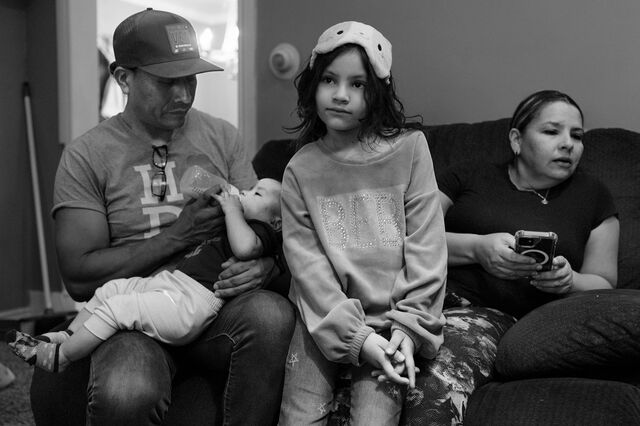
The Tonitos arrived in the US in 2023, during a time of record US southern borders crossings. From the beginning it hasn’t been easy, but they’ve had small victories along the way. They found work, a home in Detroit, Michigan, and welcomed the birth of their youngest son, seven-month-old Lian, who is an American through the birthright citizenship provision that Trump is trying to ban.
The family is in a legal gray area. In addition to having a pending asylum case in federal immigration court, they’ve been approved for the TPS program that—at least for the moment—shields more than 1 million foreigners from 17 countries from deportation and grants them authorization to work. Though a court order has blocked the Trump administration’s plan to roll back protections starting next week, the efforts have still left the Tonitos, like millions of others, caught between the fear of deportation and the hope of building their lives in the US.
When they first arrived in the US, the family surrendered to Border Patrol agents in El Paso, Texas. They were processed and, like thousands of other newly arrived asylum seekers coming across the US border by the day, made their way to a temporary shelter in New York City.
Pedro had plenty of work in New York—even traveling to Florida to help in cleanup efforts after Hurricane Milton devastated parts of the state. The hours were long and he hardly saw his family, but he earned enough last year that he received a hefty tax refund.
It’s that very money that would fund their move should they decide to leave the US.

After the birth of their son, the family moved to Detroit with South American friends, also asylum seekers whom they met in New York. They hoped the Midwest city would offer a quieter, safer life for their growing family.
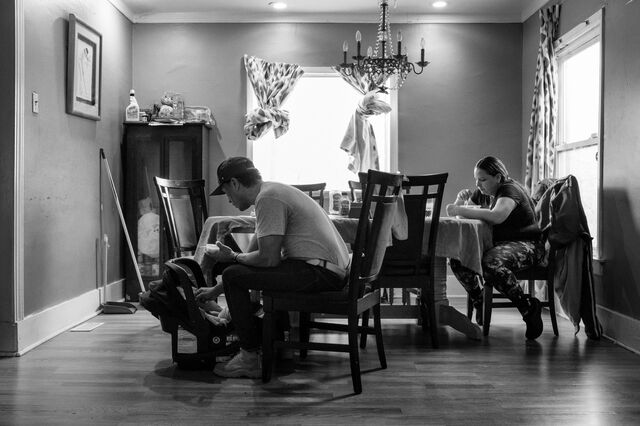
Their friends rented a two-story home northwest of downtown Detroit, in a low-income neighborhood. The Tonitos share a single room on the second floor, helping cover expenses and sharing household duties.
But there’s been fits and spurts.
Pedro has faced periods of unemployment, but he and his wife, Adriana, are now working for a cleaning company that services a nearby Amazon facility. Their 18-year-old daughter ran away in February with a Venezuelan boy she met in New York. She hasn’t contacted them in weeks.
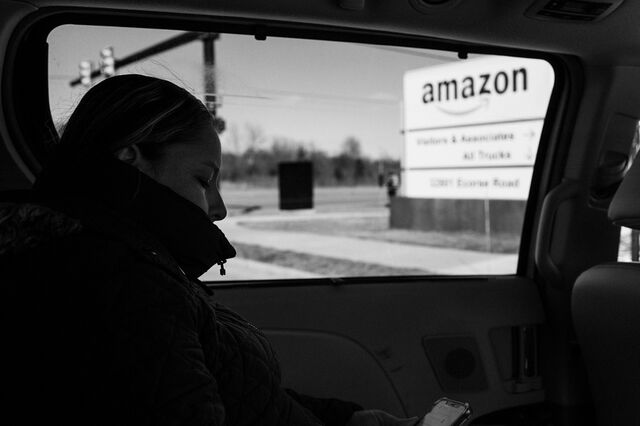
Adriana picks up her ID at an Amazon facility to start work the following day. Adriana works with a cleaning contracting service, working from 9 p.m. until 7 a.m.
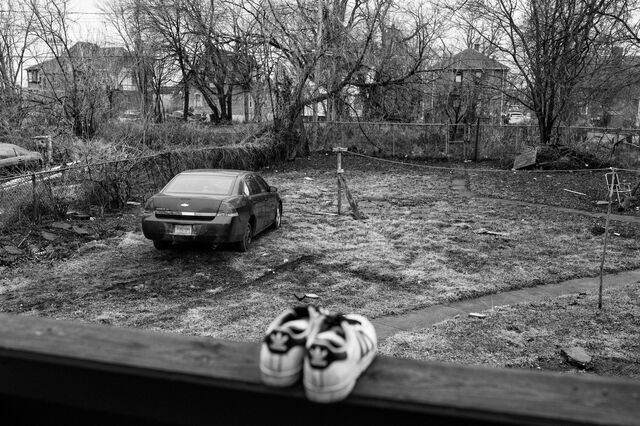
The family they live with recently purchased a vehicle that remains in the backyard waiting for parts and papers.


Pedro plays with his daughter and the child whose family shares the house.

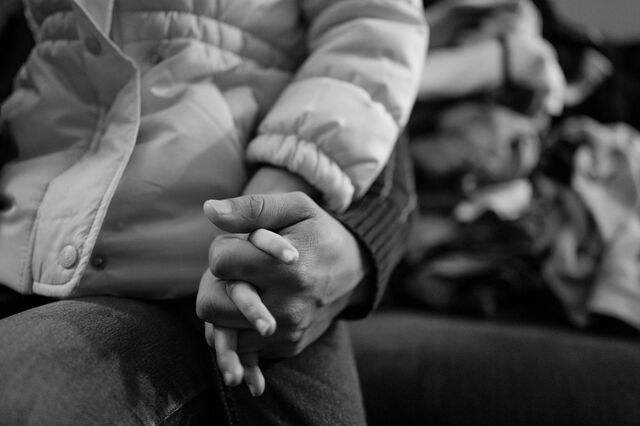
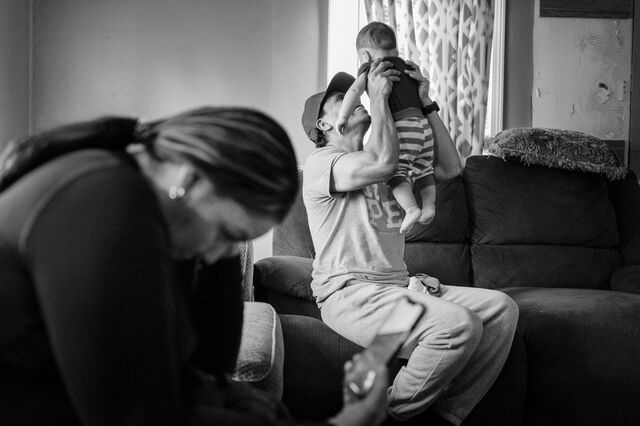
Adriana speaks on the phone with Fedra while Pedro plays with baby, Lian.
Detroit, a sprawling city built for cars, has proven difficult to navigate. Fortunately, the local school district provides a rideshare for their youngest daughter Izzy, 7, because the family is considered homeless under federal education laws.
Izzy is settling in at school, her parents said, and learning English. When asked her favorite subject, she shyly buried her head in her dad’s lap.
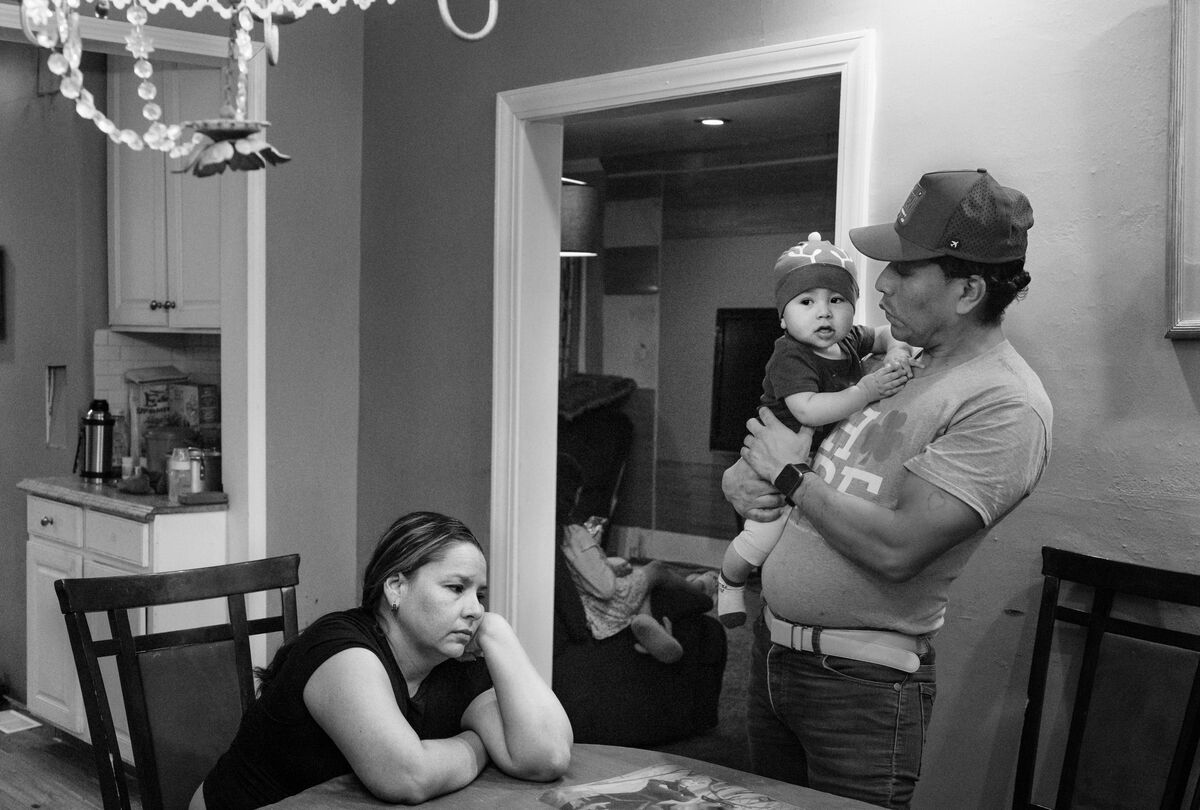
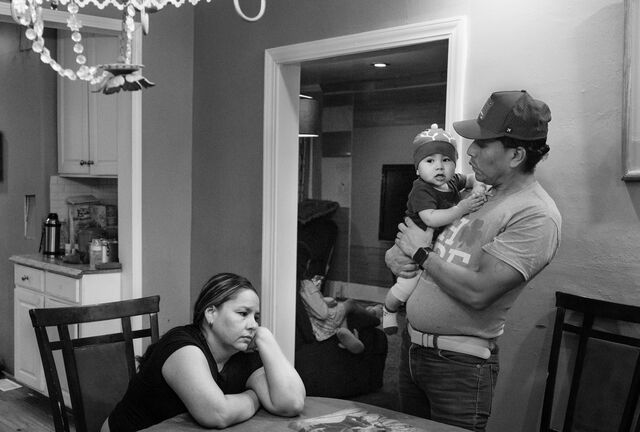
“We have a lot of fear. More every day,” Pedro said. With his wife looking on, he said he wants his children, especially his US citizen son, to grow up in America. But he can see the writing on the wall.

The US Crackdown
The Trump administration has rapidly expanded its immigration crackdown, engaging multiple federal agencies—from the departments of Defense and Justice and even the Treasury—to bolster the ranks of federal immigration agents at the border and in the interior of the country.
Immigration officials initially pledged to focus the president’s promised mass deportation efforts on foreigners with criminal records, but the campaign has expanded to target those with temporary humanitarian protections, visa holders and even some legal permanent residents.
Much of the attention from the Trump administration’s immigration machine has focused on Venezuelans who officials have accused of being members of the Tren de Aragua gang, declaring the group a terrorist organization.
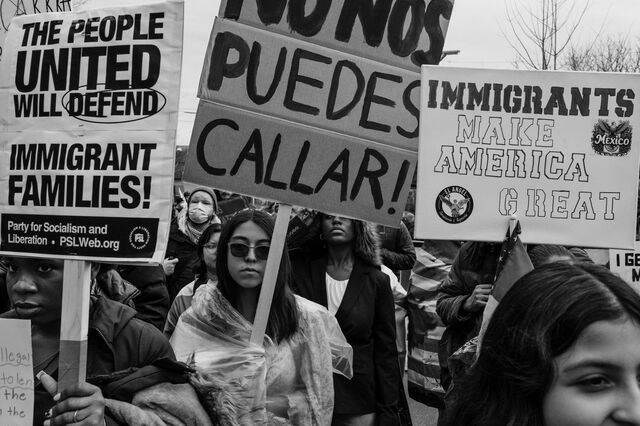
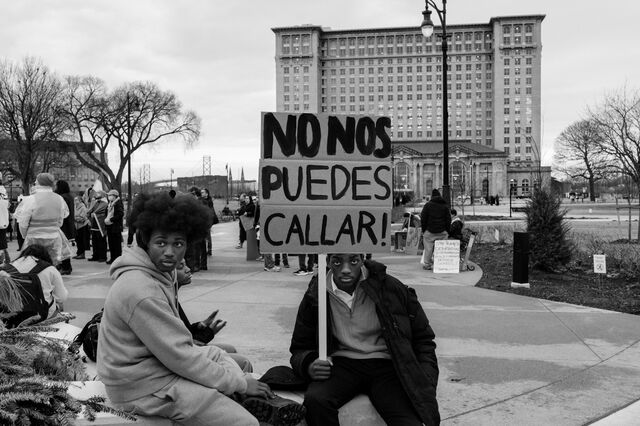
Undocumented migrants in the US have become increasingly aware of their rights, as advocacy groups across the country have expanded support such as legal outreach and workshops about how to respond when federal agents approach them at home or work.
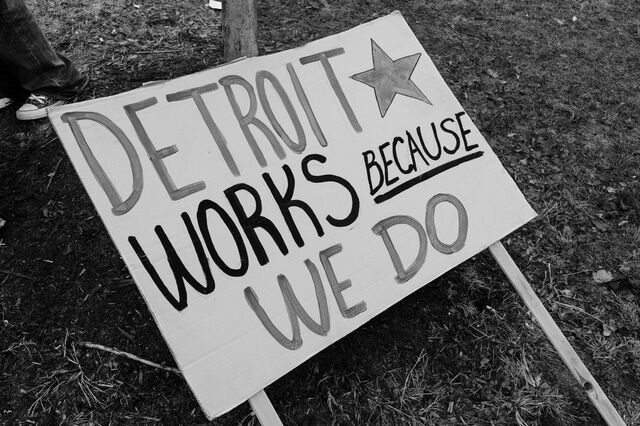
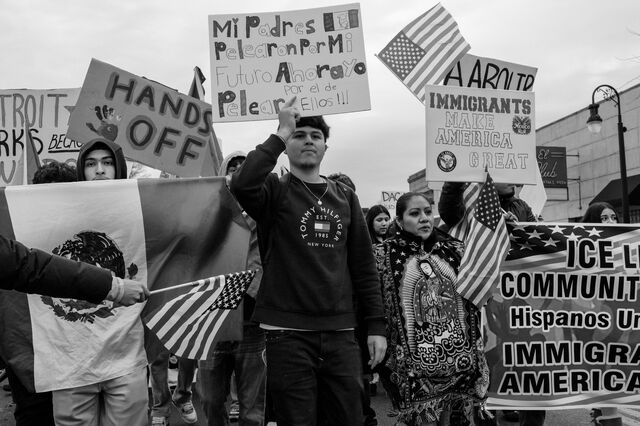
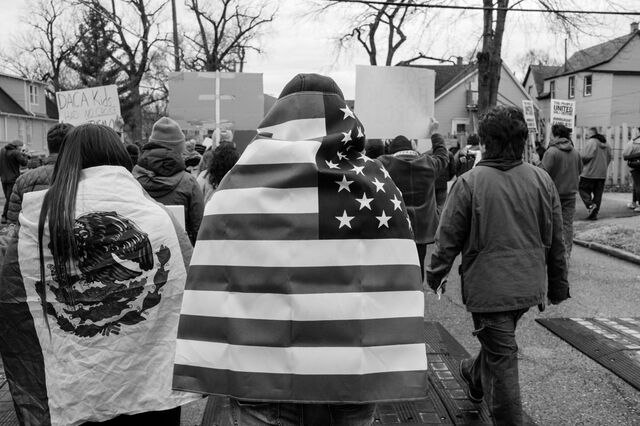
First and second generation Americans showed support during the march.
The administration reported tens of thousands of arrests by immigration agents in the early weeks of Trump’s second term, but officials have stopped releasing regular arrest or deportation figures, making it difficult to assess the current pace.
The administration has continued to publicize enforcement through social media images of deportation flights, including detainees in shackles being transferred to a maximum-security prison in El Salvador. Among them were scores of men accused of being members of a Venezuelan gang, who were deported despite a court order prohibiting their removal and Trump administration filings acknowledging that many had no criminal history in the US.
Beatriz Lopez, co-executive director of the Immigration Hub, an advocacy group, said part of the Trump administration’s broad strategy appears to be creating a chilling effect. And the focus on Venezuelans, she said, “is low hanging fruit.”
“They came here legally, through lawful pathways, are legally asking for asylum or have TPS,” Lopez said. “Most are recent arrivals and it’s very easy to identify them, to seek them out. It’s death by a thousand cuts and these are the easiest cuts to make.”
Too Scared to Return
Of the nearly 28,000 deportees the US has sent to Mexico since Trump took office, at least 4,000 are non-Mexicans, typically from Venezuela, Colombia or Haiti, according to the latest data.
While many of them may decide to remain in Mexico in search of job opportunities, others hope to just stay long enough to earn money for the journey home. Few are considering crossing into the US by land from Mexico, with US southern border crossings falling to a historic low of about 7,000 in March.
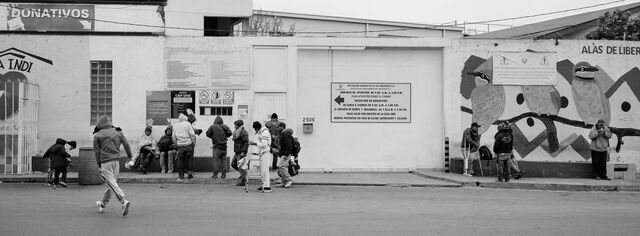
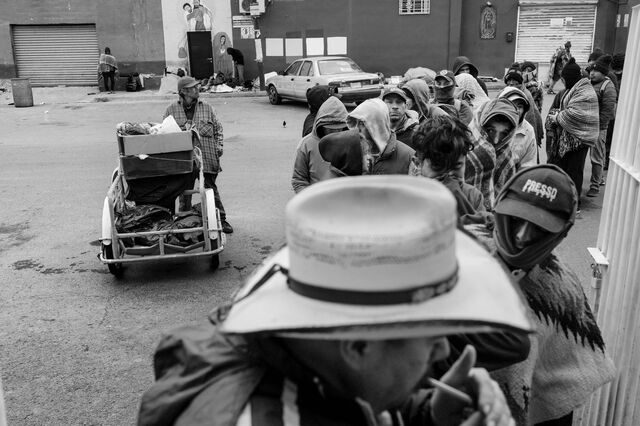
That’s the prevailing feeling at Casa Indi, a soup kitchen and shelter for migrants in Monterrey, where most of the people who were recently deported from the US have no intention of returning.
“Since Trump arrived, they don’t want us there anymore. It doesn’t make sense to try to go there,” said Esteban Casas, a 43-year-old Honduran, as he picked up a plate of tortillas with green sauce and black coffee at the shelter. “I’ll try to find some work here in Mexico, wait a year to see if things get better, but right now I can’t go there.”
In Limbo
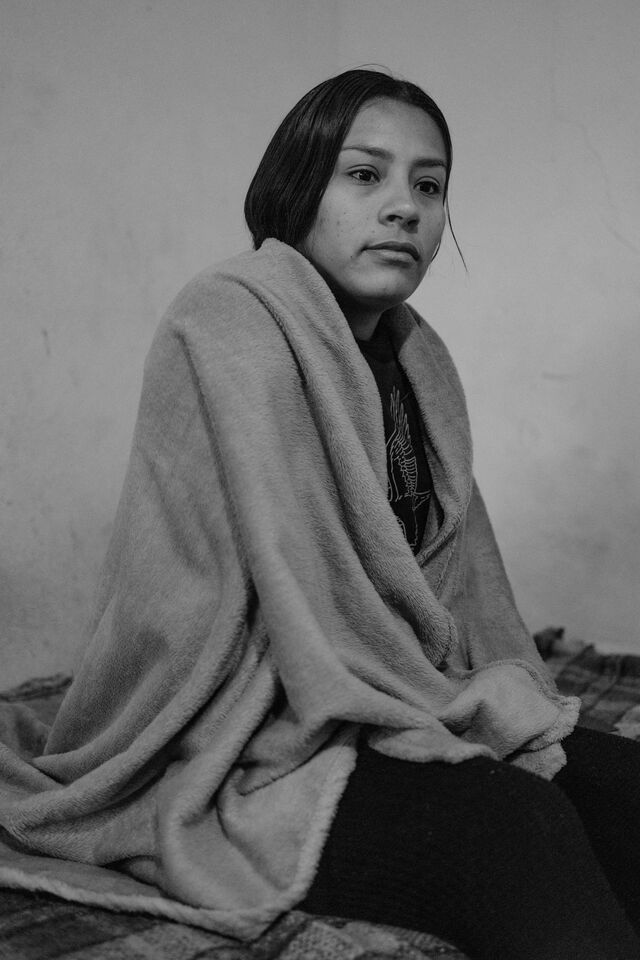
Tonito’s eldest daughter, Fedra, 21, was one of the many migrants stuck in Mexico.
She didn’t originally travel with the family over the El Paso border, but in February 2024, she started to head north to reunite with them. That moment has yet to come.
After spending a couple of months in Monterrey, an industrial and tech hub in the north of Mexico, she decided in mid-March to head south to seek better opportunities in Panama.
When Bloomberg met her in Monterrey, she was living in a half-built house with several migrants, most of them from Venezuela and one from Honduras. The structure was full of debris, construction materials and appliances like refrigerators that no longer work. Fedra didn’t own a warm jacket and struggled with the city’s cold weather.

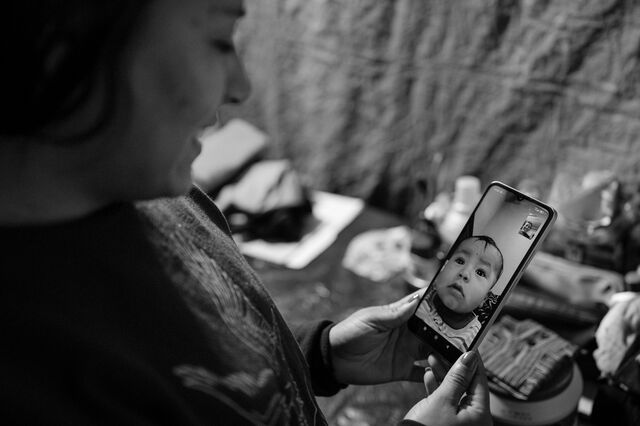
Fedra described how she’d lost the motivation to do almost anything—and the only thing that brings her joy is the video calls with her family.
“I feel that my dad abandoned the idea of living in the United States because of Trump, but also because of me, because the logic of all this was to reunite with me,” she said.
Before Trump took office, she had been planning to secure an appointment to cross the border legally through a Biden-era smart phone app for asylum seekers, known as CBP One. Trump shut down the program on his first day in office, and has since revived it as a way for migrants to notify US officials that they’re self-deporting, renaming the app as CBP Home.
Fedra isn’t alone in her disillusionment. None of the four migrants she lived with in Monterrey plan to cross into the US anymore. They all say the same thing: They’re afraid of Trump’s policies.



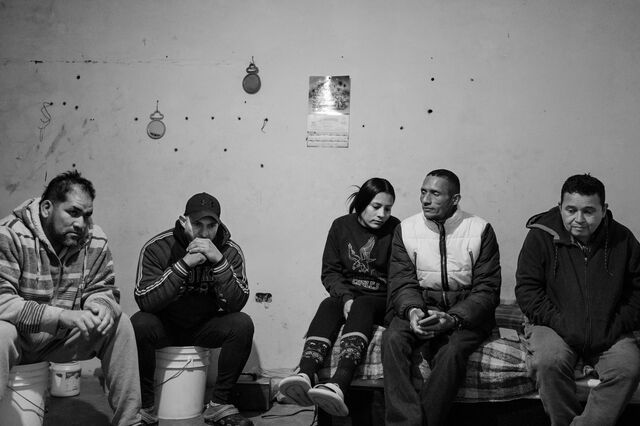
If the Tonito family decides to leave the US, they face a difficult dilemma: The country no longer seems to want them, but without Venezuelan passports, they can’t legally travel through Mexico or Central America to return home. And because the US has no diplomatic ties with the government of Nicolas Maduro—widely accused of rigging Venezuela’s presidential election and described by US officials as a dictator—there is no way to obtain new passports without first reaching the Venezuelan embassy in Mexico City.
“We don’t have papers,” said Adriana. “We’re kind of trapped without passports.”
With no clear way forward, the family has decided to wait it out in Detroit, for now. Pedro said they are relying on their faith, but constantly in fear as more news surfaces of deportations to places like the El Salvador max-security prison under wartime powers.
“There are so many unfair things happening right now that we have to hold on to the hands of the creator,” Pedro said. “In truth, because of what we are experiencing, we must trust God more every day and second that passes.”