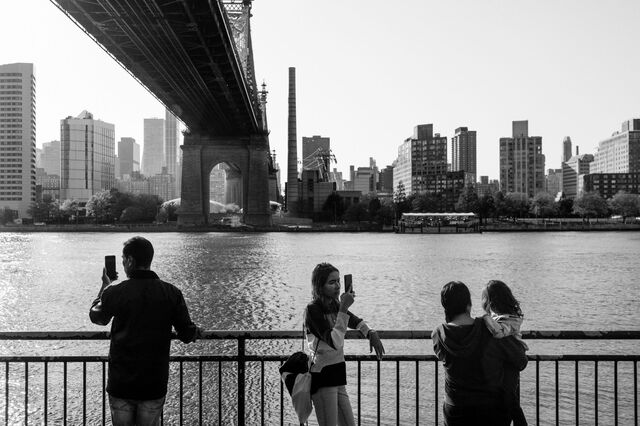
‘We Didn’t Have a Choice’: One Family’s Perilous Escape From Venezuela to NYC
Family joins wave of migrants heading to the US border, hoping for a chance at asylum and stability.
Pedro Tonito says he could no longer bear watching his young daughter cry from hunger or his teenager go without meals.
Venezuela had effectively collapsed, finding work was impossible and he felt increasingly helpless. Tonito, 43, and his wife, Adriana Joselin Sanchez Padilla, knew they had to flee.
And so began their six-month journey north, a perilous trek through swamps and raging rivers, covering their children’s eyes from the sight of bodies of other migrants who died along the way. From Caracas to Ciudad Juarez, Mexico, then to El Paso, Texas and ultimately New York City, surviving machete-wielding gangs, threats of extortion and all in the knowledge they may just be turned away at the border.
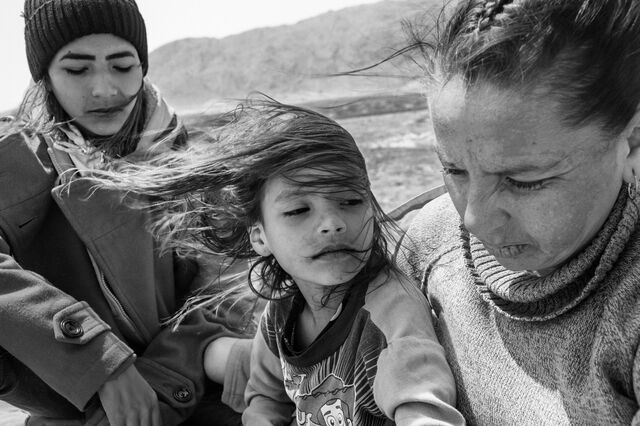
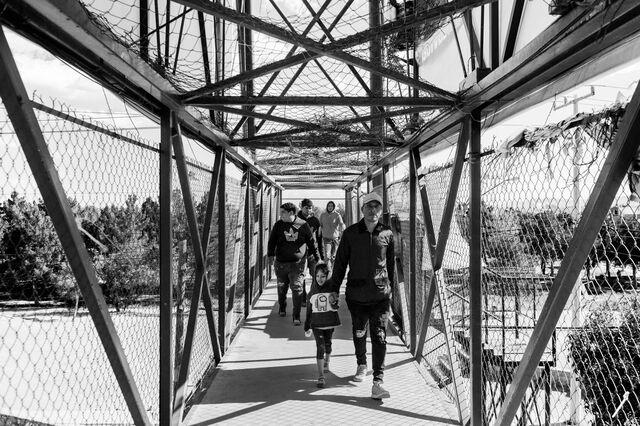
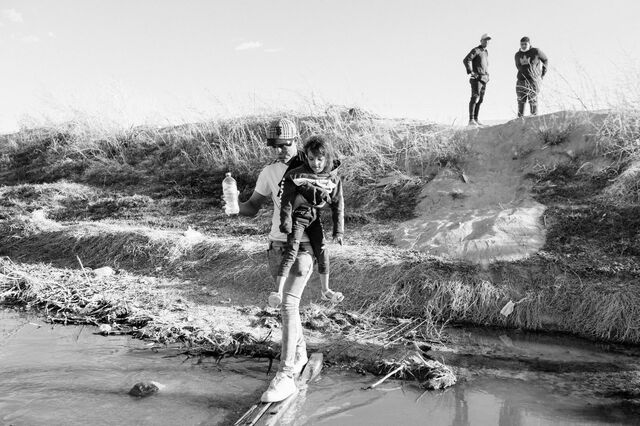
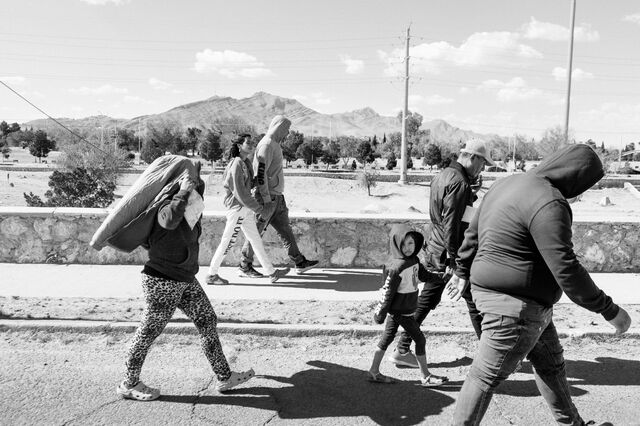
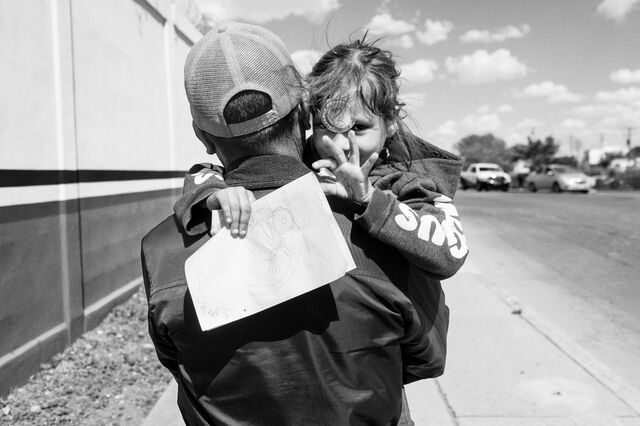
“It wasn’t easy to make this decision, to leave our home and entire family back in Venezuela,” Tonito said in an interview in Spanish outside a La Quinta Inn in Queens, where his family is temporarily residing with dozens of other migrants. “But we didn’t have a choice.”
His family are among the tens of thousands that have made their way to the US in recent months. It’s part of a wave of migration that’s the highest in at least two decades as people flee struggling or collapsing countries including Honduras, Guatemala, Haiti and Venezuela.
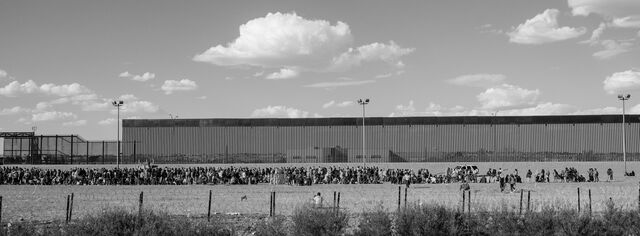
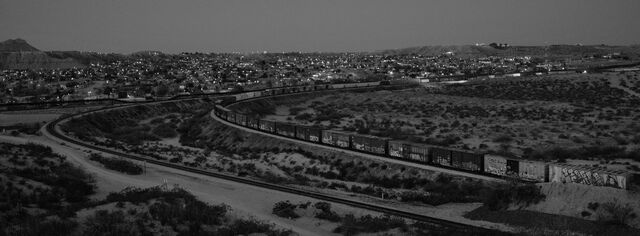
The situation gained attention last week after Title 42 expired, a pandemic-era law implemented by the Trump administration that allowed border agents to quickly turn back many migrants at the Mexico border on public-health grounds, with no chance to seek asylum.
The unfolding crisis is testing President Joe Biden’s promise to have a more humane approach to immigration policy, as cities far from the southern border, like New York and Chicago, are struggling to house an influx of migrants that are getting bused in.
For Tonito and countless others in his situation, the complexities of US immigration policy are far from their thoughts—he said he had no knowledge of Title 42 before his journey. They dream mainly of a life free from the economic and political turmoil they left behind. They also know they’re the lucky ones. While border crossings are spiking, the majority of those seeking refuge are turned away or apprehended.
Since 2015, more than seven million Venezuelans have fled economic disarray and the authoritarian rule of President Nicolas Maduro. On the heels of one of the deepest economic contractions in modern history, including years of out-of-control inflation and massive shortages of food and medicine, recent data still ranks the nation as the most undernourished in South America.
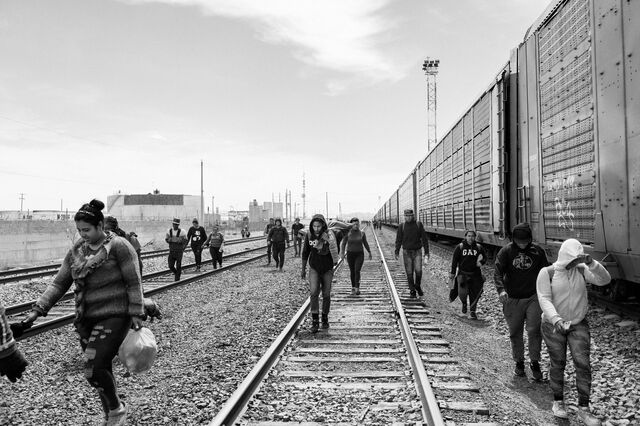
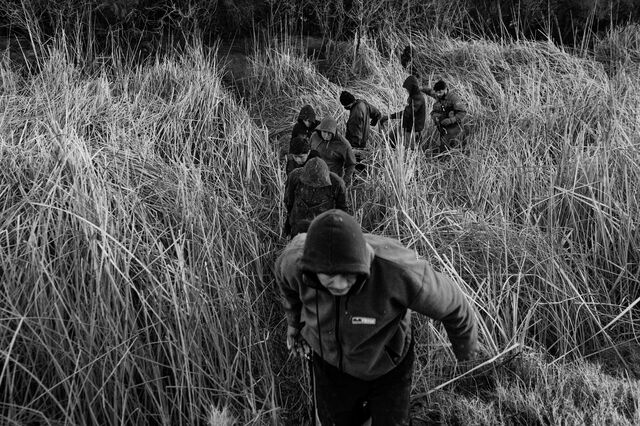
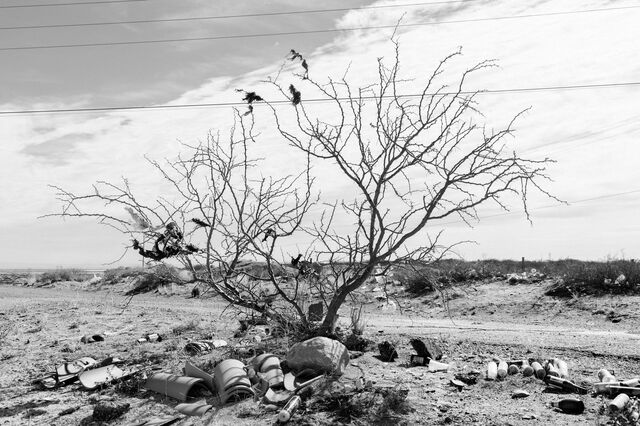
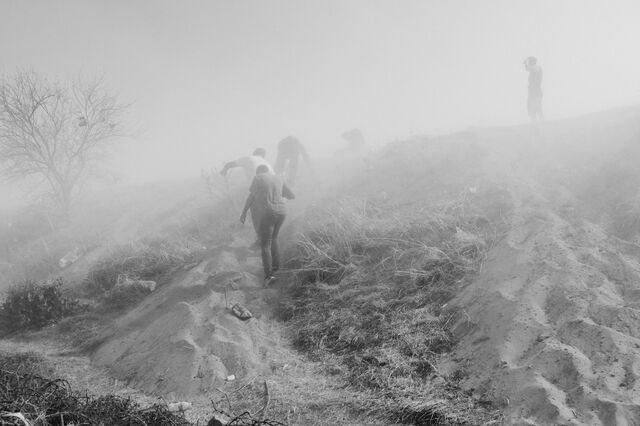
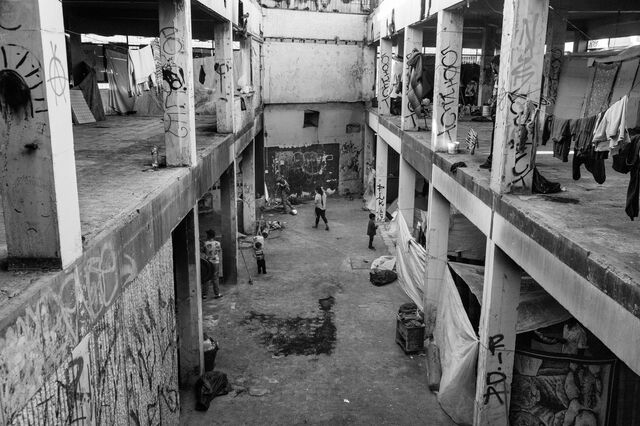
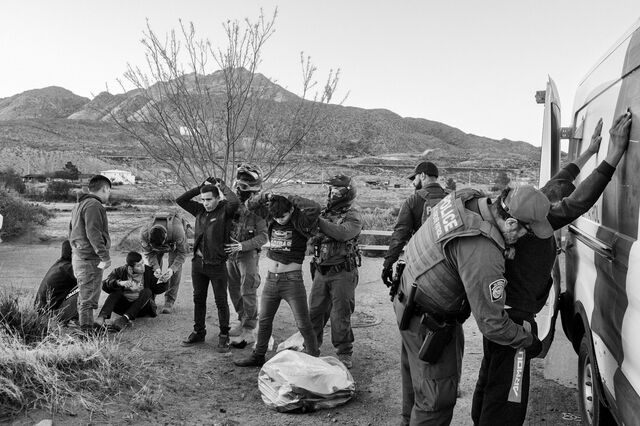
As Tonito recalls their more than 3,000-mile (4,820-kilometer) journey that took them from Venezuela’s capital to the US border and even beyond, he says he cannot forget the constant danger they faced along the way: “At any moment, we knew we could lose our lives,” he said.
While trekking across the Darien Gap—a 66-mile stretch of dense, mountainous jungle between Colombia and Panama—the family was robbed by men carrying guns and machetes.
Despite their fear, they soldiered on, evading gangs of kidnappers, rapists and extortionists who prey on the vulnerable plying the route.
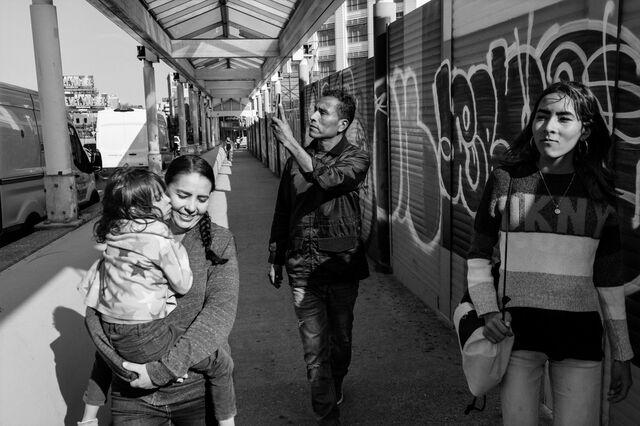
The Tonito family didn’t choose New York. “We were confused. We didn't know where they would end up sending us, we don’t speak English, we are new to this country. It was overwhelming and I was afraid they would send us back.”
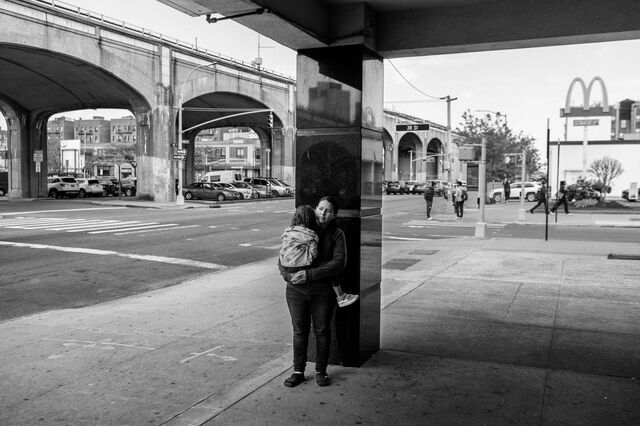
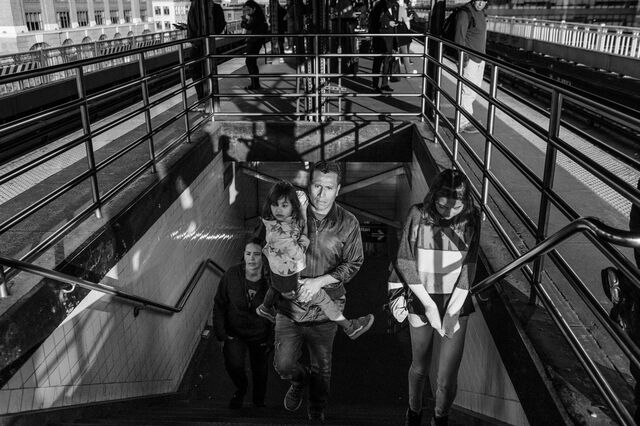
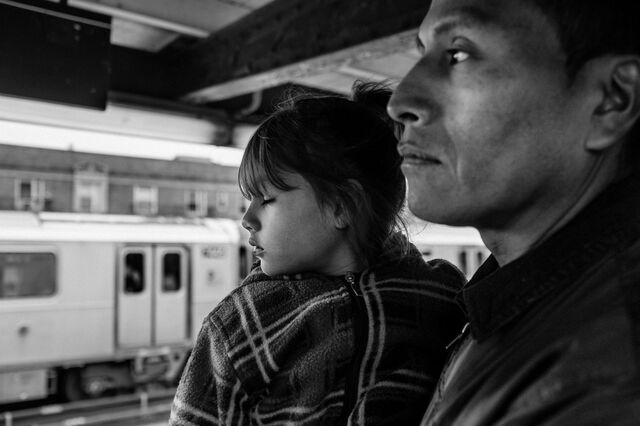
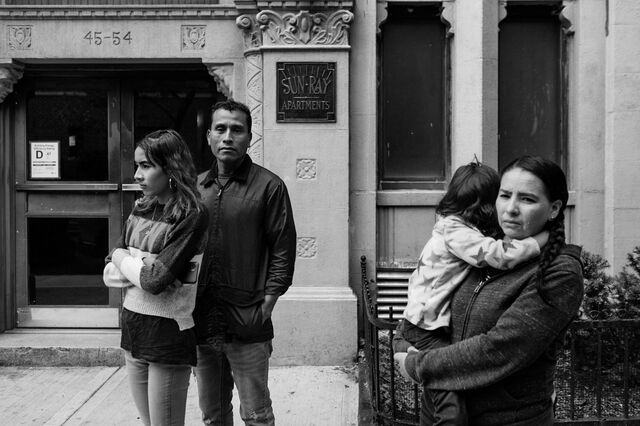
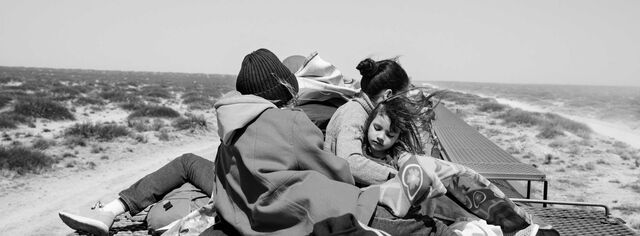
The journey culminated with them hopping onto a moving freight train that crossed the state of Chihuahua to Ciudad Juarez, their last stop in Latin America. Looking back to just a few weeks ago, Tonito said he’ll never forget all the families that didn’t make it. There were several moments when he thought they wouldn’t either.
“It was incredibly dangerous and there were so many dead people, many were women and children. I can never unsee those images,” he said. “They didn’t get their American dream.”