Ukraine Drafts Crucial Farm Workers in Desperate Rush to Bolster Military
A new wave of mobilization poses one of the severest challenges yet for Ukraine’s farmers as the country faces a third year of war.
Andrii Pastushenko has kept his farm in Kherson region operating through two years of war — including eight months of Russian occupation. Members of his staff have been injured, dozens of his 700 cows killed or wounded by active fighting, warehouses and power transformers damaged and he’s barely generated a profit since the invasion started.
But it’s now that he’s facing one of the most acute threats to his operations.
After two years of violent fighting, and with Ukraine once again in need of fresh troops to fend off Russia’s latest push, he’s losing so many of his 40 men to conscription that the future of his farm is at risk.
So far, agricultural enterprises have escaped the focus of Ukraine’s mobilization efforts, in part due to their critical importance to the nation’s economy. Before the war, agriculture, fishing and forestry employed 15% of the workforce, and contributed 11% of gross domestic product. The country — often referred to as “the breadbasket of Europe” — has remained a major global food producer during the invasion, even as harvests decline.
Dip In Production Still Brings In Income For Ukraine
When the war started in 2022, thousands of Ukrainian men volunteered to join the army, making recruitment among farm workers less urgent. In 2023, the government set up a system to protect critical workers from being drafted. But with volunteers dwindling and frontline soldiers exhausted, more and more farmers are being called up to serve. Often their skills are so specialized that it isn’t easy for women, retirees or others who remain to fill the gap.
“In some villages, there are no men left at all, and therefore no labor force, no people who used to work in agricultural enterprises,” said Andriy Dykun, chairman of the Ukrainian Agri Council. “This is frightening because if there is no enterprise, there is no Ukrainian village.”
At the heart of the dilemma, officials are forced to weigh preserving Ukraine’s economic backbone against protecting the nation’s sovereignty. The outcome of that balancing act affects livelihoods and global food supplies, but also speaks to the health of Ukraine’s military.
Last week, President Volodymyr Zelenskiy for the first time revealed the tally of killed soldiers at a press conference last week, saying that 31,000 lost their lives in the war against Russia. The actual figure may be higher.
On paper, farm workers make ideal candidates for Ukraine’s military. They’re used to handling large equipment and driving tractors, allowing them to hone skills that are desperately needed in the battlefield.
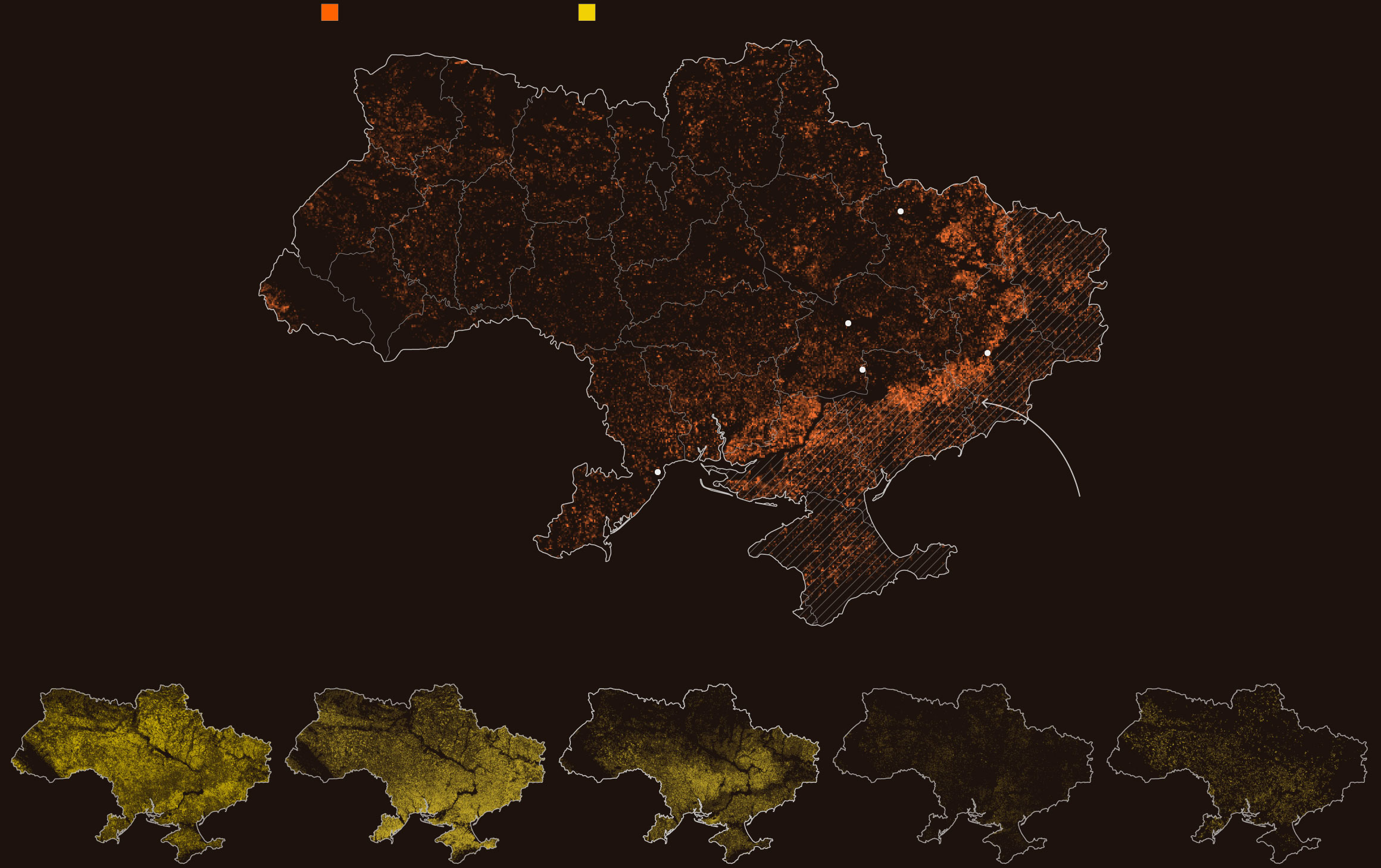
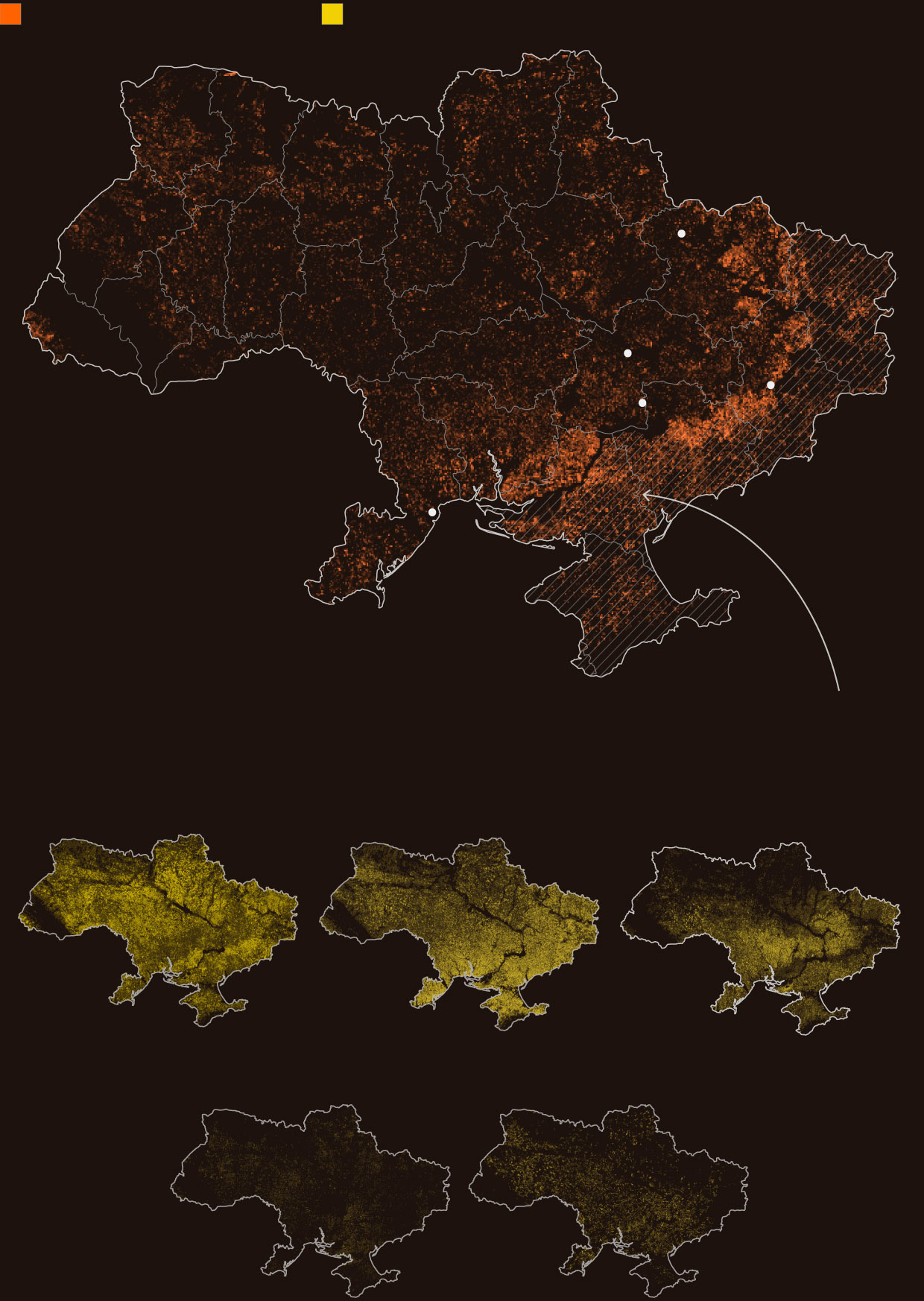
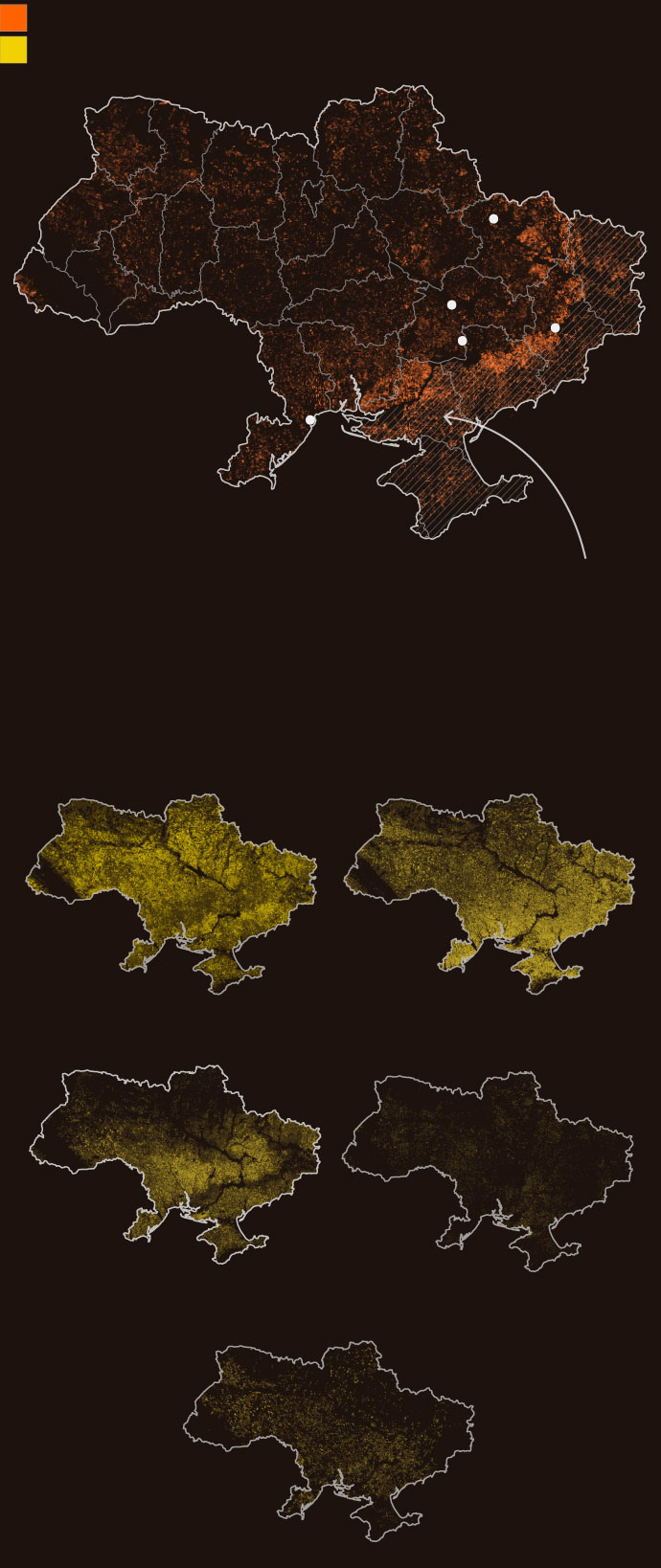
But they’re also crucial to the nation’s fiscal revenue and have had to endure exceptional challenges since the start of the invasion. Like Pastushenko, farmers across the country have continued to harvest and produce while dealing with damaged land and infrastructure and time under Russian occupation. They’ve had to abandon large chunks of croplands, as shelling and thousands of landmines have made them too dangerous to harvest.
Nationwide Impact to Ukraine’s Crucial Croplands
Unharvested crops in 2023
Planted crops in 2022
★
Kyiv
Kharkiv
Dnipro
Donetsk
Zaporizhzhia
Odesa
Territory occupied by Russian
troops as of February 19, 2024
Corn and wheat are grown abundantly across
the nation. About 10% of this land was impacted
in the last harvest, with significant portions
concentrated along the front line.
Corn
Wheat
Sunflower
Barley
Rapeseed
Unharvested crops in 2023
Planted crops in 2022
★
Kyiv
Kharkiv
Dnipro
Donetsk
Zaporizhzhia
Odesa
Corn and wheat are grown abundantly across
the nation. About 10% of this land was impacted
in the last harvest, with significant portions
concentrated along the front line.
Territory occupied by Russian
troops as of February 19, 2024
Wheat
Sunflower
Corn
Barley
Rapeseed
Unharvested crops in 2023
Planted crops in 2022
★
Kyiv
Kharkiv
Dnipro
Donetsk
Zaporizhzhia
Odesa
Corn and wheat are grown
abundantly across the nation. About 10% of this land was impacted in the last harvest, with significant portions concentrated along the front line.
Territory occupied by
Russian troops as of
February 19, 2024
Corn
Wheat
Sunflower
Barley
Rapeseed
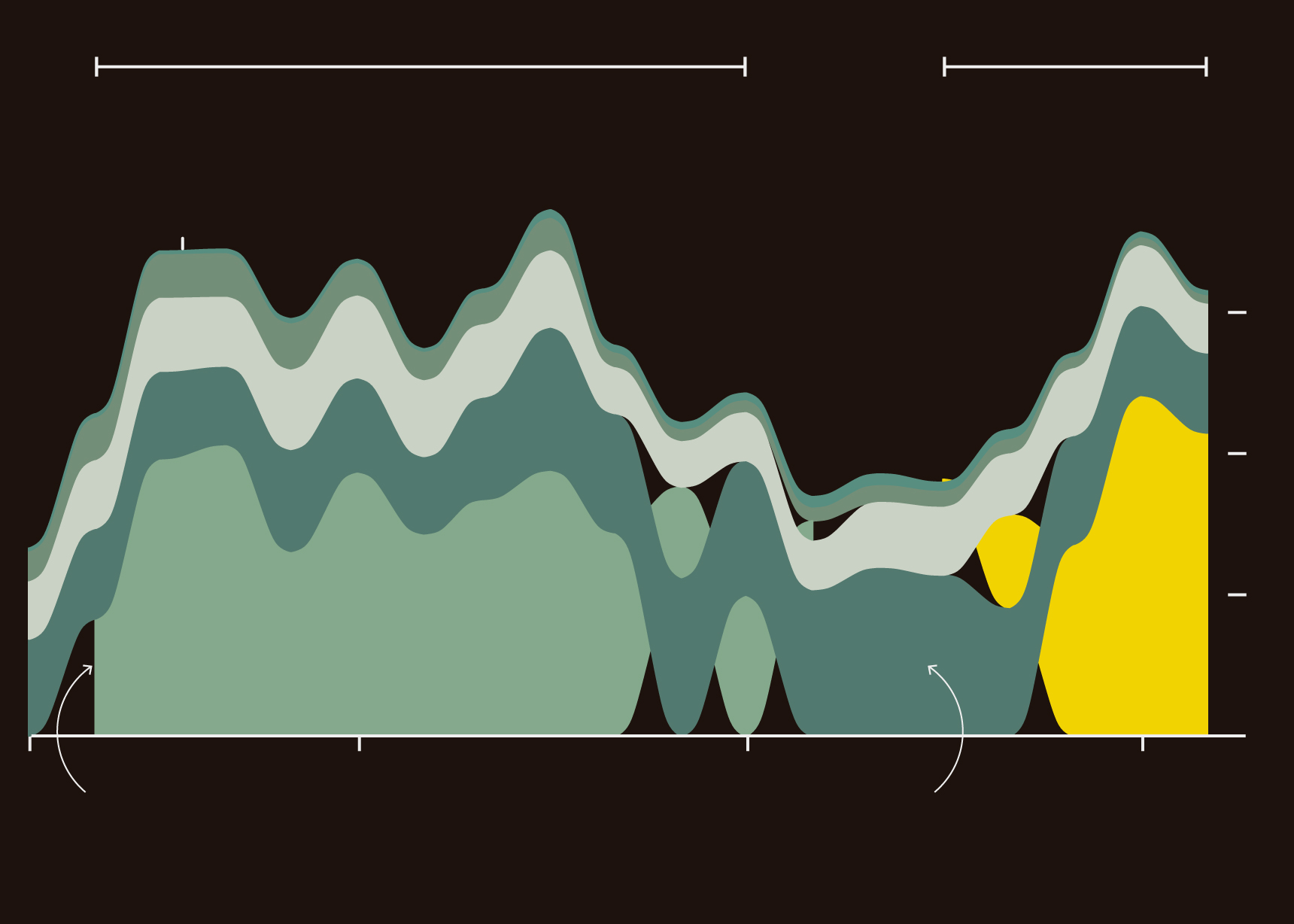
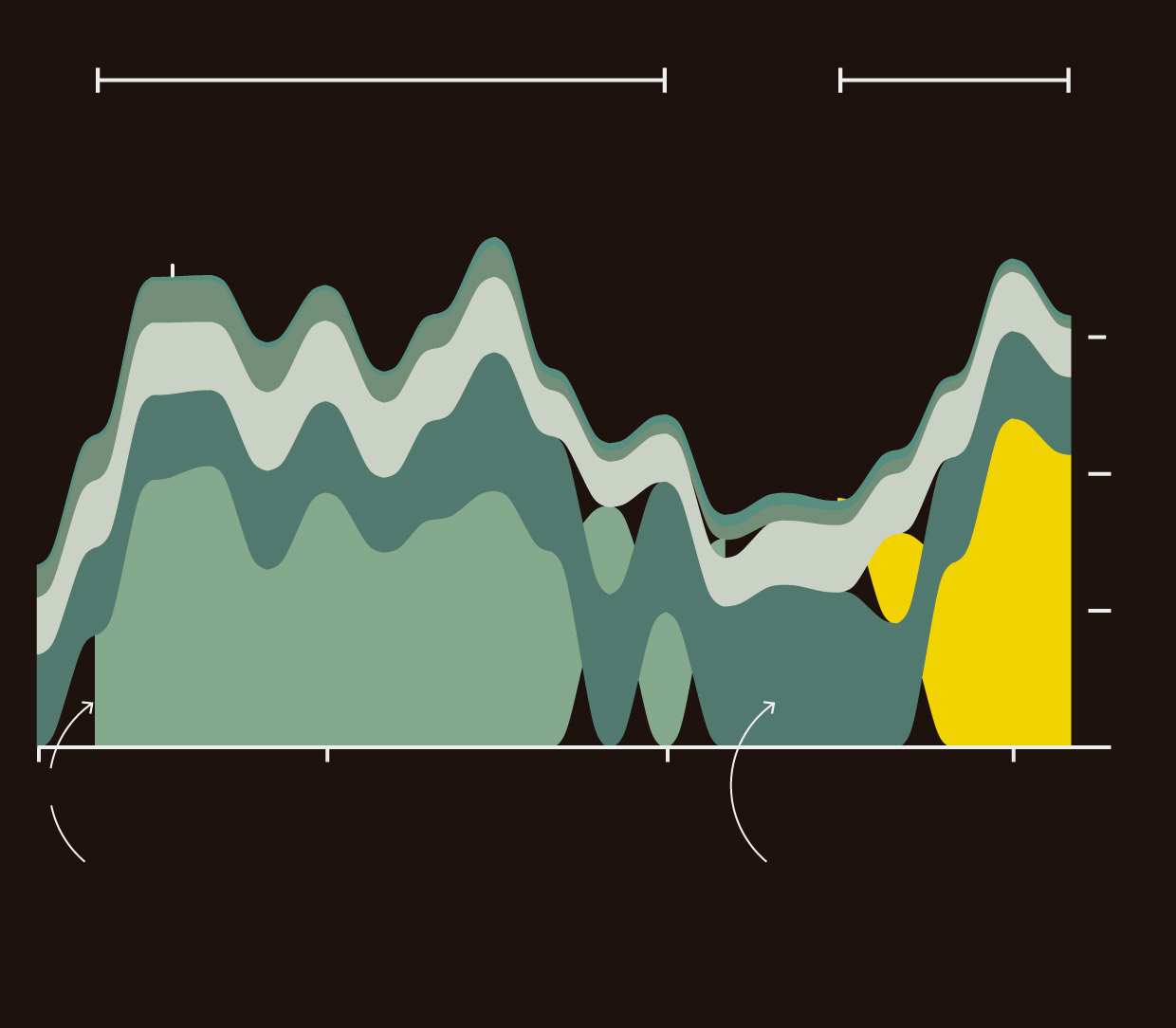
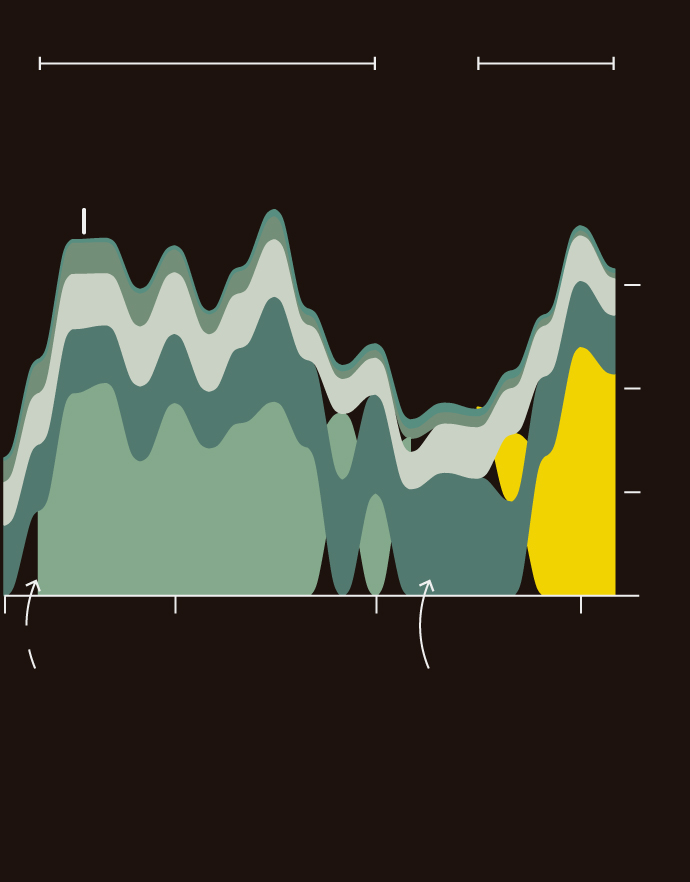
The nation has also faced repeated disruptions along its key grain-export route via the Black Sea. Still, shipments have rebounded since Ukraine forged an alternate grain corridor late last year, after Russia pulled out of the Black Sea Grain Initiative — backed by the United Nations — that had run since mid-2022.
Alternative Agricultural Export Paths Get Ukraine’s Crops Out
Black Sea Grain Initiative
Ukraine corridor
Millions of tons of agricultural
products exported by...
Ferry
Truck
6 MT
Railway
Danube
ports
4
Ukraine
grain
corridor
2
Black Sea ports
through Black Sea Grain
Initiative
0
Jul.
Jan. 2023
Jul.
Jan. 2024
The Black Sea Grain Initiative
began at the end of July 2022, and
the first Ukraine ship with grain
left the port of Odesa on August 1
2.4 million tons of crops
were exported through
the Danube in August 2023
Ukraine corridor
Black Sea Grain Initiative
Millions of tons of agricultural
products exported by...
Ferry
Truck
6 MT
Railway
Danube
ports
4
Ukraine
grain
corridor
2
Black Sea ports
through Black Sea Grain
Initiative
0
Jul.
Jan. 2023
Jul.
Jan. 2024
The Black Sea Grain Initiative
began at the end of July 2022, and
the first Ukraine ship with grain
left the port of Odesa on August 1
2.4 million tons of crops
were exported through
the Danube in August 2023
Black Sea Grain Initiative
Ukraine corridor
Millions of tons of agricultural
products exported by...
Ferry
Truck
6 MT
Railway
Danube
ports
4
2
Black Sea ports
through Black Sea
Grain Initiative
Ukraine
grain
corridor
0
Jul.
Jan. 2023
Jul.
Jan. 2024
The Black Sea Grain
Initiative began at the
end of July 2022, and
the first Ukraine ship
with grain left the port of
Odesa on August 1
2.4 million tons
of crops were
exported through
the Danube in
August 2023
Pastushenko, whose farm was won back by Ukraine during the first year of the war, lost about a third of his workable land to contamination or fighting. Damage to farms like his along the frontlines in south and east Ukraine is visible from space as vast patches of unharvested and scorched fields.
He was also affected by the Russian forces’s destruction of the Kakhovka dam in June 2023, seventy miles east from his farm. The dam feeds a reservoir and irrigation canals that dispense water to crops throughout the region. Ninety percent of these canals have dried up as a result of the destruction, and so has the reservoir.
Pastushenko sells crops at a loss just to keep his business going and secure jobs for those who chose to stay despite nearby battles. But about a quarter of his men were called up in January, including a worker who is almost 60 years old, a few months away from the upper limit of the conscription age.
“Conscription officers enter villages, block entries and exits and come to everyone who lives there,” Pastushenko said. “It is hard to imagine what will happen to our firm half a year from now.”
Kyiv’s efforts to replenish its depleted army has sparked worry among farmers that they will not have enough people to work, especially during the spring sowing of corn and oilseeds which has already started in the south. Ukraine’s agriculture landscape ranges from small enterprises to vast agribusinesses, and the scale of the impact depends on the tax revenue of the farm — with some establishments able to reserve as much as half of their workforce to prevent them from being drafted.

“Workers are needed during all seasons, all year,” said Volodymyr Lytvyn, a farmer in the Poltava region, who has a shortage of mechanics after 13 of his men were drafted.
The wider Ukrainian public is also concerned about the rush to buff up the military. Last year, a proposal emerged to mobilize up to 500,000 men by lowering the minimum age to join, as well as other amendments. President Zelenskiy shot the draft bill down amid concern it would spark discontent. Parliament is currently assessing a revised version that is due in the coming months.
“There is a dialogue going and this is a very sensitive topic,” Ukraine’s Deputy Prime Minister Yulia Svyrydenko told Bloomberg. “Truth is, we depend on how taxes are administered and paid. It is necessary to support the balance” between army and business.
For now, farmers are trying to make do with the resources available to them. According to Oleh Khomenko, director general of the Ukrainian Agribusiness Club Association, companies are actively starting to attract people of retirement age, conduct training for certain types of workers and boost the skills of women.
“We should all be ready to defend our land,” said Dykun from the Agri Council. “Yes, the agricultural sector is key to the country’s economy — but if there is no one to defend our country, there will be no Ukraine.”