Rising Temperatures Are Wreaking Havoc Year-Round
Even small changes in global average temperature are driving environmental and economic consequences.
The one universal impact of climate change, felt in every corner of the planet, is an uptick in temperatures. Take this summer, which has likely been humanity’s hottest. We’ve just lived through the warmest June and July on record, and 2023 is on track to be the warmest year in recent history.
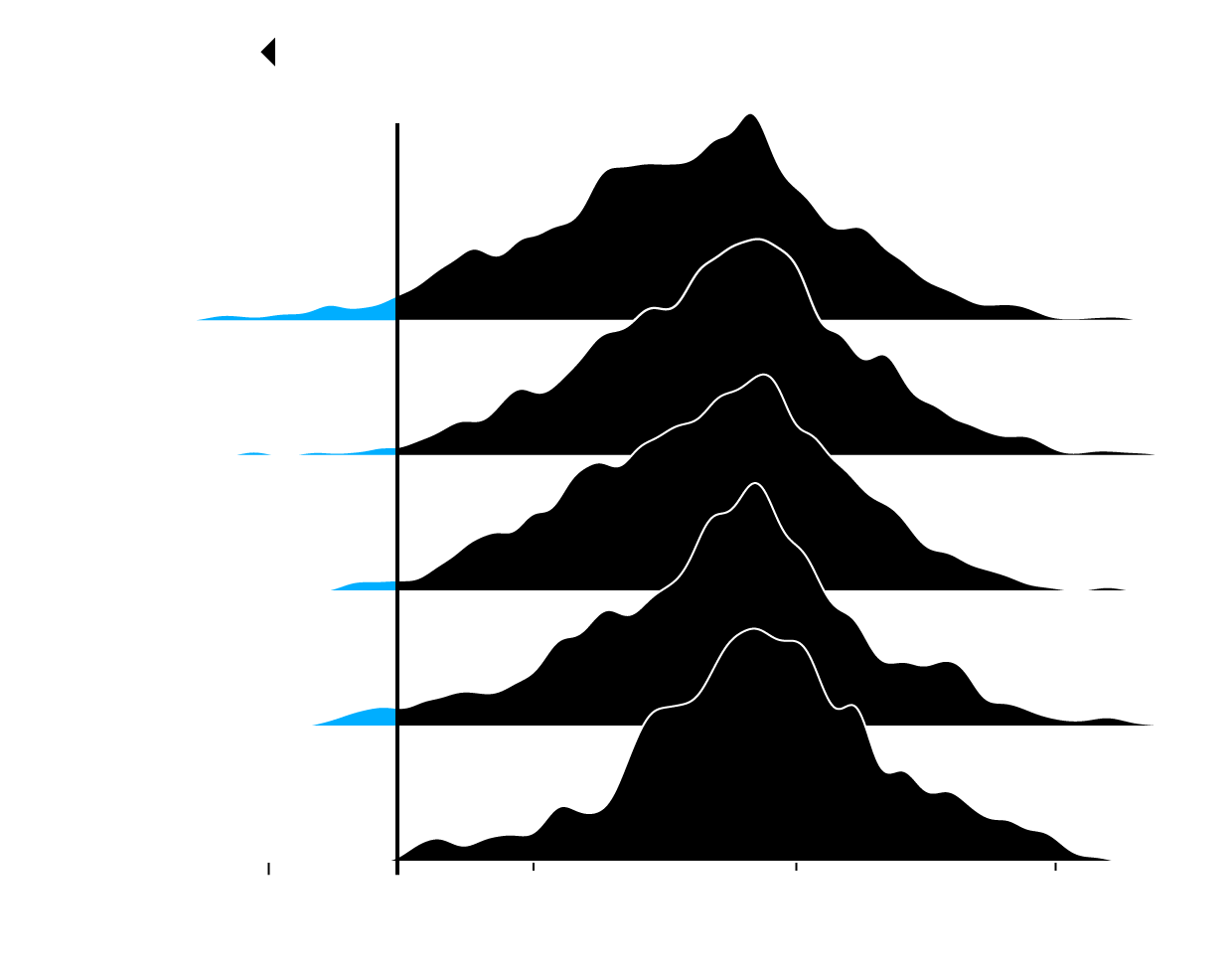
Cities like Baghdad, Beijing and Phoenix, accustomed to hot summers, are experiencing even hotter ones. But sizzling temperatures are also showing up in places like Buenos Aires, where it’s currently supposed to be winter. To visualize how climate change drives warming year-round, scientists often use what’s called a shifting bell curve.
“The impacts of that extra degree or extra two degrees can be very, very dramatic,” says Gavin Schmidt, director of NASA’s Goddard Institute for Space Studies. With extreme heat, “you can have tens of times more frequency of a particular threshold being exceeded. So that’s really concerning.”
Or, as French National Centre for Scientific Research professor Camille Parmesan put it: “The effective increase in global average temperatures is really going to be felt in the extremes.”
The Average Global Temperature Keeps Climbing
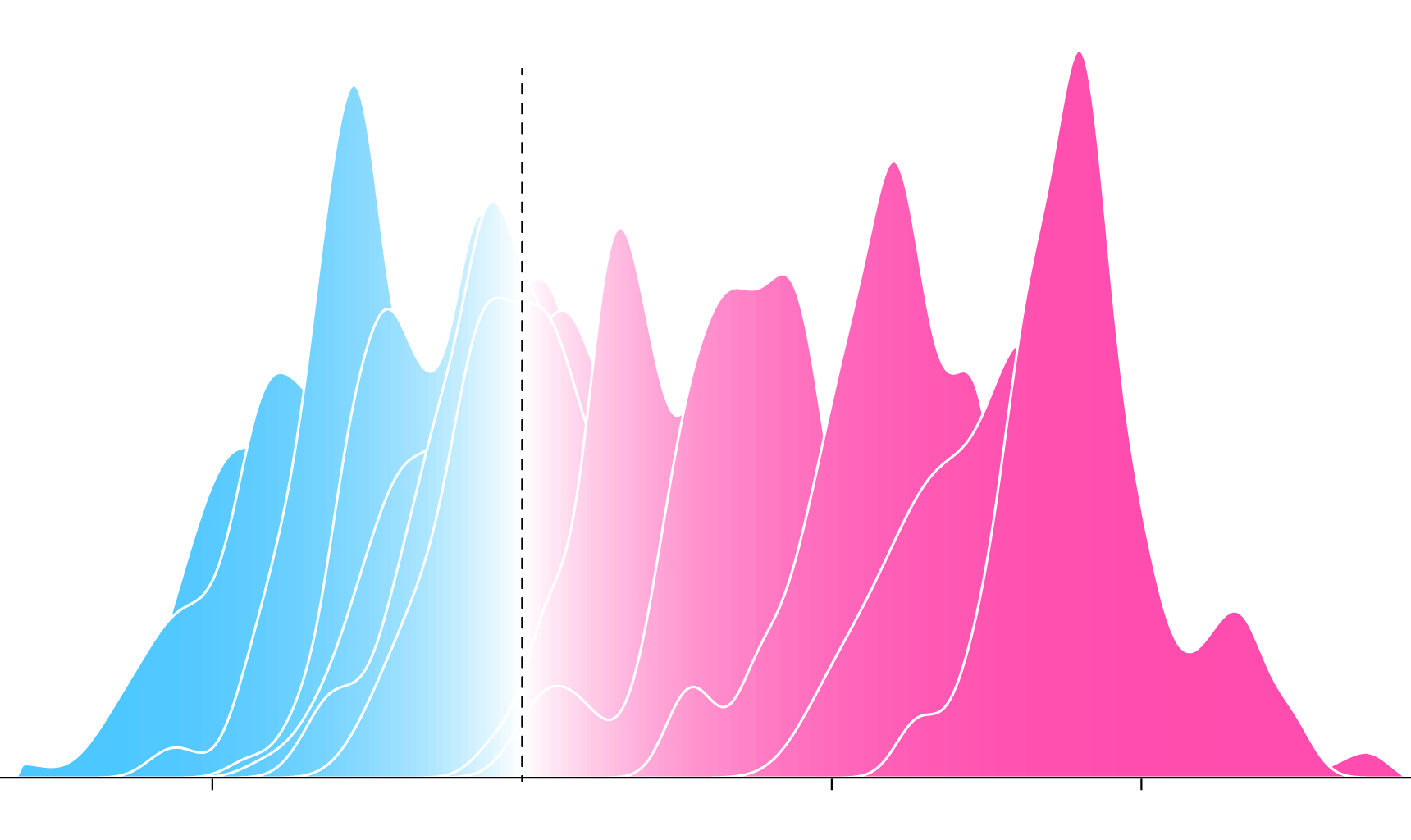
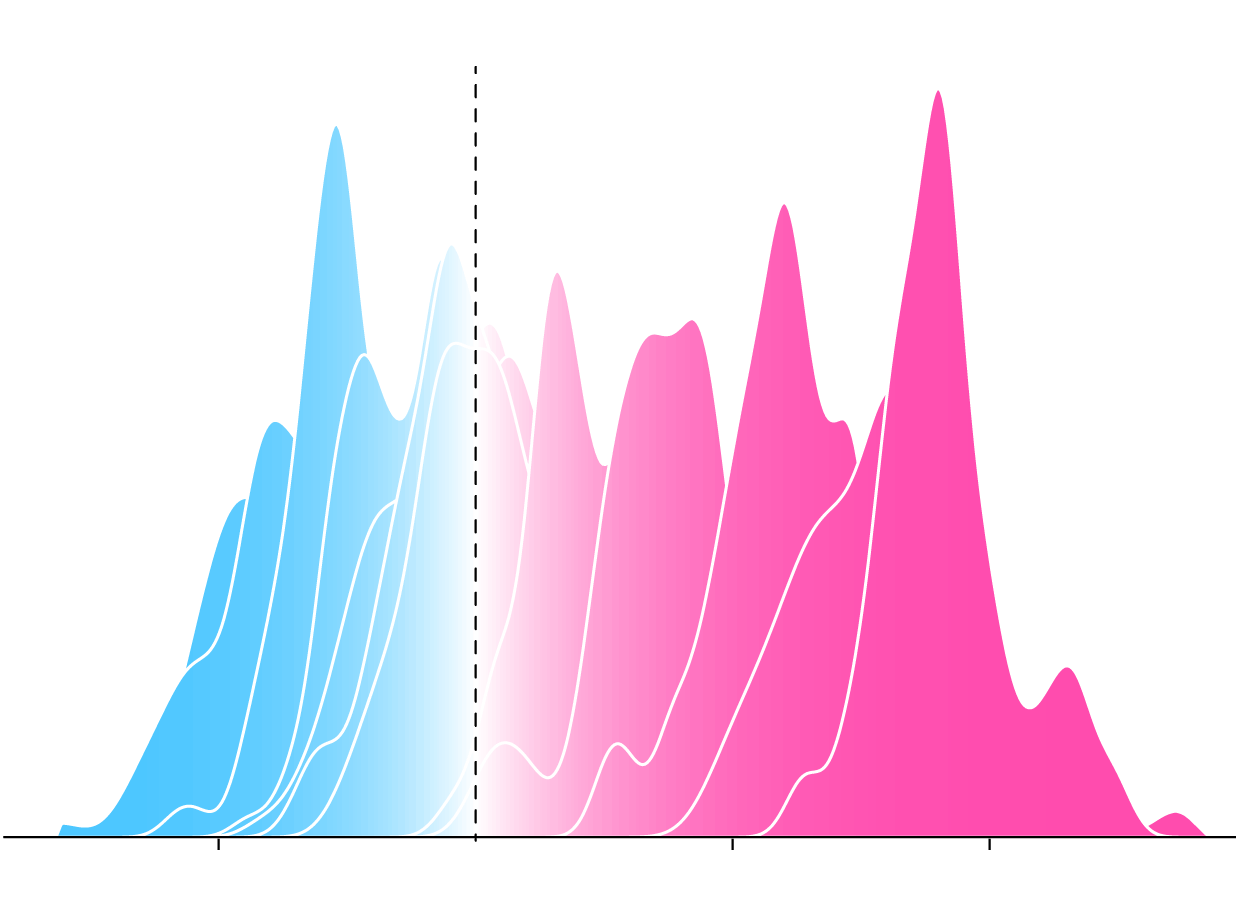
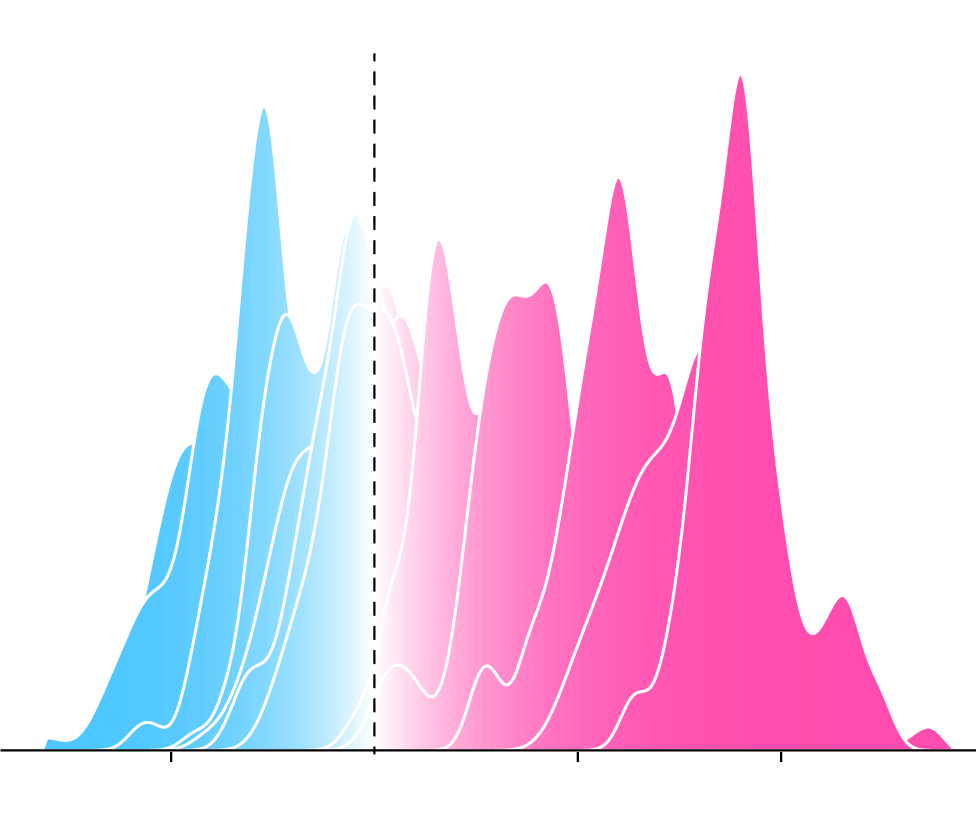
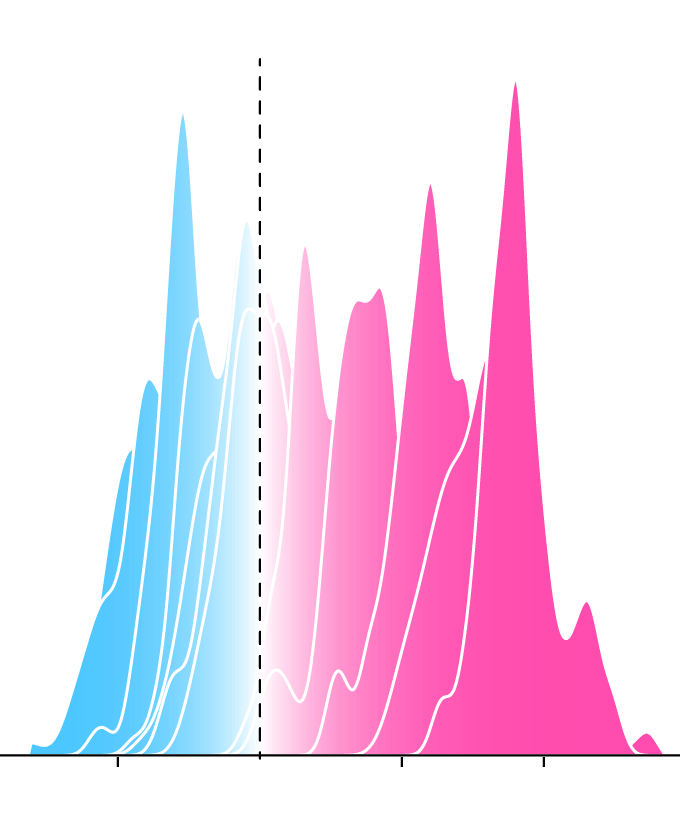
That’s what we’re seeing this summer. This heat isn’t just uncomfortable and inconvenient — it kills. Hundreds have died from heat stress so far this year, and high temperatures caused at least 60,000 fatalities in Europe last summer. The decrease in cold weather and spike in hot weather is also wreaking havoc on everything from plant life to animal species to industrial activity. To illustrate how, we unpacked four examples from around the world.
From hotter summer extremes hitting nuclear power output in France and coral reefs in the Florida Keys, to fewer winter cold days helping a forest pest spread in the US and warmer springs in India lowering wheat output, these are signals of life on a planet that is 1.2C warmer.
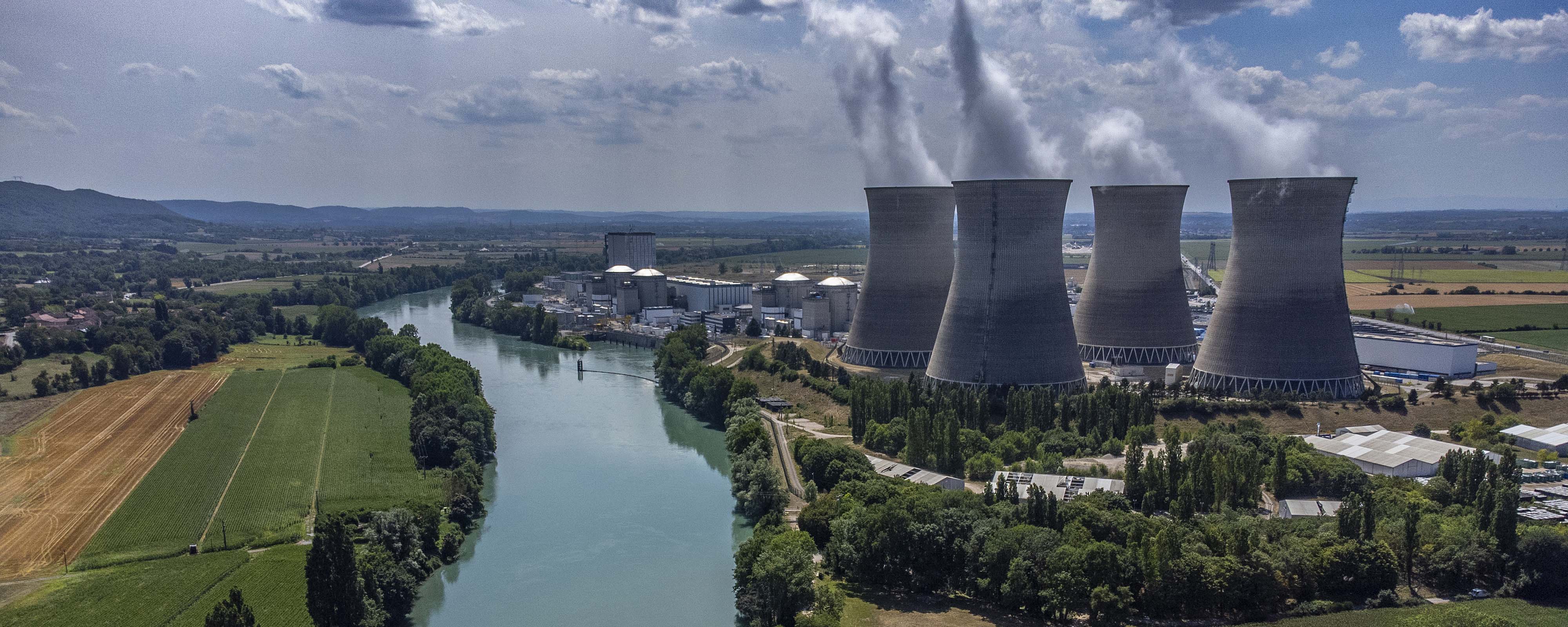
Extreme summer heat is curtailing nuclear power output in France
Nuclear power is increasingly cited as a tool for fighting climate change, given its lack of greenhouse gas emissions. But hotter water can pose a risk to thermal power plant output, including at some nuclear plants
One type of nuclear plant that uses “open cooling” or an “open cycle” relies on nearby bodies of water to help cool its reactors. “What is technically being cooled is the condenser,” a heat exchanger that turns steam back into water, says Staffan Qvist, managing director at tech consultancy QuantifiedCarbon. That water is then returned to the waterway it came from, warmer but without having touched any nuclear material.
The colder the water coming into an open-cycle plant, the more effective it is at cooling the reactors. Warmer water can also be more dangerous to aquatic life when it’s sent back into the environment heated up. That’s why regulators require power plants to cut back on production if water temperatures are too high.
Nuclear Power Plants Provide Energy Throughout France
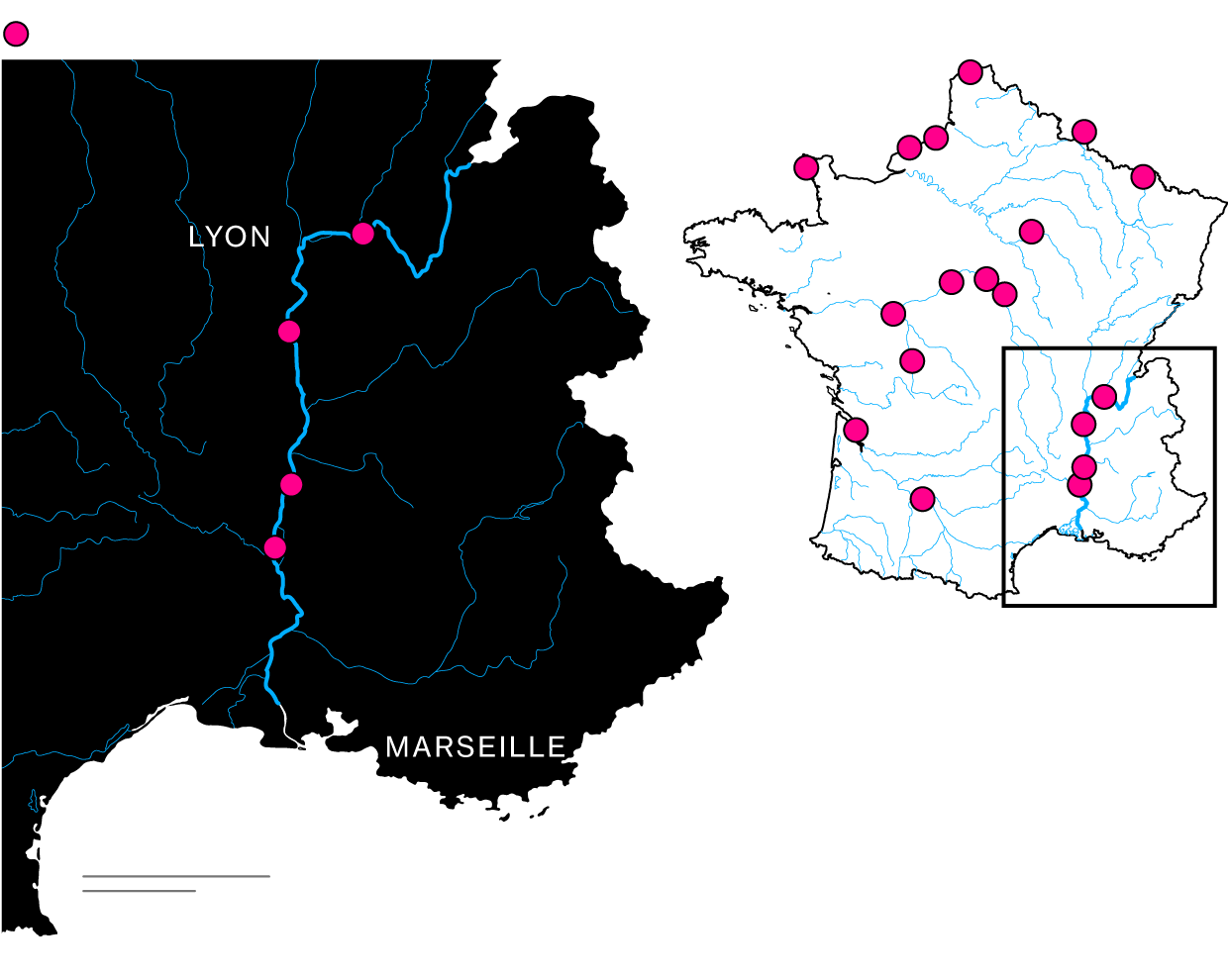
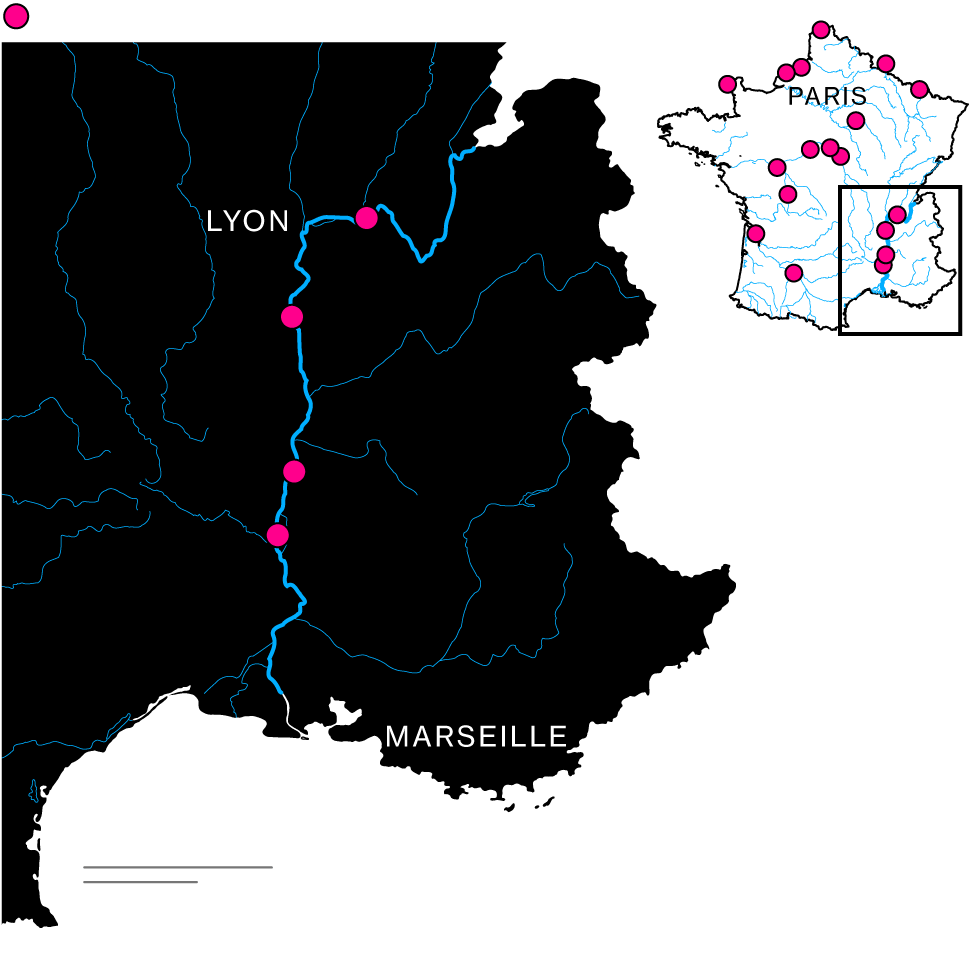
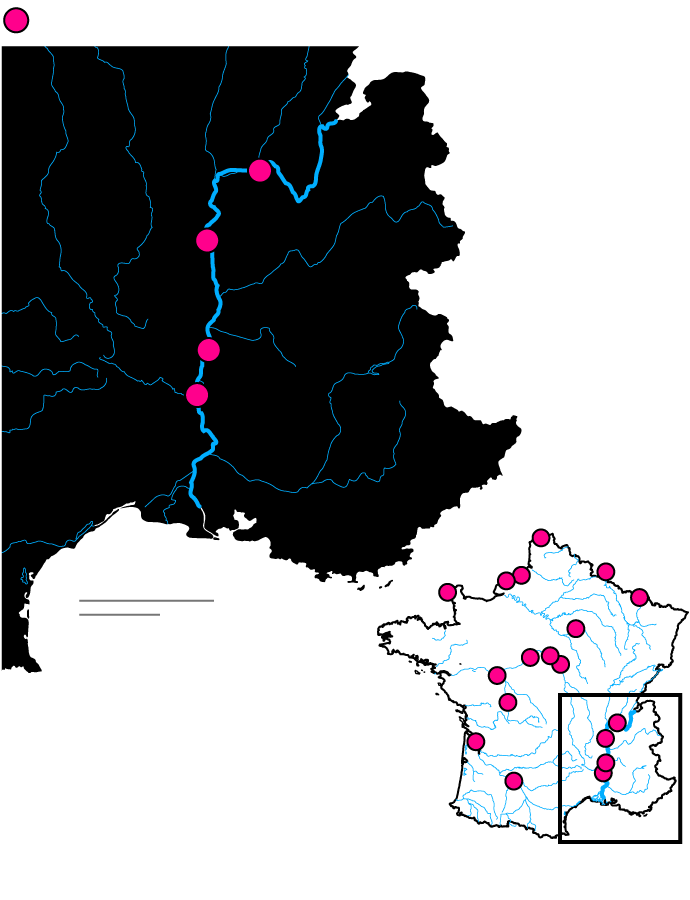
France, which gets about 70% of its electricity from nuclear power, is a case study in what can happen when extreme heat hits rivers. Last month, state-run French utility Electricite de France SA (EDF) announced that it would briefly curb production at one of its Bugey power station reactors due to high water temperatures in the nearby Rhone River.
It wasn’t the first time. The regulatory threshold for “too high” water temperatures on the Rhone varies from 24C to 29C, with some exceptions for periods of high demand. During heat waves in 2003, 2006, 2018, 2019 and 2022, data show that at least one of EDF’s four older nuclear plants along the Rhone ran into production-cut issues due to high temperatures.
Higher Water Temperatures Threaten Nuclear Power Production



Heat’s overall impact on nuclear power is thus far tiny, and newer plants often avoid the problem entirely by using systems less dependent on external water, or designed to accommodate warmer water. Since 2000, extreme heat has been responsible for just 0.1% of nuclear power plant outages across Europe; in France it’s 0.15%, according to Qvist.
But it’s “a problem happening with increased frequency,” said Chris Gadomski, head of nuclear research at BloombergNEF. France’s heat-related nuclear outages are projected to grow to 1.5% by 2050.

Record summer heat is causing mass bleaching of Florida’s coral reefs
Coral reefs are some of the most biodiverse habitats on the planet, frequented by fish, lobsters, crab, sea turtles and more. By one measure, 25% of the ocean’s species visit or live in them. Derek Manzello, who runs the Coral Reef Watch program at the National Oceanic and Atmospheric Administration, calls reefs the “rainforests of the sea.”
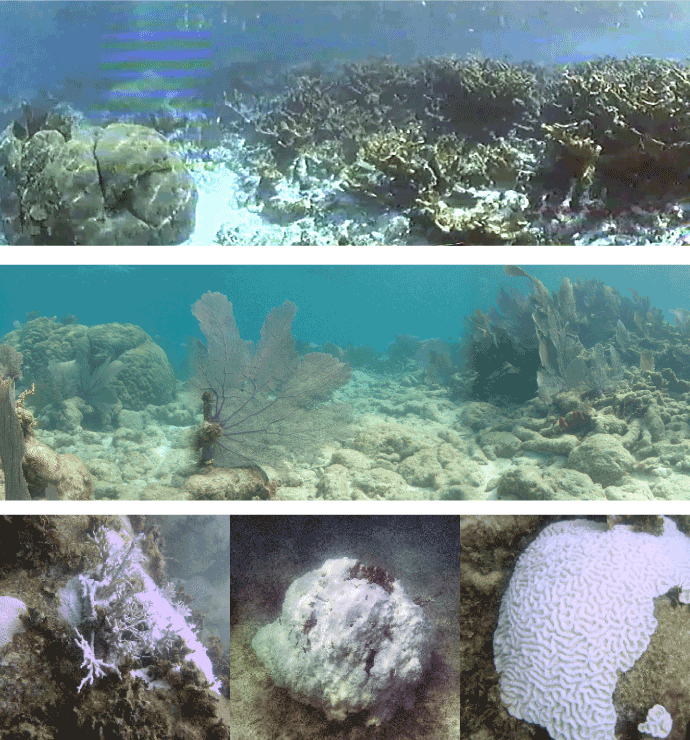
Reef-building corals have a symbiotic relationship with algae, which not only live on the reef structure and give the coral color but also provide the bulk of its food and energy. Corals and their algae are also “really, really sensitive to increases in temperature,” Manzello says. When the water heats up, algae can damage the coral, so the coral expels them in a process that’s known as “bleaching” because it turns the reefs white.
Corals in the Florida Keys Are Living in Extreme Heat



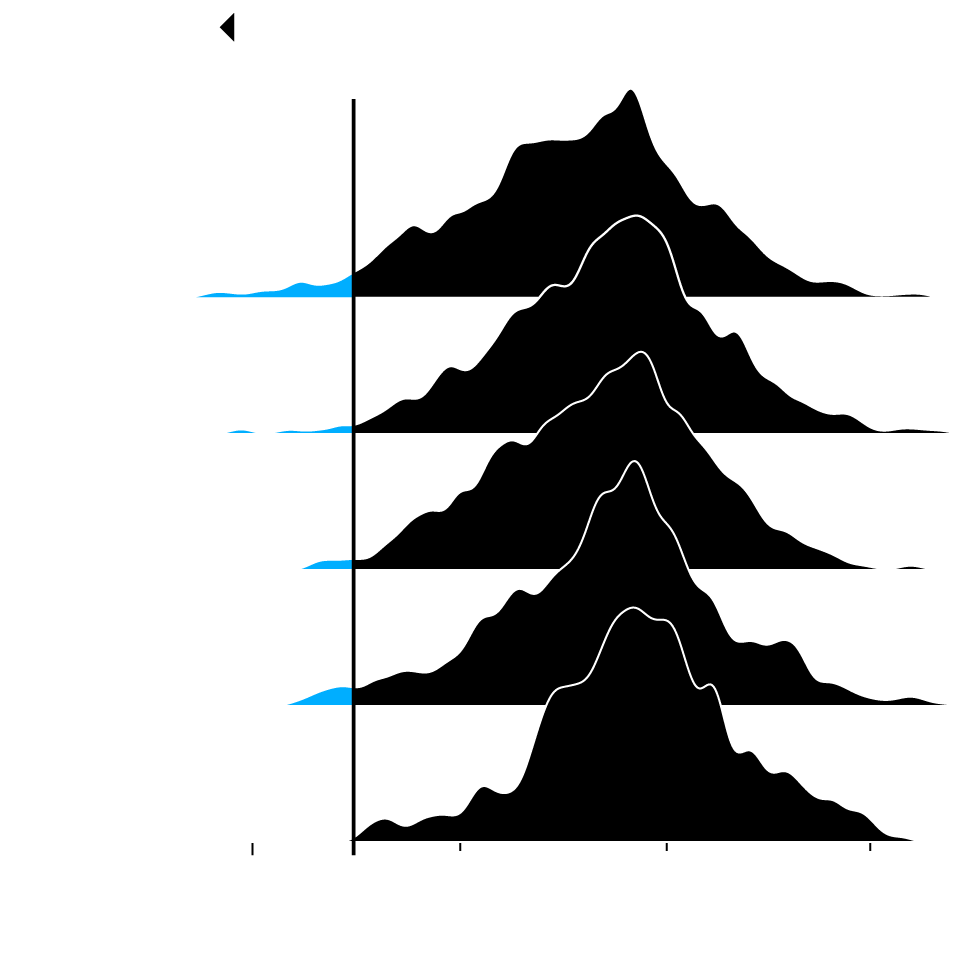
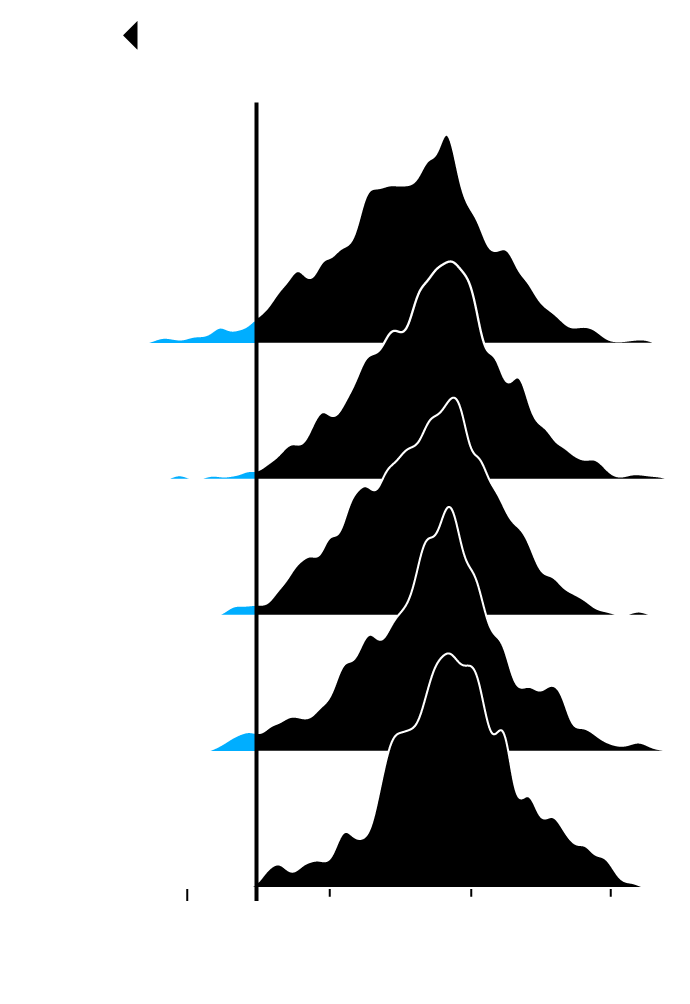
As corals begin to bleach, they are alive but in a “state of slow starvation,” Manzello says. If bleaching lasts for an extended period, the corals die. For the corals off the Florida coast, all it takes to kickstart bleaching is for sea surface temperatures to climb 1C above the maximum monthly mean, which is based on a rough average for 1985 to 1993. If ocean temperatures are even hotter, bleaching starts sooner and progresses faster.
Unprecedented Heat Stress in The Florida Keys
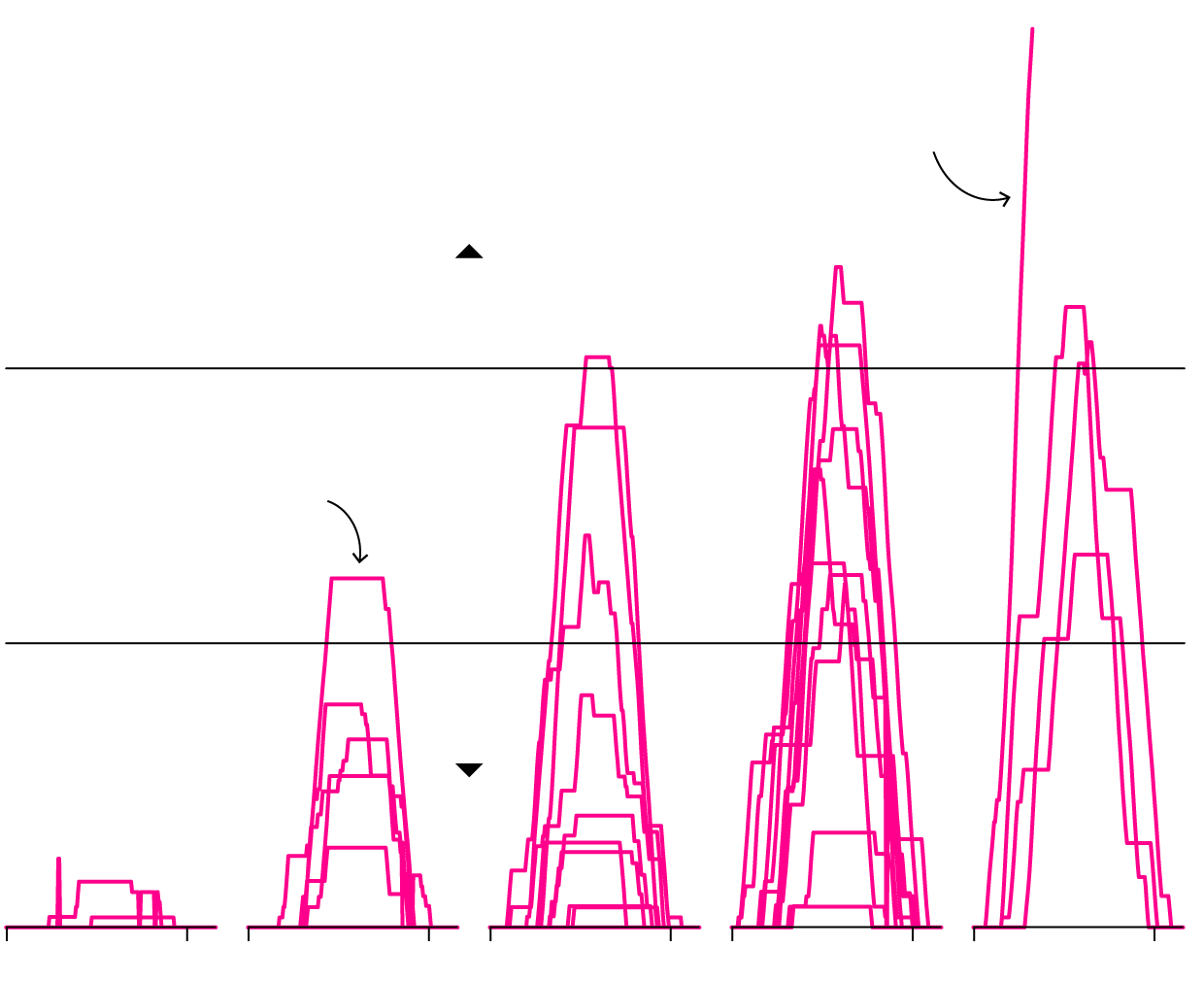
The early onslaught of extreme heat in July 2023 could mean a more prolonged period of heat stress than in past years
1985–89
1990–99
2000–09
2010–19
2020–23
More
heat
stress
Potential coral mortality
Each line represents heat stress from June through December for one calendar year
Significant bleaching
Less
heat
stress
Jun
Dec
Jun
Dec
Jun
Dec
Jun
Dec
Jun
Dec
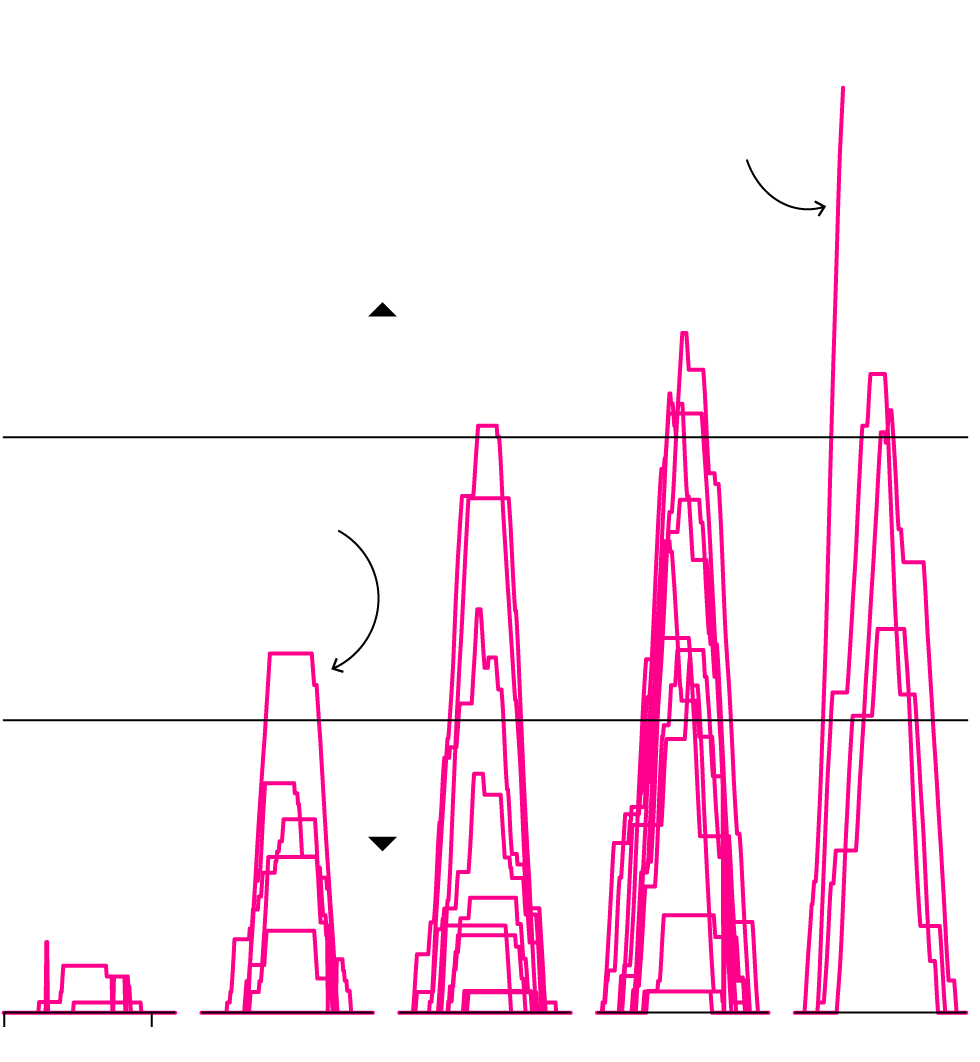
The early onslaught of extreme heat in July 2023 could mean a more prolonged period of heat stress than in past years
1985–89
1990–99
2000–09
2010–19
2020–23
More
heat
stress
Potential coral
mortality
Each line represents heat stress from June through December for one calendar year
Significant bleaching
Less
heat
stress
Jun
Dec
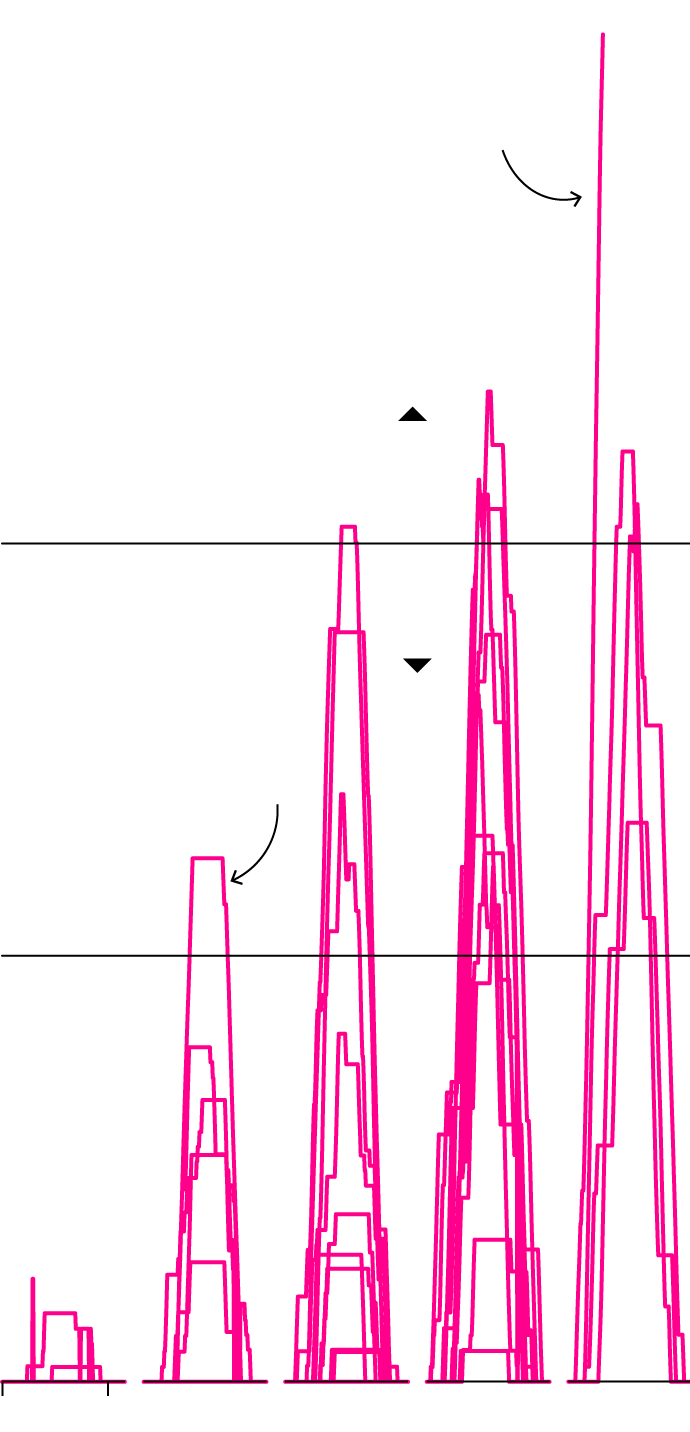
The early onslaught of extreme heat in July 2023 could mean a more prolonged period of heat stress than in past years
1985–89
1990–99
2000–09
2010–19
2020–23
More
heat
stress
Potential coral
mortality
Less
heat
stress
Each line represents heat stress from June through December for one calendar year
Significant bleaching
Jun
Dec
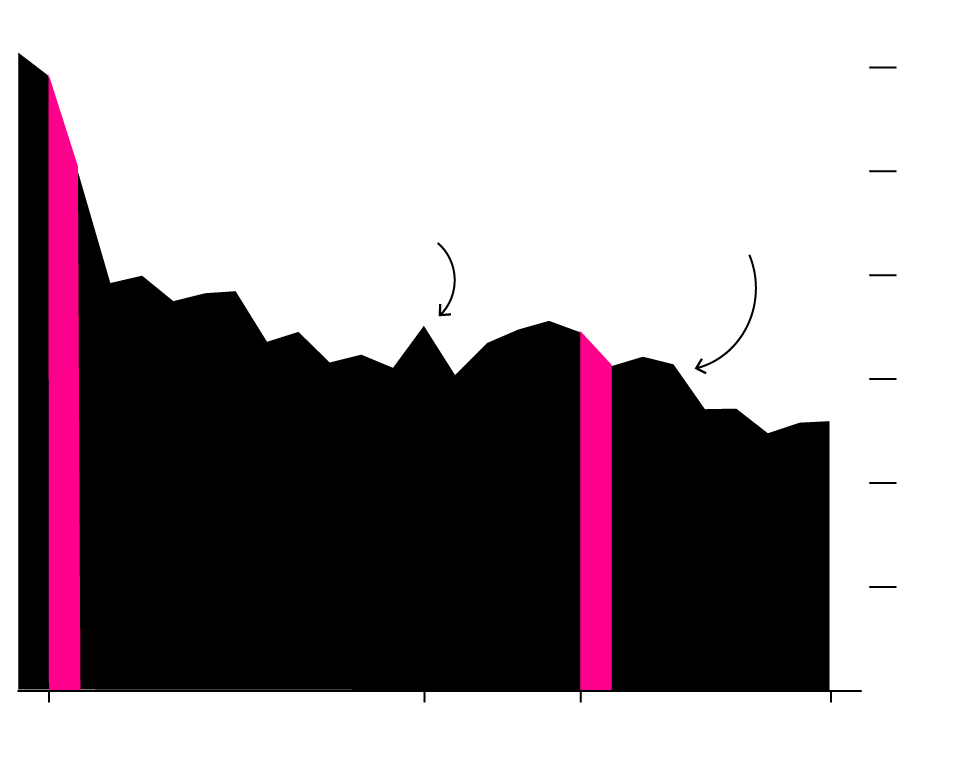
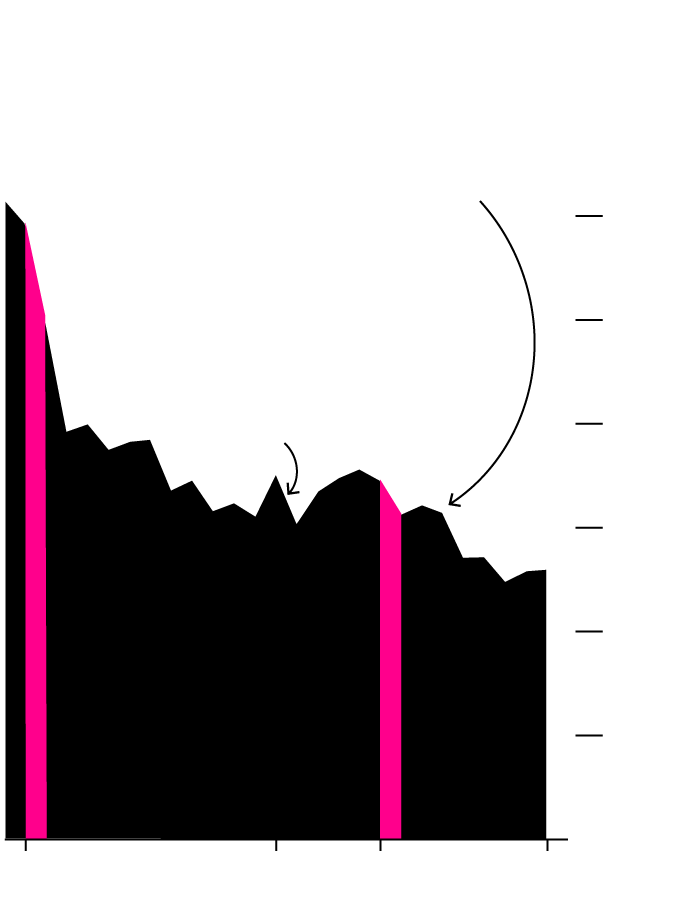
This summer, ocean temperatures off the Florida coast surged a whopping 3C above the average, in part due to the current El Niño atop the longer trend of climate change. Manzello describes current ocean temperatures as “a huge anomaly” and “off the charts,” noting that coral reefs are in the real “danger zone at this level of heat stress.”
The tourism value of the state’s coral reefs is estimated at $1.1 billion annually. According to the Florida Department of Environmental Protection, the reefs support 71,000 jobs in the southern part of the state.
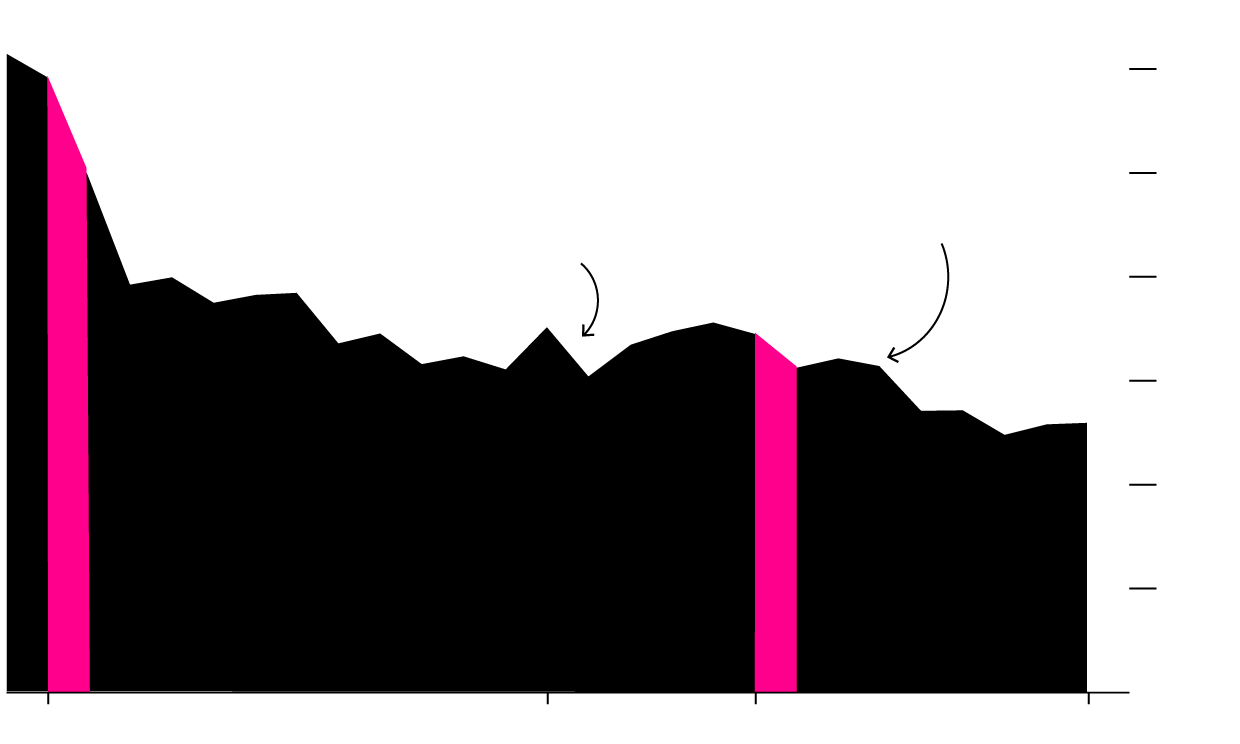
Florida Keys Coral Cover Is Down by More Than Half Since 1996
12%
12% cover
Previous El Niño events
A lethal disease first reported in the Keys in 2014 contributed to coral moralities
10
An abnormally cold winter killed corals
8
6
5%
4
2
0
1997
2009
2014
2022
12%
12% cover
Previous El Niño events
A lethal disease first reported in the Keys in 2014 contributed to coral moralities
10
An abnormally cold winter killed corals
8
6
5%
4
2
0
1997
2009
2014
2022
A lethal disease first reported in the Keys in 2014 contributed to coral moralities
12%
12% cover
Previous El Niño events
10
An abnormally cold winter killed corals
8
6
5%
4
2
0
1997
2009
2014
2022
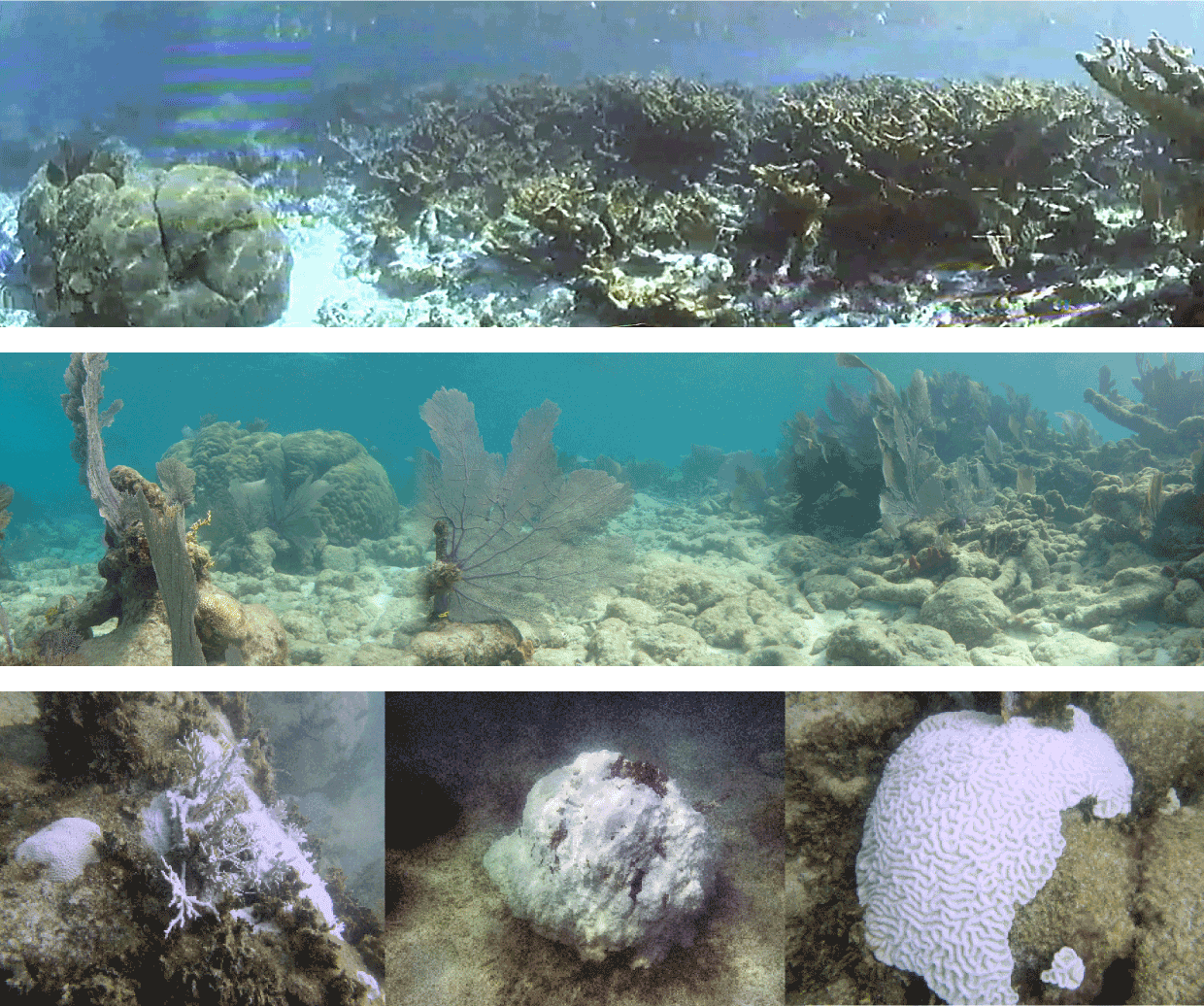
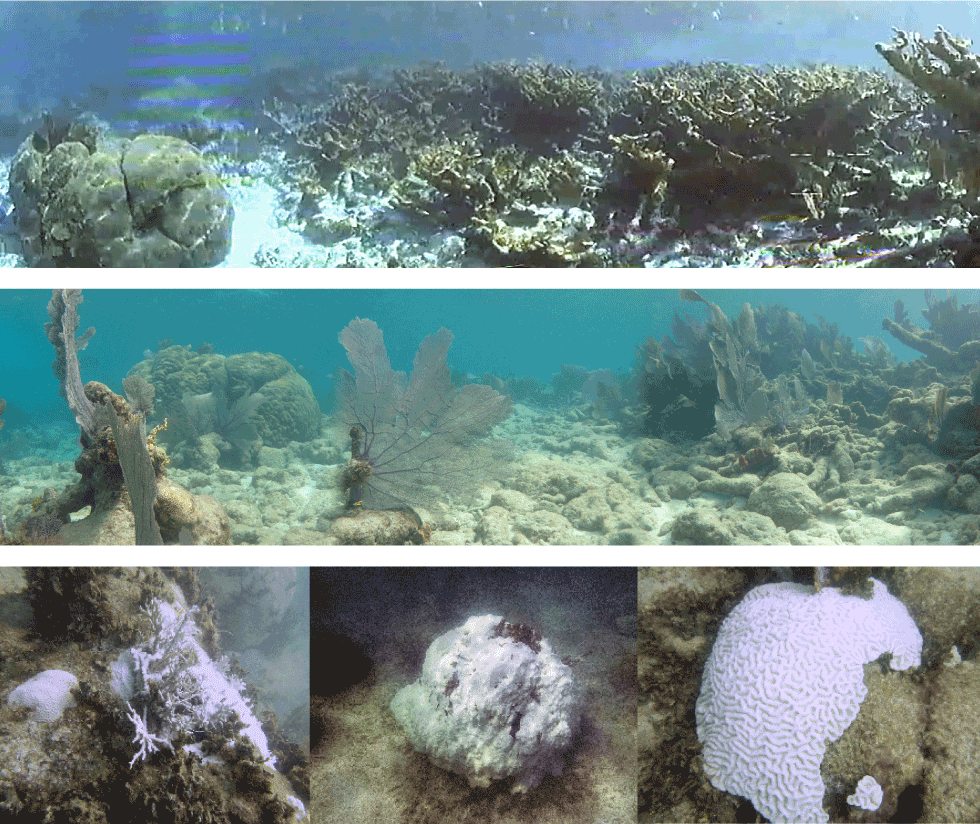
Lauren Toth, a research physical scientist at the USGS St. Petersburg Coastal and Marine Science Center, has witnessed the damage firsthand. For several straight weeks in July, Atlantic Ocean temperatures off Florida’s coast hovered in the 90s, at one point hitting 101F. On July 10, Toth went snorkeling in the “bathtub”-like waters and started to see “a little bit of paling” in the Florida Keys reefs. By July 18, “everything was absolutely stark white — not a single coral seemed to be spared in these sites.”
1996
Healthy corals with algae
Healthy coral
Grecian Rocks
2020
Healthy coral
Coral in above photo likely killed by 1997-98 extreme heat event
Grecian Rocks
2023
Bleached brain coral
Bleached areas with no algae
Cat’s Paw Reef
Jaap Reef
Cat’s Paw Reef
1996
Healthy corals with algae
Healthy coral
Grecian Rocks
2020
Healthy coral
Coral in above photo likely killed by 1997-98 extreme heat event
Grecian Rocks
Bleached areas with no algae
Bleached brain coral
2023
Cat’s Paw Reef
Jaap Reef
Cat’s Paw Reef
1996
Healthy corals with algae
Healthy
coral
Grecian Rocks
2020
Healthy
coral
Coral in above photo likely killed by 1997-98 extreme heat
Grecian Rocks
Bleached
areas with
no algae
2023
Bleached
brain
coral
Cat’s Paw Reef
Jaap Reef
Cat’s Paw Reef
The key thing reefs need to recover is cooler water, but there’s no relief in sight: The Gulf of Mexico and Atlantic Ocean are usually at their warmest in August and September. Toth has seen “progressive loss” of reefs through bleaching throughout her career, but this time is “worried they are not going to survive.”
Milder winters are expanding the reach of the tree-killing southern pine beetle in the US
All over the world, rising temperatures are forcing species to migrate northward and to higher altitudes in search of cooler climes. Some species, though, are thriving in the heat and expanding their habitats accordingly. Take the southern pine beetle, a forest pest native to the southern US, which is following its voracious appetite northward as winters get less cold.
Milder New Jersey Winters Are Allowing More Beetles to Survive
Although only the size of a grain of rice, the southern pine beetle is considered “one of the most aggressive tree-killing insects in the world,” says Matthew Ayres, a professor of biological sciences at Dartmouth University.
Thousands of pine beetles can swarm and kill a pine tree in a matter of days, and many types of pine trees are vulnerable to attack. Forests from Texas to Virginia, made up of loblolly, longleaf and other types of pines, have been impacted by outbreaks. One outbreak in the southern Appalachian Mountains destroyed trees across five states between 1998 and 2002, causing about $1 billion in damages, according to John Nowak, a Forest Service entomologist at the US Department of Agriculture.
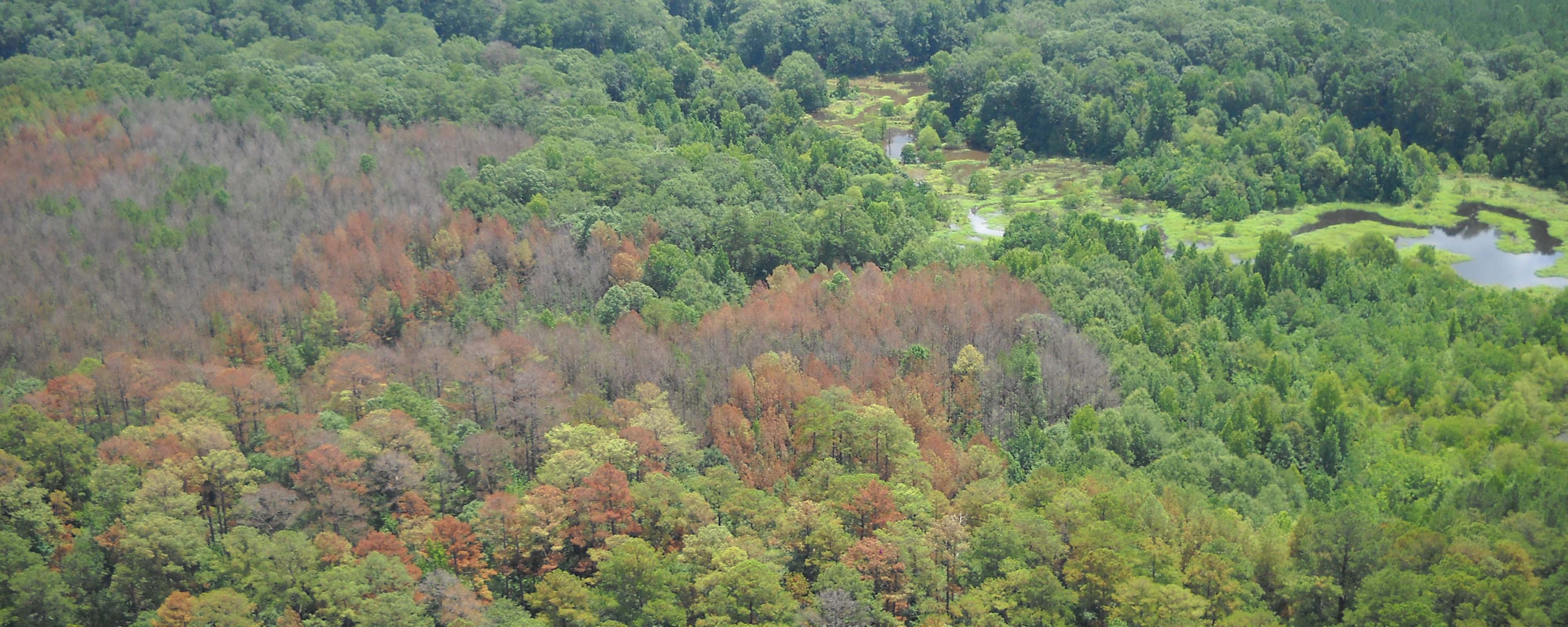
“There’s a positive feedback in the population dynamics,” Ayres says, meaning that the more beetles there are, the more effective they are at both killing trees and producing more beetles. During outbreaks, dead pines can be seen from above as brown patches in otherwise green forests.
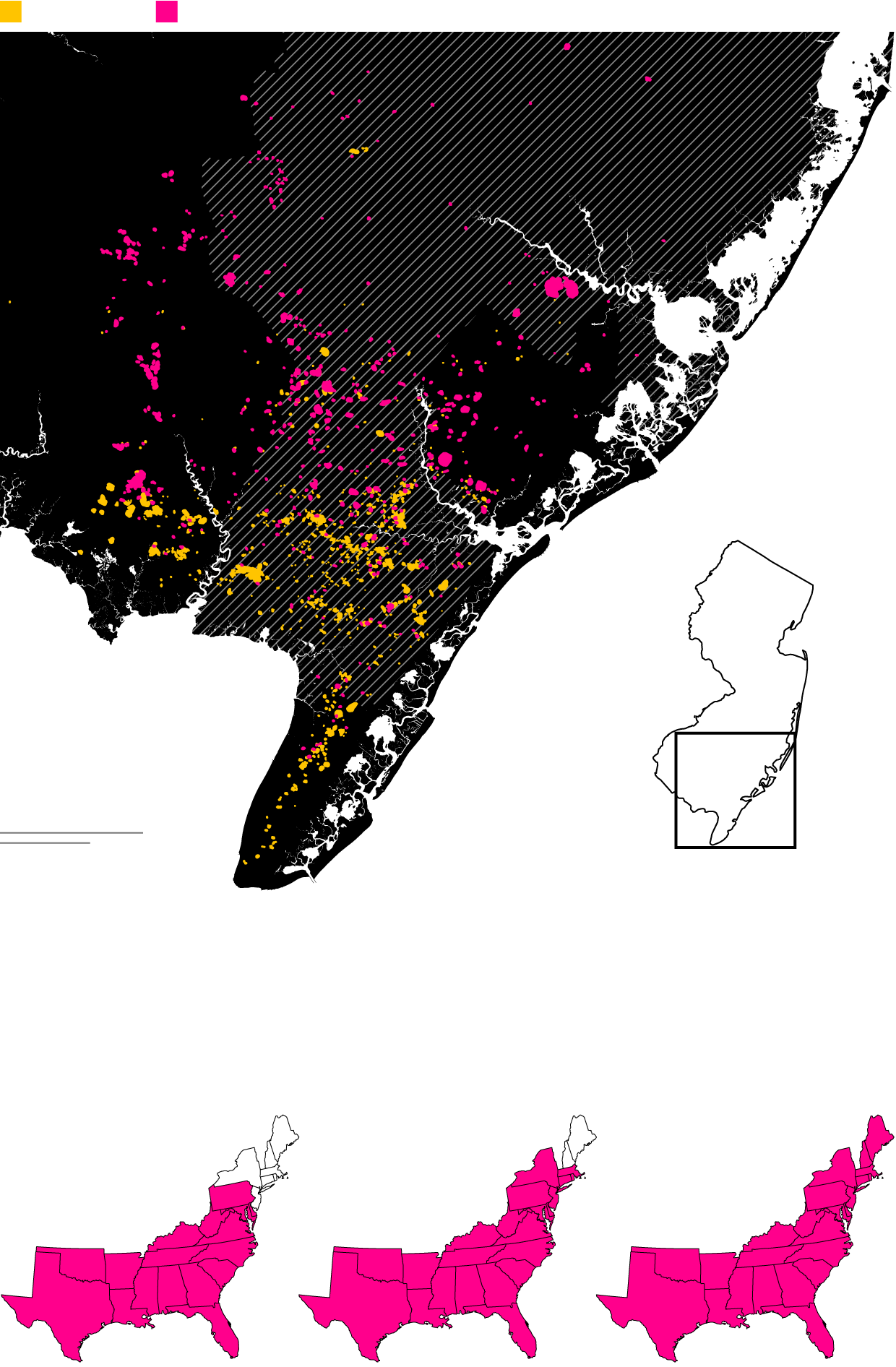
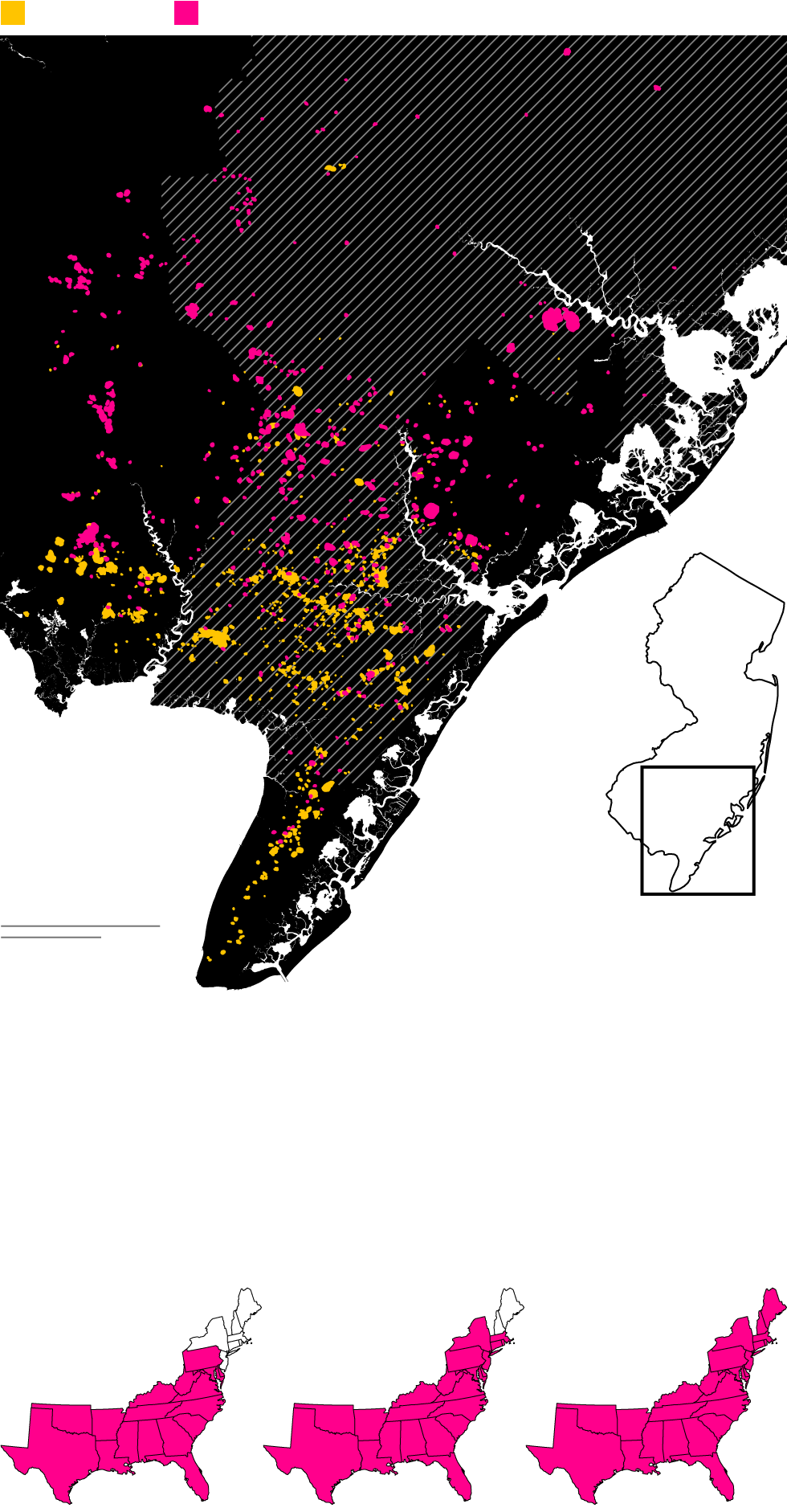
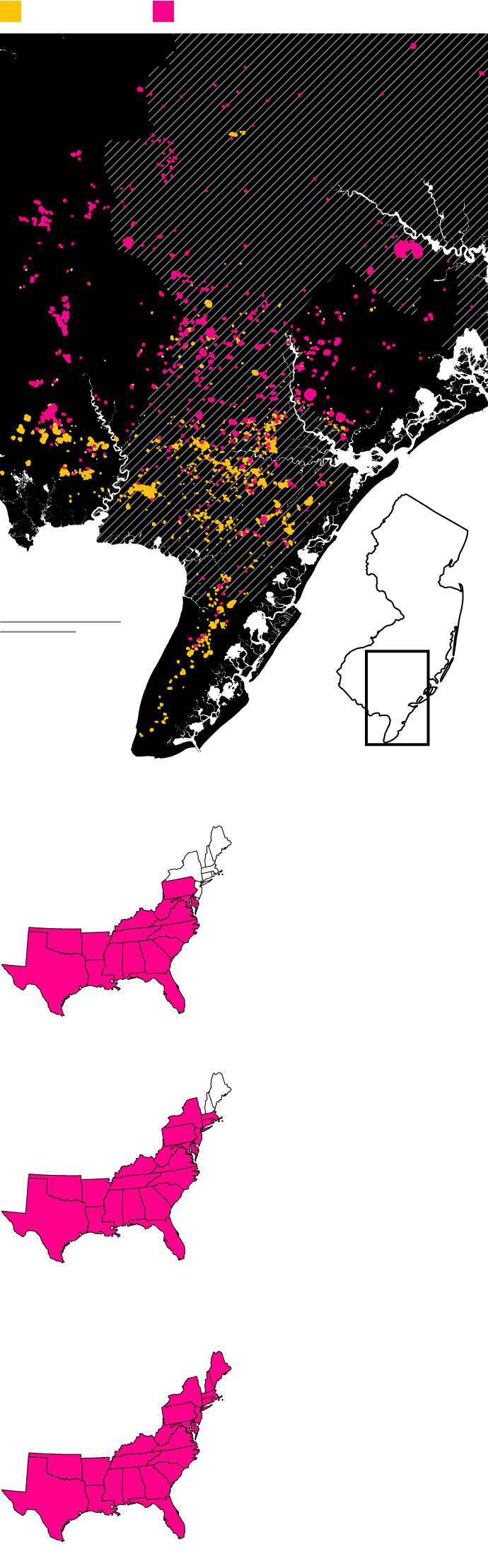
When Ayres started studying the southern pine beetles a few decades ago, researchers wondered why they weren’t found north of Maryland and Virginia, given the availability of pine trees up the East Coast. Studies provided an answer: The beetles freeze and die between –10C and –18C (14F to –2F). As the East Coast’s coldest days get less cold, southern pine beetles have been establishing footholds farther and farther north.
A Warm Winter in 2010 Spurred an Outbreak in New Jersey
2002–09
2010
New Jersey Pinelands
National Reserve
NEW
JERSEY
10 mi
10 km
Detail
Before 2000s
Beetles were recorded in southern states, with outbreaks concentrated in the southern part of this region.
2010s
An outbreak occurred in New Jersey in 2010. Infested trees were found on Long Island in 2014. Beetles were found in southern New England in 2015.
Today
Beetles were found in traps in New Hampshire, Maine and upstate New York in 2021.
2002–09
2010
New Jersey Pinelands
National Reserve
NEW
JERSEY
10 mi
Detail
10 km
Today
Beetles were found in traps in New Hampshire, Maine and upstate New York in 2021.
Before 2000s
Beetles were recorded in southern states, with outbreaks concentrated in the southern part of this region.
2010s
An outbreak occurred in New Jersey in 2010. Infested trees were found on Long Island in 2014. Beetles were found in southern New England in 2015.
2002–09
2010
New Jersey Pinelands
National Reserve
NEW
JERSEY
10 mi
10 km
Detail
Before 2000s
Beetles were recorded in southern states, with outbreaks concentrated in the southern part of this region.
2010s
An outbreak occurred in New Jersey in 2010. Infested trees were found on Long Island in 2014. Beetles were found in southern New England in 2015.
Today
Beetles were found in traps in New Hampshire, Maine and upstate New York in 2021.
Back in 2000, researchers forecast that warmer winters would mean regular pine beetle outbreaks up to 111 miles (170 kilometers) north of where they were found at the time — specifically in the event of a 3C increase in both the average minimum temperature and standard deviation around that average. It only took a decade for temperature averages to jump that much.
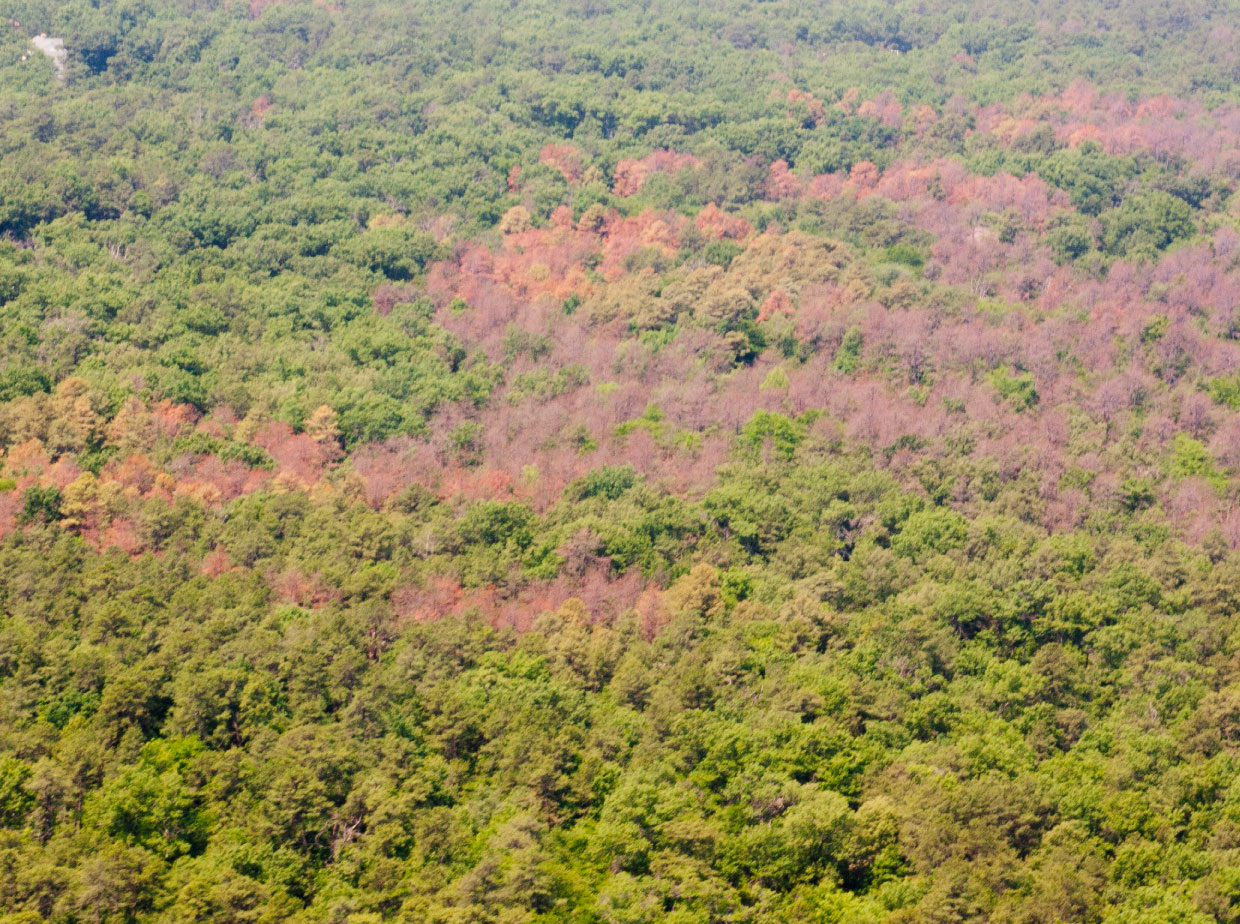
Healthy pine trees
in New Jersey
Pine trees damaged
by southern pine beetle
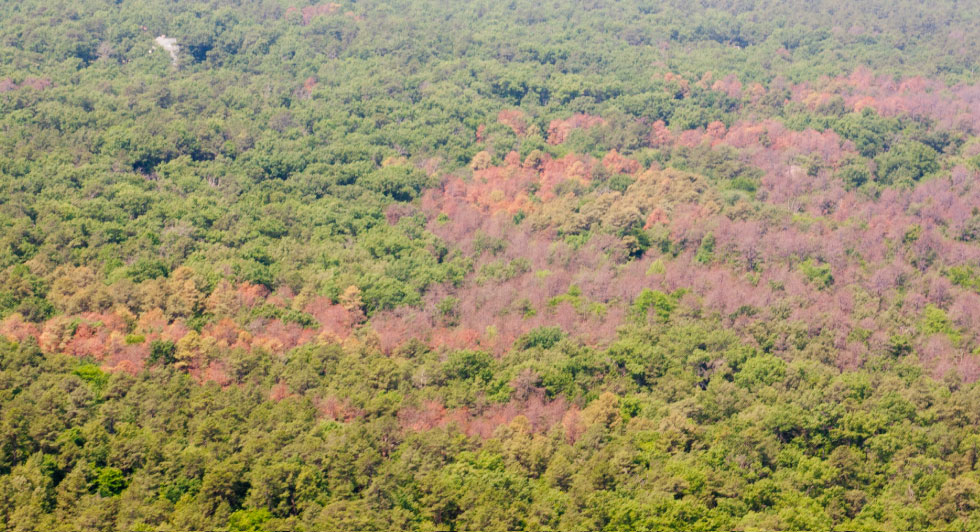
Healthy pine trees
in New Jersey
Pine trees damaged
by southern pine beetle
Healthy pine trees
in New Jersey
Pine trees damaged
by southern pine beetle
The beetles aren’t thriving alone. Warming winters are helping mosquitoes expand their range, sometimes bringing along malaria and other diseases. Rising temperatures and climate-linked changes in precipitation have also contributed to a boom in Maine of brown-tail moth caterpillars, whose hairs cause itchy rashes on humans.
“There’s a little bit of future shock — holy cow, this is happening so fast,” says Ayres, speaking to Bloomberg Green from a tent in the mountains of New Hampshire. “There’s going to be a rising tide of all kinds of new organisms like in the place where I am sitting now.”
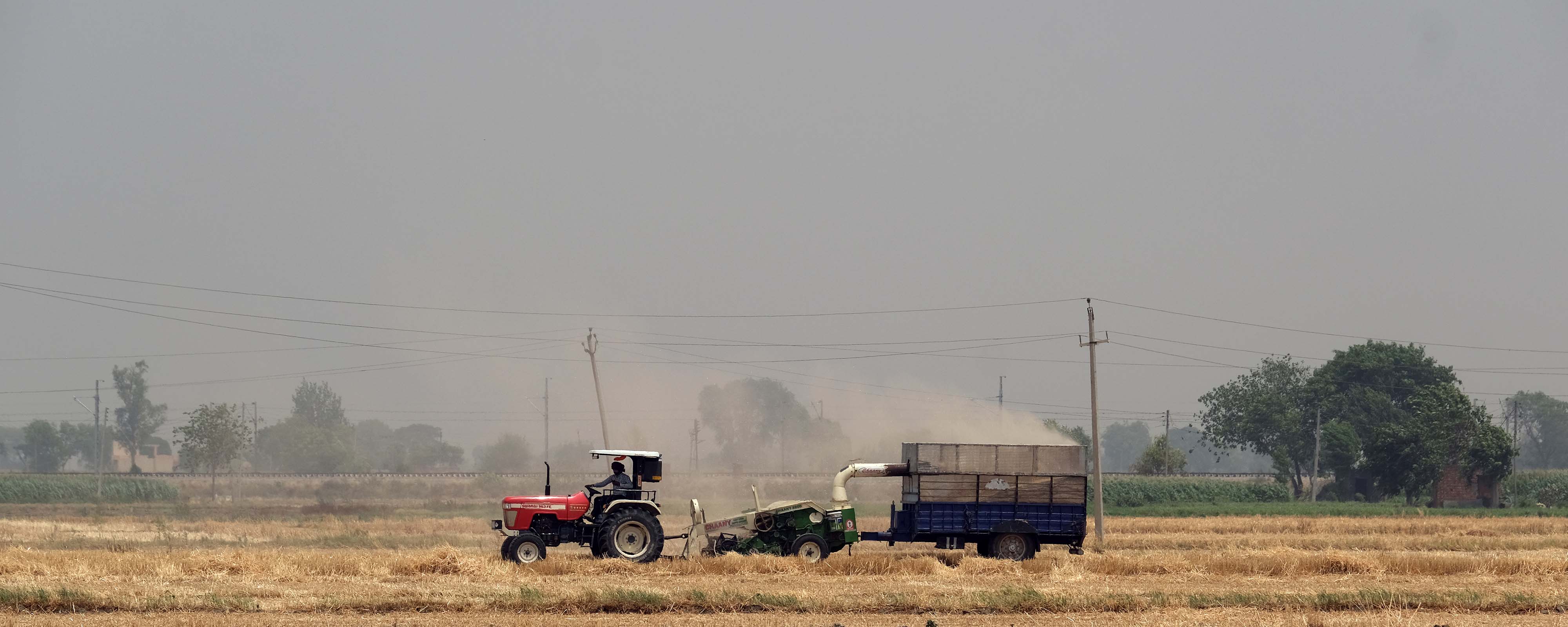
Warmer temperatures in the spring have reduced wheat production in India
For most of the past decade, India’s wheat production kept going up. The country is one of the top wheat producers in the world, and last year expected a yield so huge that it planned to export record levels of the crop — capitalizing on an increase in demand created by Russia’s war on Ukraine. Then a heat wave changed everything.
Across the northern half of India, where much of the country’s wheat is grown, a slow increase in temperatures over the past few decades has had little effect on agriculture. Even heat waves are relatively routine. “The impact is hardly noticeable in the annual production data as these instances happen in pockets,” says Abhishek Gupta, senior India economist at Bloomberg Economics. “Last year’s heat wave was an exception.”
Northern India’s Springs Are Getting Warmer



What made the heat wave exceptional was not just its temperatures, which repeatedly topped 38C (100F), but when they arrived. The heat wave started in late February, months before northern India would usually see such heat; according to the government, parts of the country experienced the hottest March on record. When the heat wave ended in late May, it had aligned almost perfectly with the ripening and harvesting period for wheat.
A Warm Spring Pushed Down India’s Wheat Production

+6%
Hotter-than-average temperatures in the spring cut wheat production for the first time in eight years
+4
+2
0
–2
2015–16
2016–17
2017–18
2018–19
2019–20
2020–21
2021–22
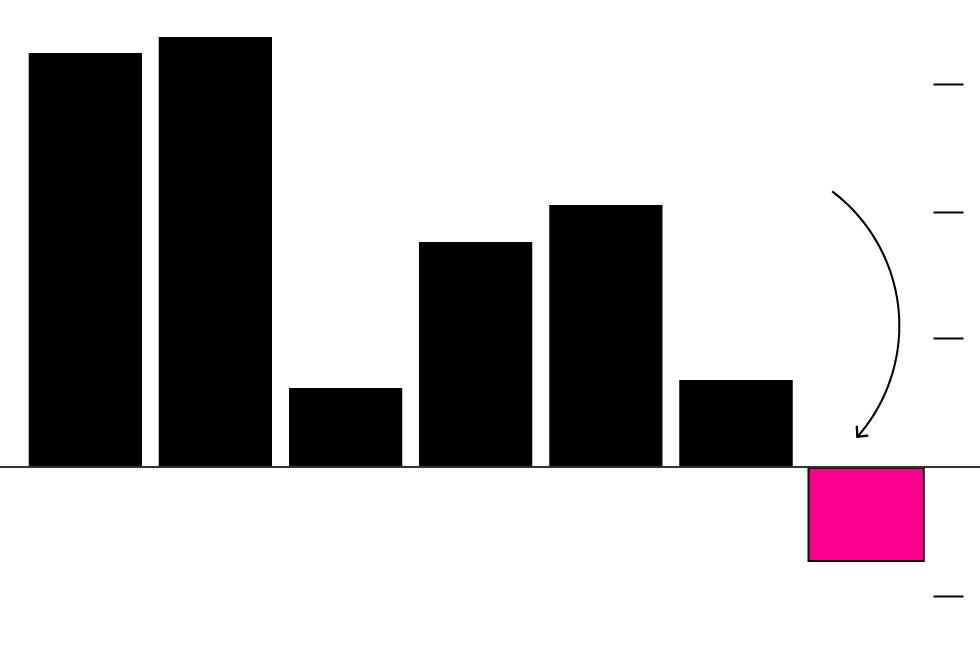
Hotter-than-average temperatures in the spring cut wheat production for the first time in eight years
+6%
+4
+2
0
–2
2015–16
2016–17
2017–18
2018–19
2019–20
2020–21
2021–22

+2
+4
–2
0
+6%
2015–16
2016–17
2017–18
2018–19
2019–20
2020–21
Hotter-than-average temperatures in the spring cut wheat production for the first time in eight years
2021–22
Confronted with extreme heat, wheat — like all plants — reduces its rate of photosynthesis, producing less sugar and starch. Around 34C (93F), Indian wheat starts to experience heat stress, according to Mariam Zachariah, a climate scientist at Imperial College. The longer the wheat is exposed to high temperatures, the more stressed it gets. Eventually, it starts to die.
That’s what happened last year. The situation got so dire that in May, India banned most wheat exports to ensure it would have enough supply for its own citizens.
Zachariah and other climate scientists at World Weather Attribution, which researches the link between climate change and extreme weather, estimated that last year’s early heat in India and Pakistan was 30 times more likely because of global warming. “The same event would have been about 1C cooler in a pre-industrial climate,” they wrote, noting that such events will become “more common and hotter” in the future.
This spring, India experienced another heat wave as well as flooding. The government says wheat crops have staged a full recovery — hitting a record high of 112.7 million tons in 2023, compared with 107.7 million tons in 2022. But there’s reason to be skeptical. In June, one trade body estimated India’s actual wheat harvest for this year was at least 10% lower than government estimates.
Related ticker: