Young People Care More About Covid Than You Think

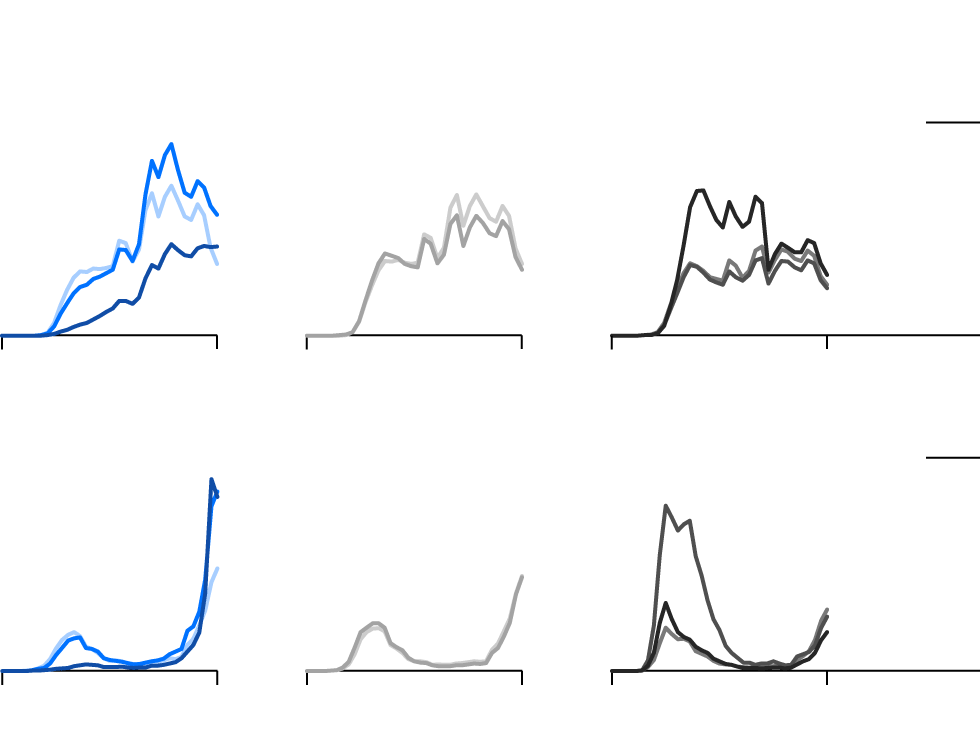
Since the summer holidays, young adults have taken much of the blame for surging Covid-19 infections. Small wonder. We’ve all seen the pictures and videos of youthful crowds spilling out of pubs at curfew. In some places, new cases are still highest among young people.
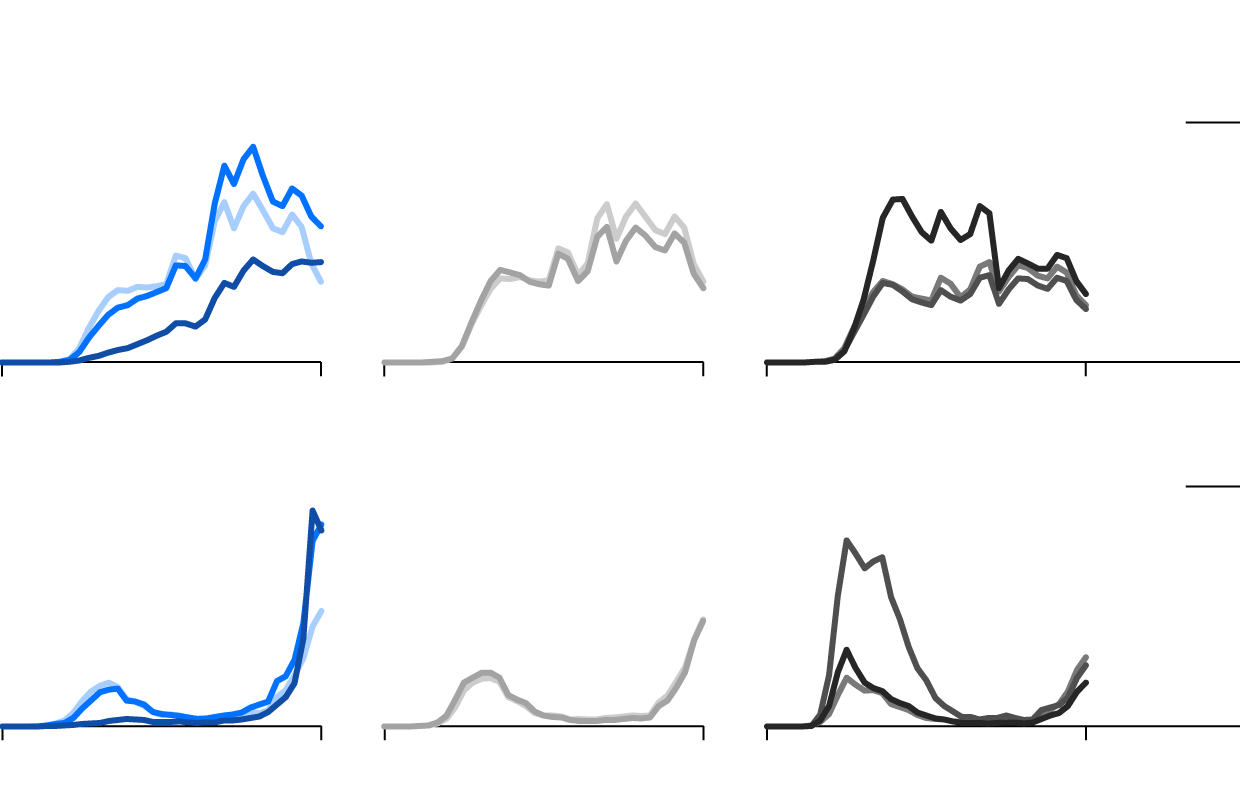
New cases per 100K by age group
150
U.S.
20–29
40–49
10–19
80+
50–59
60–69
30–39
70–79
0
Sept. 12
Jan. 25
U.K.
300
20–29
10–19
40–49
30–39
60–69
50–59
70–79
80+
0
Feb. 1
Oct. 10
New cases per 100K by age group
150
U.S.
20–29
10–19
80+
40–49
30–39
60–69
50–59
70–79
0
Sept.
Jan.
300
U.K.
20–29
10–19
40–49
30–39
50–59
60–69
70–79
0
80+
Feb.
Oct.
New cases per 100K by age group
U.S.
150
20–29
40–49
80+
50–59
60–69
10–19
70–79
30–39
0
Sept.
Jan.
U.K.
300
20–29
40–49
60–69
10–19
70–79
50–59
30–39
80+
0
Feb.
Oct.

New cases per 100K by age group
U.K.
300
U.S.
150
20–29
10–19
20–29
40–49
30–39
10–19
60–69
50–59
40–49
80+
30–39
70–79
50–59
60–69
80+
0
0
70–79
Feb. 1
Oct. 10
Sept. 12
Jan. 25
Note: U.S. is a two-week rolling average; U.K. is weekly data.
Yet it’s not fair to tar an entire generation, especially one that’s adrift by definition. Generation Z faces a lot of uncertainty. They’re striking out on their own, often living in shared accommodation or densely populated dorms. Many are taking personal risks at low-paid jobs in public-facing roles such as waiters or bar staff, for example.
Data tracking people’s attitudes during the pandemic reveal a more nuanced picture. It turns out that lots of young adults are doing their part to follow social distancing rules and that they’re closer in alignment with their elders than is commonly assumed.
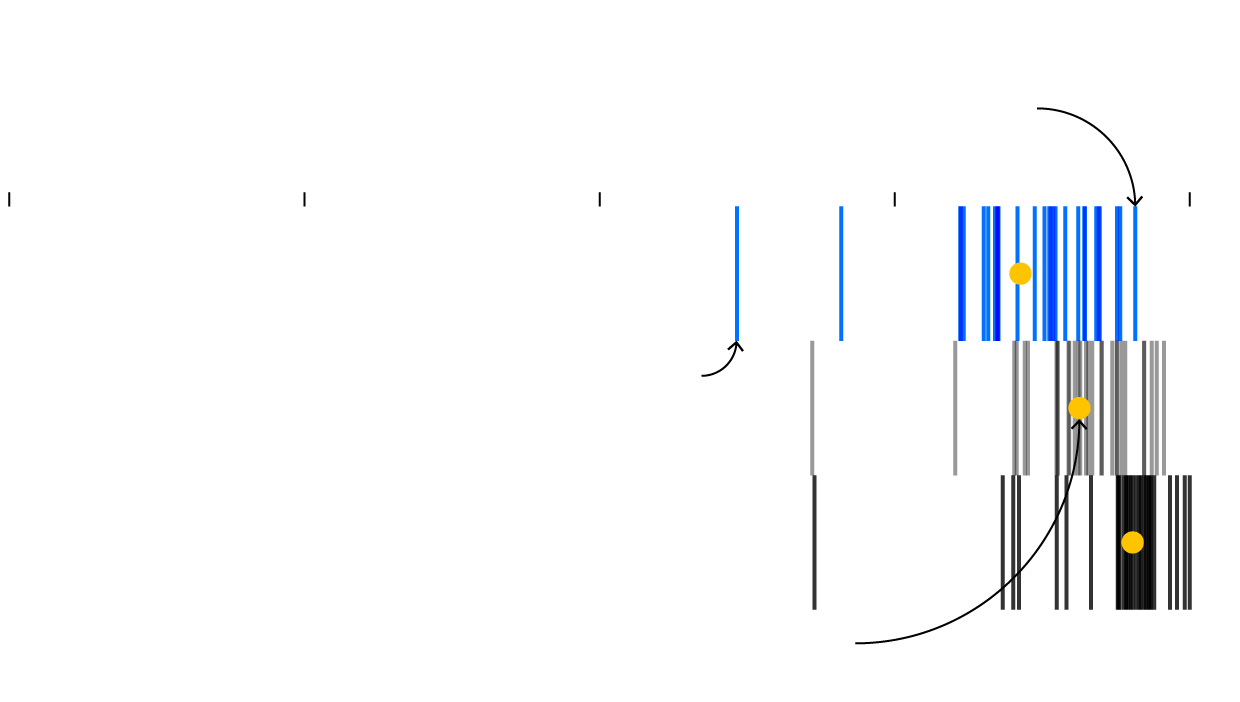
From April to October, the Imperial College/YouGov tracker asked thousands of adults in 29 countries how they are coping with the coronavirus. While these are self-reported behaviors, and may not fully reflect actual practices, surveys can provide useful impressions. The charts below illustrate the averages of those responses by country and by age group.
Washing Hands
- 18–24
- 25–64
- 65+
- Average of countries
Always, frequently washed hands with soap and water
95% of 18- to 24-year-old Mexicans say they
have always or frequently washed their hands
0
25
50
75
100%
Each line represents one country’s
average of responses over six months
91% of 25- to 64-year-olds in 29 countries say they
regularly washed their hands with soap and water

Always, frequently washed hands with soap and water
95% of 18- to 24-year-old Mexicans say they
have always or frequently washed their hands
0
25
50
75
100%
Each line represents one country’s
average of responses over six months
91% of 25- to 64-year-olds in 29 countries
say they regularly washed their hands
Always, frequently washed hands
95% of 18- to 24-year-old Mexicans
say they regulary washed their hands
0
25
50
75
100%
Each line represents
one country’s average
over six months
91% of 25- to 64-year-olds
in 29 countries say this
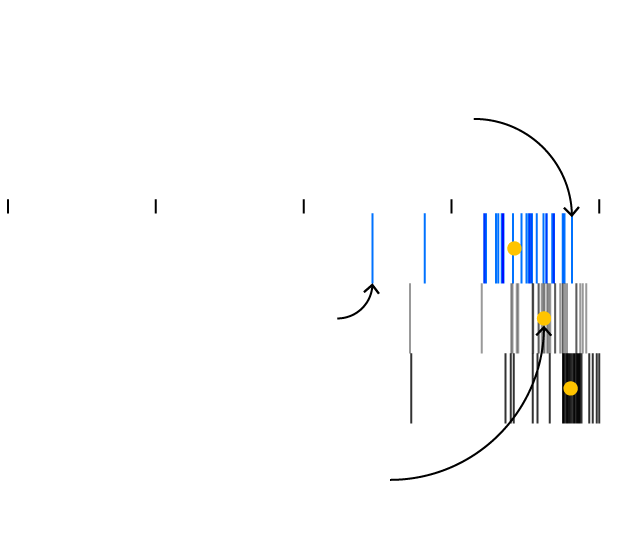
Health experts are clear that washing hands can save lives. During the pandemic, people across age groups have routinely cleaned their hands, though younger adults could be more consistent in some regions.
Wearing Face Masks

Always, frequently worn a face mask outside home
On average 74%
of young people
Denmark
0
50
100%
Sweden
Norway
On average half of 65+ say they
wore masks most of the time
Denmark
Sweden
Norway
Always, frequently worn a face mask outside home
Sweden
On average 74%
of young people
Denmark
0
50
100%
Norway
On average half of 65+
say they wore masks
most of the time
Denmark
Sweden
Norway
Always, frequently worn a face mask
Sweden
On average 74%
of young people
Denmark
Norway
0
50
100%
On average
half of 65+
Denmark
Sweden
Norway
Selected countries over time
Denmark
Norway
U.K.
100%
50
0
April
Oct.
Selected countries over time
Denmark
Norway
U.K.
100%
50
0
April
Oct.
Selected countries over time
Denmark
Norway
U.K.
100%
0
April
Oct.
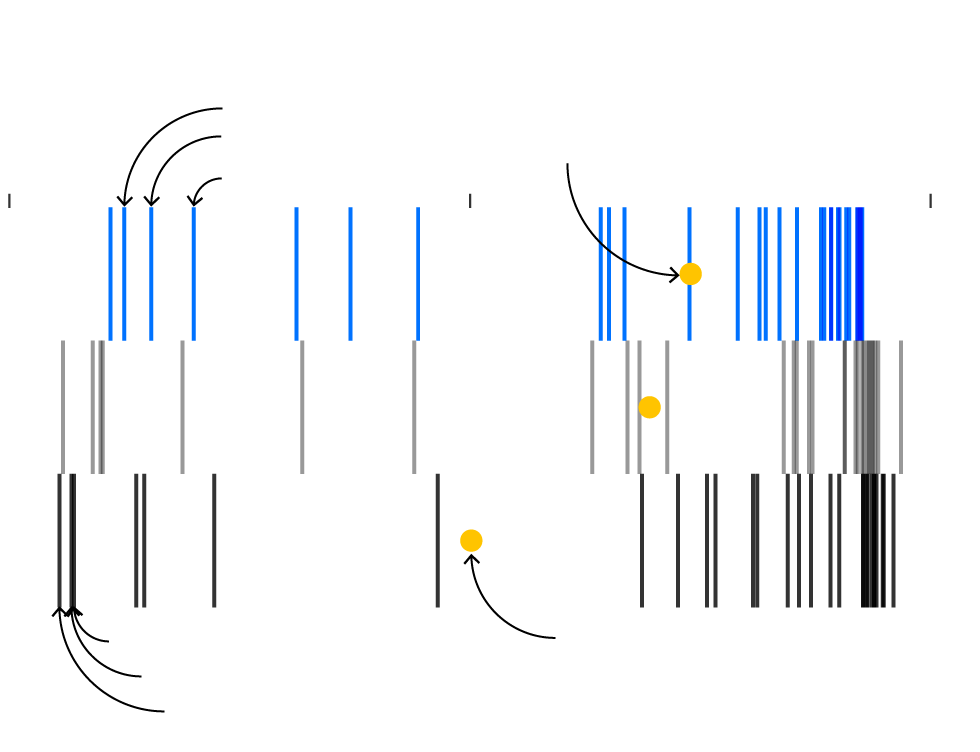
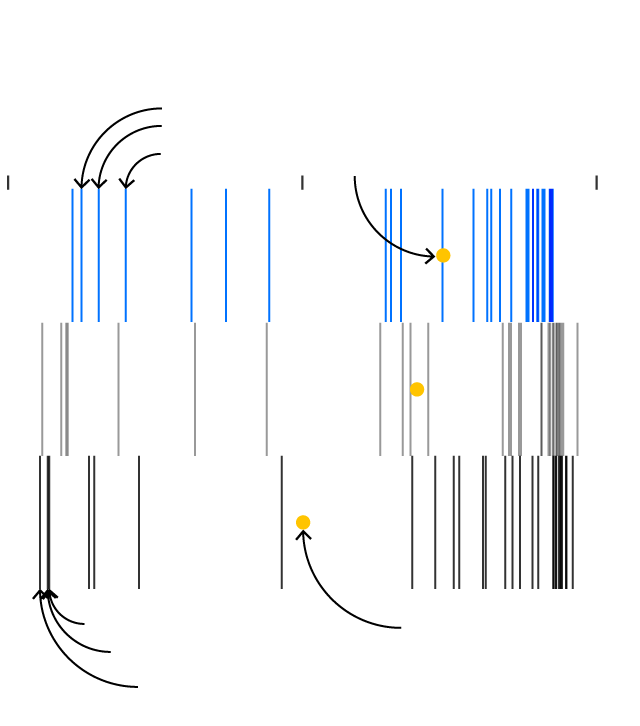
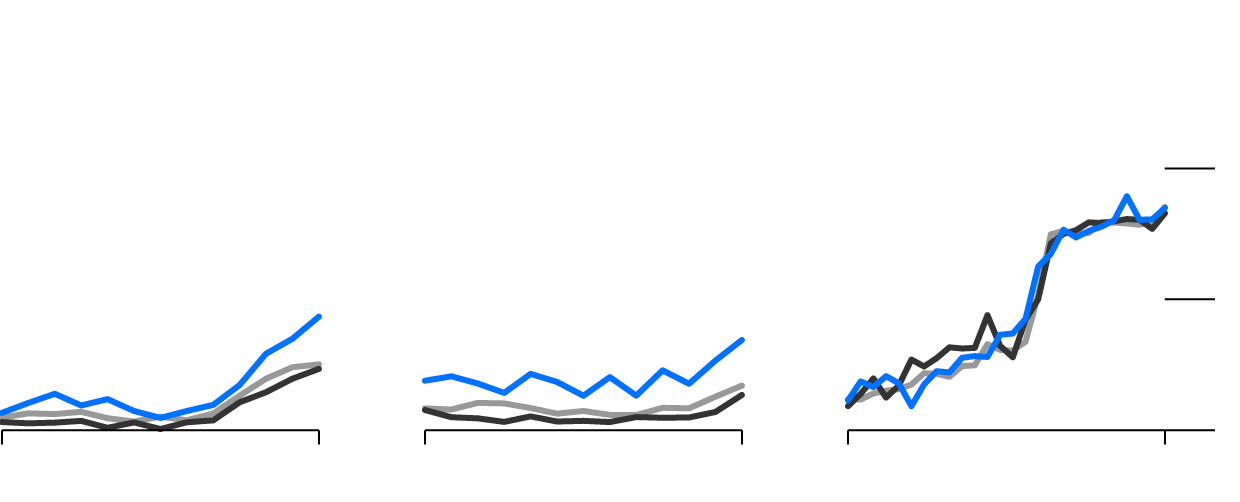
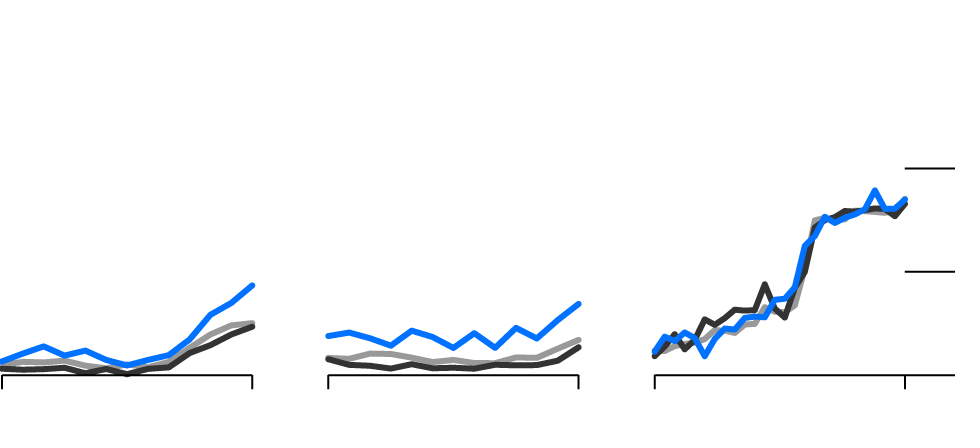
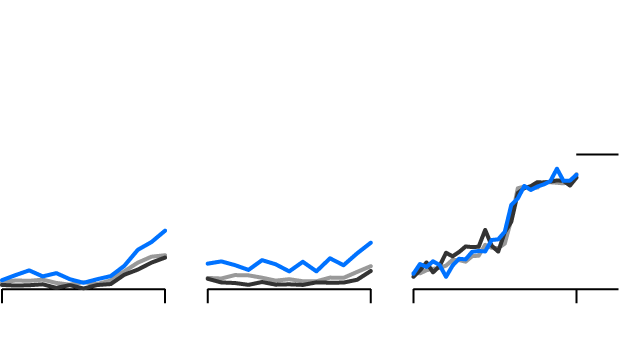
Studies have shown that masks are effective in protecting against Covid. Adoption across all age groups rose dramatically in many countries over time, particularly after governments passed rules mandating their use. On this measure, young adults have outdone their older counterparts. In Nordic countries where governments took longer to pass rules or didn’t make any recommendations at all, young people have been more open to adapting their behaviors.
Quarantining
Very, somewhat willing to self-isolate for seven days if advised
0
25
50
75
100%
Vietnam
67% of young Germans say they
are willing to quarantine for a week
Sweden
India
Japan

Very, somewhat willing to self-isolate for 7 days if advised
0
25
50
75
100%
Vietnam
67% of young Germans say they
are willing to quarantine for a week
Sweden
India
Japan
Very, somewhat willing to self-isolate
for seven days if advised
0
25
50
75
100%
Vietnam
67% of young Germans
say they are willing to
quarantine for a week
Sweden
India
Japan
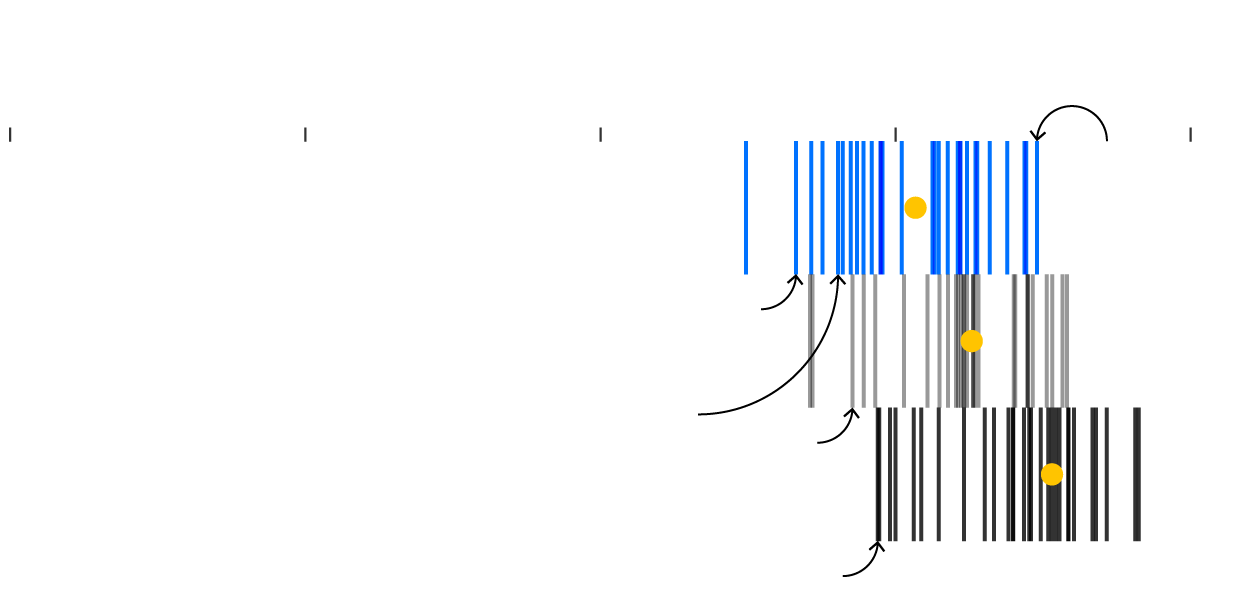
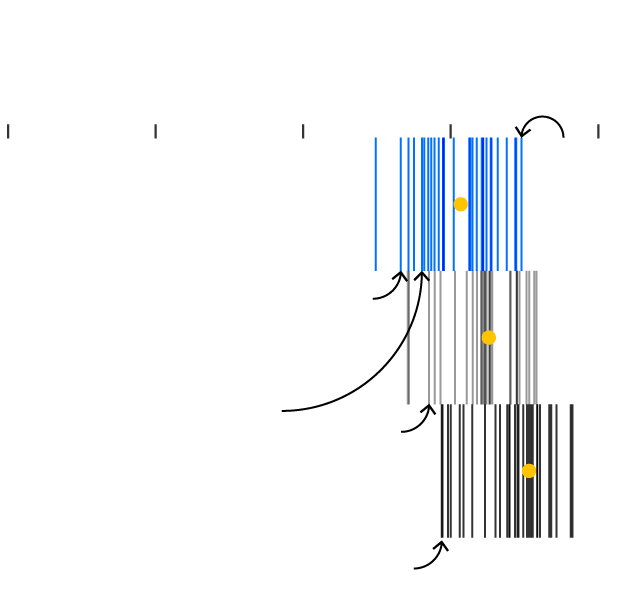
Since governments began placing restrictions on movement in early spring, the vast majority of people of all ages say they would listen to health professionals if told to quarantine for a week. Here, young adults’ readiness to do so isn’t that different from their parents’ age group. Even in regions that never had a central government lockdown, more than 60% of young people are very or somewhat willing to quarantine.
Avoiding Crowds
Always, frequently avoided crowded areas
0
25
50
75
100%
Italy
Spain
Taiwan
Norway
Finland
Taiwan
U.K.
Always, frequently avoided crowded areas
0
25
50
75
100%
Italy
Spain
Taiwan
Norway
Finland
Taiwan
U.K.
Always, frequently avoided crowded areas
0
25
50
75
100%
Italy
Spain
Taiwan
Norway
Finland
U.K.
Taiwan
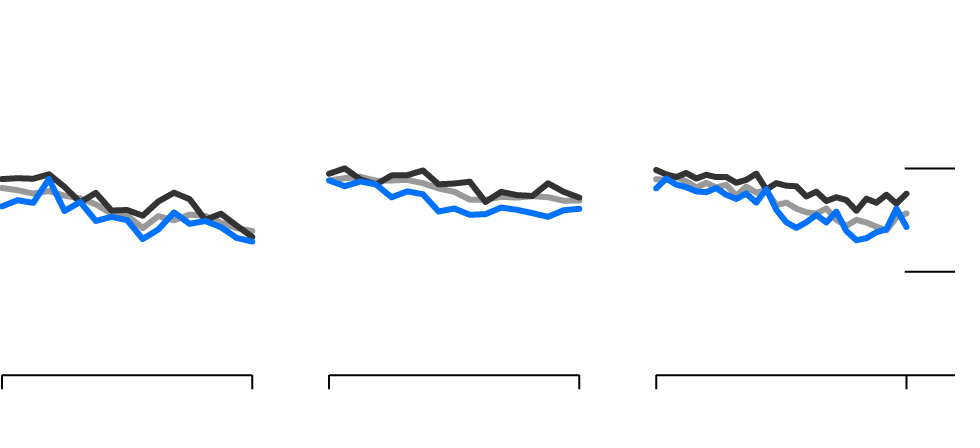
Selected countries over time
Australia
Spain
U.K.
100%
50
0
April
Oct.
Selected countries over time
Australia
Spain
U.K.
100%
50
0
April
Oct.
Selected countries over time
Australia
Spain
U.K.
100%
0
April
Oct.
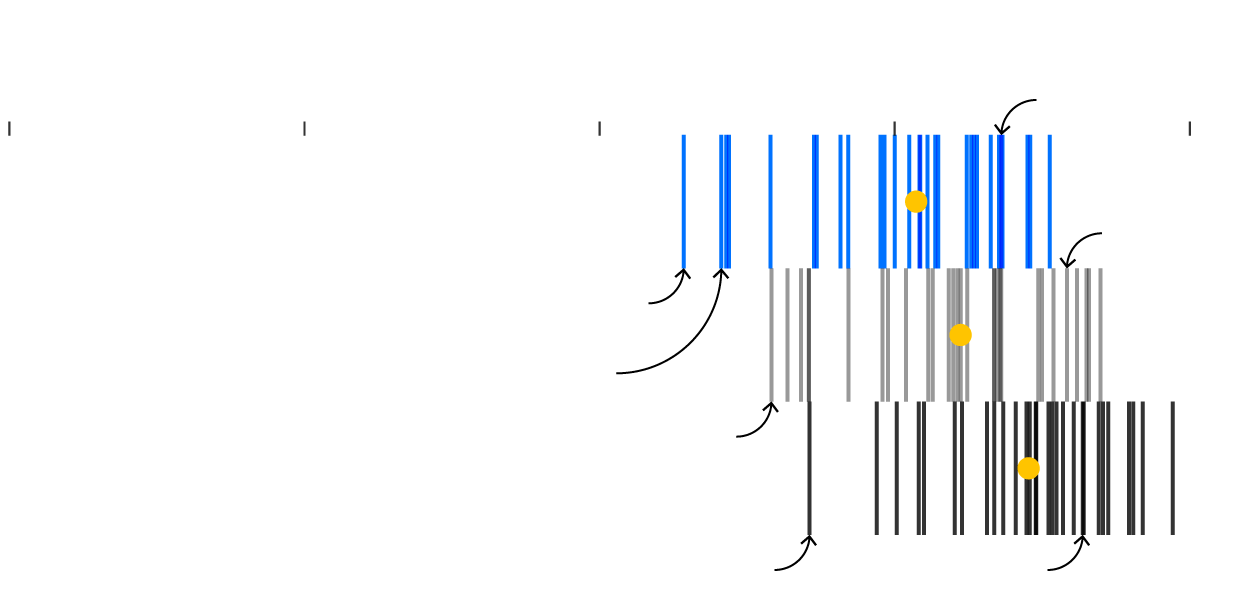
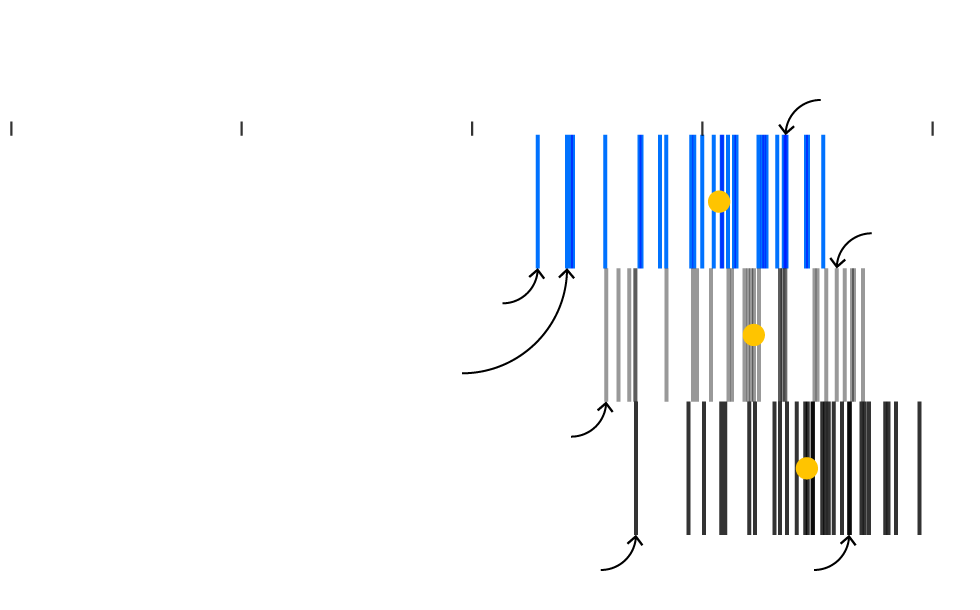
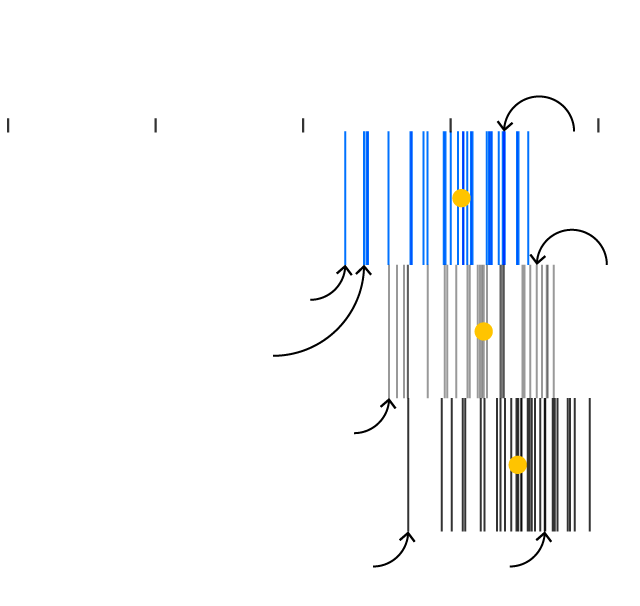
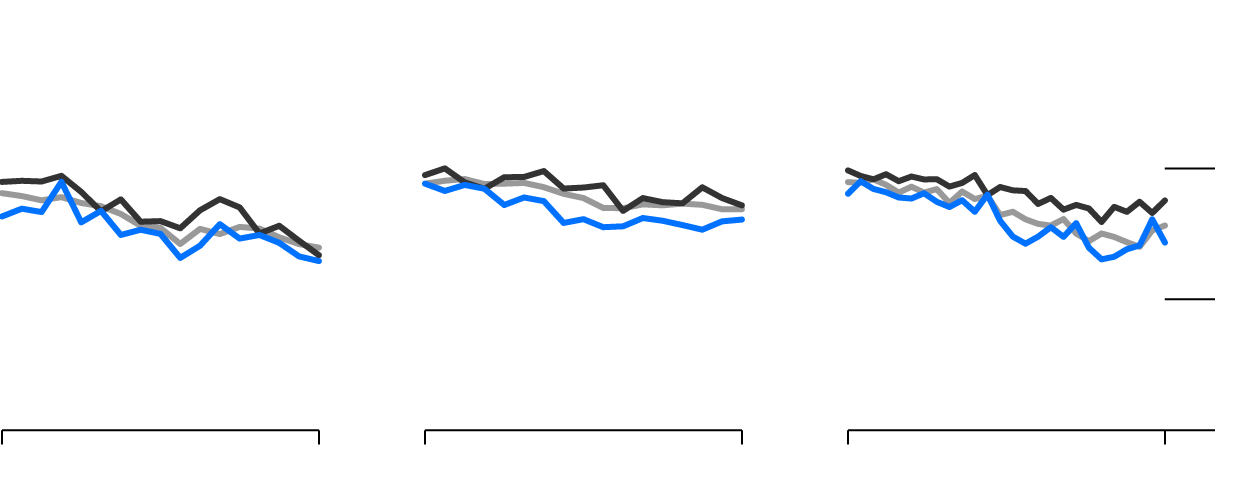
The majority of young people told pollsters they have tried to avoid crowds during the pandemic, more than commonly imagined. While their overall average lags older age groups, their changes in attitude over time broadly track those seen in other generations.
Avoiding Small Gatherings
Always, frequently avoided social gatherings with one or two people
0
25
50
75
100%
France
Philippines
Brazil
Finland
Vietnam
Italy
India
Always, frequently avoided gatherings with one, two others
0
25
50
75
100%
France
Philippines
Brazil
Finland
Vietnam
Italy
India
Always, frequently avoided social
gatherings with one or two people
0
25
50
75
100%
Philippines
Brazil
Finland
India
Vietnam
Italy
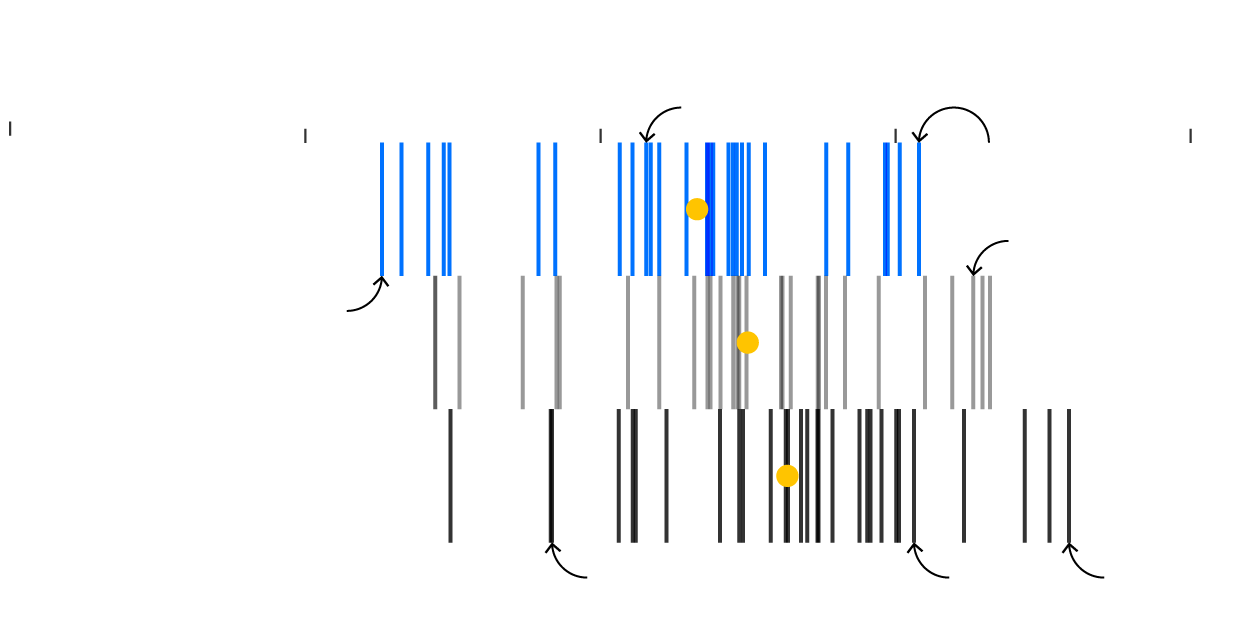
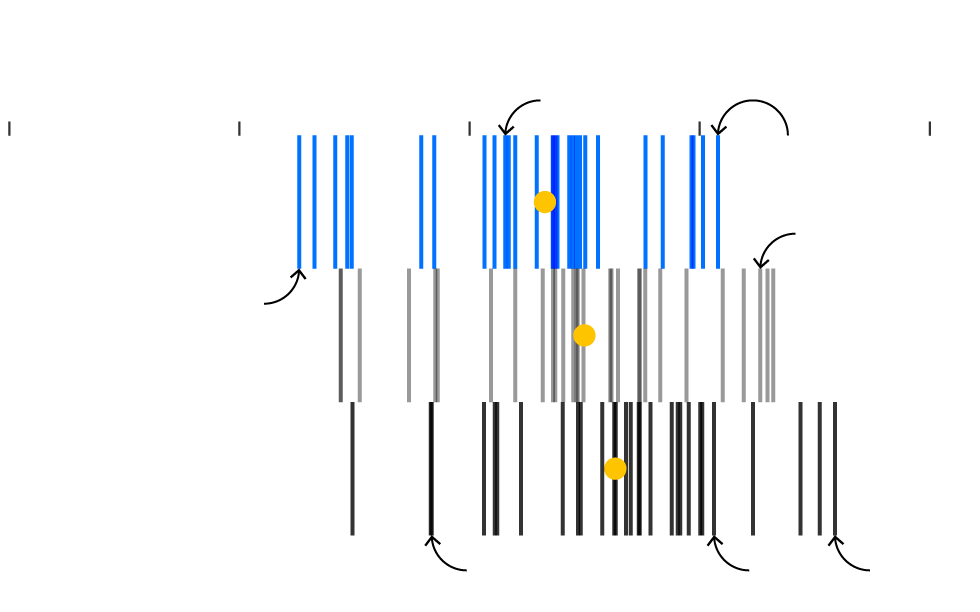
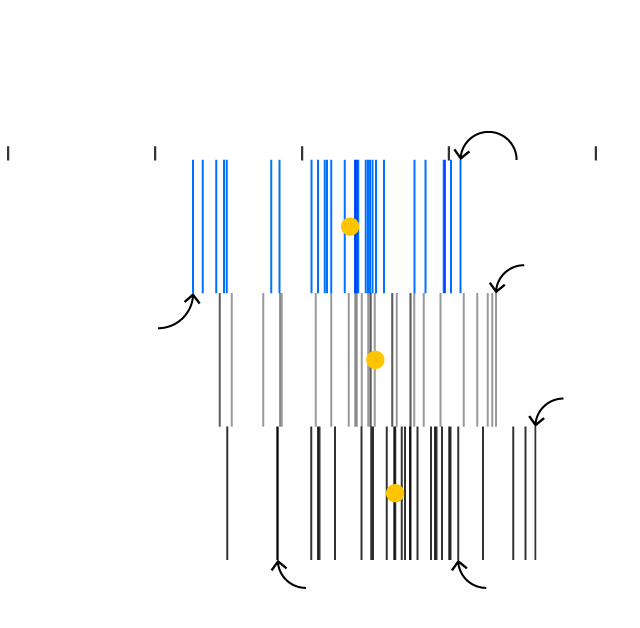
Even when it comes to much smaller gatherings, nearly two-thirds of young people have tried to keep them to a minimum.
While there’s no doubt some young people have engaged in risky behavior, this is overshadowing how many are actually trying to be careful for everyone’s sake. Given the psychological toll this pandemic is having on Gen Z, they will need to feel supported.
Feeling Blue
Feeling down, depressed, hopeless nearly every, more than half the days
0
25
50
75
100%
Germany
Sweden
Indonesia
Denmark
U.A.E.
Hong Kong
Feeling down, depressed, hopeless nearly
every day, more than half the days
25
50
75
100%
0
Germany
South
Korea
Sweden
Denmark
U.A.E.
Hong Kong
Feeling down, depressed or hopeless
nearly every day, more than half the days
0
25
50
75
100%
South
Korea
Sweden
U.A.E.
Hong Kong
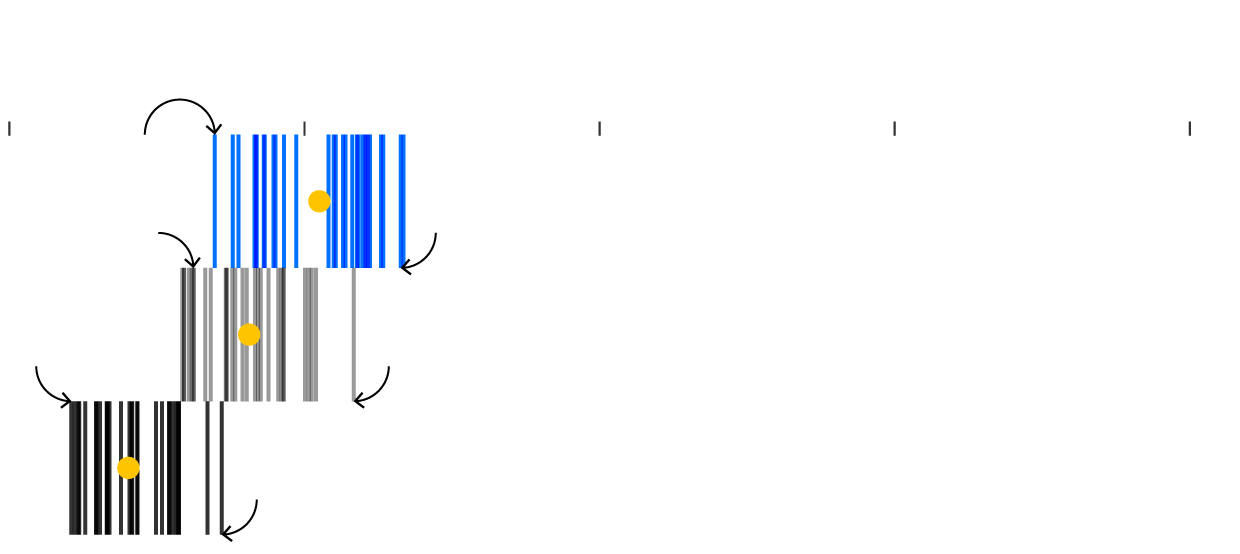
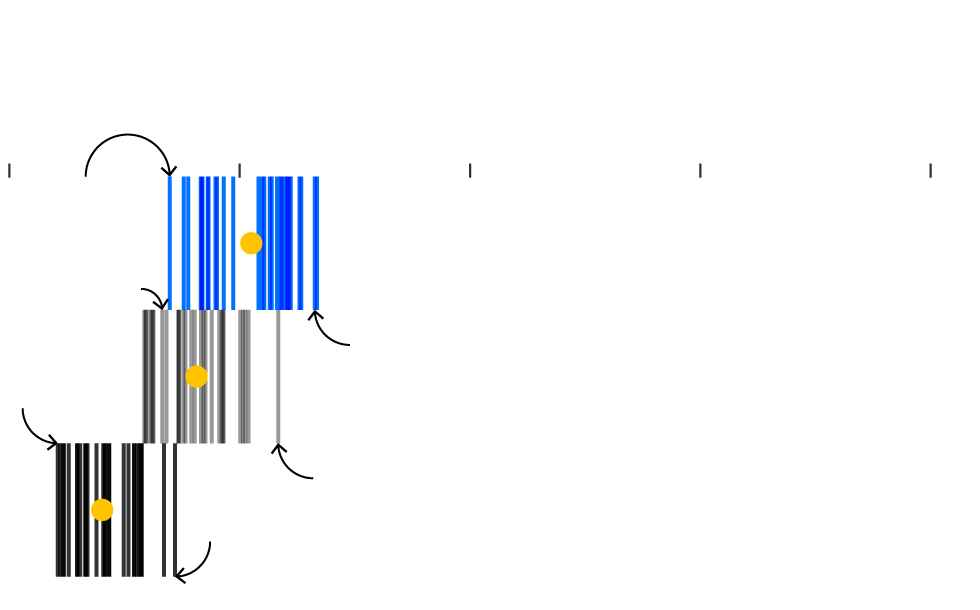
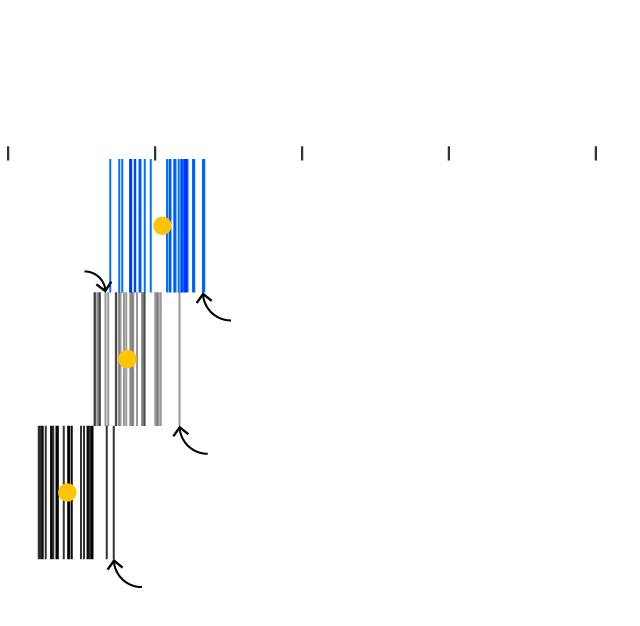
One in four 18- to 24-year-olds have reported experiencing emotional anguish compared with one in ten for those 65 and older. As French President Emmanuel Macron said last week, it’s really hard to be 20 years old in 2020.
That may help explain why some are throwing caution to the wind. But it’s important to remember the context — over the summer, lockdowns had eased and governments were even encouraging people to get out to help restart the economy. That makes disparaging Gen Z feel like a convenient way to shift responsibility for the policy failures of leaders.
As more activities move indoors, cases, hospitalizations and deaths are likely to worsen. Rather than engaging in intergenerational finger-pointing, it’s time for leaders to build a united front in this battle with farsighted strategies that protect and support citizens of all ages.