The World Is Masking Up, Some Are Opting Out
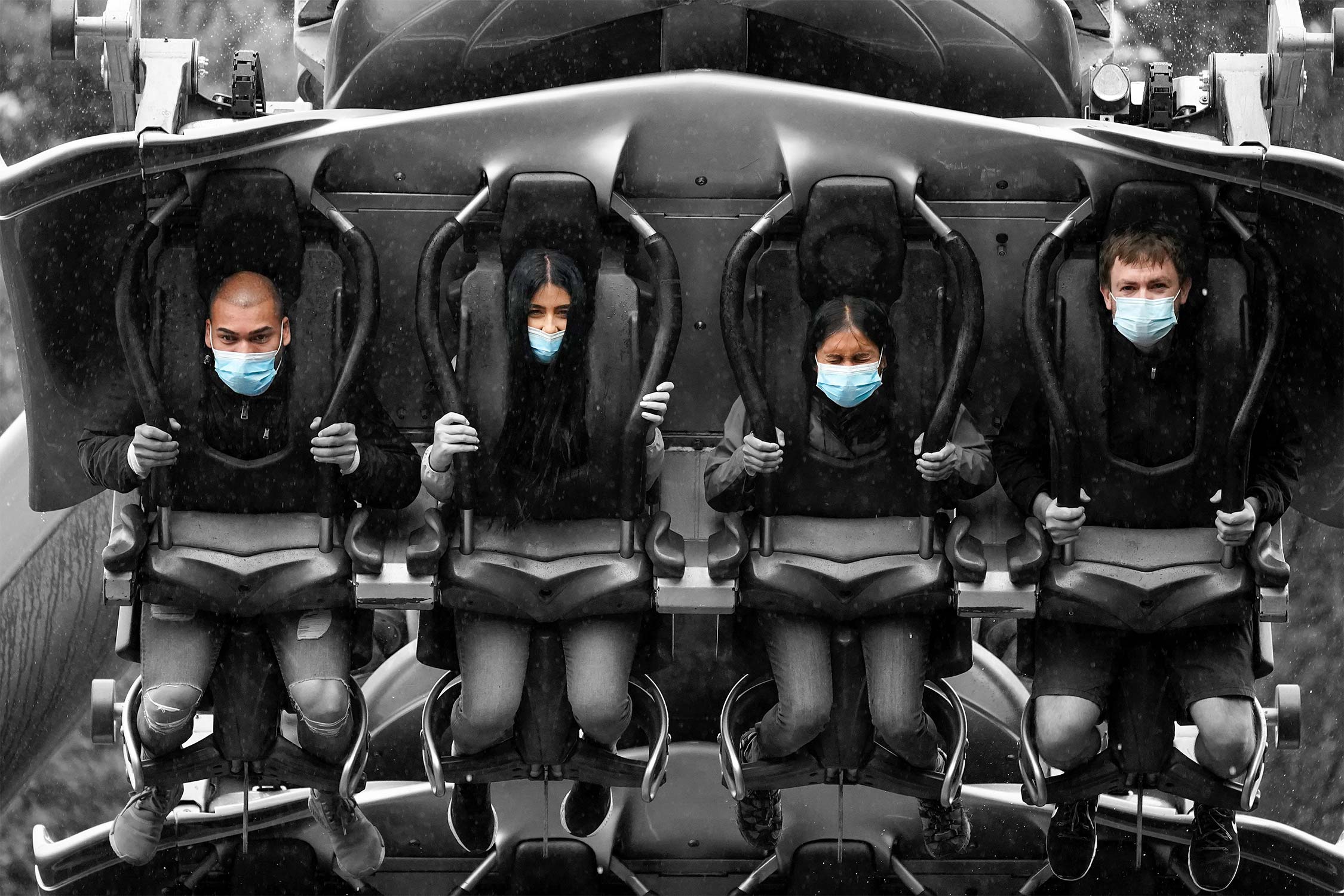
Nothing symbolizes our battle with the novel coronavirus like the face mask — it’s the most visible, humbling and contentious reminder of the deadly, invisible invader that we must live with until we find a vaccine.
In 2020, wearing a mask in cities like New York, London or Paris has gone from being a marker of the paranoid or vulnerable to the badge of the conscientious in the era of Covid-19. Even U.S. President Donald Trump put one on after previously disparaging them. Several studies suggest face coverings help — provided they’re properly made, maintained and worn — in limiting the spread of tiny exhaled particles carrying the coronavirus.
Still, not everyone’s wearing them.
The initial guidance from health officials was confusing, with many saying masks were only necessary for medical professionals or people exhibiting symptoms of infection. Or that only certain types of masks were effective. A shortage of supplies didn’t help either.
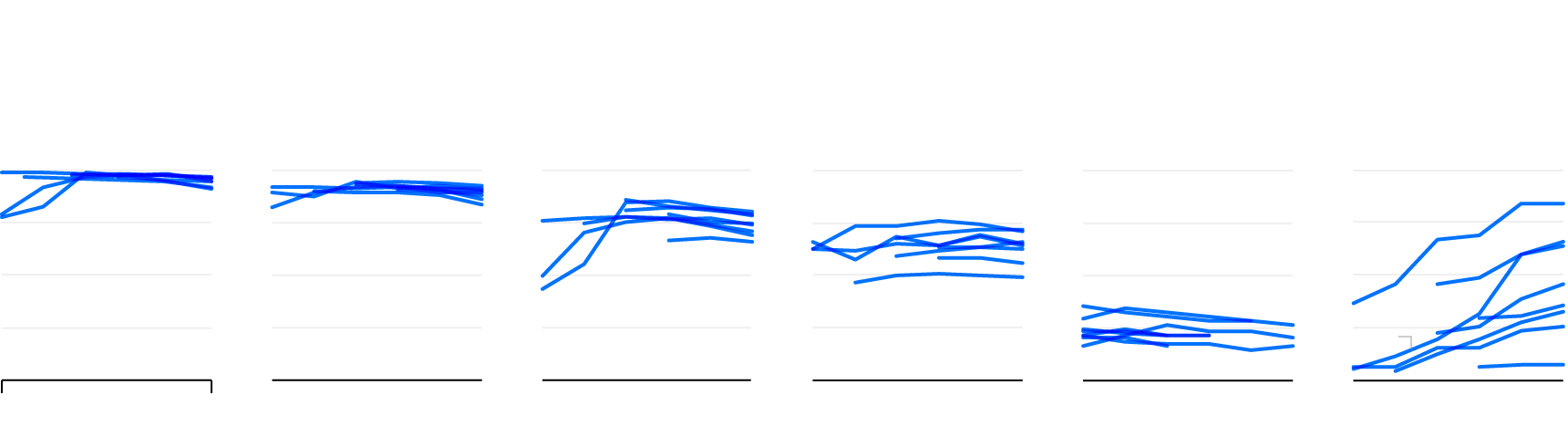
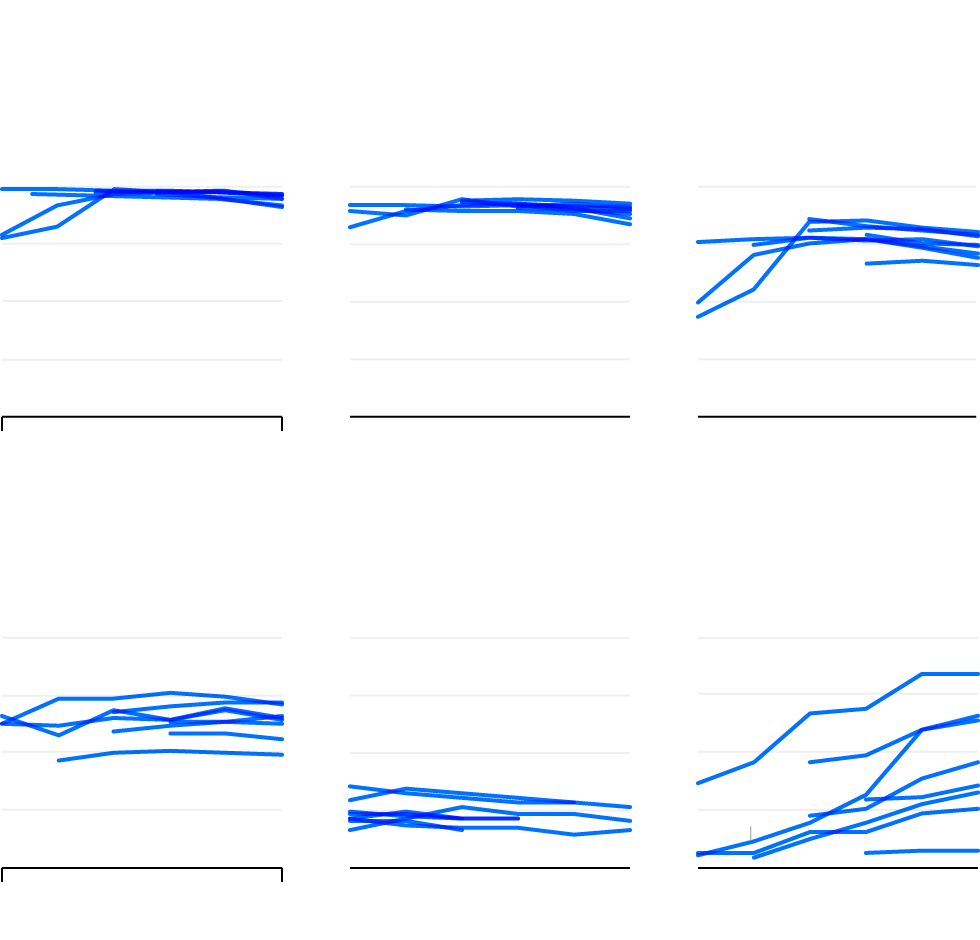
A survey early on in the pandemic by Germany’s Max Planck Institute for Demographic Research found that mask-wearing in the West lagged far behind other precautions, such as keeping one’s distance from other people, regularly washing one’s hands and avoiding public transport.
Parting Ways

Behaviors in response to Covid-19
Increased social
distancing
More frequent
hand washing
Avoided public
transport
More frequent use
of hand sanitizer
Stockpiled food,
medicine
Worn a face mask
100%
Italy
U.S.
NL
0
April
March
Behaviors in response to Covid-19
Increased social
distancing
More frequent
hand washing
Avoided public
transport
More frequent use
of hand sanitizer
Stockpiled food,
medicine
Worn a face mask
100%
Italy
U.S.
0
NL
April
March

Behaviors in response to Covid-19
Social
distancing
Hand
washing
Public
transport
Hand
sanitizer
Stockpiled
supplies
Face mask
100%
Italy
U.S.
0
NL
April
March
Behaviors in response to Covid-19
Increased social
distancing
More frequent
hand washing
Avoided public
transport
100%
0
April
March
More frequent use
of hand sanitizer
Stockpiled food,
medicine
Worn a face mask
100%
Italy
U.S.
0
NL
April
March

Behaviors in response to Covid-19
Social distancing
Hand washing
Public transport
100%
0
April
March
Hand sanitizer
Stockpiling
Face mask
100%
Italy
U.S.
0
NL
April
March
Note: Preprint data for March 13 to April 19 and comprise Belgium, France, Germany, Italy, Netherlands, Spain, U.K. and U.S.
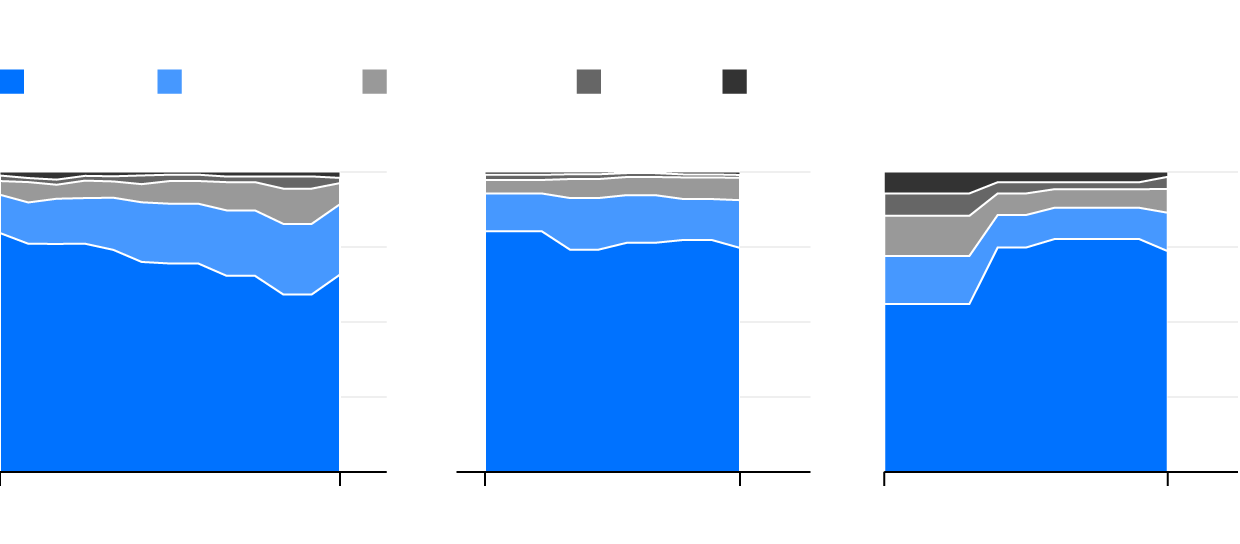
But as the health advice evolved to emphasize wearing masks, so did some personal practices. Pollster YouGov has been surveying people’s self-reported mask-wearing habits globally and three distinct patterns emerge from the findings.
Early Adopters and Laggards
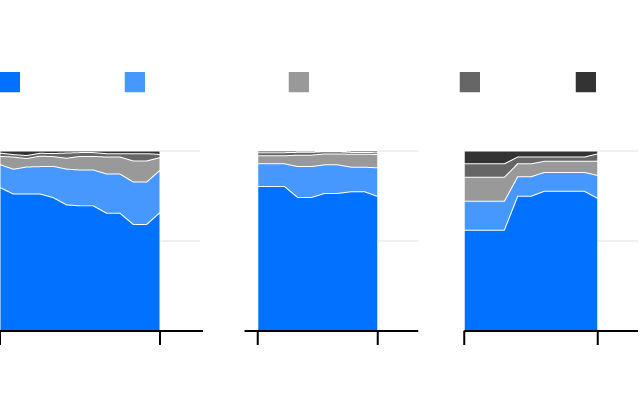
Areas where most residents were used to wearing masks or were willing to adopt them quickly to protect against Covid-19
Then there are countries that had fewer people wearing masks to start with, but quickly took up their use
Finally, another group is still bucking the trend, with a minority of residents wearing masks. Some of these countries quickly contained their outbreaks, but others had extremely high death tolls
All of the areas that had high mask usage to start with, and where the practice of wearing face masks remained elevated in response to the pandemic, are in Asia.
That’s where the Covid-19 outbreak began and where the 2003 SARS outbreak is ingrained in people’s memories. Some places mandated face masks along the way. Japan gave cloth masks out to the public without imposing a draconian lockdown. That alone may have saved lives.
Wore a mask in public to protect against Covid-19 in the past seven days
Always
Frequently
Sometimes
Rarely
Not at all
China
100%
Hong Kong
Japan
75
50
25
0
March 30
April 6
March 30
June 22
June 8
June 8

Wore a mask in public to protect against Covid-19 in the past seven days
Always
Frequently
Sometimes
Rarely
Not at all
China
100%
Hong Kong
Japan
75
50
25
0
Mar 30
Apr 6
Mar 30
Jun 22
Jun 8
Jun 8
Wore a mask in public in the past seven days
Always
Frequently
Sometimes
Rarely
No
China
100%
Hong Kong
Japan
50
0
3/30
4/6
3/30
6/22
6/8
6/8
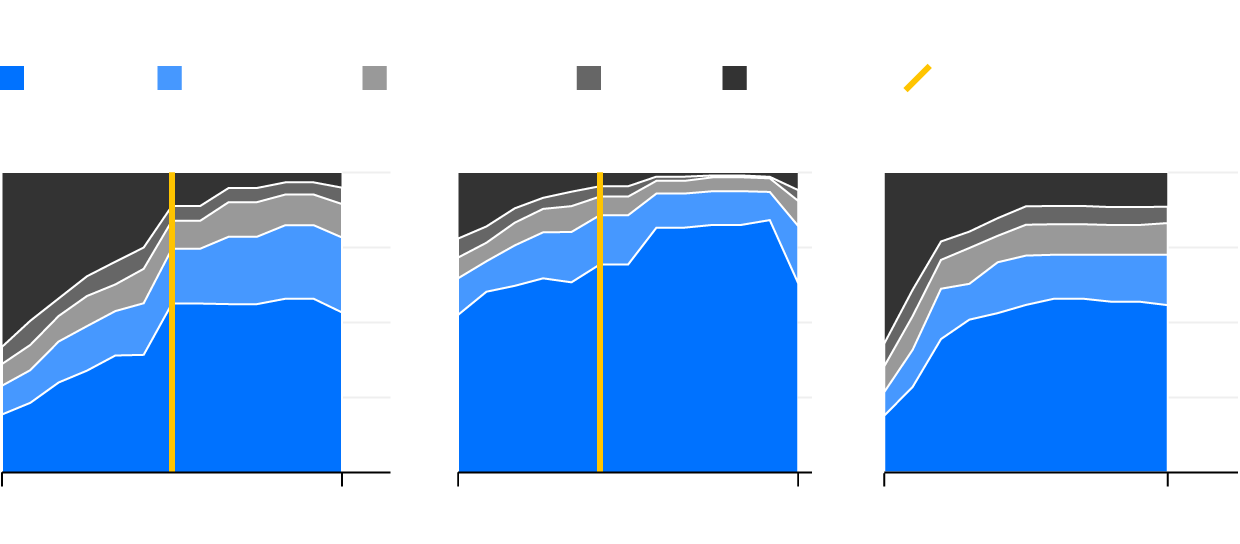
Places that had low mask usage initially, but where adoption subsequently rose, had different experiences of the outbreak. Yet there’s a unifying theme: Usage significantly rose after rules were established around wearing them.
High reported usage in France, where people needed a self-signed permission form to leave home at the height of lockdown, and Spain, where children weren’t allowed outside, reflects high death tolls, strict lockdowns and mandatory mask policies in those countries.
In the U.S., state politicians and the private sector are taking matters into their own hands: All but two states have at least some mask requirements, according to volunteer organization Masks4All, including New York, which accounts for almost a quarter of the country’s virus death toll. That’s a big reason why more than 70% of Americans report having worn a mask, according to YouGov. Meanwhile, restaurant and retail chains like Walmart Inc., McDonald’s Corp. and Starbucks Corp. are requiring them in their establishments.
Wore a mask in public to protect against Covid-19 in the past seven days
Mask requirement
Always
Frequently
Sometimes
Rarely
Not at all
France
100%
Spain
U.S.
75
50
25
0
March 30
March 30
March 30
June 22
June 22
June 8

Wore a mask in public to protect against Covid-19 in the past seven days
Always
Frequently
Sometimes
Rarely
No
Requirement
France
100%
Spain
U.S.
75
50
25
0
Mar 30
Mar 30
Mar 30
Jun 22
Jun 22
Jun 8

Wore a mask in public in the past seven days
Sometimes
Always
Frequently
Mask requirement
Not at all
Rarely
France
100%
Spain
U.S.
50
0
3/30
3/30
6/22
6/22
3/30
6/8
Note: Mask requirement line is placed on the date (or the closest survey date before) the rule came into effect. Various local guidance that may have existed before a national requirement are not shown.
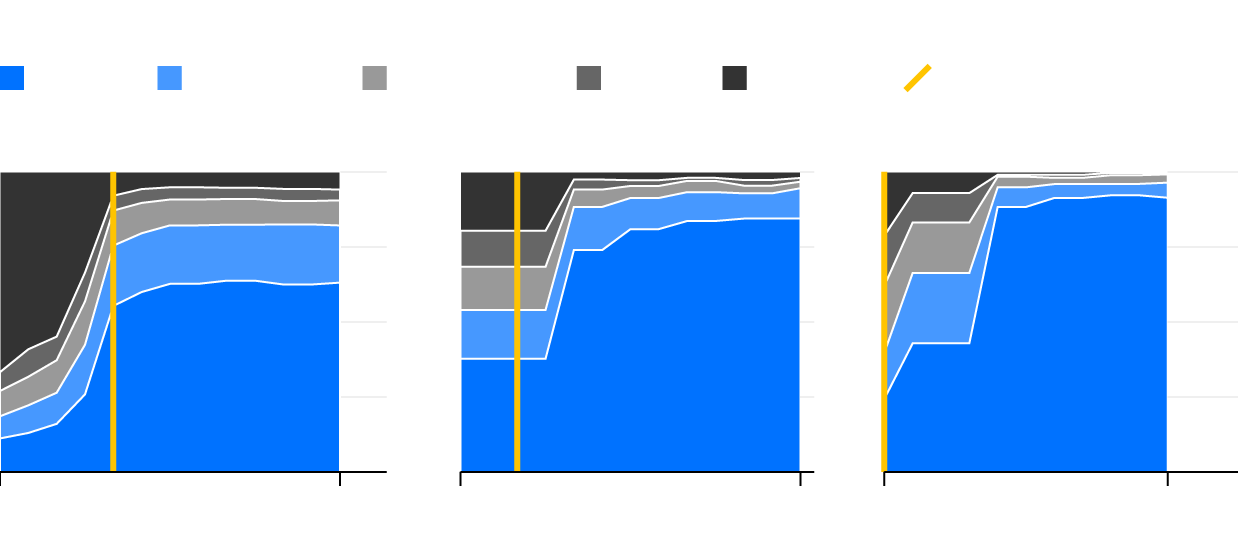
Experiences in countries where the virus has remained relatively under control underline the power of clear policies over gentle nudging or relying on people’s common sense.
Germany, lauded for its cautious, consistent handling of the outbreak, saw adoption surge after introducing mask-wearing rules in April. There was a significant jump in Mexico after local governments mandated their use and gave out masks free. Singapore’s level shot up to 90%, from around 23% in early March, after the government ceased discouraging residents from donning face coverings, distributed them free and made them compulsory with a fine for failing to comply.
Wore a mask in public to protect against Covid-19 in the past seven days
Mask requirement
Always
Frequently
Sometimes
Rarely
Not at all
Germany
Mexico
Singapore
100%
75
50
25
0
March 30
March 30
March 30
June 22
June 22
June 8

Wore a mask in public to protect against Covid-19 in the past seven days
Always
Frequently
Sometimes
Rarely
No
Requirement
Germany
Mexico
Singapore
100%
75
50
25
0
Mar 30
Mar 30
Mar 30
Jun 22
Jun 22
Jun 8

Wore a mask in public in the past seven days
Sometimes
Always
Frequently
Mask requirement
Rarely
Not at all
Germany
100%
Mexico
Singapore
50
0
3/30
6/22
3/30
3/30
6/22
6/8
Note: For Mexico, the line marks when its capital city implemented a requirement. For Singapore, the line marks when the government changed its advice on mask wearing, which it soon made mandatory.
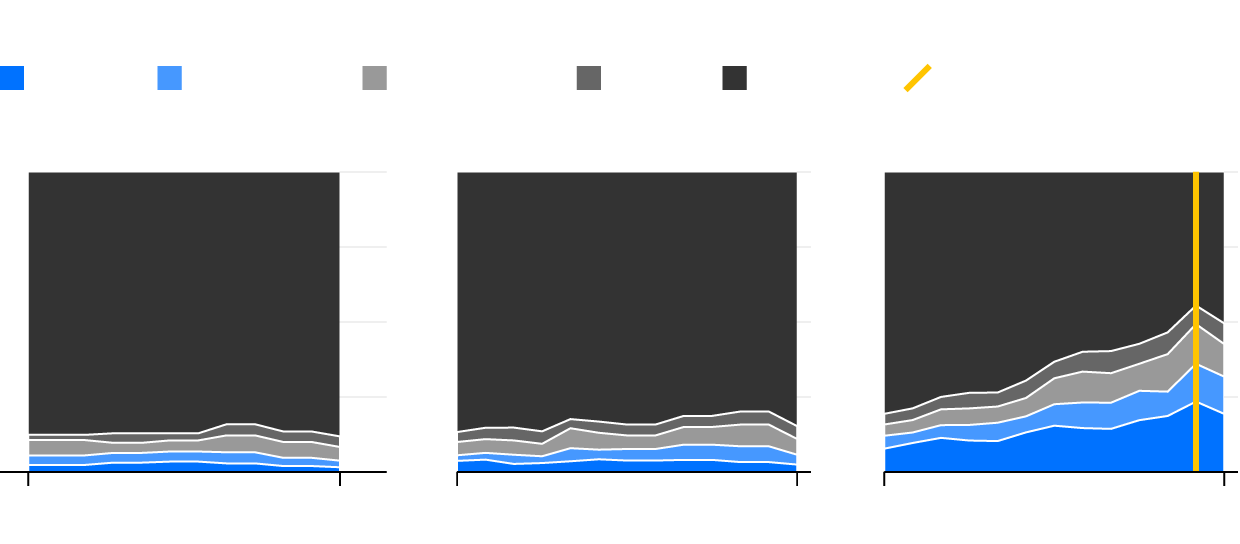
Then there are the countries where mask usage has stayed low.
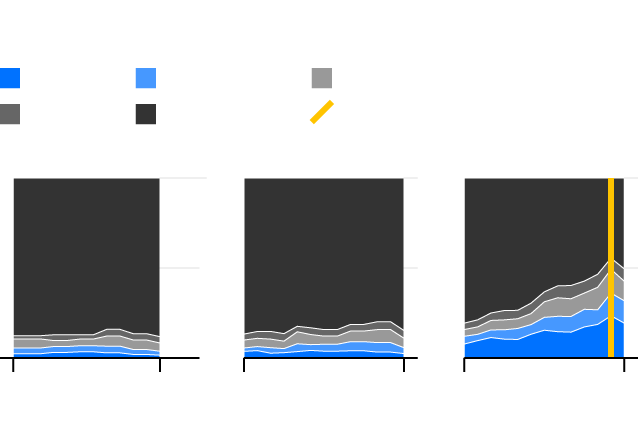
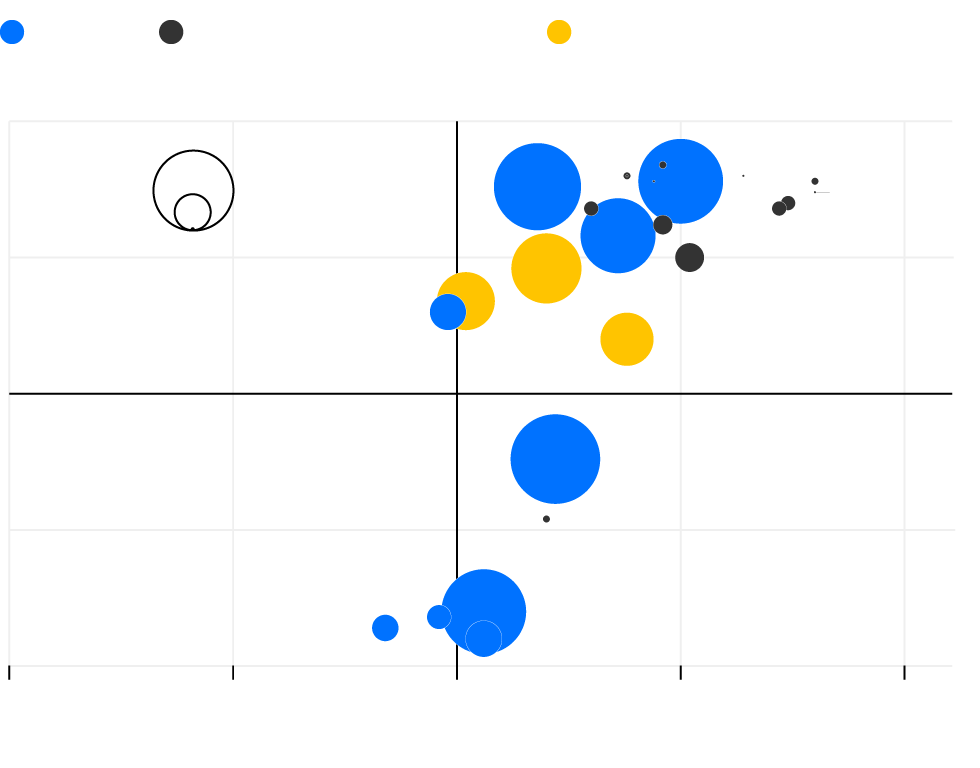
In some places, such as Denmark, Finland and Norway, that’s easy to understand. Their Covid-19 outbreaks have been relatively contained, with among the lowest death tolls in the world. So low mask adoption doesn’t necessarily signal a policy failure. After all, masks are only one tool among many, and they’re by no means a panacea where they are in use.
Wore a mask in public to protect against Covid-19 in the past seven days
Mask requirement
Always
Frequently
Sometimes
Rarely
Not at all
Denmark
Sweden
U.K.
100%
75
50
25
0
April 6
March 30
March 30
June 22
June 22
June 22

Wore a mask in public to protect against Covid-19 in the past seven days
Always
Frequently
Sometimes
Rarely
No
Requirement
Denmark
Sweden
U.K.
100%
75
50
25
0
Apr 6
Mar 30
Mar 30
Jun 22
Jun 22
Jun 22
Wore a mask in public in the past seven days
Sometimes
Always
Frequently
Mask requirement
Rarely
Not at all
Denmark
Sweden
100%
U.K.
50
0
4/6
6/22
3/30
6/22
3/30
6/22
Denmark’s health authority has discouraged mask wearing for healthy people going about their normal lives, questioning its effectiveness and saying it “can cause more harm than good.” There have been concerns that people who cover their mouth and nose may let down their guard or that face coverings may even become a vector for the virus if mishandled.
Social Cues

Average distance apart on a 163 cm sidewalk
Unmasked
29 cm
58
Masked
69
DIY mask
80
Goggles and mask
Goggles and DIY mask
92
Note: 63 cm = 64.2 in
One Italian study, however, shows masks did encourage people to keep their distance. The U.S. CDC recommends wearing cloth masks as a preventative measure, while a WHO study found an apparent 85% reduction in infection risk when masked.
What’s striking about the low-mask-wearing group is that it includes Nordic neighbor Sweden, where a decision to keep much of society open as the outbreak worsened has led to a considerably higher mortality rate. Even as calls multiply for government measures such as rules on masks, Swedes aren’t taking it upon themselves to wear them.
The U.K. is even more confounding. It has the highest death toll in Europe, yet only 38% of respondents to YouGov’s latest tracker poll said they wore a mask. They cite many reasons, including staying home, inconsistent guidance and a failure of leaders to be role models. Prime Minister Boris Johnson was only recently pictured wearing a mask for the first time, in spite of overcoming a serious bout with Covid-19 in April.
Fear Factor

Europe
Asia, Middle East, Pacific
North America
Wore a mask
100%
Italy
Spain
500
Deaths
per million
100
Vietnam
<1
75
U.S.
Saudi Arabia
Mexico
France
Germany
Canada
50
U.K.
25
Australia
Norway
Sweden
Finland
0
Denmark
0
25
50
75
100%
Afraid of contracting Covid-19
Europe
Asia, Middle East, Pacific
North America
Wore a mask
100%
Italy
Spain
500
Deaths
per million
100
Vietnam
<1
75
U.S.
Saudi Arabia
Mexico
France
Germany
Canada
50
U.K.
25
Australia
Norway
Sweden
Finland
0
Denmark
0
25
50
75
100%
Afraid of contracting Covid-19

Europe
Asia, Mid. East, Pac.
North America
Wore a mask
100%
Italy
Deaths per
million
Spain
Vietnam
500
<1
100
75
U.S.
Saudi Arabia
France
Mexico
Germany
Canada
50
U.K.
25
Australia
Norway
Sweden
Finland
0
Denmark
0
25
50
75
100%
Afraid of contracting Covid-19
Note: Shows peak fear and mask usage figures and deaths through July 13.
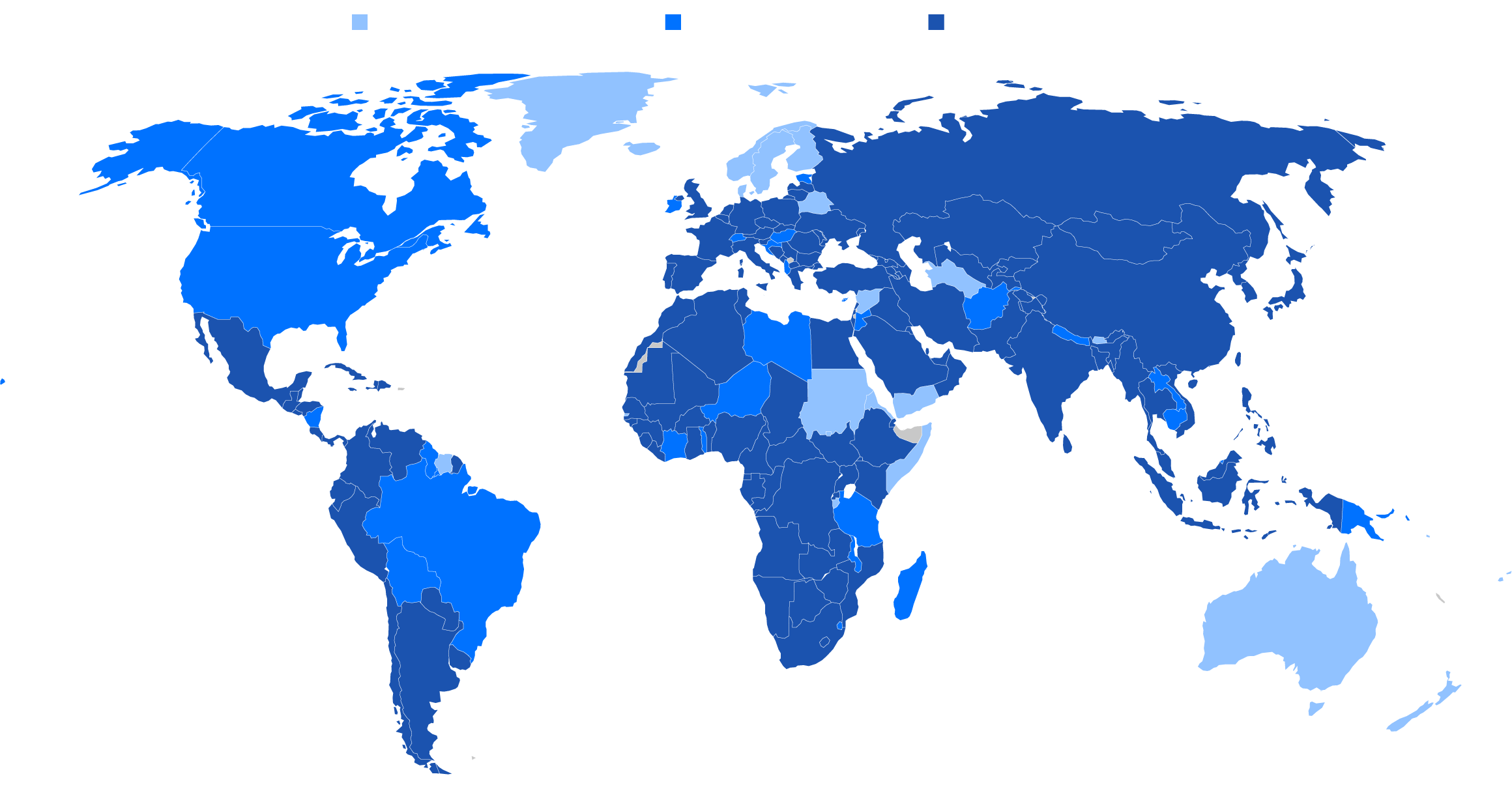
When clear rules are introduced, such as last month’s public transport requirements in England and Scotland, Brits show they will comply. In fact, an Ipsos MORI survey in April and more recent results from YouGov in July found that though few Brits wear face coverings, a large majority support doing so or would wear them if the government mandated it. As part of efforts to jumpstart the economy, England will follow Scotland in requiring masks be worn in shops starting July 24.
Masking Up
Don’t recommend wearing
masks in public spaces
Recommends or
limited requirements
Required in some places
or universal usage

Don’t recommend wearing masks
Recommends or limited requirements
Required in some places or universal usage

Don’t recommend wearing masks in public spaces
Recommends or limited requirements
Required in some places or universal usage

Don’t recommend wearing masks in public spaces
Recommends or limited requirements
Required in some places or universal usage

Don’t recommend wearing masks in public spaces
Recommends or limited requirements
Required in some places or universal usage
Note: As of July 13.
Even rules can become politicized, though, as seen in the U.S. and Latin America, where the stakes are arguably the highest. Strongmen leaders who revel in tough-guy personas don’t generally like face masks: Brazil’s Jair Bolsonaro has watered down his own country’s mask law, while Trump’s resistance to wearing a mask (until his recent change of heart) has given succour to American anti-maskers who skew Republican.
Polarized

Wore a mask in public in the past seven days
Sometimes
Never
Always
Most times
U.S. adults
Democrats
Independents
Republicans
50%
25
0
25
50
75
100%
Note: Survey of 1,507 U.S. adults interviewed online from June 24 to June 25.
All in all, masks are gaining momentum as countries reopen their economies while battling a virus that’s still very much with us. The looming challenge will be overcoming resistance from people who remain unconvinced by their merits or fatigue from those who feel Covid-19 is less of a threat.
As with changing social behavior on safety issues, such as wearing a seatbelt or not driving when drunk, mask adoption will take time and effort. The limits of enforcement will likely lead to more carrot-and-stick approaches: Masks should ideally be free or widely distributed, government messaging should be clearer on where masks are required and why, and fines should be levied where necessary. Masks themselves should become more comfortable and fashionable to wear.
Until we have a vaccine or effective treatment, all countries should be on their guard. Once the mask straps start to loosen, they may do so for good.