

Boris Johnson Has Left Behind the People Who Handed Him a UK Majority
Constituencies in northern England’s former industrial heartlands that Johnson’s Tories captured in the 2019 election are falling further behind London.
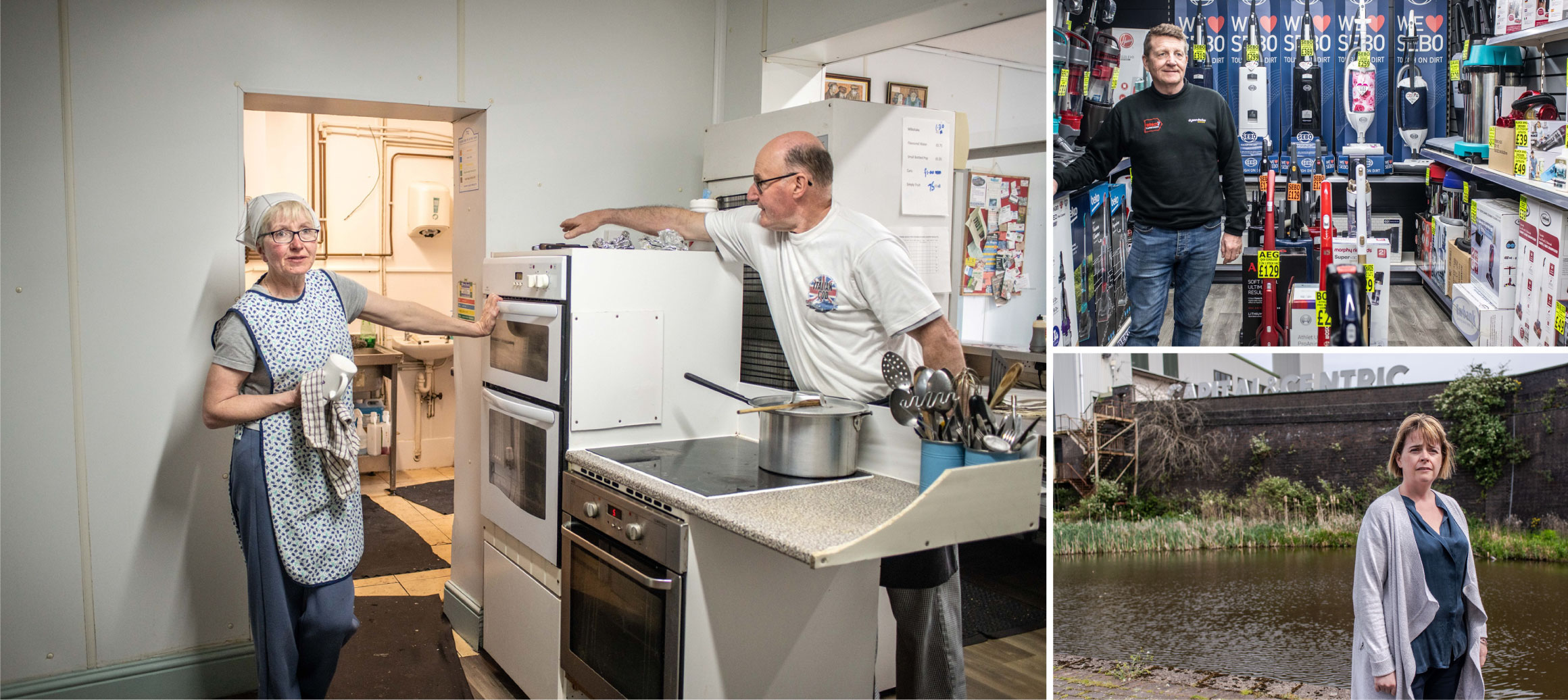
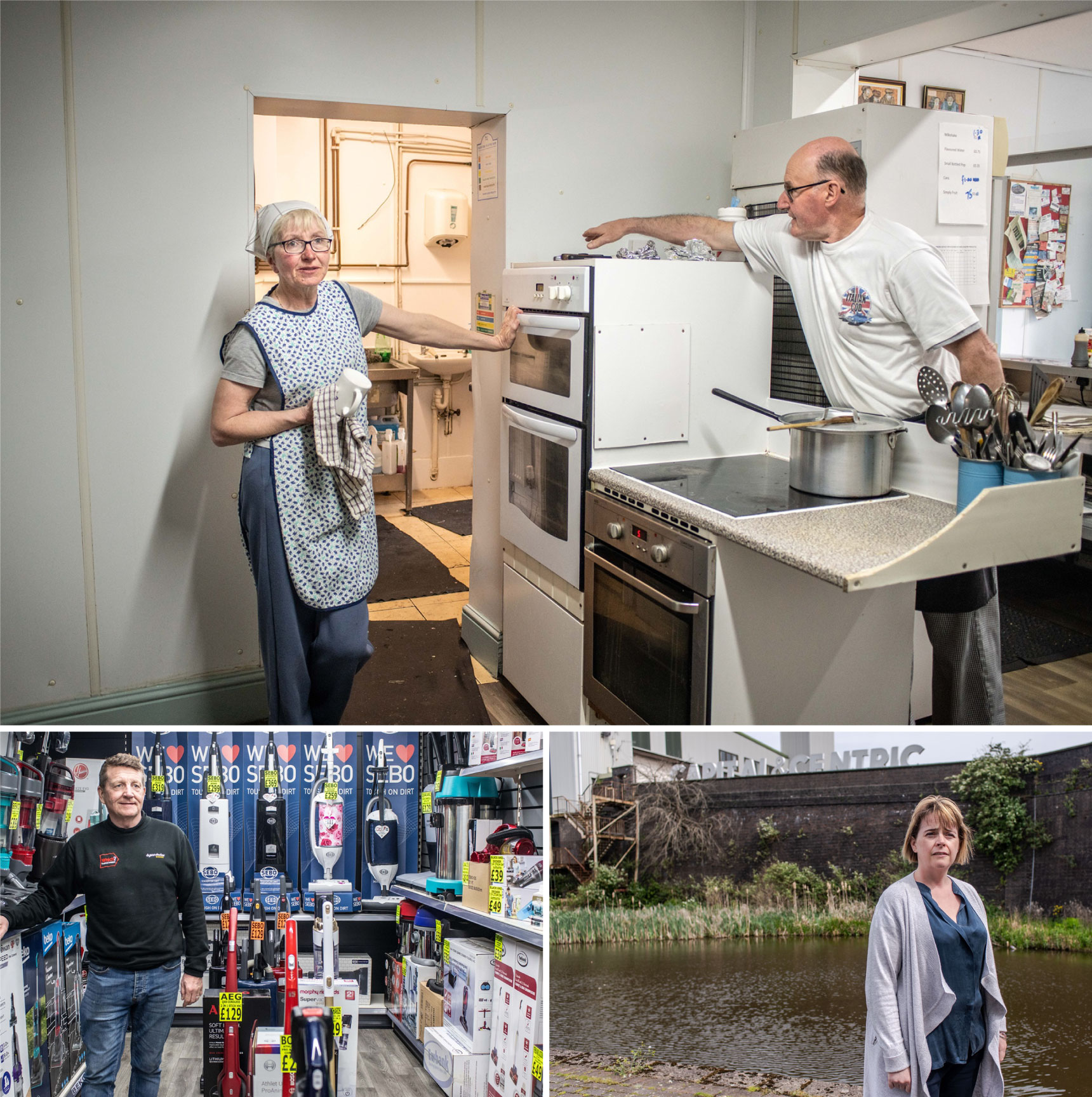
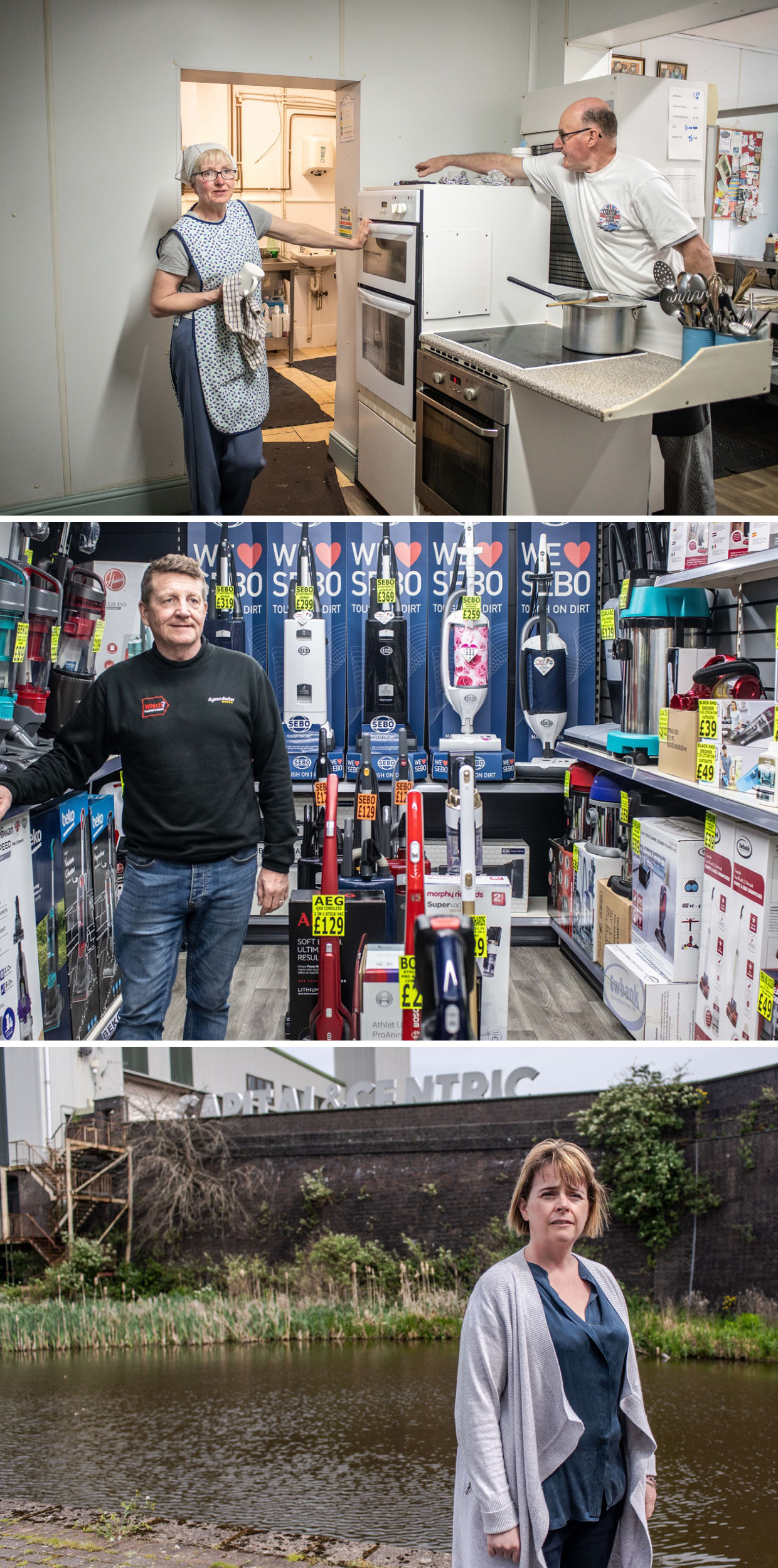
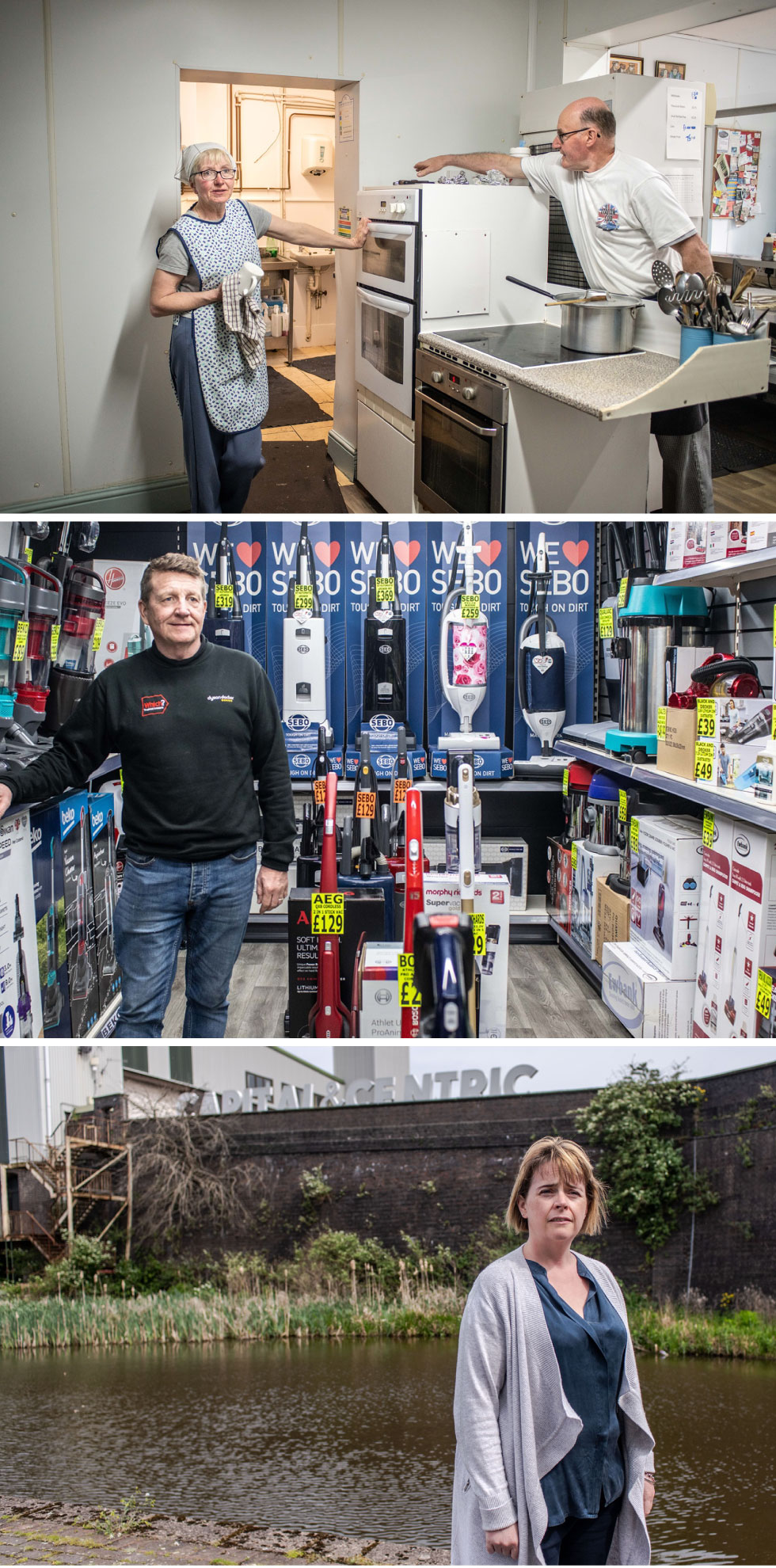
Colin Myers was drawn to Ferryhill in northern England by the promise that a new railway station would connect the former mining town to jobs in nearby cities like Newcastle and Middlesborough. Four decades later, he’s still waiting.
The old rail yard next to his fish-and-chip shop offers a reminder of what might have been. Once among the busiest in Europe, a padlock now hangs around the rusted gate and weeds poke through the abandoned sidings.
No station means no commuters stopping by for battered cod or steak pie from Myers’s kitchen on their way home and limited opportunities for those who want to stay and build a life here, as the stagnant local property prices testify.
“I don’t think the government knows we’re here,” said the 62-year-old, who voted for Prime Minister Boris Johnson’s Conservatives in 2019, helping the party capture a seat that was once the launchpad from which Labour Prime Minister Tony Blair rose to dominate British politics.
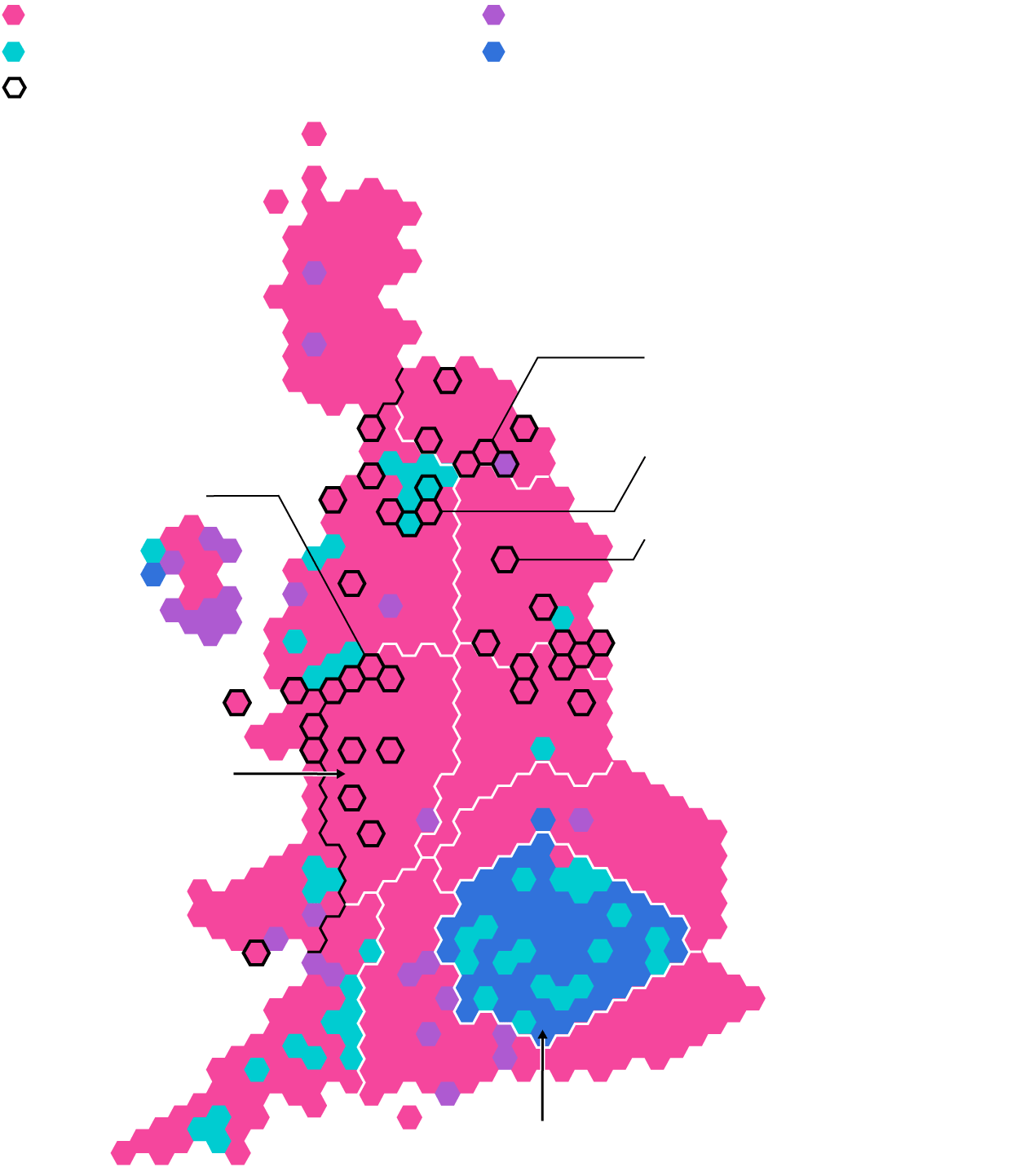
Convincing voters like Myers that he’s improving their lives—in spite of the biggest squeeze on living standards since the 1950s—is key to Johnson’s efforts to win the next election, due by 2024. But Bloomberg’s UK Levelling Up Scorecard suggests he’s doing the opposite.




Of the three dozen “Red Wall” districts that had voted Labour for generations, mostly backed Brexit and that Johnson won in 2019, 92% have fallen further behind London and the South East of England. Without them, Johnson would all but lose his parliamentary majority. To gauge the mood on the ground, Bloomberg News visited four of these constituencies in recent weeks: Sedgefield, Heywood and Middleton, Wakefield and Stoke-on-Trent Central.
Red Wall Warning Signs
Behind in 2019 and falling or unchanged
Ahead in 2019 but falling or unchanged
Behind in 2019 but levelling up
Ahead in 2019 and gaining
Red Wall constituencies that flipped to Conservative
Scotland
NORTH
EAST
Sedgefield
North
WEST
Heywood and
Middleton
Stoke-on-Trent
Central
Wakefield
Yorkshire and
The Humber
Northern
Ireland
East Midlands
West Midlands
East of
England
Wales
South WesT
South East
London
Ahead in 2019
but falling or unchanged
Behind in 2019
and falling or unchanged
Ahead in 2019
and gaining
Behind in 2019
but levelling up
Red Wall constituencies that flipped to Conservative
Scotland
NORTH
EASt
Sedgefield
Heywood and
Middleton
North
WEST
Stoke-on-Trent
Central
Wakefield
Northern
Ireland
Yorkshire and
The Humber
East Midlands
West Midlands
East of
England
Wales
South West
South East
London
Ahead in 2019
but falling or
unchanged
Behind in 2019
and falling or
unchanged
Ahead in 2019
and gaining
Behind in 2019
but levelling up
Red Wall constituencies that flipped
to Conservative
Scotland
NORTH
EAST
Sedgefield
Heywood and
Middleton
North
WEST
Stoke-
on-Trent
Central
Yorkshire
and The
Humber
Wakefield
Northern
Ireland
East
Midlands
West
Midlands
East of
England
Wales
South EasT
South West
London
In Sedgefield, the constituency which includes Ferryhill, the salary gap with London and the South East has widened since the election. Its relative edge in civil service jobs per head has shrunk, while foreign investment-related employment in the broader region has fallen and spending on public services has undershot wealthier areas.
“I certainly want action quicker,” said Paul Howell, the Tory Member of Parliament who wrested Sedgefield from Labour for the first time since 1935. He’s pressing ministers to open Ferryhill station and is confident of success. “People want to see delivery.”
Watch the Quicktake video:
Yet Sedgefield isn’t even one of the worse-performing Red Wall seats. Most of the rest have an even bigger hole to dig out from. In the second half of last century, once-thriving towns saw old mills, mines and factories close as the country that sparked the industrial revolution pivoted to services. It’s the disaffected voters in those areas that Johnson tapped to win an 80-seat majority in 2019, pledging to “level up”—Tory sloganeering for cutting regional inequalities.
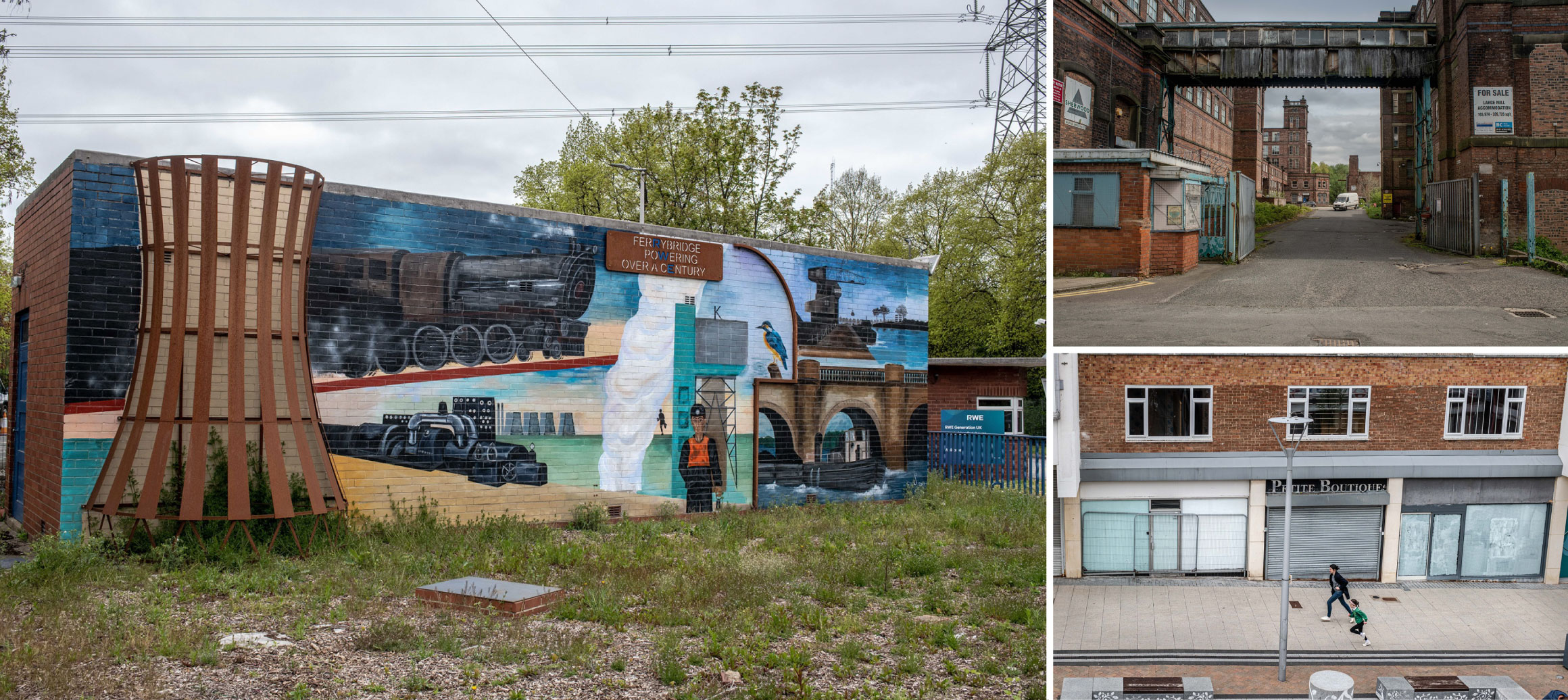
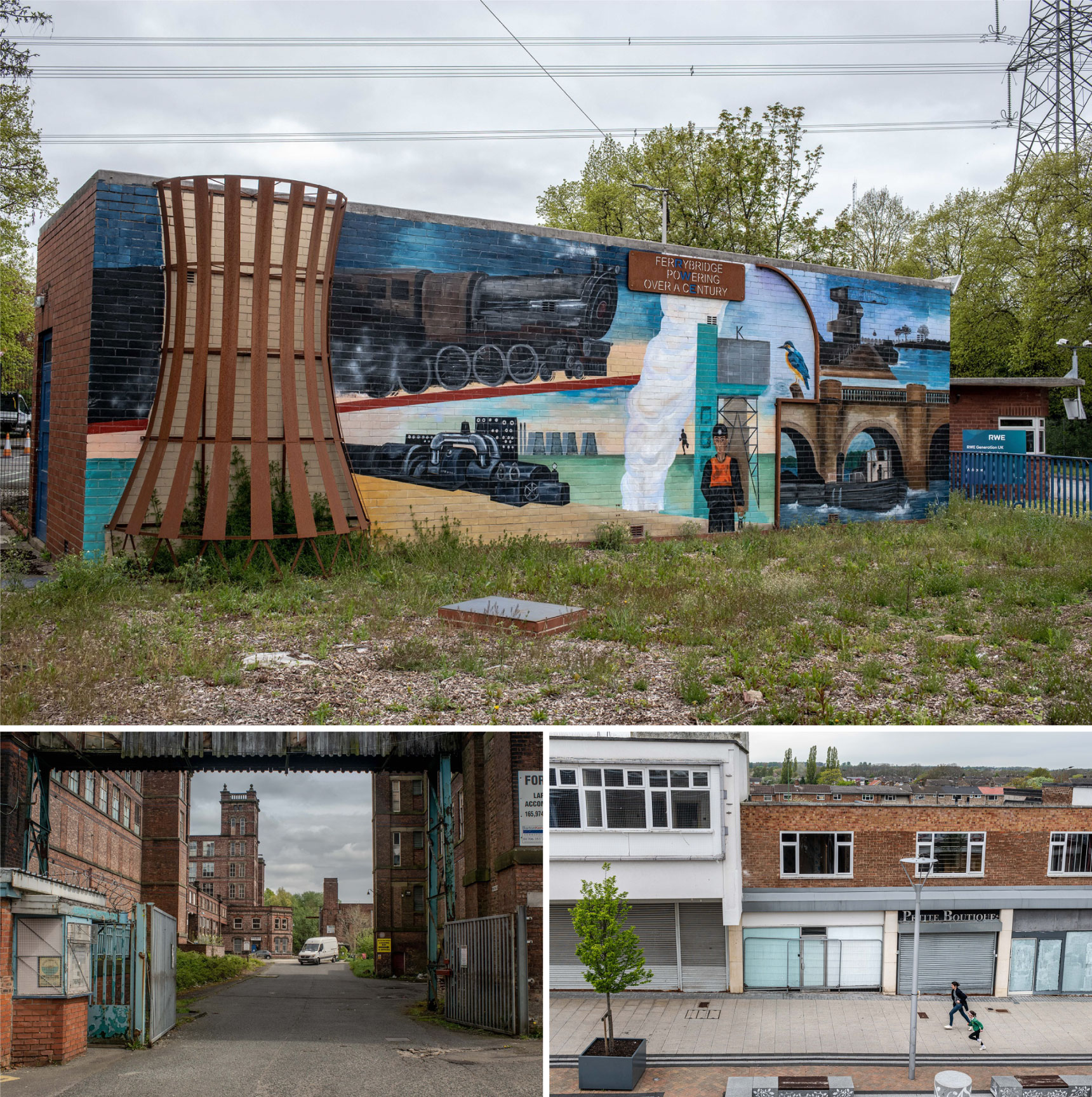
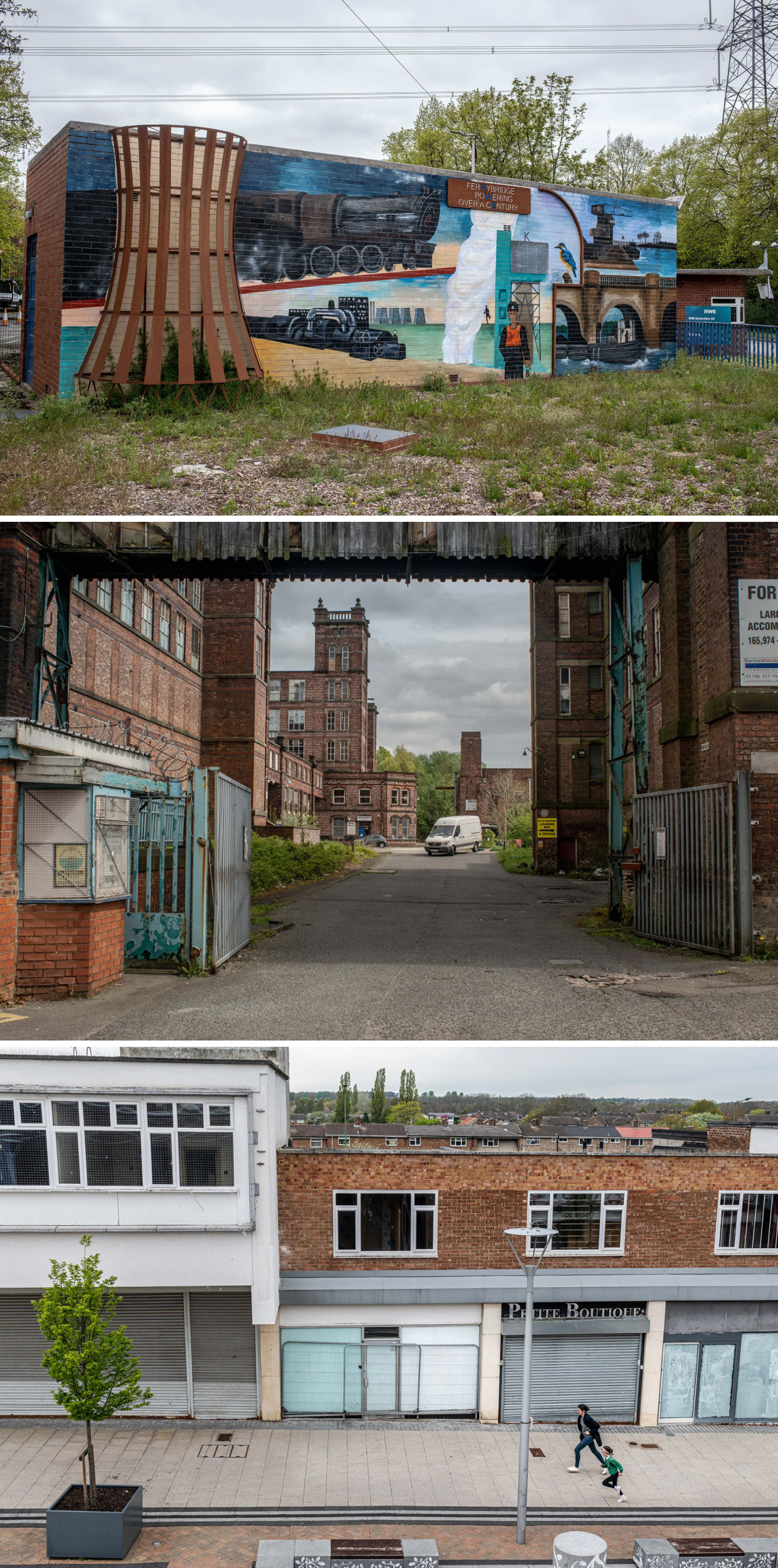
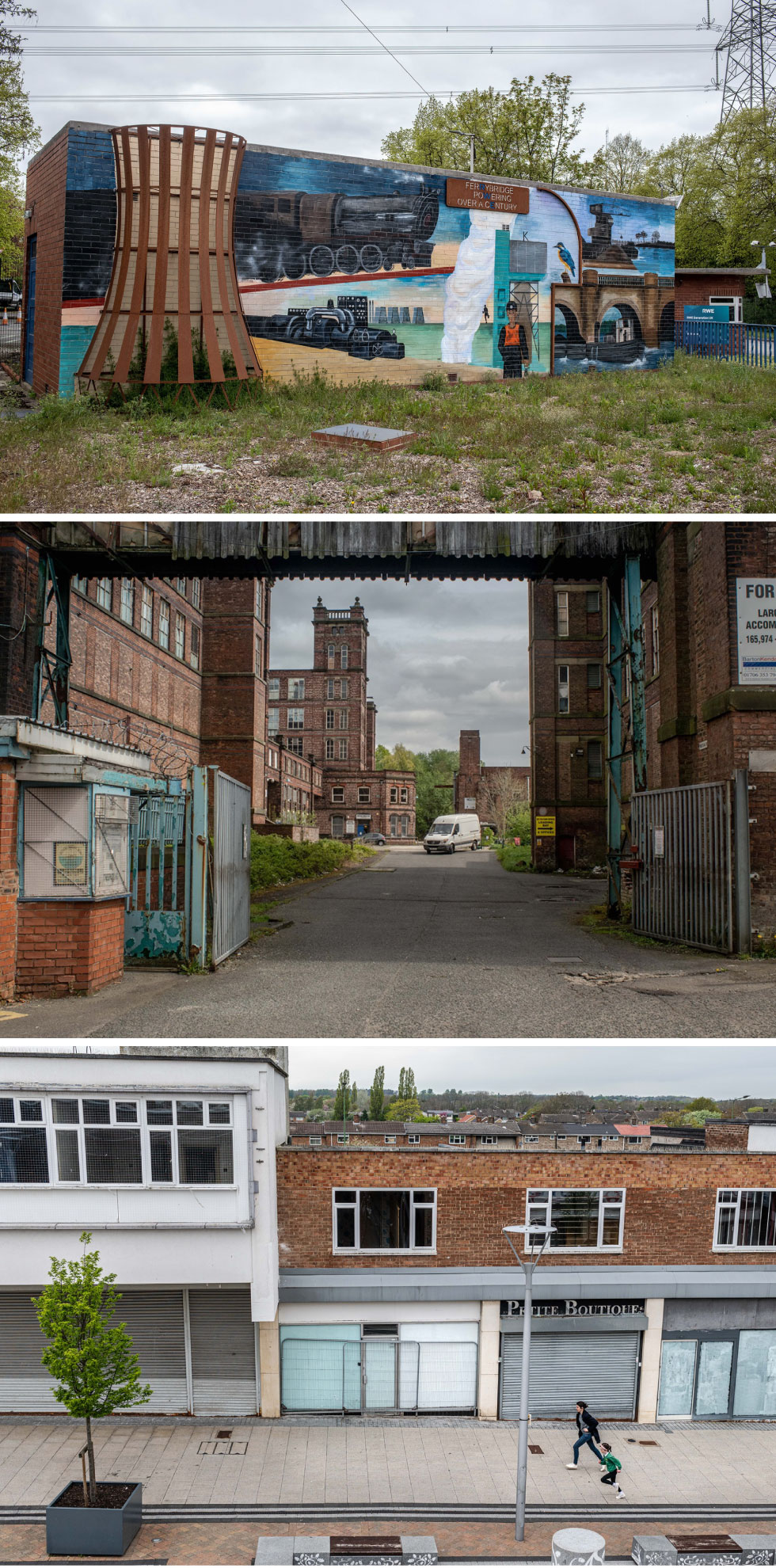
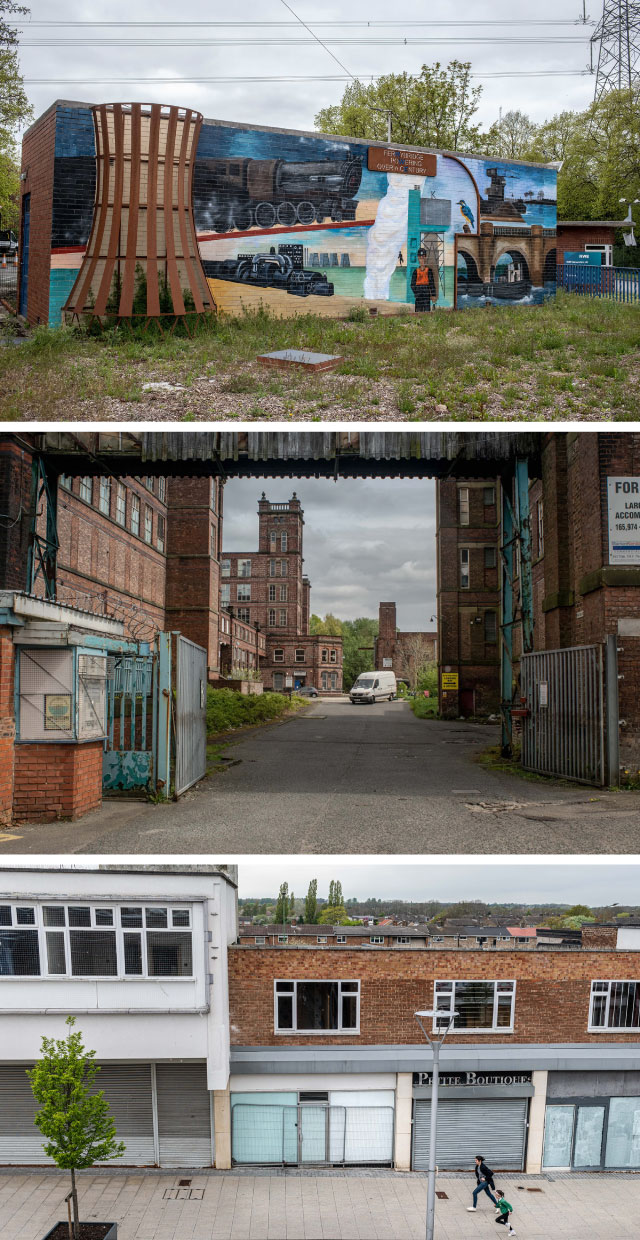
But 30 months later, the message hasn’t registered. In the towns of Ferryhill, Newton Aycliffe, Wakefield, Heywood and Stoke-on-Trent earlier this month, most people interviewed by Bloomberg hadn’t heard of “levelling up,” despite the fact it’s been uttered more than 5,000 times in Parliament since Johnson took power. They didn’t know its meaning and said their area wasn’t improving.
In Wakefield, voters can give their verdict on Johnson at an upcoming special election, after the Conservative narrowly elected in 2019 was found guilty of sexual assault and quit. The city, which had voted for Labour since 1932, is one of the poorest-performing areas on Bloomberg’s scorecard, with one of the highest crime rates. Its position has worsened relative to London on eight of the 12 metrics tracked.
Levelling Up Scorecards: Sedgefield, Wakefield
Julie Collins, a 61-year-old retired lab assistant, said Wakefield is beset by drugs, petty crime and anti-social behavior. She lamented the many boarded-up storefronts, saying “too many things are getting shut down.”
Between the betting shop and the bus stop in the center of the city, a disused public fountain is bordered by raised flower beds overgrown with weeds, a legacy of past efforts at regeneration. The council turned the water off after it was repeatedly vandalized—one person even drove a car through it to wash it.
“The joke in Wakefield is that we can’t be trusted to have nice things,” said Thomas Bone, 36, a part-time support worker for people with learning disabilities. “People have kind of given up hope on levelling up. There’s a lot of promises to the North and Yorkshire in general but nothing’s ever fulfilled.”
A common Red Wall gripe is the dearth of government spending. Expenditure per head on public services has grown faster in London than any of the Red Wall regions since 2019.
Even Worse Off
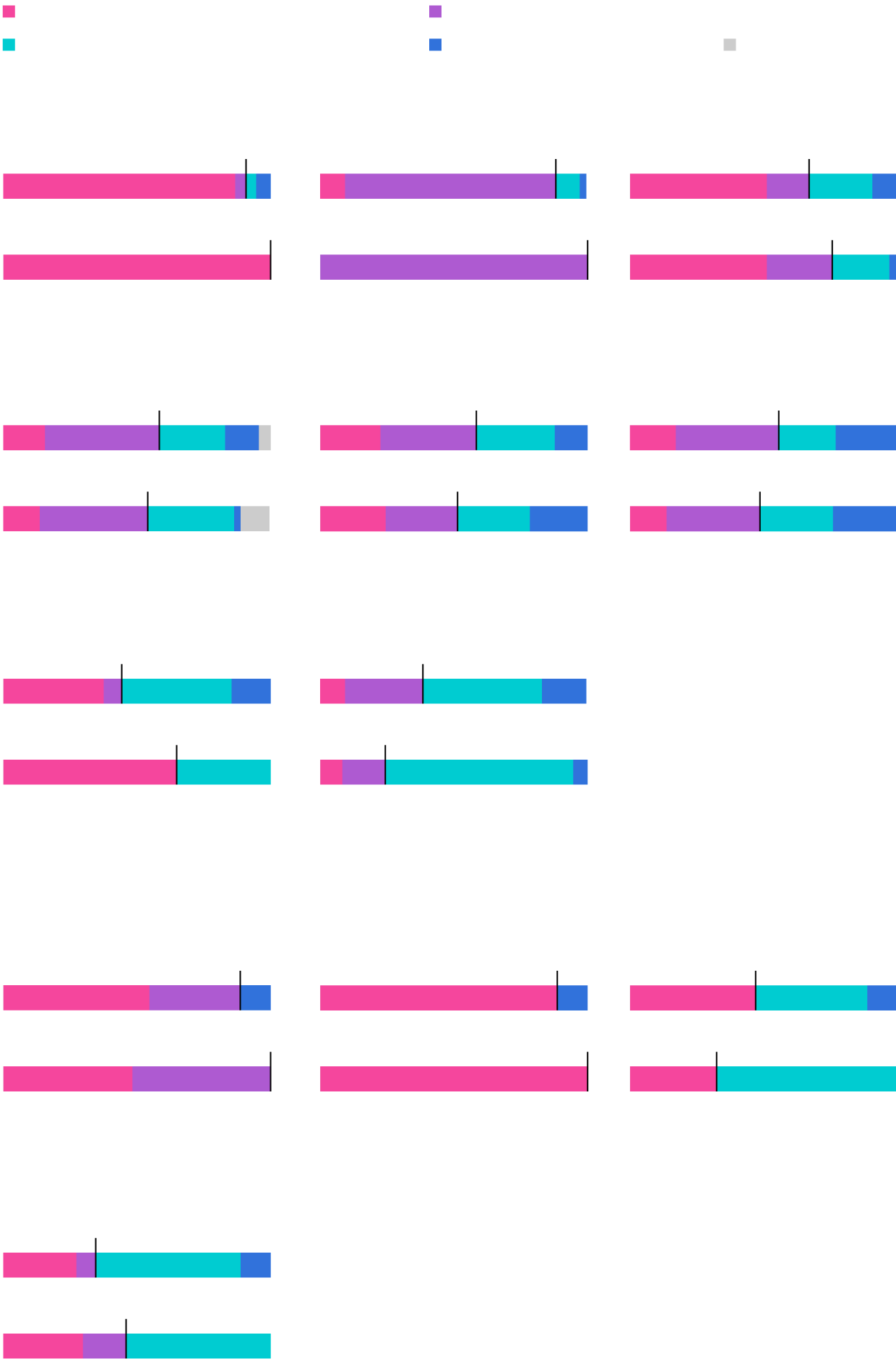
Behind in 2019 and falling or unchanged
Ahead in 2019 but falling or unchanged
Ahead in 2019 and gaining
Behind in 2019 but levelling up
Missing data
91%
are not
improving
Salaries
Home
affordability
Civil Service
employment
88%
67%
All constituencies
100%
100%
76%
Red Wall that flipped
Crime
Broadband coverage
Well-Being
58%
55%
58%
54%
51%
49%
Life expectancy
Universal credit
44%
39%
65%
24%
Metrics with the least granular data available
Total Government
spending
Gov. spending on
transportation
productivity
89%
47%
89%
100%
100%
32%
foreign investment
35%
46%

Behind in 2019
and falling or unchanged
Ahead in 2019
but falling or unchanged
Behind in 2019
but levelling up
Ahead in 2019
and gaining
Missing data
91%
are not
improving
Salaries
Home
affordability
88%
All constituencies
100%
100%
Red Wall that flipped
Crime
Civil Service
employment
67%
58%
76%
54%
Broadband coverage
Well-Being
55%
58%
51%
49%
Life expectancy
Universal credit
44%
39%
65%
24%
Metrics with the least granular data available
Total Government
spending
Gov. spending on
transportation
89%
89%
100%
100%
productivity
foreign investment
47%
35%
32%
46%

Behind in 2019
and falling or
unchanged
Ahead in 2019
but falling or
unchanged
Behind in 2019
but levelling up
Ahead in 2019
and gaining
Missing data
91%
are not
improving
Salaries
Home
affordability
88%
All constituencies
100%
100%
Red Wall that flipped
Crime
Civil Service
employment
67%
58%
76%
54%
Broadband coverage
Well-Being
55%
58%
51%
49%
Life expectancy
Universal credit
44%
39%
65%
24%
Metrics with the least granular data available
Total Government
spending
Gov. spending on
transportation
89%
89%
100%
100%
productivity
foreign investment
47%
35%
46%
32%

Behind in 2019 and falling or unchanged
Ahead in 2019 but falling or unchanged
Ahead in 2019 and gaining
Missing data
Behind in 2019 but levelling up
91%
are not
improving
Salaries
Home
affordability
Civil Service
employment
Crime
88%
67%
58%
All constituencies
100%
100%
76%
54%
Red Wall that flipped
Broadband coverage
Well-Being
Life expectancy
Universal credit
58%
55%
44%
39%
51%
49%
65%
24%
Metrics with the least granular data available
Total Government
spending
Gov. spending on
transportation
productivity
foreign investment
89%
47%
35%
89%
100%
100%
32%
46%
Inadequate transport links are another perennial complaint, acting as a straitjacket on regional growth. Bloomberg’s scorecard shows government spending per head on transportation in the 2020 fiscal year was 785 pounds ($963) in the South East—including the massive Crossrail route across London that’s due to open next week—compared to 622 pounds in the North West, 543 pounds in the North East and 499 pounds in Yorkshire.

“You complain and nothing happens,” said 47-year-old Wilson Egun, swearing as he described unreliable buses that often make him late for work at a nearby warehouse.
Speeding up journey times to the south and between northern cities are major goals of Johnson’s agenda, because of the potential to boost flagging productivity. But a 96 billion-pound overhaul of the railways announced earlier this year scrapped a high-speed line to Leeds, and broke a promise to build a new fast connection from Leeds to Manchester.
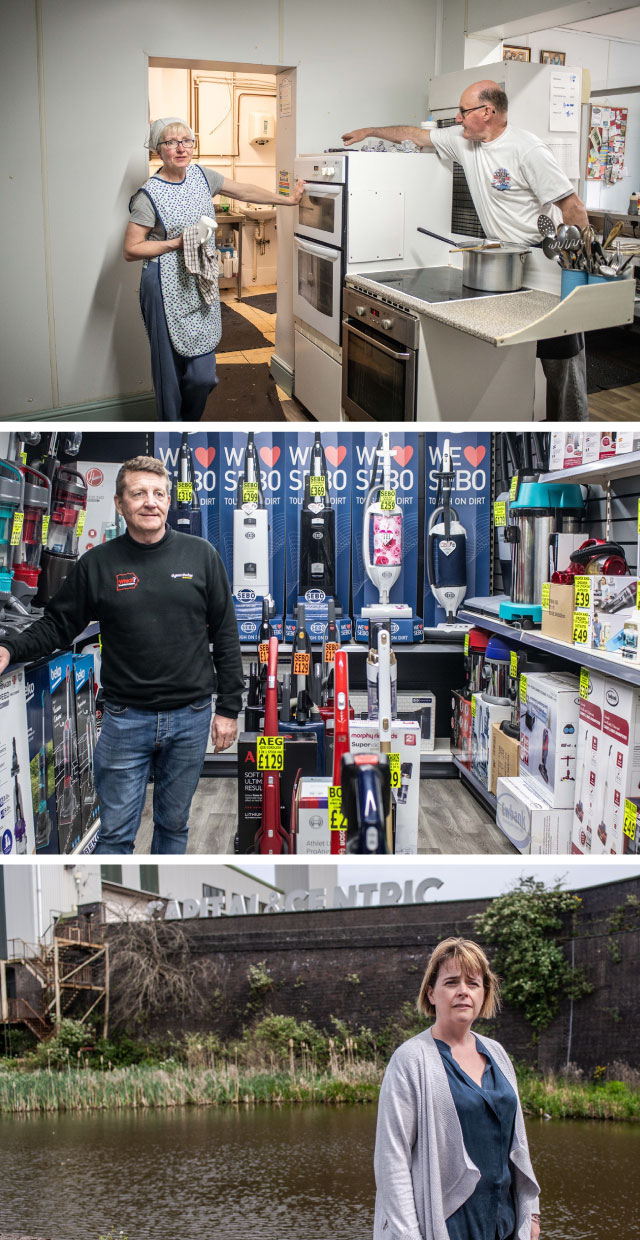
Philip Law, who sells vacuum cleaners on Heywood’s high street, said he feels betrayed by the new plans. The 56-year-old voted for Johnson but says he won’t do so again, because the government “doesn’t seem to be getting us anywhere.”
If the Tories lose more voters like Law, their 2019 gains risk becoming losses next time. Heywood and Middleton, which had been held by Labour since its formation as a seat in 1983, is one of their most marginal seats, with a majority of fewer than 700 votes. Home affordability and self-reported well-being have both gotten worse, while government spending per capita in the wider North West region, which was higher than the average for London and the South East, has fallen behind.
Levelling Up Scorecards: Heywood and Middleton, Stoke-on-Trent Central
Johnson’s levelling up agenda has been hampered by matters outside his control—the Covid-19 pandemic—and also by a series of his own missteps that damaged his standing among Tories and left his leadership teetering on the brink earlier this year.
The project also isn’t just about splashing cash. Stoke-on-Trent’s Tory council leader, Abi Brown, said her area has been one of the biggest recipients of levelling up funds but is struggling with a lack of human skills and capacity to effectively deploy the money. The council has only one person working on transport policy to serve a quarter of a million people, she said, citing the impact of years of spending cuts that were imposed by Johnson’s Tory predecessors in No. 10. “That places a huge burden on us,” she said.
Jo Gideon, one of Stoke’s Tory MPs, said the government has been slow to deliver on its commitment to move 500 Home Office jobs there, one of the levers Johnson promises will spread prosperity beyond London. Civil service job growth per capita since 2019 has been weaker in most of the Red Wall than around the UK capital. This is not just about creating jobs for bureaucrats—people in Stoke-on-Trent are dying younger as the productivity gap relative to London and the South East widens.
“The civil service have basically said: ‘do we really have to?’” said Gideon, adding that if forced to leave London, civil servants prefer to go to Manchester or Birmingham. But “levelling up is not about going to the next most comfortable city offering the same lifestyle you’d have in London.”

Johnson has given himself until 2030 to deliver meaningful progress on levelling up, but in order to remain in power he’ll have to convince voters he’s on the right track well before then. Behind the counter in the Ferryhill chip shop, Myers’s colleague Carolyn Clark doesn’t think he’ll ever get there.
“You can’t level it up,” she said, microwaving a box of chips and a burger for a customer. “It’s just been left too many years. I can’t see a way forward. We’re right at the bottom, aren’t we.”
(Corrects regional foreign investment totals and impacted constituency levelling up categories in all graphics where such data appears, without significantly altering the overall distribution or findings. In the sixth paragraph, the share of Red Wall seats falling further behind was also updated.)