Uber Beefs Up Lobbying in Pre-IPO Makeover: The Influence Game
A relative newcomer to Washington, Uber Technologies Inc. has revved up its Washington influence machine as the ride-sharing company expands into new business areas and seeks to shed its image as a dysfunctional startup before going public.
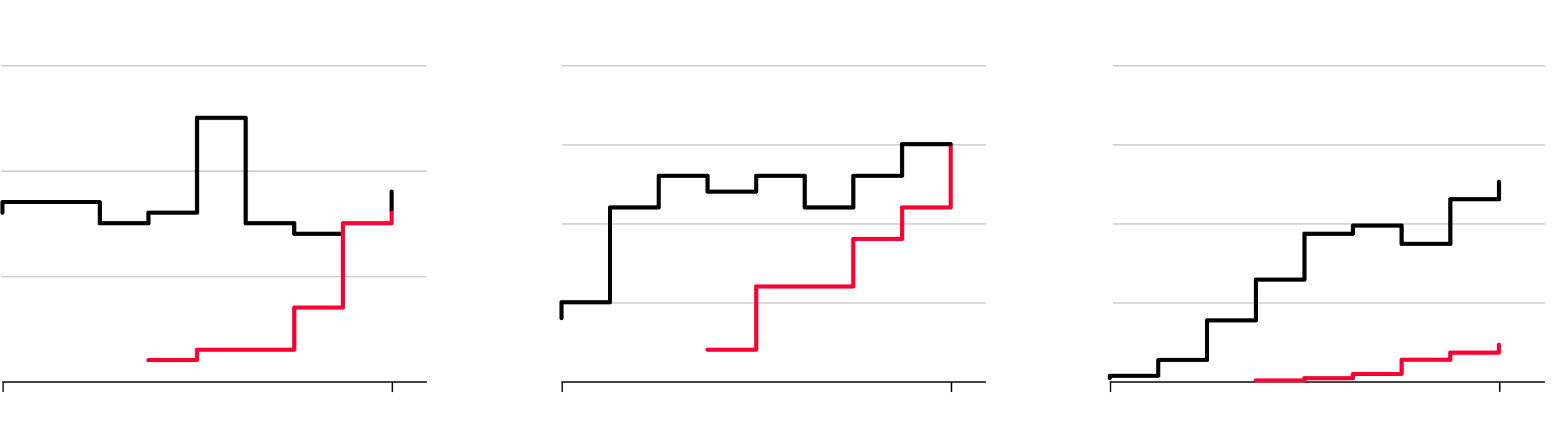
Uber set its fifth federal lobbying spending record last year, focusing on issues central to its growth strategy: winning approvals for innovations such as self-driving cars and flying cars and fighting to ensure its drivers maintain their status as independent contractors.
Even though Uber’s lobbying expenditure is still dwarfed by those of Facebook Inc., Amazon.com Inc. and Alphabet Inc.’s Google, it lobbied on 15 different policy concerns in 2018—the same number as Facebook—and courted almost as many agencies as Facebook did, according to an annual analysis of data from nine technology companies compiled by Bloomberg from federal lobbying reports filed with the Senate.
Number of entities lobbied
Number of issues lobbied
Amount spent on lobbying
30
$20M
20
15
15
20
10
10
10
UBER
5
5
UBER
UBER
0
0
0
2010
2010
2018
2010
2018
2018
Number of entities lobbied
Number of issues lobbied
Amount spent on lobbying
20
30
$20M
15
15
20
10
10
10
UBER
5
5
UBER
UBER
0
0
0
2010
2018
2010
2018
2010
2018
Amount spent on
lobbying
Number of entities
lobbied
Number of issues
lobbied
30
20
$20M
15
15
20
10
10
10
UBER
5
5
UBER
UBER
0
0
0
2010
2018
2010
2018
2010
2018
Number of entities lobbied
30
20
10
UBER
0
2010
2018
Number of issues lobbied
20
15
10
UBER
5
0
2010
2018
Amount spent on lobbying
$20M
15
10
5
UBER
0
2010
2018
Uber spent $2.3 million on federal lobbying in 2018, up from about $1.8 million a year earlier. In 2013, the first year it lobbied in Washington, Uber spent a mere $50,000, the disclosures show.
Uber is accelerating its outreach in Washington as it works to overcome the shadow of sexual-harassment allegations and leadership stumbles ahead of a planned initial public offering later this month. Uber’s IPO could be the New York Stock Exchange’s biggest listing this year and value the company at as much as $120 billion.
Lyft Slump
Still, the slump experienced by its smaller rival Lyft Inc., which has fallen below its IPO price since its March 29 debut, is a worrying sign for Uber and other unicorns that plan to list this year.
“If you’re looking to keep things nice and calm for your IPO and everything else, to deal with all of the disruptor kinds of issues that emerge for companies like this, you bring on more lobbyists,” said Steven Billet, a legislative affairs professor at George Washington University who says he advised the company to staff up in Washington. “You get some extra brains in the room.”
New Leaders
As Uber looks to exert more clout in the nation’s capital, Chief Executive Officer Dara Khosrowshahi seeks to shift the company from being a scrappy ride-sharing startup engaged primarily in battles over local taxi laws to becoming a publicly traded, diversified transportation firm. It’s also trying to re-brand itself after the scandal-ridden tenure of co-founder Travis Kalanick, which led the company to be dubbed the “world’s most dysfunctional” startup.
Since Khosrowshahi took over as CEO from Kalanick in 2017, he has pushed the company to resolve its outstanding legal problems, reform its human resources policies, and improve its relationship with riders and drivers.
For More: Uber’s Drive to Clean Up Its Act En Route to an IPO: QuickTake
Part of Uber’s charm offensive last year included introducing members of Congress to drivers in their districts, helping facilitate rides to the polls on Election Day and hosting a conference in May about the future of “aerial ride-sharing” with aircraft.
Uber has been exploring flying cars, including testing vehicles that can take off and land vertically. The company plans to hold another summit on the future of aerial transportation with policymakers, technology leaders and academia in Washington in June. Uber also continues to actively lobby local jurisdictions, including backing a congestion tax in Manhattan.
An Uber representative declined to comment on the company’s lobbying strategy.
Increasing Scrutiny
Uber’s federal lobbying is likely to increase as it continues to shift from advocacy at the state and local levels and faces increasing regulatory and congressional scrutiny, said Craig Holman, a government affairs lobbyist for the watchdog group Public Citizen in Washington.
“The dramatic rise in recent years is not going to stop,” Holman said. “They will want to continue to protect their image, especially when they are going public. The last thing they would want is to be dragged in front of Congress in a hearing again.”
Holman pointed to the appearance last year of Uber’s information security chief before a Senate subcommittee after the company concealed a 2016 data breach for more than a year.
New Hires
As part of its Washington ascent, in January 2018 the company hired Danielle Burr, a former aide to Representative Kevin McCarthy, now the House minority leader, to oversee its federal lobbying. Uber has also retained 10 outside lobbying firms, including Ballard Partners, led by Brian Ballard, a Florida fundraiser for Donald Trump’s 2016 presidential campaign.
Recruiting more lobbyists could help the company confront potential regulation as it adds bikes and scooters to its expanding roster of businesses. In April, Uber purchased electric-bike rental company Jump Bikes for $200 million and has been ramping up production. Uber has also expanded into food delivery with Uber Eats and trucking with Uber Freight, and it’s testing the use of autonomous vehicles on public roads.
As Uber broadens its business model, it’s also wooing a larger group of policy makers in Washington. The company lobbied 16 government agencies in 2018, just shy of the 18 entities that Facebook lobbied and the 20 that Google contacted, disclosure reports show.
In the last three quarters of 2017, Uber lobbied the Securities and Exchange Commission before the company submitted a confidential IPO in late 2018. Among the topics Uber worked on at the SEC were small business and labor issues, the reports show.
Agencies Lobbied
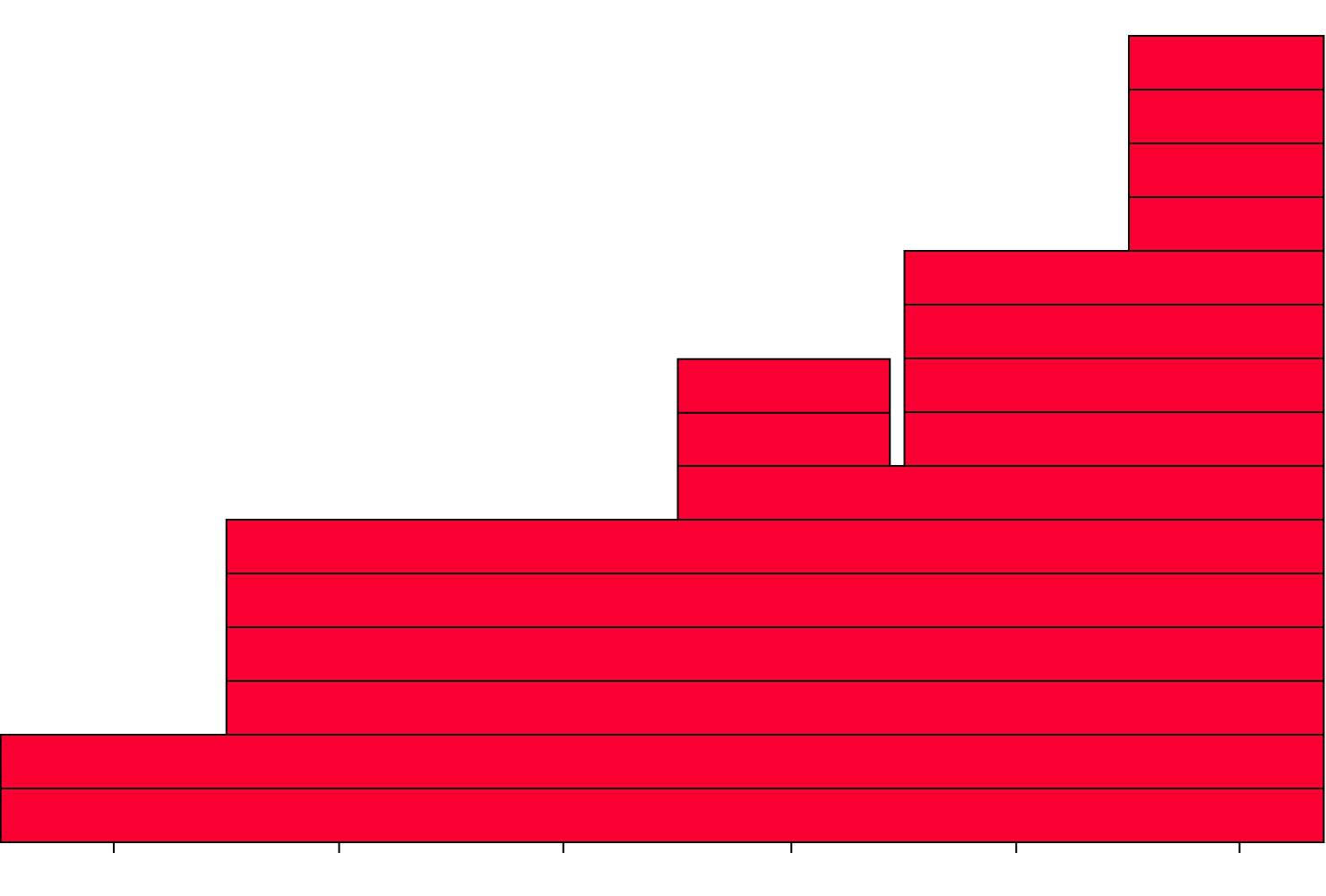
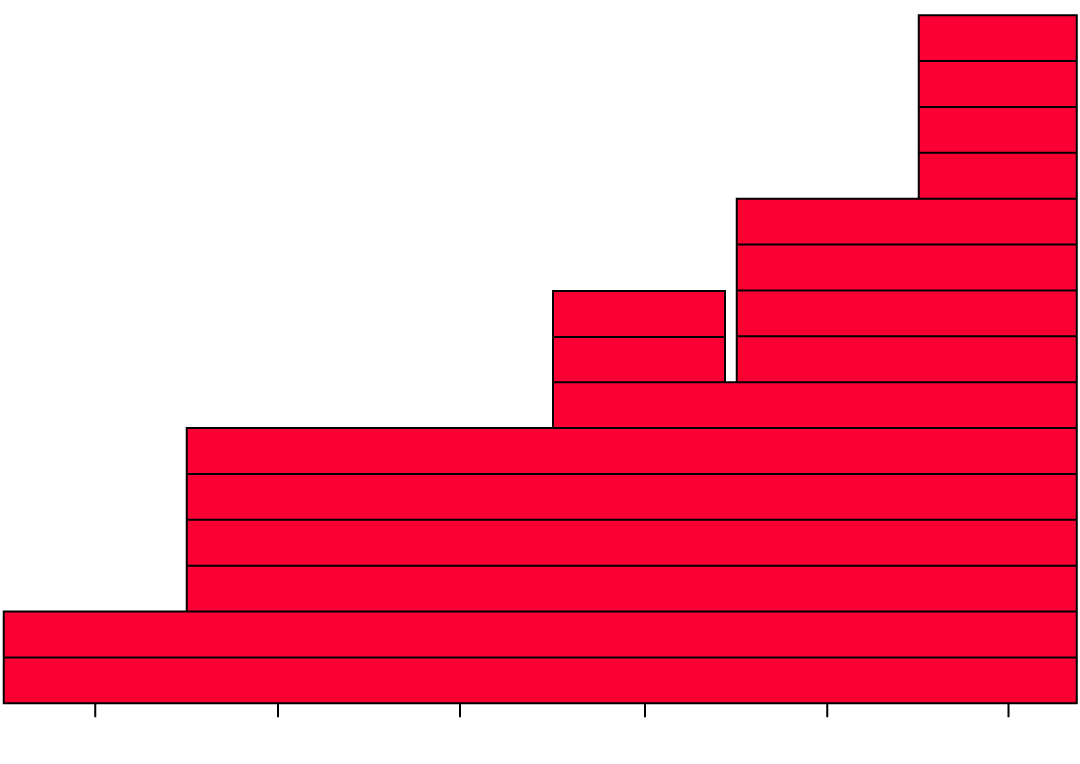
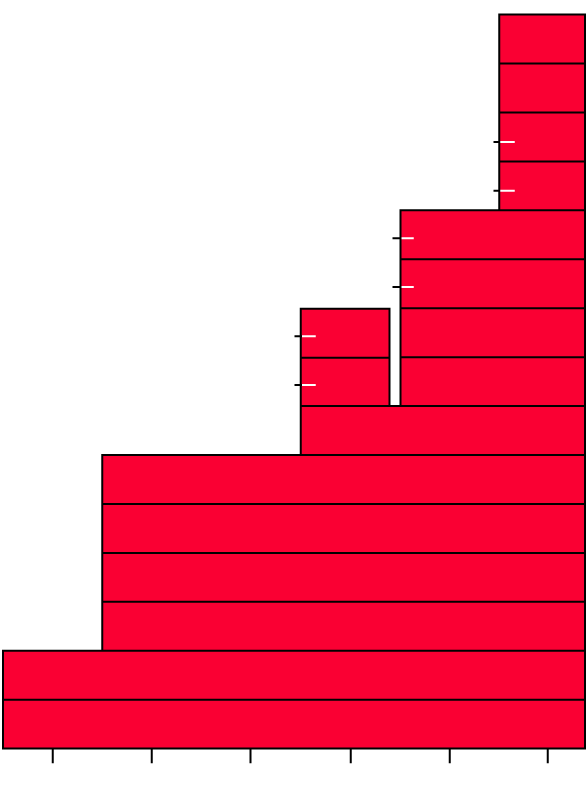
Uber also lobbied other entities on issues including the deployment of self-driving vehicles for commercial purposes, pretax benefits for independent contractors, digital trade, drones, antitrust, scooter tariffs and transportation systems in disaster relief, a list that indicates the breadth of its goals and vulnerabilities.
Issues Uber has lobbied, by year
ROADS
CRIME
AVIATION
TARIFFS
GOVERNMENT ISSUES
TRUCKING/SHIPPING
HEALTH ISSUES
DEFENSE
AUTOMOTIVE
VETERANS
TAXATION
SCIENCE/TECHNOLOGY
SMALL BUSINESS
LABOR ISSUES/ANTITRUST/WORKPLACE
TRADE
TRANSPORTATION
COMPUTER INDUSTRY
2013
2014
2015
2016
2017
2018
ROADS
CRIME
AVIATION
TARIFFS
GOVERNMENT ISSUES
TRUCKING/SHIPPING
DEFENSE
HEALTH ISSUES
VETERANS
AUTOMOTIVE
TAXATION
SCIENCE/TECHNOLOGY
SMALL BUSINESS
LABOR ISSUES/ANTITRUST/WORKPLACE
TRADE
TRANSPORTATION
COMPUTER INDUSTRY
2013
2014
2015
2016
2017
2018
ROADS
CRIME
AVIATION
TARIFFS
GOVERNMENT ISSUES
TRUCKING/SHIPPING
HEALTH
DEFENSE
AUTOMOTIVE
VETERANS
TAXATION
SCIENCE/TECHNOLOGY
SMALL BUSINESS
LABOR ISSUES/ANTITRUST
TRADE
TRANSPORTATION
COMPUTER INDUSTRY
2013
2014
2015
2016
2017
2018
Besides the SEC, the company lobbied Congress, the Department of Transportation, the White House’s National Economic Council, the Labor Department and the Department of Homeland Security, among others, the records show.
During a reception last year at Uber’s sleek Washington office, Burr told a roomful of lobbyists, journalists and industry executives that she accepted her post knowing the company’s image required repair.
“There is an opportunity here to make some change,” she said. “There is an opportunity to grow a company that I am passionate about.”