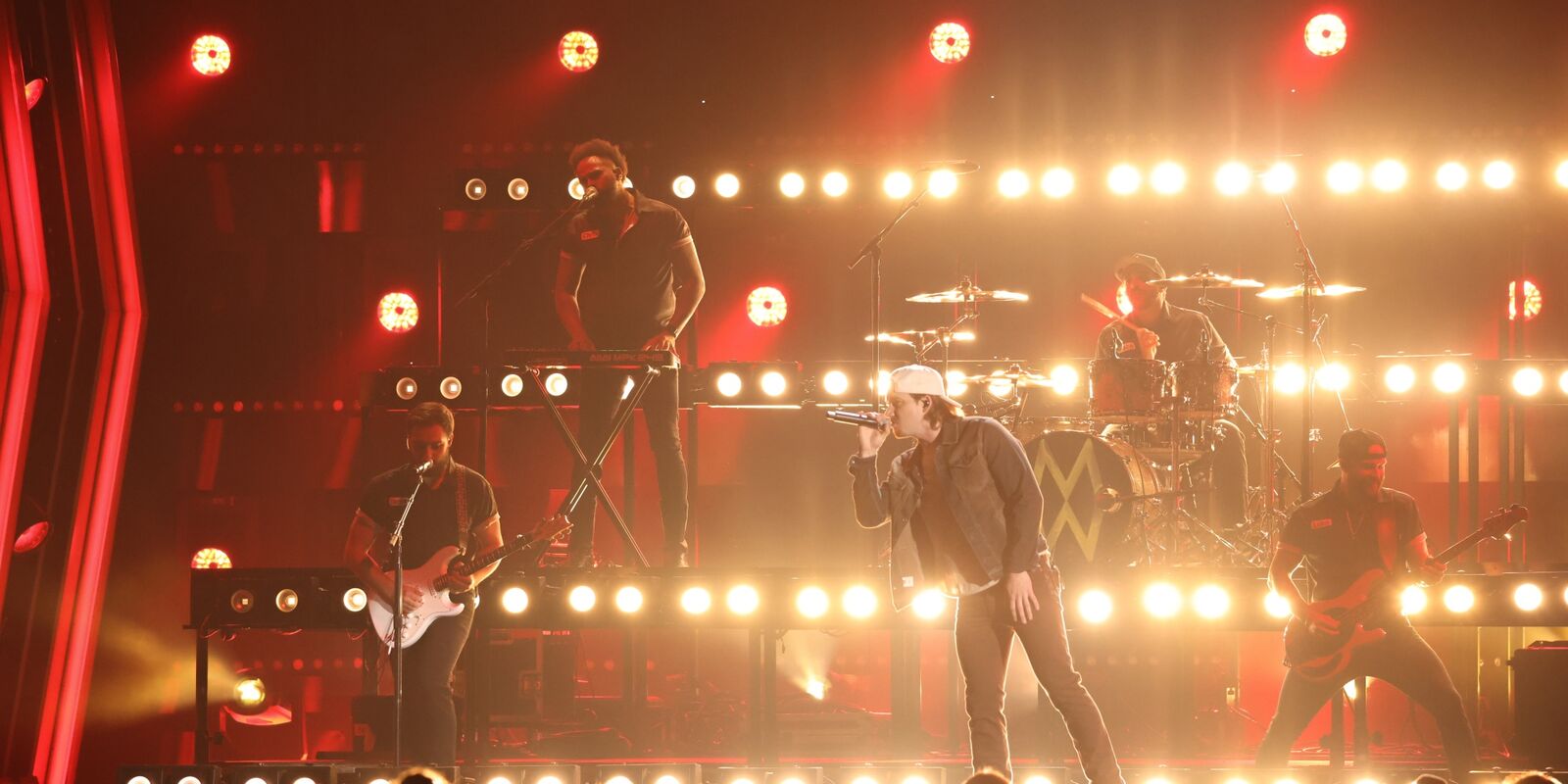
Morgan Wallen Rebounded From Controversy Stronger Than Ever
Seemingly nothing can stop country singer Morgan Wallen. Last month, fans streamed his latest release, One Thing At A Time, more than 130 million times, and he had the fifth-biggest streaming release ever in the US after its first six days of release. In a little under a month following its debut, Wallen sold the equivalent of over one million albums.
For March, Wallen comes in at number seven on the latest Bloomberg Pop Star Power Rankings.
The popularity of One Thing At A Time is more evidence that music fans have largely moved on from a controversy that not long ago threatened to derail Wallen’s career.
In February 2021, a video surfaced in which the Tennessean crooner came home after a night out with friends and was caught on camera using the n-word. A backlash followed. His label, Big Loud Records, suspended his contract. The Country Music Association banned him from attending its awards show, as did the CMT Music Awards. Radio stations dropped his songs out of rotation while Spotify removed them from its most popular country playlist, Hot Country. Black country artist Mickey Guyton spoke out, saying “hate runs deep.” That summer, Wallen’s tour was canceled.
The situation culminated with the release of a video in which Wallen apologized, said he’d had conversations with Black people to educate himself and that he’d been sober for nine days.
“My words matter,” he said.
Afterward, fans rallied around the singer and his music. For seven weeks after the racial-slur video surfaced, Dangerous: The Double Album remained at the top of the Billboard album chart. In the fall of 2021, Wallen resumed his tour and has since been nominated for multiple CMA Awards and won album of the year at the Academy of Country Music Awards last year.
See other Pop Star Power Rankings
Wallen’s ability to maintain an audience, particularly as radio stations removed his music, is yet another reminder of country artists’ newfound prowess on streaming platforms.
Brittany Schaffer, Spotify’s former head of artist and label partnerships in Nashville and now the incoming dean at Belmont University’s Mike Curb College of Entertainment & Music Business, said she attributes country’s streaming growth, in part, to artists like Wallen who are “connecting with fans in really personal, meaningful ways and putting those fans first.”
She points to his collaborations with Spotify as evidence of this fan-oriented approach. In March, Wallen teamed up with the Swedish streaming service to throw a hometown concert at his high school. Spotify also returned his music to the platform’s Hot Country playlist, which currently boasts over 7 million followers.
“I think radio is still important,” Schaffer said. “It’s just no longer the only thing that’s important, and I think we have a really healthy ecosystem now of ways and places country music fans can consume music.”
Earlier this month, the Digital Media Association, an organization representing digital music streamers like Amazon Music, Pandora and YouTube Music, issued a report about the growth of the country music streaming segment.
“Country music has the biggest opportunity to grow, with streaming opening the doors for people of different ethnicities, race, gender, sexual orientation and geographical location,” said Jay Liepis, who leads business partnerships in Nashville at Apple Music. Over the past year, the service’s Today’s Country playlist has been the top genre-specific playlist worldwide on the platform, he said, and during the past two years, more than a hundred country songs have charted on the Global Daily Top 100.
The genre’s growth on streaming platforms has coincided with a push for a more diverse country music landscape. In March, executive producers Reese Witherspoon and Kacey Musgraves debuted a new Apple TV+ music competition show, My Kind of Country, that offers an “extraordinary opportunity to diverse and innovative artists from around the world.” The judges include Guyton and Jimmie Allen, who are Black, and Orville Peck, who is gay.
Still, the industry has to contend with the fact that Wallen remains its biggest, current star, despite being caught on camera using a racial slur. Much of Wallen’s current album ignores the past controversy without any sort of mea culpa or sustained reckoning. Instead, he appears to make one vague reference to the events of recent years in the first track, Born with a Beer in my Hand.
“I ain’t the devil that I acted like years ago,” he sings. “No, but I’ll be back one day, y’all, even though.”