A Nigerian Singer Released the Biggest Hit in African History
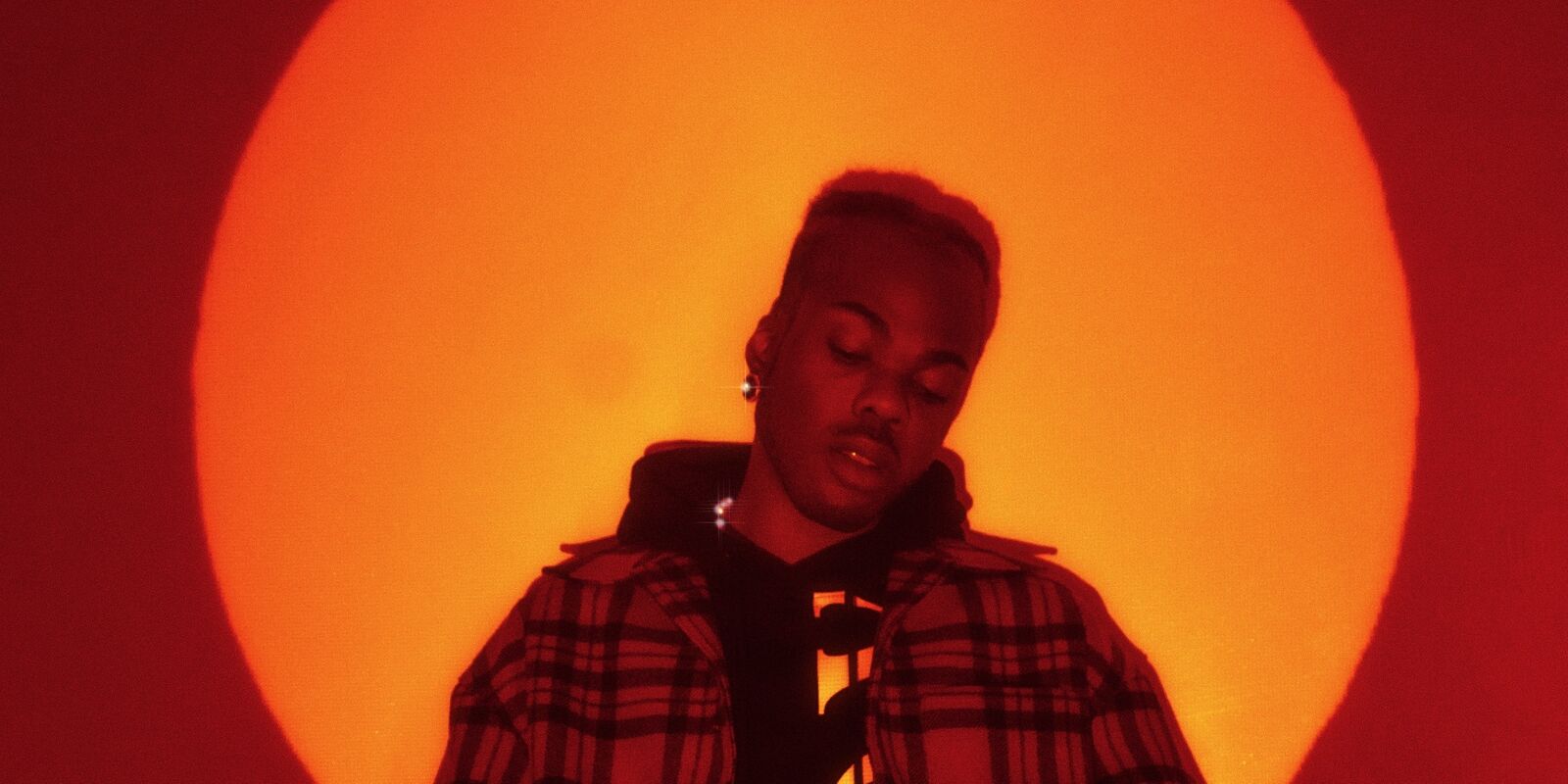
In early September, Nigerian singer-songwriter CKay received a text message with a link to TikTok. Some of the app’s users had started recording a dance routine set to his song, “Love, Nwantiti,” which is about toxic relationships. CKay didn’t think much of it. “The song had already been big a year before, so why would it blow up again?” he said via email.
But within days of getting the text, his two-year-old song was being used in millions of videos. The dance had spawned a challenge, inspiring one TikTok user after another to try to do a better job with the same moves. Almost overnight, its growing popularity on TikTok catapulted “Love, Nwantiti,” into the biggest hit of CKay’s career.
For two weeks in October, “Love, Nwantiti” ranked as the most-watched music video in the world on YouTube. It was also one of the most popular tracks on Instagram, TikTok, Spotify and just about every place people listen to music.
The song’s worldwide popularity amounts to a watershed moment for African pop, a genre that has influenced many famous musicians but never achieved commercial success on a global scale. It is the first song from the entire continent to top YouTube’s list of the most-watched music videos. (Ckay is also the first African artist to appear on any of the top 25 lists for Bloomberg’s Pop Star Power Rankings.)
“The song is in a league of its own,” said Temi Adeniji, the managing director of CKay’s record label, Warner Music Group South Africa. “There’s no one who has ever done this before.”
See other Pop Star Power Rankings
Adeniji, a Nigerian-born graduate of Princeton University, is a rising star in Warner Music Group’s international division. Earlier this year, she decided to take a job overseeing strategy for sub-Saharan Africa and will be moving to Johannesburg in the coming weeks — another sign of the music industry’s growing interest in Africa.
For most of modern music history, record labels have neglected the continent. Africa’s mix of widespread poverty and limited copyright protections made it one of the least lucrative markets. And the high cost of broadband internet made it difficult for most people to listen to music.
But the rise of on-demand streaming services, particularly YouTube and Spotify, as well as social media platforms like Instagram and TikTok, has made it easier for western companies to get their music in the hands of local African populations. It’s also made it far easier for labels to identify rising talent from the region and to export their music to the world.
“As you see the cost of data and streaming going down, you see more and more Africans benefitting from a big push for music,” said Phiona Okumu, Spotify’s head of music for sub-Saharan Africa. “Streaming is relatively new for our continent, but the rate at which it’s growing is faster than when streaming was first invented.”
As a result, the same music companies that once ignored Africa are now fiercely competing to sign acts there. Recently, Universal Music Group opened up an office in Nigeria and created an African offshoot of the famous hip-hop label Def Jam. Sony Music Entertainment set up shop in Johannesburg. Last year, the International Federation of the Phonographic Industry (IFPI), a group representing many of these companies, established its first outpost in sub-Saharan Africa. In 2020, Nigerian artists Wizkid and Burna Boy both won awards at the Grammys.
“If you look at the past year, it’s been very positive in terms of the reception of African music,” said Angela Ndambuki, the regional director of sub-Saharan Africa for the IFPI. “Before, you wouldn’t hear major artists from Africa recognized.”
To ensure the music industry sustains its interest in Africa, Ndambuki, a lawyer and musician with the all-girl group Tatuu, is working with governments to create more copyright protections and pushing for more transparent data.
Warner Music Group first discovered CKay through its partnership with Chocolate City, one of Nigeria’s leading record labels. Born in northwestern Nigeria, CKay later moved to Lagos, the country’s largest city. Nigeria has been one of the most fertile countries for new music in the past several years, and Lagos is considered the home of AfroBeats, a genre that marries percussion-heavy beats with autotuned singing and rapping. Many of the biggest musicians from Africa are AfroBeats acts, including Wizkid, who was featured on Drake’s 2016 smash “One Dance,” which introduced a whole new generation of young listeners to the genre.
CKay first released “Love, Nwantiti” in late 2019 and considered the song one of his bigger hits based on its performance both in Nigeria and abroad. The song gained a following in the Middle East and North Africa thanks to a remix by popular Moroccan DJ ElGrandeToto. Musicians from Tanzania, France, Germany and South Africa all made their own versions.
The song’s more recent surge began not with one of Warner’s remixes, but thanks to DJ Yo, a relatively unknown artist from Mauritius. DJ Yo recorded a stripped down version of the song that found its way onto TikTok, the social network where people post short videos, often set to music. Previously, another African smash, “Jerusalema” by Master KG, had gone viral on the app.
Before releasing the remix of “Love, Nwantiti,” DJ Yo tried to no avail to get in touch with CKay. In August, when the remix started trending, Warner contacted the DJ and bought his rights to the song. By mid-September, it was one of the most-used songs in videos on TikTok and Instagram. Social media users were making more than 10 million videos a week using the song. Warner then brought the new version to music services, where playlist editors pick songs based in part on TikTok’s trending page.
“It was organic in the sense that we didn’t commission the remix,” said Adeniji. “It started going viral without our push initially. Our job was to take control of the viral moment.”
The song has now peaked in some parts of the world where it first exploded, but its popularity in the U.S., Latin America and Asia Pacific is still growing. Adeniji is now trying to figure out how to extend its life. Warner could release a version with a U.S. artist to help it rise even higher, or proceed with the release of CKay’s next song.
Last November, CKay had about 179,000 monthly listeners on Spotify. Now he has more than 30 million.
The popularity of “Love, Nwantiti” does come with a few challenges. Several different versions of the song are charting in different places. Three different varieties appeared simultaneously on Spotify’s global charts, suppressing its overall ranking. While it reached the top 10, it really belonged in the top 3. It also makes it hard to know which song to pitch to radio stations in different markets. “There’s not one doing well across the board,” said Adeniji. “It’s very annoying.”
“It’s a good problem to have,” said Alfonso Perez-Soto, Warner’s head of emerging markets.