How the Massive Democratic Field Shrank to a Handful of Front-Runners
The largest group of presidential candidates since at least 1980 has narrowed to just two major Democratic contenders out of the 28 who entered the race.
Former Vice President Joe Biden overtook Vermont Senator Bernie Sanders in the delegate count after Biden secured endorsements from Minnesota Senator Amy Klobuchar, former South Bend, Indiana Mayor Pete Buttigieg and former Texas House Representative Beto O’Rourke ahead of the Super Tuesday primaries.
Massachusetts Senator Elizabeth Warren and former New York City Mayor Michael Bloomberg ended their campaigns after disappointing Super Tuesday results, with Warren coming in third in her home state.
The winnowing of the Democratic field to a smaller group of frontrunners reflects patterns seen in previous elections. The 2016 Republican field didn’t narrow significantly until February 2016, when seven candidates dropped out within three weeks. Only five Republicans made it past Super Tuesday in 2016.
Michael Bloomberg is the founder and majority owner of Bloomberg LP, the parent company of Bloomberg News.
An early field
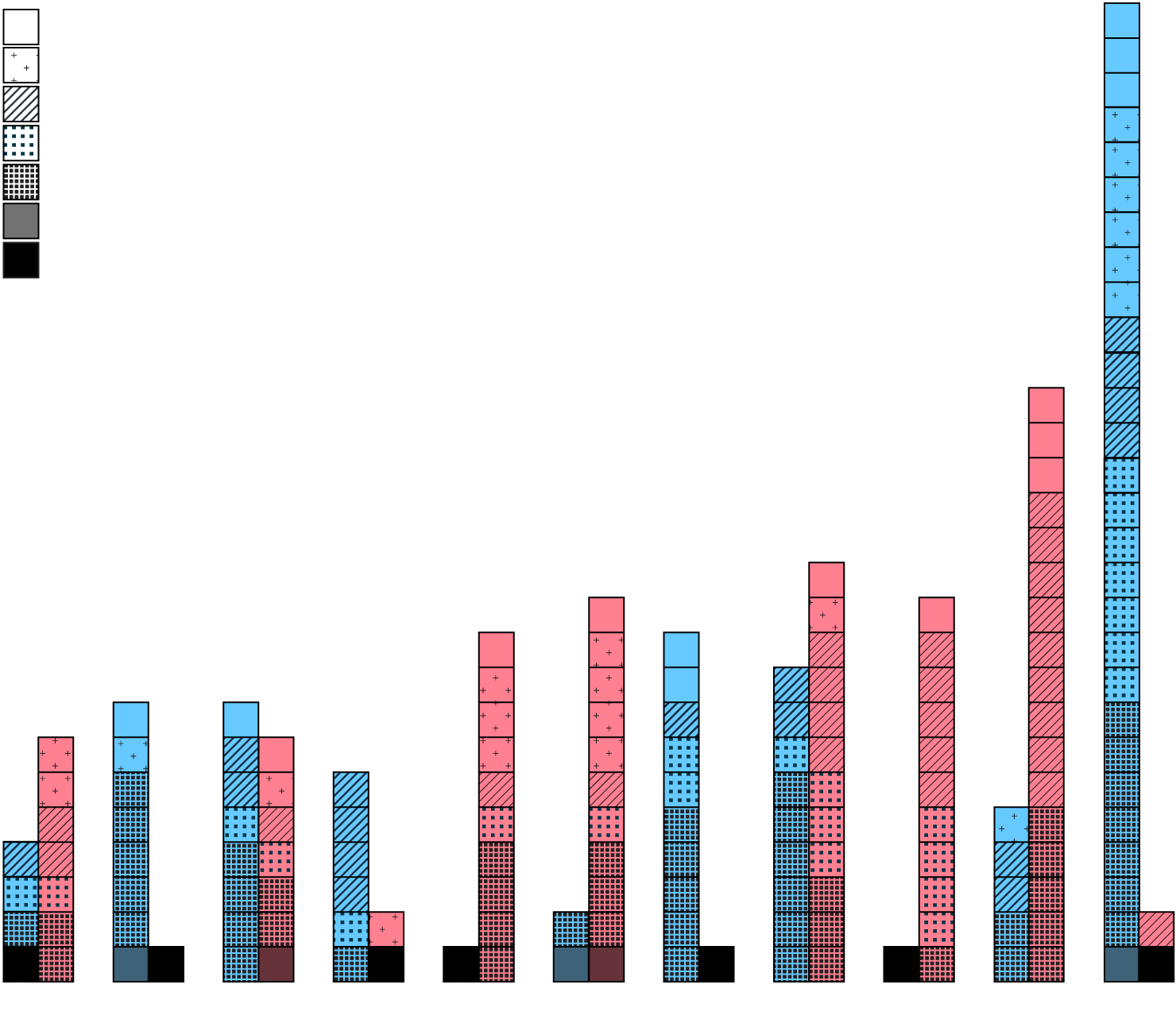
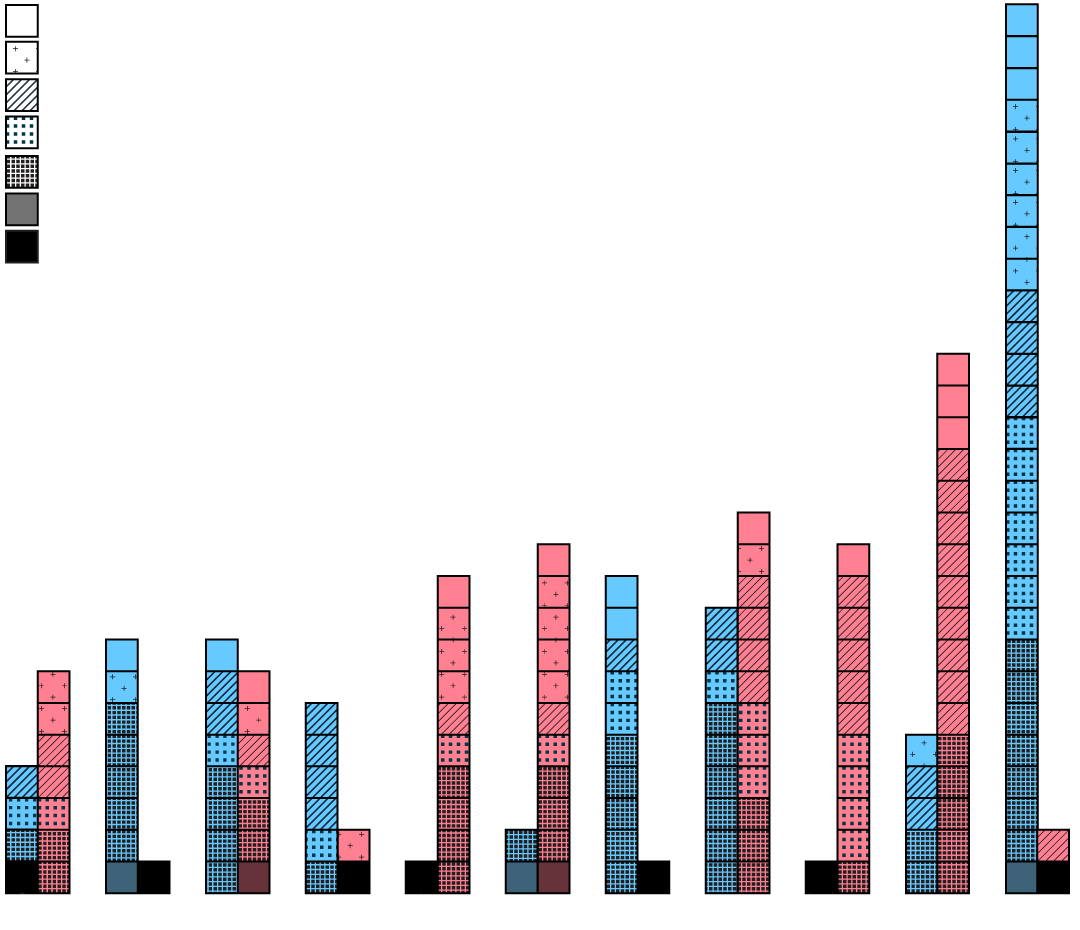
This election’s slate of candidates assembled faster than any in recent decades, including the crowded 2016 Republican field, which swelled to 17 candidates in July of the year before the election. The 2020 Democratic field was already as big by April 2019.
“It’s an election that, for Democrats, has a sense of urgency,” said Julian Zelizer, professor of history and public affairs at Princeton University. “It’s a historic election. The sense of the risks of a second Trump term are great, so that’s going to inspire more Democrats than usual to go through what’s a brutal process: running for president.”
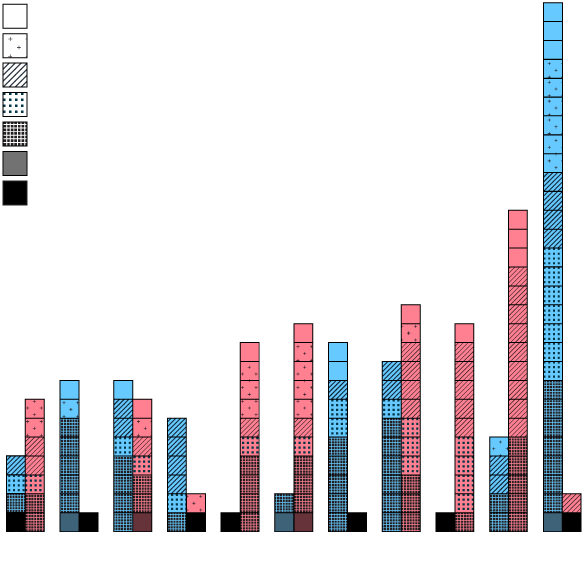
It was more than just the number of contenders that was striking: They were also experienced. There were more current and former governors and members of Congress running this year than there were total candidates in any party primary in the last several decades.
The 2020 Democratic field is the biggest and most experienced in recent history
No political experience
Other political experience
Governor
House member
Senator
Vice president
Incumbent president
1980
1984
1988
1992
1996
2000
2004
2008
2012
2016
2020
No political experience
Other political experience
Governor
House member
Senator
Vice president
Incumbent president
1980
1984
1988
1992
1996
2000
2004
2008
2012
2016
2020
No political experience
Other political experience
Governor
House member
Senator
Vice president
Incumbent president
1988
2020
1980
1996
2004
2012
There’s a sense that small-donor fundraising and media fragmentation mean parties have lost some of their power to anoint a frontrunner, Zelizer said. Trump’s nomination in 2016 over an experienced Republican field was a prime example. Lesser-known politicians—even a small-city mayor like Democrat Pete Buttigieg—can also cause a stir.
“The nature of campaigning is different. It’s easier for candidates without all the name recognition and party muscle behind them to make a run for it,” Zelizer said.
And television networks may need to get used to large primary debate stages. Zelizer expects the country may see more crowded party primaries like 2016 and 2020 in the future.
“I don’t know in this number, I don’t know about every time,” Zelizer said, “but this isn’t going away any time soon.”
November 14, 2019: The graphic has been updated to correct the start date of George H.W. Bush’s 1988 presidential campaign and to reflect campaign announcement dates where they differed from FEC filings.