Is Gen Z Romanticizing Cigarettes Again?
Younger generations are witnessing more celebrities smoke on social media — and adults aren’t paying close enough attention.
Photographer: Guilherme Simão via Pexels
They were the kind of photos that stop you mid-scroll: Dua Lipa posing with a lit cigarette pressed between her lips — not sneaking a smoke but flaunting it like a must-have accessory. The images, which the pop star posted herself as part of a casual photo dump in October 2021, inspired Canadian social media manager Jared Oviatt to launch his “Cigfluencers” Instagram account the following month. It was a way for him to capture what he saw as a cultural shift.
“I was a little shocked to see this beautiful pop star smoking. I hate to say she normalized it — that goes too far,” recalls Oviatt, who smokes Camel Blues. “But there she was, social proof that you could smoke and not be ridiculed for it.”
Dua’s photos became the first post on “Cigfluencers,” which is dedicated to showcasing stars — in archival photos and current snapshots — with cigarettes in hand. Not every celeb who smokes makes the cut, though. Oviatt, who is 26, carefully curates the vibe of the Instagram grid to his taste. He says the account feels like an extension of a blog post he wrote, in which he asked: “Is smoking only cool if you're hot?” just a few days before “Cigfluencers” launched.
Both that question and the account’s growth — it now has more than 450 posts and 82,000 followers — illustrate how smoking has quietly slipped back into Western pop culture in recent years and is gaining traction with Gen Z.
Signs of the shift are just as visible elsewhere. Whether you’re scrolling through social media or sifting through party inspiration online, you’ll find young stars like Addison Rae, Paul Mescal, Gracie Abrams, Hannah Einbinder, Rosalía, Doechii, Jeremy Allen White or Charli XCX holding a cigarette, oftentimes in a social setting.
Regardless of how those images make it to the internet — they might be posted by the celebrities themselves or by outlets — the photos shape what’s cool and aspirational for stars’ impressionable teen and 20-something fans. Perhaps that’s why college students around the country are noticing smoke wafting around their campuses.
A cigarette renaissance may be underway, and it should concern parents, policymakers and health officials. That is, if any of these stakeholders are even aware of it. With social media and handheld devices turning content consumption into a solo experience, it’s easy to overlook subtle attempts to glamorize smoking, especially with so many other hazardous influences to look out for — drugs, porn, alcohol and even chatbots.
Pop Culture’s Chain Reaction
People might also not be paying close attention because cigarette use is at an all-time low among teens and adults. That raises a question: What’s there to worry about, then? It boils down to the fact that imagery influences behavior.
While quantifying the impact that social media has on tobacco or nicotine use is challenging, studies consistently show that adolescents and young adults who view tobacco-related content are more likely to start using those products down the road, says Erin Vogel, a University of Oklahoma social psychologist who studies youth nicotine use.
Social media’s rabbit hole effect can easily distort reality. “Liking” or “sharing” photos doesn’t just amplify the trend; it can bias what shows up as teens and young adults scroll. That risks redefining what’s considered “normal,” despite a remarkably successful, decades-long health campaign that had made cigarettes an outlier.
Part of cigarettes’ draw has always been their aesthetic. There’s a reason why Old Hollywood used them to imbue a scene with mystery or sensuality and old school print ads presented smoking as a symbol of style. The changing times haven’t completely dulled that allure.
Go Through Big Tobacco’s 20th Century Ups and Downs
1920
1940
1960
1970
1980
1990
2000
Fotosearch/Getty Images
APic/Getty Images
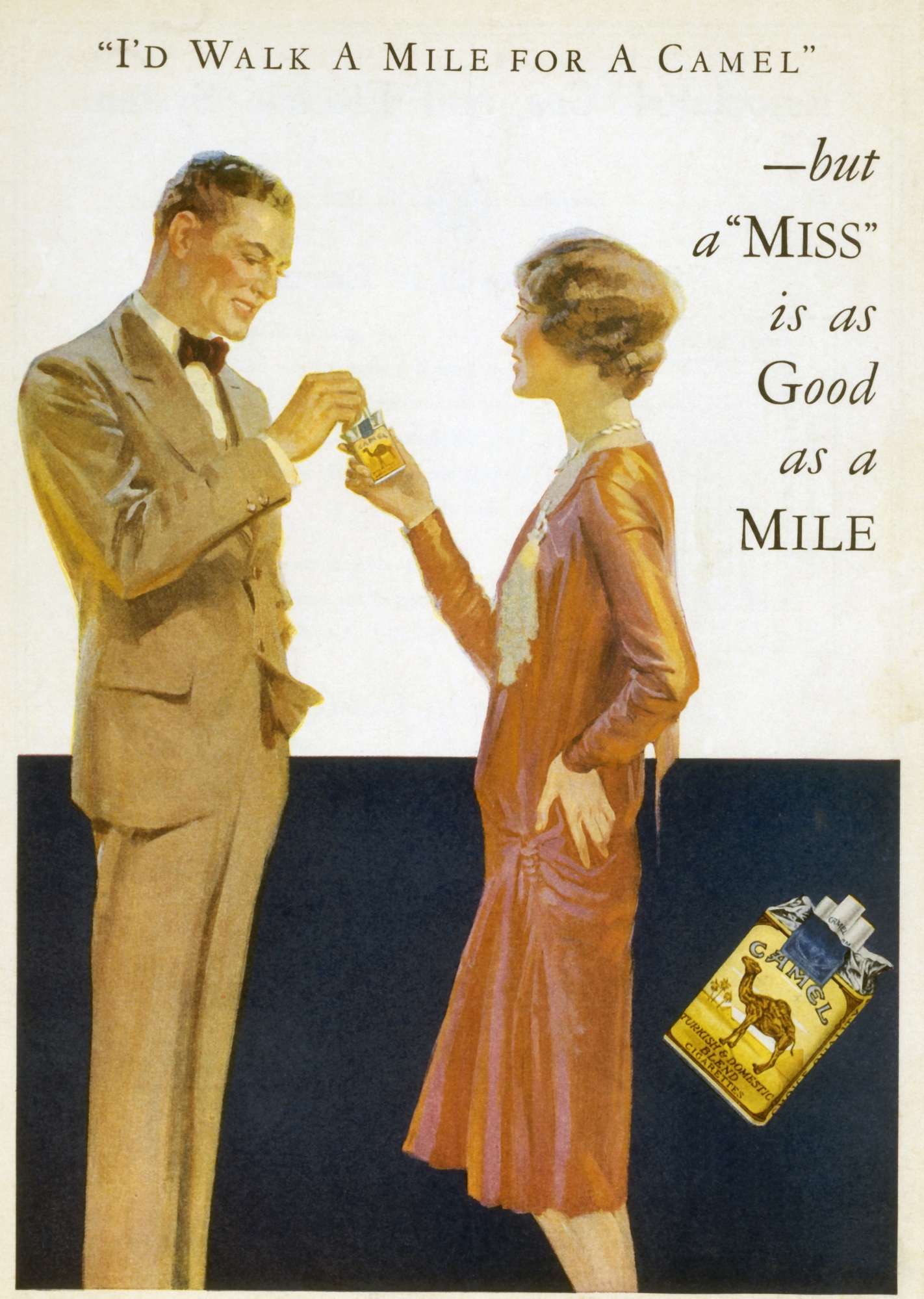
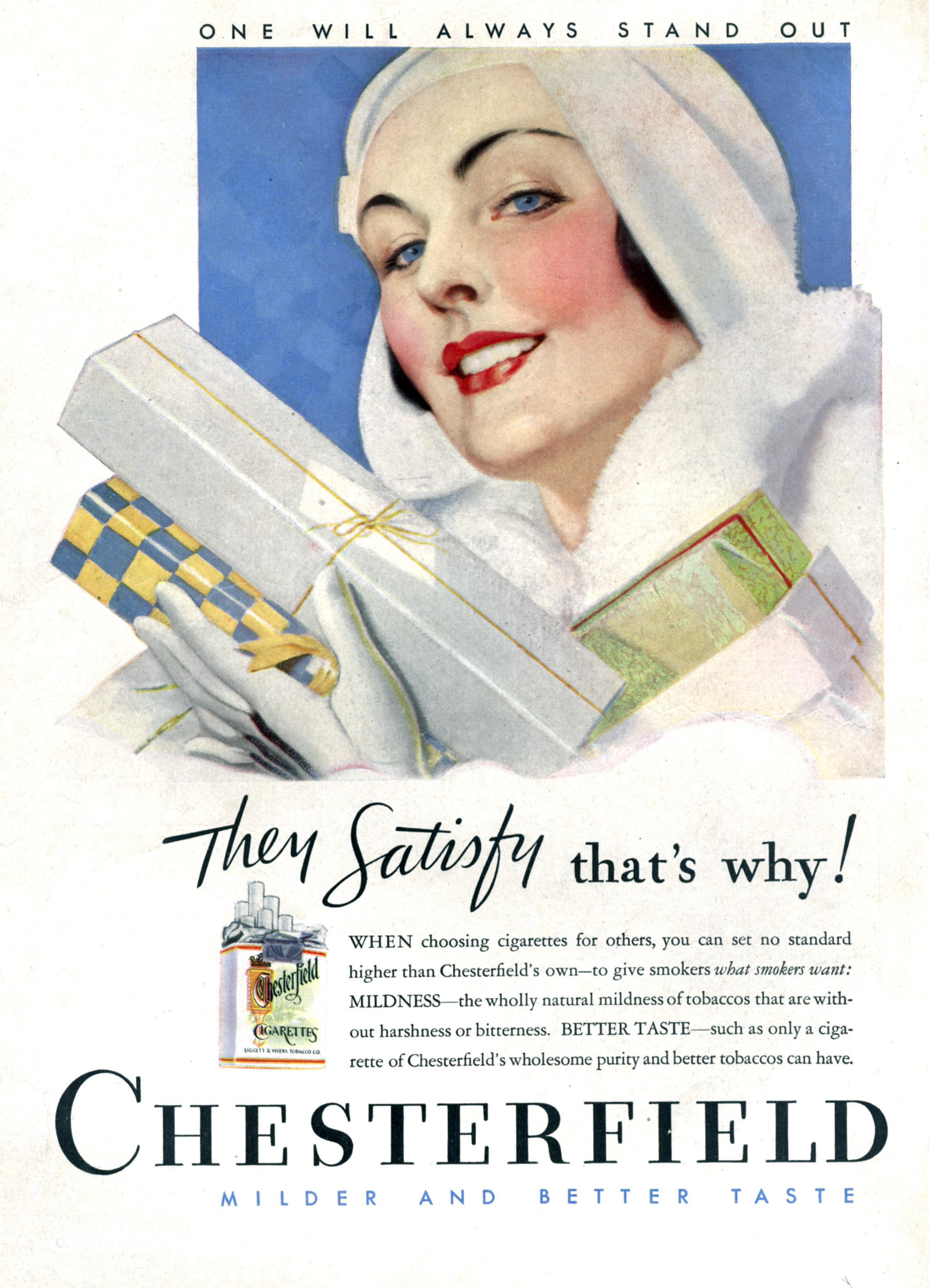
Advertising dollars pour into promoting cigarettes starting in the 1920s.
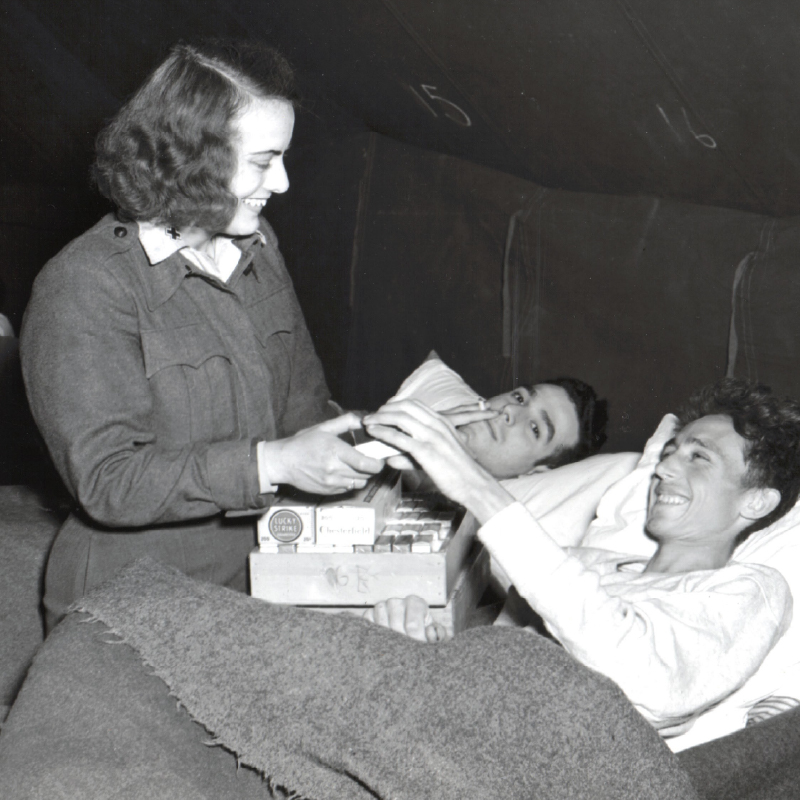
Photo 12/Getty Images
Fenske Family/Getty Images
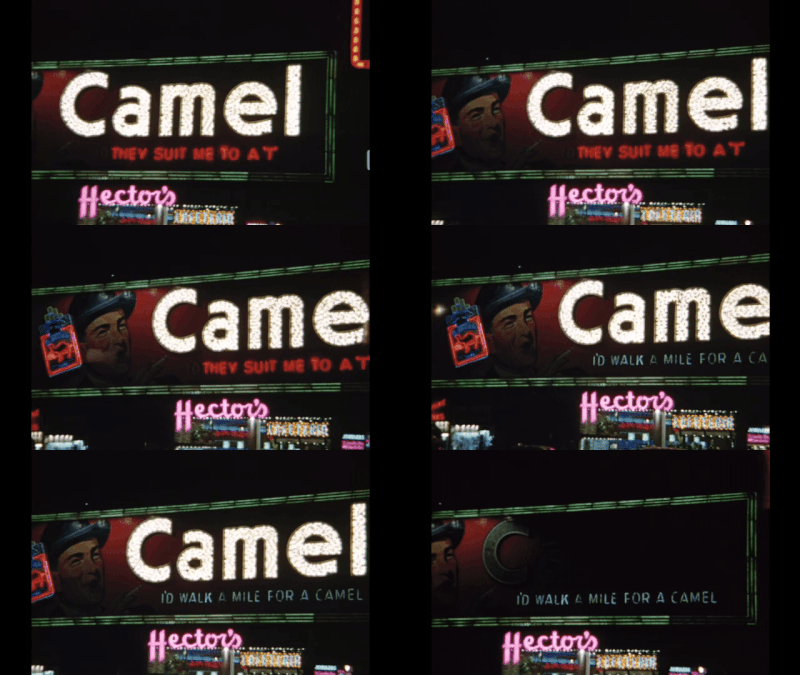
Big Tobacco takes over Broadway in the 1940s, and the US military includes free cigarettes in soldiers’ rations.
Nat King Cole: Hulton Deutsch/Getty Images
Elizabeth Taylor: Hulton Archive/Getty Images
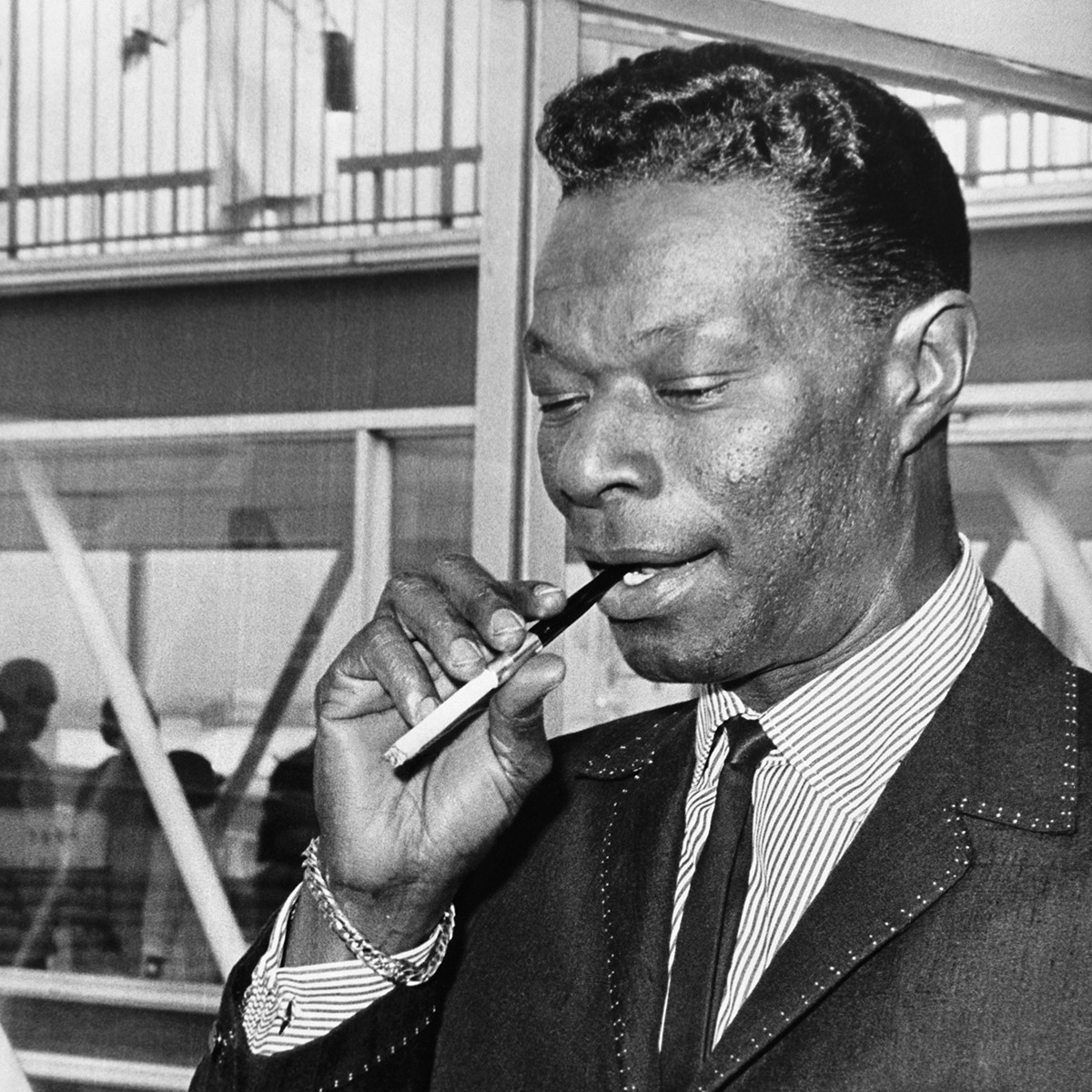
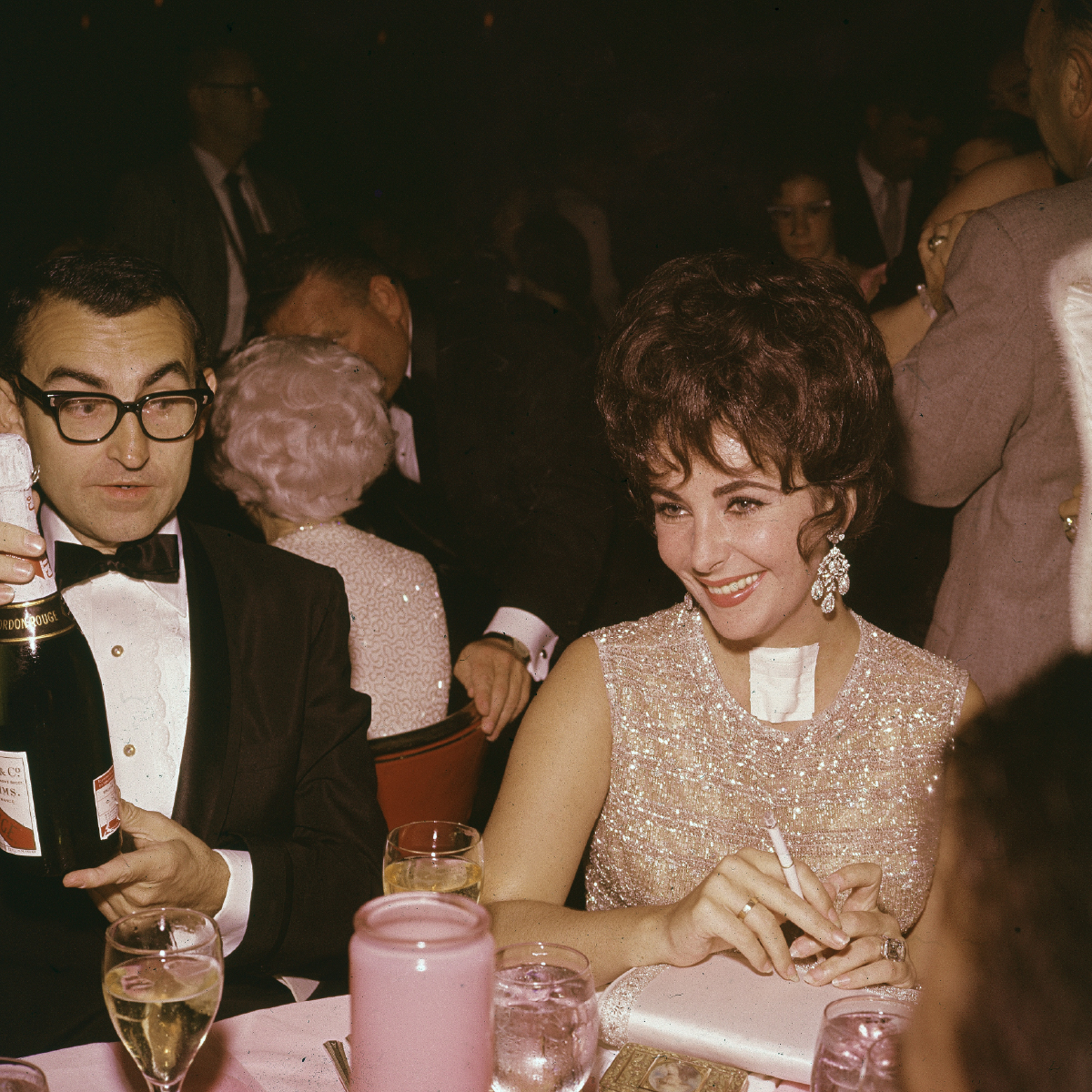
Cigarettes are a chic celebrity accessory in the ‘60s. With more than 40% of Americans smoking, warning labels begin to appear on packs.
Denver Post/Getty Images
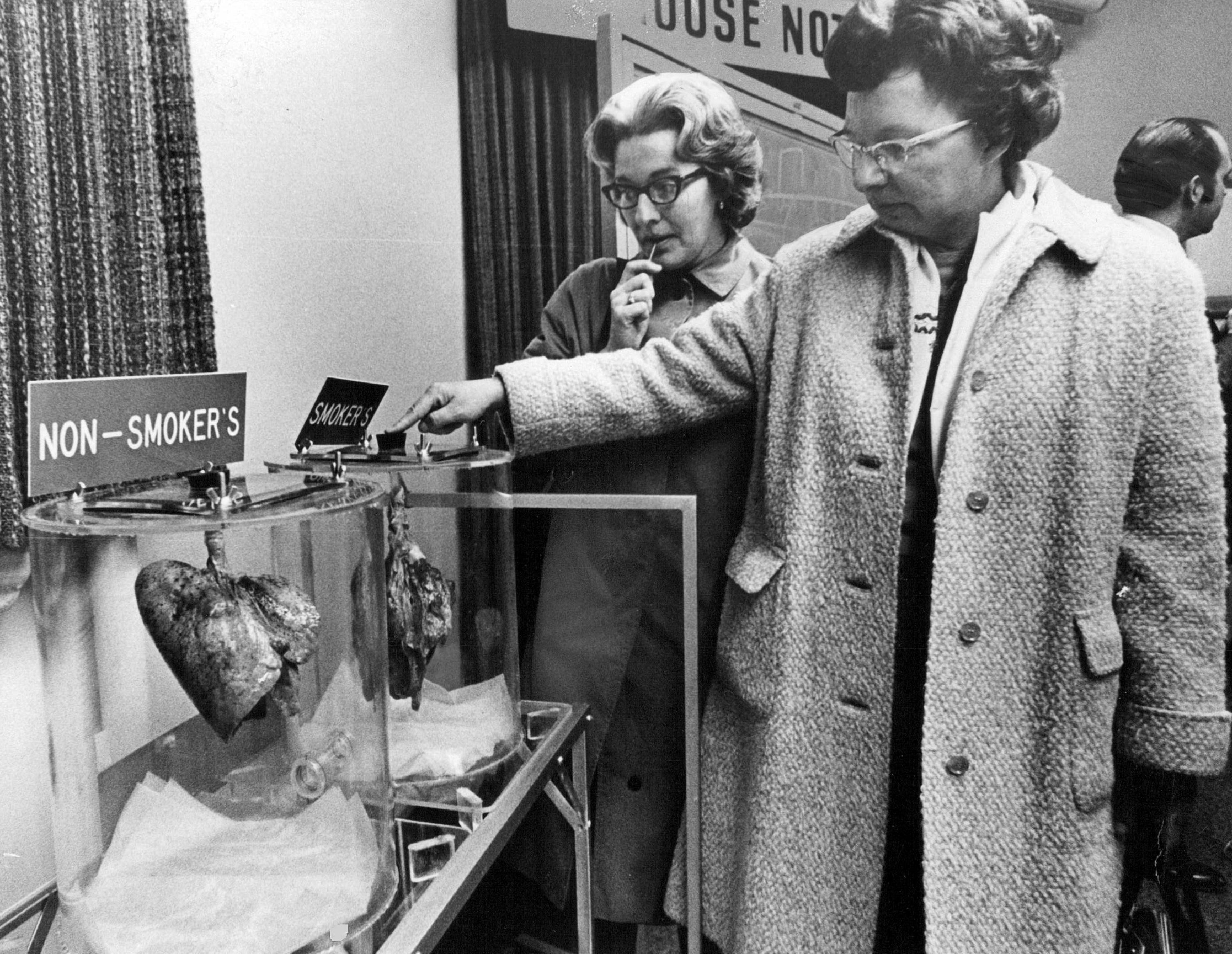
In the 1970s, health warnings about the dangers of smoking grow louder, and a national movement to ban smoking in hospitals gathers strength.

Plane: Willy Wo/Unsplash
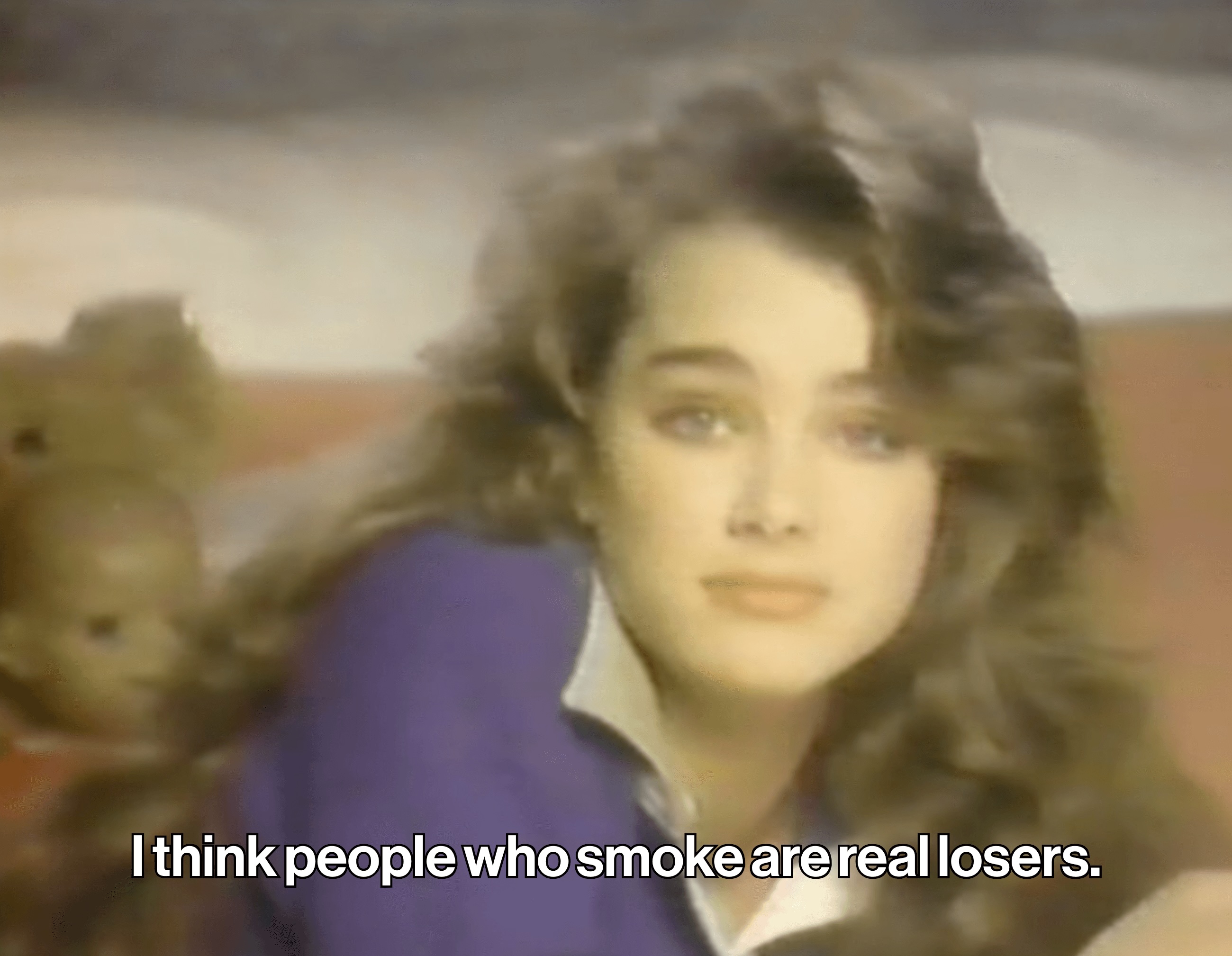
Brooke Shields makes an anti-smoking PSA in 1982, calling people who smoke “real losers.” In 1988, the US bans smoking on short domestic flights.

Kate Moss: WWD/Getty Images
Naomi Campbell: Dave Benett/Getty Images
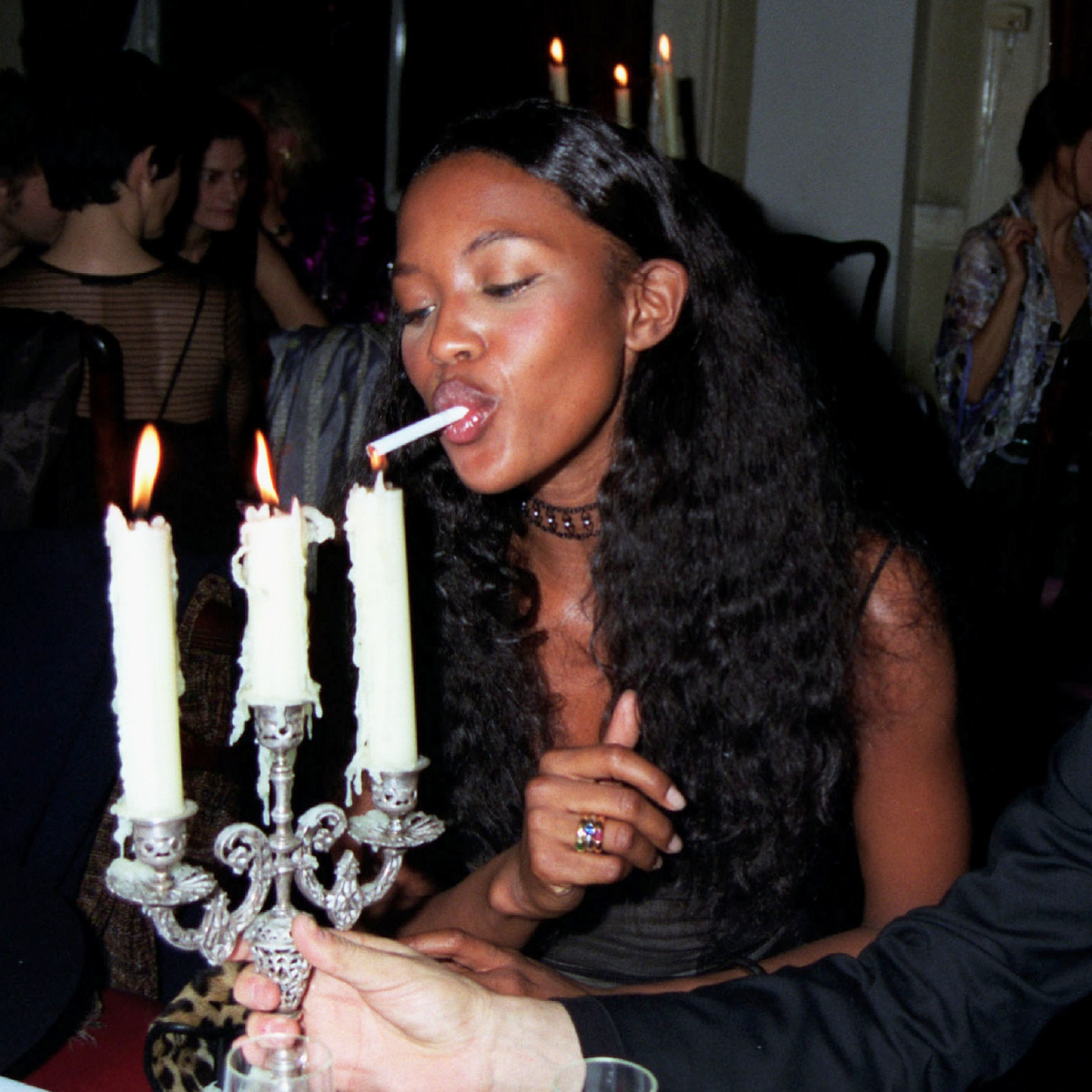
Runway models are seen smoking in public in the early ‘90s. Pictured here, Kate Moss — known for the “heroin chic” look — and Naomi Campbell.
Stephen Chernin/Getty Images
Scott Olson/Getty Images
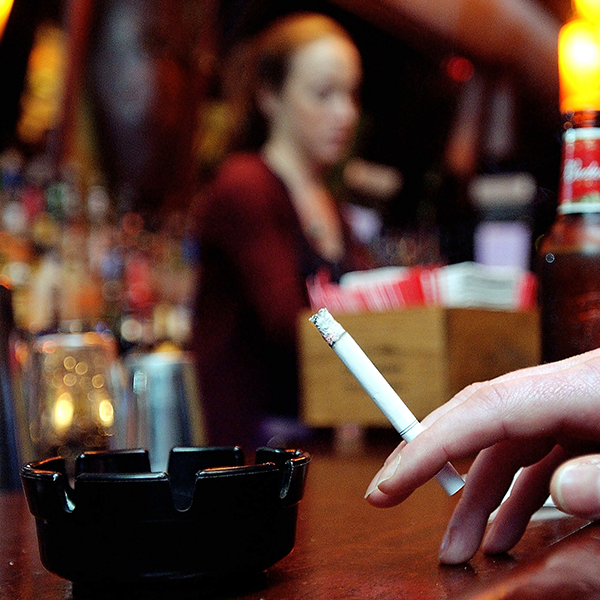
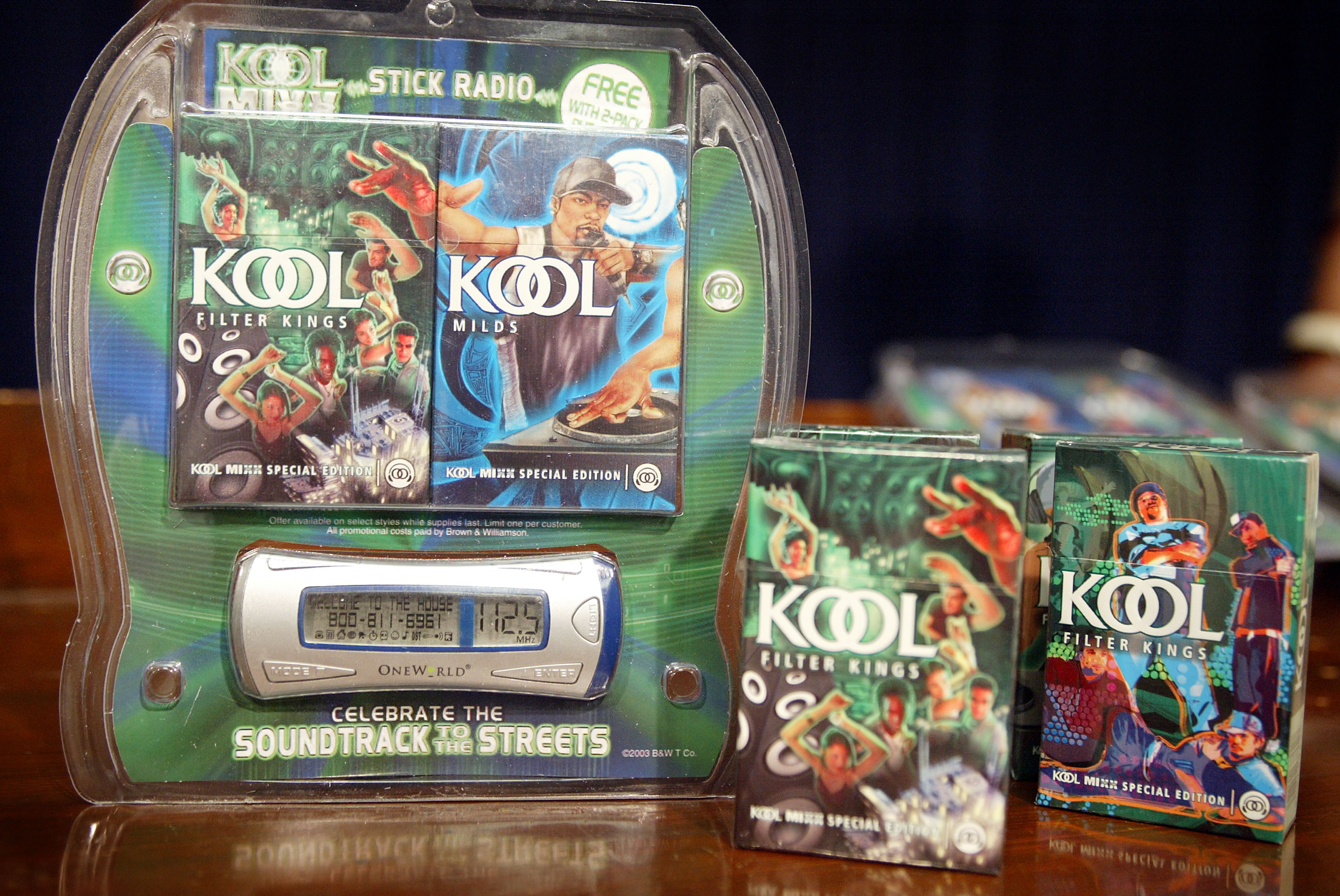
In 2003, NYC Mayor Mike Bloomberg bans smoking in restaurants. In 2004, Brown & Williamson settles lawsuits alleging it used hip-hop marketing to target Black youth.
1920
1940
1960
1970
1980
1990
2000
Fotosearch/Getty Images
APic/Getty Images
Advertising dollars pour into promoting cigarettes starting in the 1920s.
Photo 12/Getty Images
Fenske Family/Getty Images
Big Tobacco takes over Broadway in the 1940s, and the US military includes free cigarettes in soldiers’ rations.
Nat King Cole: Hulton Deutsch/Getty Images
Elizabeth Taylor: Hulton Archive/Getty Images
Cigarettes are a chic celebrity accessory in the ‘60s. With more than 40% of Americans smoking, warning labels begin to appear on packs.
Denver Post/Getty Images
In the 1970s, health warnings about the dangers of smoking grow louder, and a national movement to ban smoking in hospitals gathers strength.
Plane: Willy Wo/Unsplash
Brooke Shields makes an anti-smoking PSA in 1982, calling people who smoke “real losers.” In 1988, the US bans smoking on short domestic flights.
Kate Moss: WWD/Getty Images
Naomi Campbell: Dave Benett/Getty Images
Runway models are seen smoking in public in the early ‘90s. Pictured here, Kate Moss — known for the “heroin chic” look — and Naomi Campbell.
Stephen Chernin/Getty Images
Scott Olson/Getty Images
In 2003, NYC Mayor Mike Bloomberg bans smoking in restaurants. In 2004, Brown & Williamson settles lawsuits alleging it used hip-hop marketing to target Black youth.
A New Generation of Smokers
Although younger generations grew up around flavored vapes, many of them have realized they can’t achieve the proverbial “cool-factor” by sticking a blocky, USB-shaped object into their mouths. Cigarettes, on the other hand, carry an air of sophistication. Some celebrity circles have even deemed them fancy enough to be served during weddings and alongside silver trays of figs.
Two additional trends happening among Gen Z could also further the appeal of cigarettes.
One is the loneliness epidemic. While Gen Z has been dubbed the most online generation, research shows it’s also among the most isolated. For those with social anxiety, cigarettes — and the small rituals around them, like borrowing a lighter or gathering in designated smoking areas — can provide a built-in excuse to socialize. Vapes, which aren’t meant to be shared with strangers, can’t replicate that. Neither can sharing a TikTok or Snapchat.
The other is the generation’s broader rejection of technology and an obsession with historical nostalgia — a longing for a past they never actually experienced. In an era where AI is reshaping daily life, many Gen Zers are embracing artifacts of the analog age: record players, camcorders and cassette tapes. They’ve even coined a derogatory term for AI: “clanker.” So it’s perhaps no surprise that cigarettes, a relic of the past, have found favor with some young people who might see vapes — with their microprocessors, lithium-ion batteries and sensors — as part of the tech revolution.
Are Cigarettes Staging a 21st Century Comeback?
2010
2020
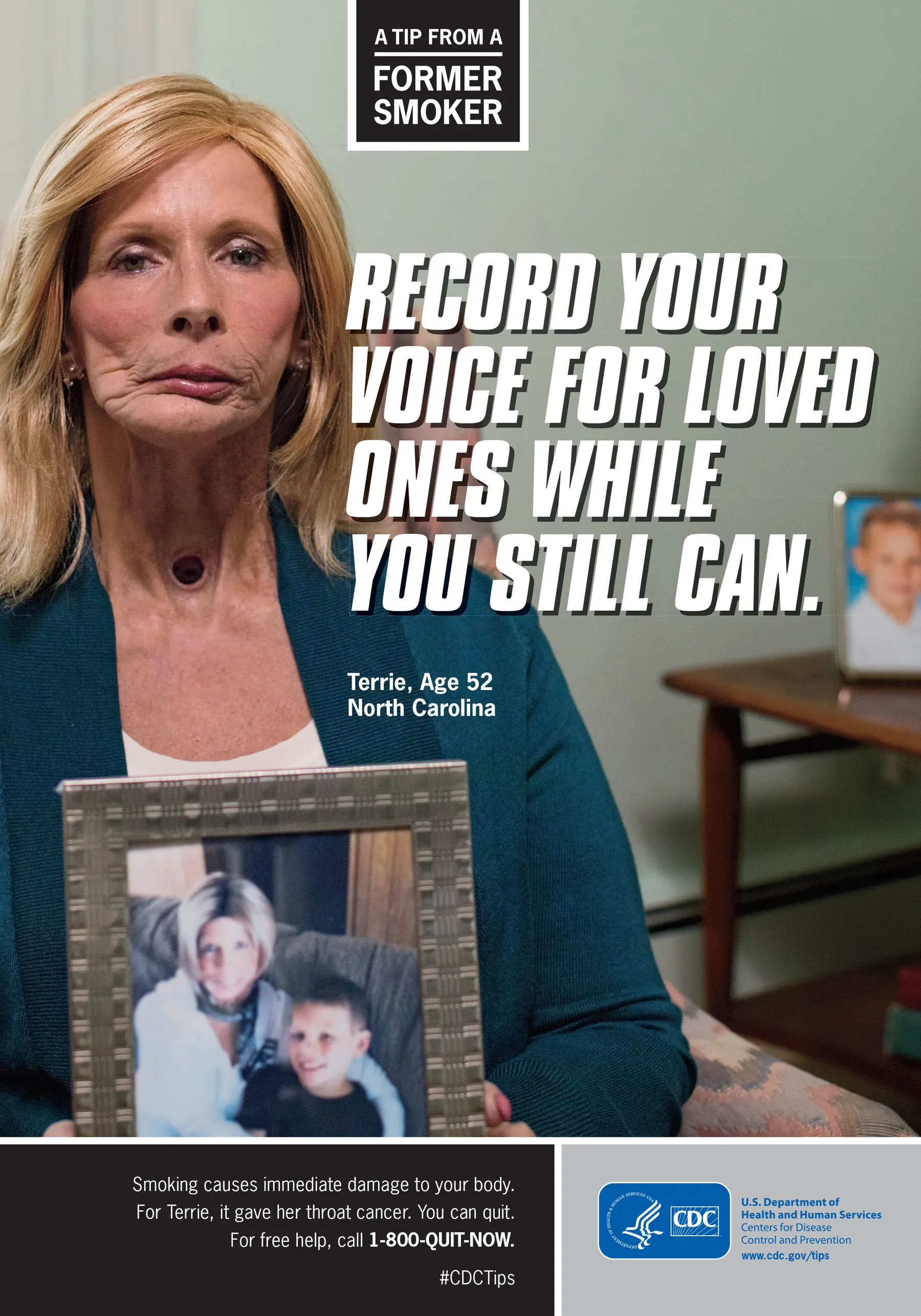
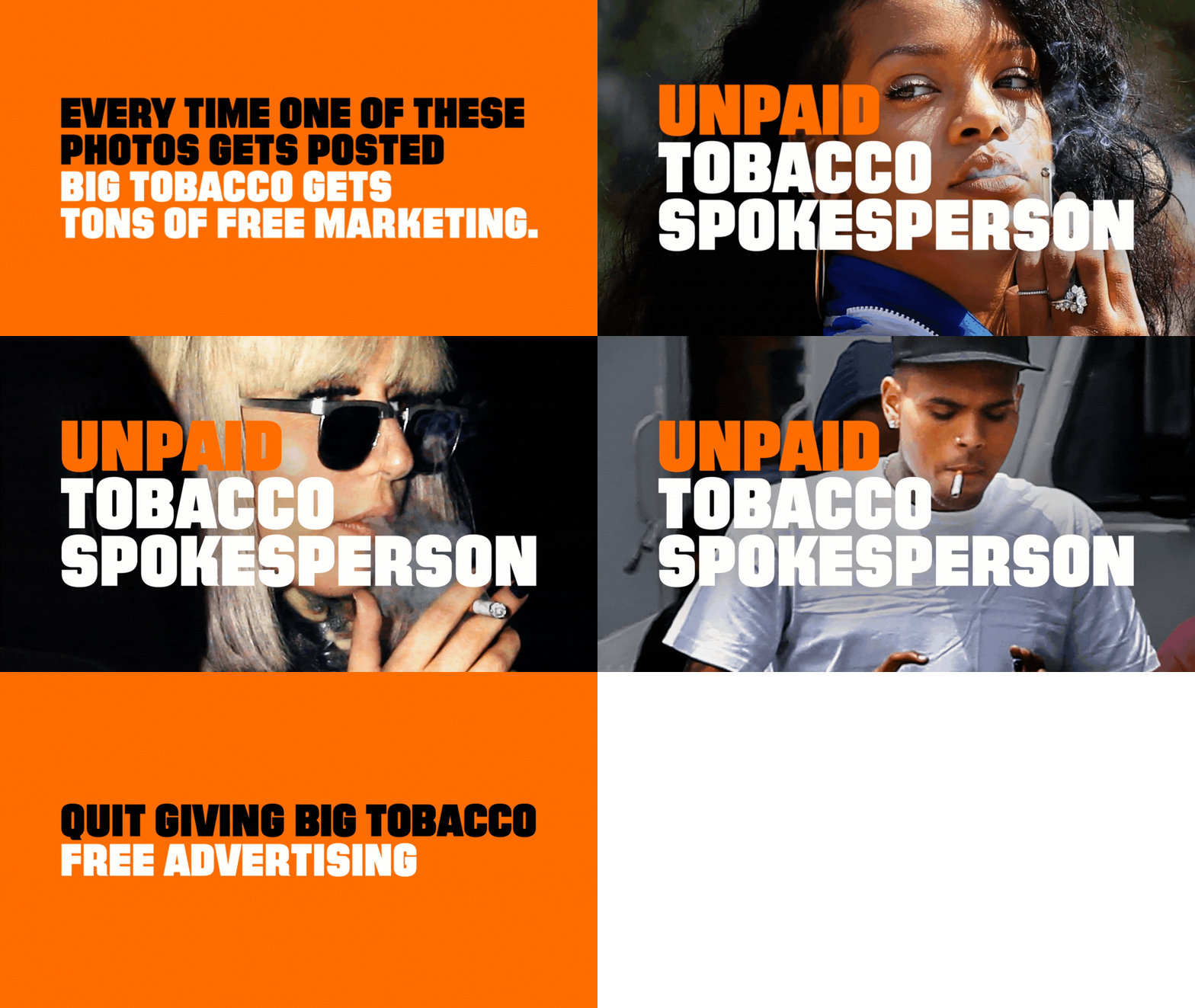
In 2012, the CDC launches a campaign featuring former smokers. Two years later, an ad going after celebrity smokers debuts during the 2014 MTV Video Music Awards.
731; jayk7/Getty Images; Gabby Jones/Bloomberg
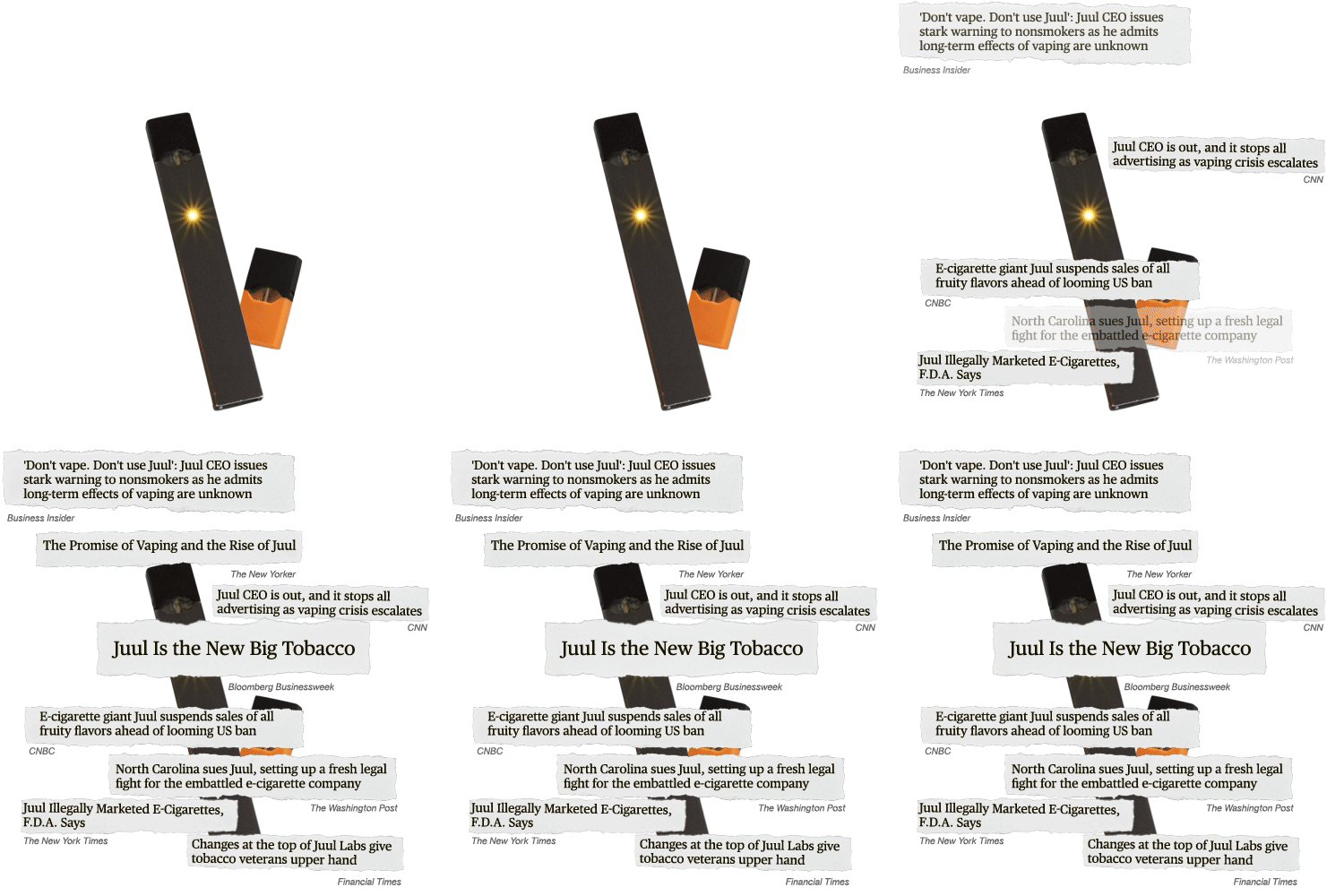
In 2015, Juul launches its signature e-cigarette in the US. The US surgeon general warns of a youth vaping “epidemic” in 2018.
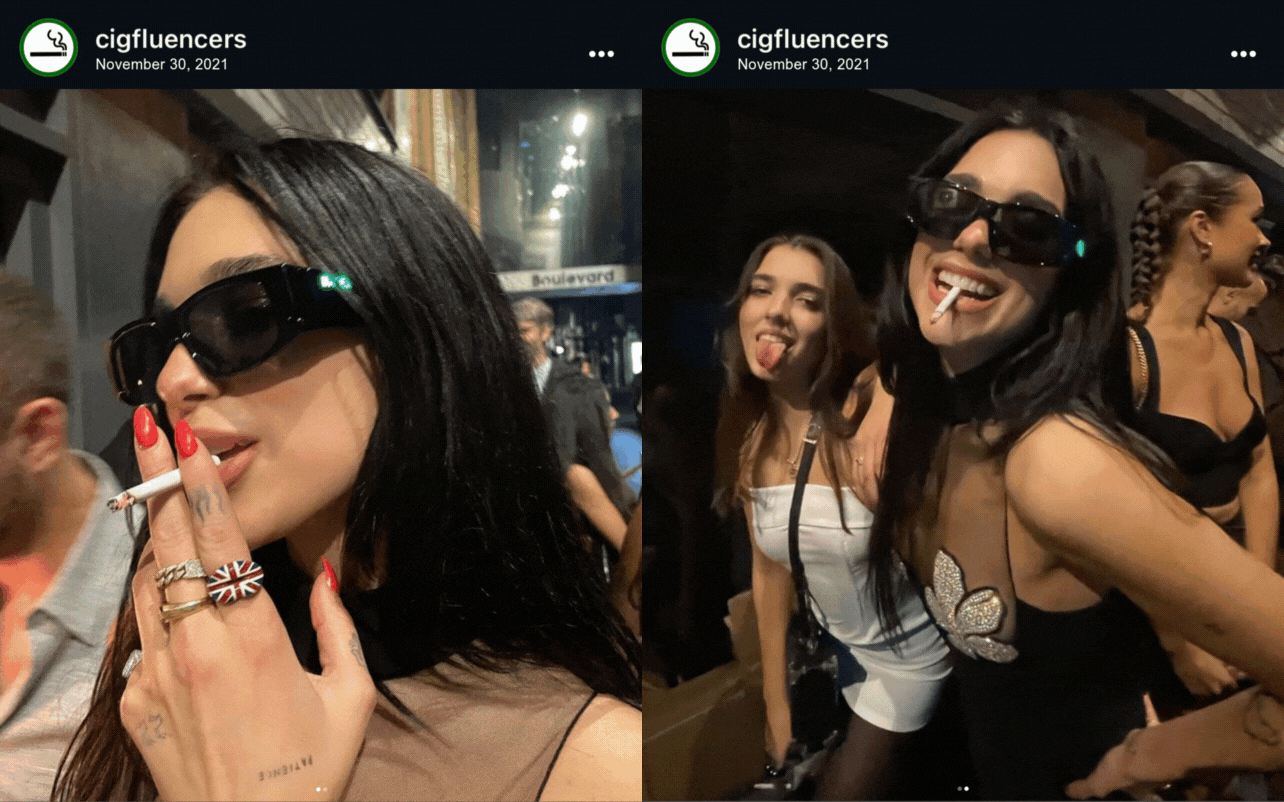
Dua Lipa is the first celebrity posted on the “Cigfluencers” Instagram account in 2021.

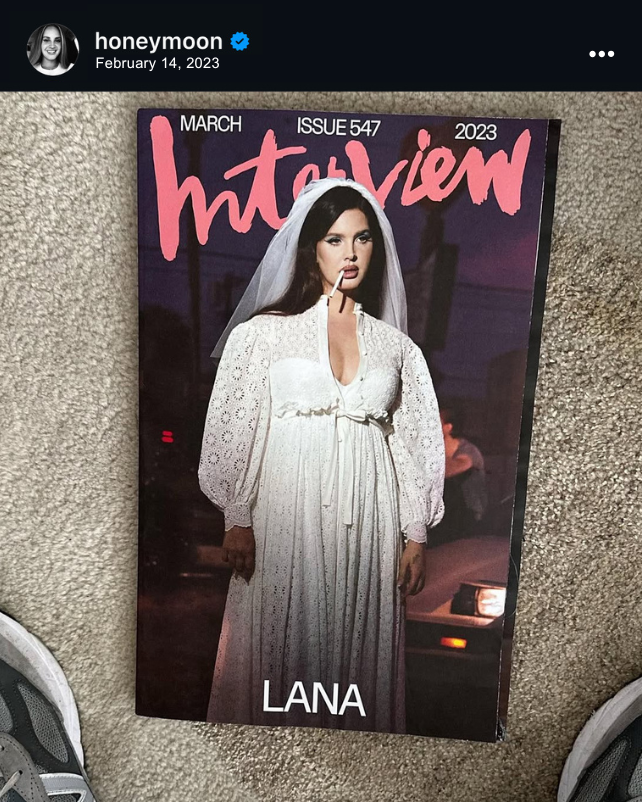
Editorial photos of smoking celebrities — Jeremy Allen White and Lana Del Rey — circulate on social media in 2022 and 2023.


Rosalia brings a “cigarette bouquet” to a birthday party in 2024 and Charli XCX and George Daniel offer silver trays of smokes at their wedding in 2025.
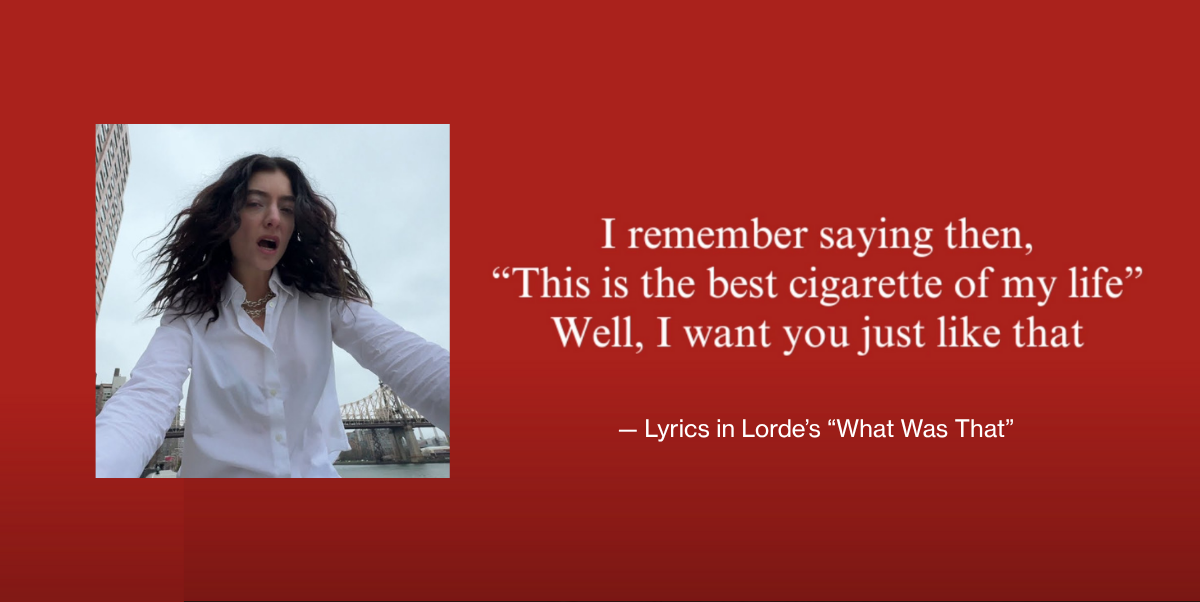
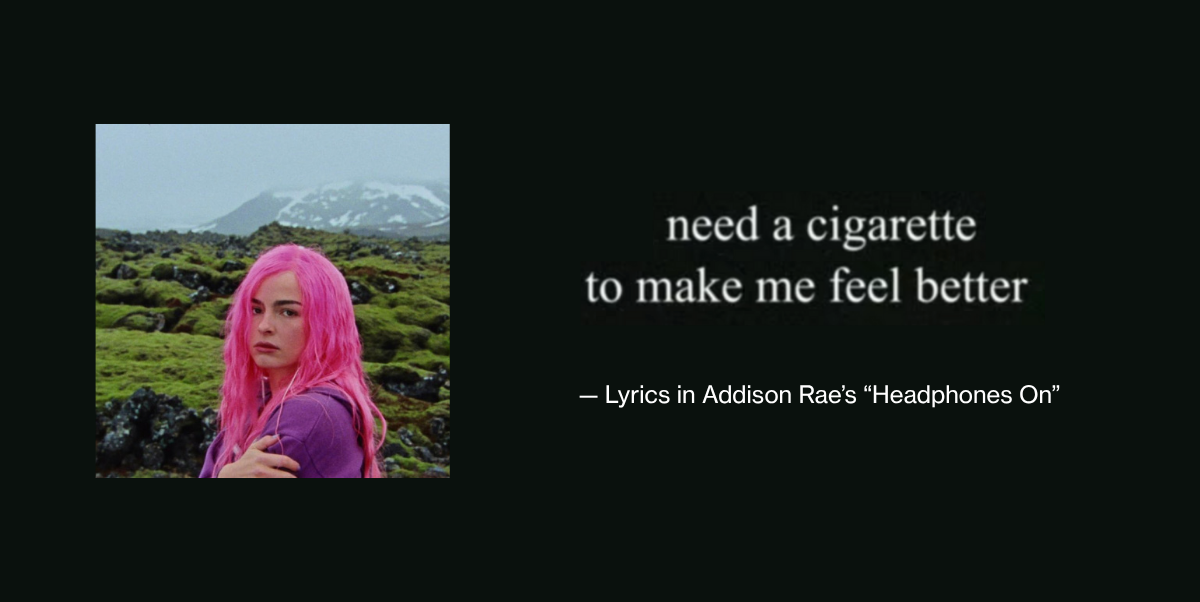
Addison Rae and Lorde sing about cigarettes in some of their most popular songs from 2025.

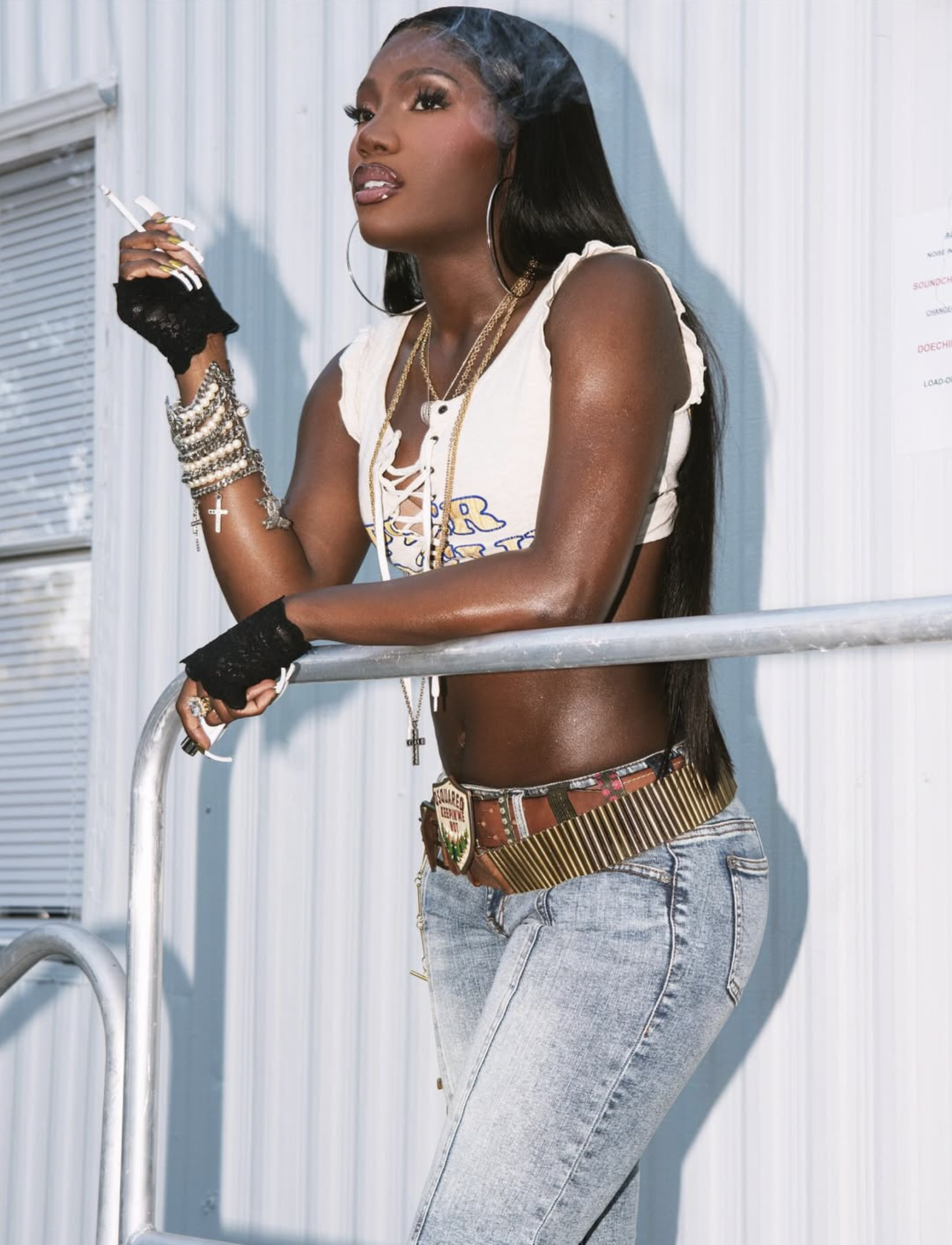
Cigarettes are visible at music festivals in 2025, as seen here with Paul Mescal and Gracie Abrams at Glastonbury and Doechii at Austin City Limits.
2010
2020
In 2012, the CDC launches a campaign featuring former smokers. Two years later, an ad going after celebrity smokers debuts during the 2014 MTV Video Music Awards.
731; jayk7/Getty Images; Gabby Jones/Bloomberg
In 2015, Juul launches its signature e-cigarette in the US. The US surgeon general warns of a youth vaping “epidemic” in 2018.
Dua Lipa is the first celebrity posted on the “Cigfluencers” Instagram account in 2021.
Editorial photos of smoking celebrities — Jeremy Allen White and Lana Del Rey — circulate on social media in 2022 and 2023.
Rosalia brings a “cigarette bouquet” to a birthday party in 2024 and Charli XCX and George Daniel offer silver trays of smokes at their wedding in 2025.
Addison Rae and Lorde sing about cigarettes in some of their most popular songs from 2025.
Cigarettes are visible at music festivals in 2025, as seen here with Paul Mescal and Gracie Abrams at Glastonbury and Doechii at Austin City Limits.
Still, for those who lived through the ‘80s and ‘90s — and have probably committed graphic anti-smoking ads to memory — it might be baffling to see young people shrug off the well-known health effects of what’s been nicknamed a “cancer stick.”
Some of Gen Zers’ indifference comes from the “we’re-all-gonna-die-anyway” nihilism that reportedly impacts their financial, political and personal decisions. Many of the youngest members of the generation — those born in the mid-to-late 2000s — didn’t spend their formative years being exposed to graphic images of former smokers with removed larynxes speaking through artificial voice boxes about the dangers of cigarettes.
Instead, public health messaging in the late 2010s and early 2020s focused more on what was relevant to Gen Z: vaping.
That strategy helped push teen vaping rates in 2024 to their lowest level in a decade. Here’s the kicker, though: While everyone was pointing their fingers at Juul, they might have inadvertently created an opening for the Marlboro Man to strut back into the mix.
It’s a dangerous situation, since — as Grace Kong, a clinical psychologist and youth tobacco researcher at the Yale School of Medicine, points out — cigarettes are still the most harmful tobacco product. “We can’t keep our eyes off cigarettes,” she warns, because they are “still around, still addictive, and all the positive imagery is resurfacing again.”
Even when the cigarettes in question are just props — Beyoncé puffed a fake one throughout her Cowboy Carter tour and Sabrina Carpenter used a nicotine-free smoke in her “Manchild” music video — the visuals can be alarmingly effective at luring teens into a habit. Research has long shown that tobacco depictions in movies and TV normalize smoking and increase the likelihood that teens, particularly those raised by nonsmoking parents, dabble with it.
Any experimentation is risky for teens, whose developing brains are vulnerable to nicotine exposure, Vogel says. “It’s amazing how quickly their brains adapt to having nicotine,” she adds. Some teens become addicted after just a few tries.
Getting Through to Teens
Avoiding a generational slide back into cigarettes will require some nuanced messaging. Kong says that simply telling young people that tobacco kills isn’t enough — health threats like cancer and lung disease are just too far out into the future for them. What might resonate more, though, is to remind teens that tobacco companies are targeting them, whether they realize it or not. And that no matter what they see on their Instagram or TikTok feeds, smoking actually is not the norm.
Cigarette Use Has Plummeted
Source: American Lung Association
Note: Gaps within dotted lines indicate years where data was not collected.
“They don’t like to be manipulated,” Kong says. Shedding some light on how their eyeballs are being exploited for profit could be a wake-up call. Likewise, celebs and content creators, too, might want to consider how they are essentially acting as unpaid influencers for Big Tobacco when they smoke. It would also help if nicotine didn’t fall down public health agencies’ priority lists. The Make America Health Again strategy, Health Secretary Robert F. Kennedy Jr.’s much-anticipated roadmap for improving the lives of American children, lacks a single mention of tobacco or smoking.
Parents, too, can do their part. That starts with simply being aware that their teens’ social feeds — surely wildly different from their own — might be piquing their interest in cigarettes. And as basic as it sounds, asking teens if their friends are experimenting is important, Vogel says. It can open up a conversation that sneaks in a reminder of the relative risks of various tobacco products and reinforces some of the media literacy skills teens should be building.
For Gen Zers longing to experience a simpler, low-tech era, there are other ways to capture a nostalgic vibe without actually smoking. They can read a Penguin Classic on their fire escape and post it to Instagram, dig up a digital camera from middle school and have a photo shoot at a late-night diner or take a flat-lay photo of a purse and sunglasses next to a tin of Quit With Jones.
If influencers are worried about losing their cultural cachet without a cigarette in hand, they could take a page from the TikTokers who are posting about going nicotine-free to avoid “popcorn lung.” They’re turning the act of kicking a bad habit into content, and a wave of aesthetic product offerings might inspire their followers to do the same.
As with other trends, pop culture’s obsession with cigarettes will eventually plateau — young people just need the proper tools to avoid getting caught up in the smoke.
(Michael R. Bloomberg, founder and majority owner of Bloomberg News parent Bloomberg LP, has been a longtime champion of curbing tobacco use.)
- Lipa has since removed the Instagram post from her page.
- “Tobacco” appears only as a reference to the Bureau of Alcohol, Tobacco and Firearms in a section that discusses illegal vaping.
(Updates to add a disclosure about Michael R. Bloomberg at the end of the column.)