
Are We in a Stock Bubble? This Is the Only Thread You Need
High valuations are supporting equity markets and the economy. Everyone has a view on whether it’s sustainable.
There’s a raging debate in markets about the sustainability of today’s high stock valuations. On the bearish end are investors like Jeremy Grantham and Michael Burry, who are famous for having spotted bubbles before, while the bullish side includes OpenAI’s Sam Altman and investor Cathie Wood. The argument goes something like this:
I see no end in sight for artificial intelligence transforming the workplace and enriching large companies and their shareholders.
Hold on. Even the most profound technological revolutions aren’t one-way streets to prosperity. This time won’t be any different.
The stakes couldn’t be higher. The US stock market has tripled to $70 trillion since the onset of the Covid-19 pandemic, and more than half of American households are exposed in some way. The boom is contributing to the “wealth effect” and underpinning consumer spending, which accounts for two thirds of the economy. It’s also fueling unprecedented investment in AI, without which some economists say we might be in a recession.
Whatever happens next will have profound implications for society, politics and Wall Street. And because time is of the essence, we’ve pulled together a fast way for you to weigh the arguments and decide where you stand — the kind of threads you read on your phone.
Are valuations dangerously high?
The Bubbles Are Easy to Spot in Hindsight
Source: Shillerdata.com
Note: Economist Robert J. Shiller’s cyclically adjusted price-to-earnings (P/E) ratio measures the index price relative to average inflation-adjusted earnings over the past decade.
Yes! The Shiller price/earnings ratio was this elevated just before the dot-com bubble blew.
And before that, its next highest peak was in 1929, the start of the Great Depression.
The Shiller P/E is the best gauge of overexuberance we have, and it’s flashing red.


Image: Vanessa Leroy/Bloomberg
But P/Es aren’t perfectly comparable over time.
Take the 1929 example: The Fed was in its infancy, and we didn’t have deposit or unemployment insurance.
There were no internet or cell phones! The economy was just much riskier and so was stock investing.
Agree on 1929.
Is this 1999 all over again?
Today’s market clearly has things in common with 1999.
Here’s one piece on the similarities...
We have a red-hot tech boom underway, and the Fed has recently been cutting rates, adding fuel to the fire.
But corporate profits are a lot stronger than they were then.
Earnings Power Has Exploded
Source: Bloomberg
Note: Corporate profits before tax, without IVA or CCadj
And AI could legitimately supercharge growth and productivity. OpenAI sparked a revolution that now has the biggest tech names behind it.

“I don’t think there’s enough exuberance about AI, when I think about the actual practical implications and what it can do for individuals.”
Sarah Friar, OpenAI CFO, 2025
Even if you’re right, the boom won’t come without a shakeout period when incumbent companies fail and a new class of dominant businesses emerges from the ashes.
Joseph Schumpeter put this at the heart of our competitive economic system.
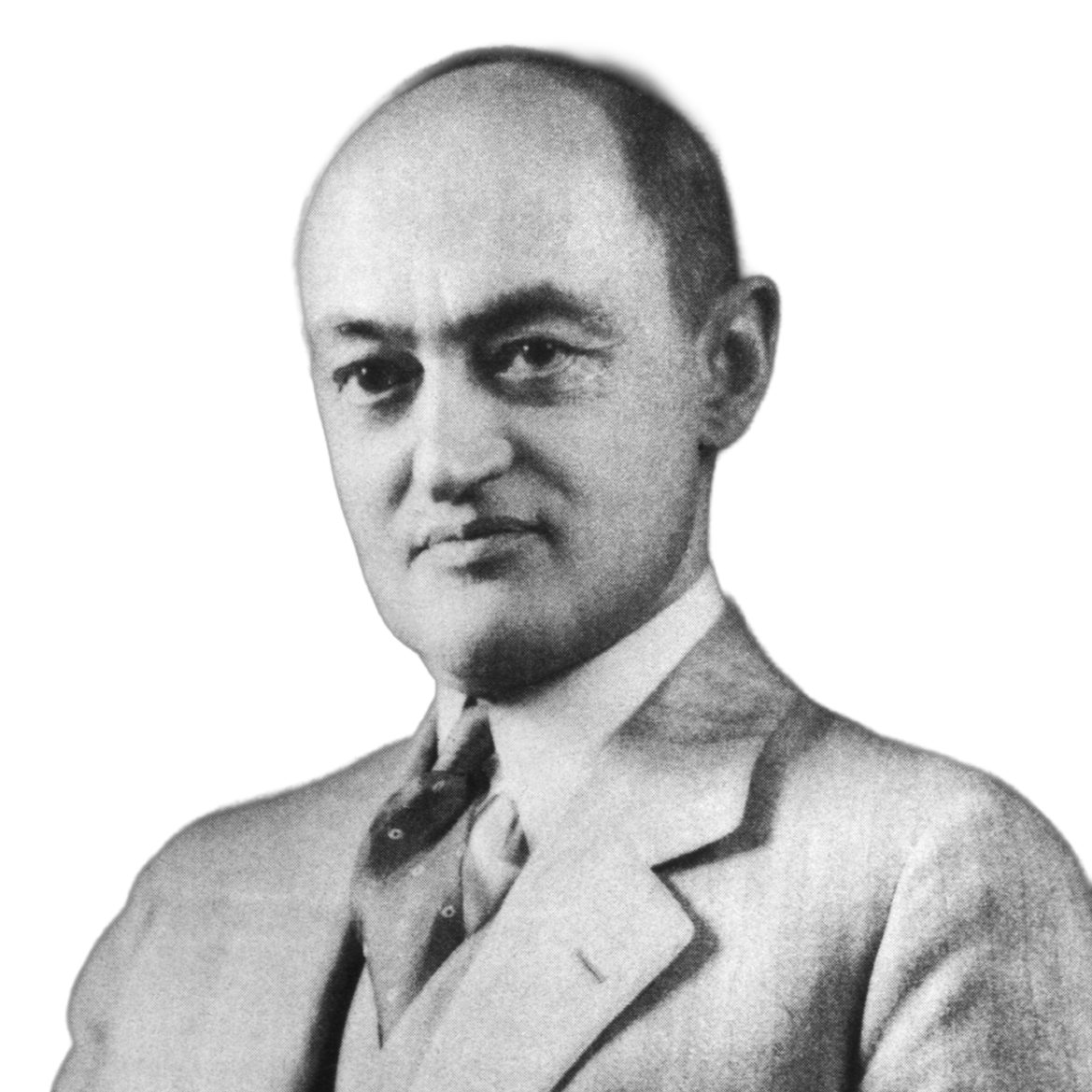
“This process of Creative Destruction is the essential fact about capitalism.”
Economist Joseph Schumpeter, 1942
Think of what streaming did to Blockbuster. Or what digital photography did to Kodak.
Even among the exciting new companies, many will fail for every one that succeeds. In the internet bubble, there were many examples like Pets.com for every Amazon.
Others may echo the trajectory of Cisco, the router maker that was briefly the most valuable company in the world and has spent the past 25 years returning to its March 2000 peak.
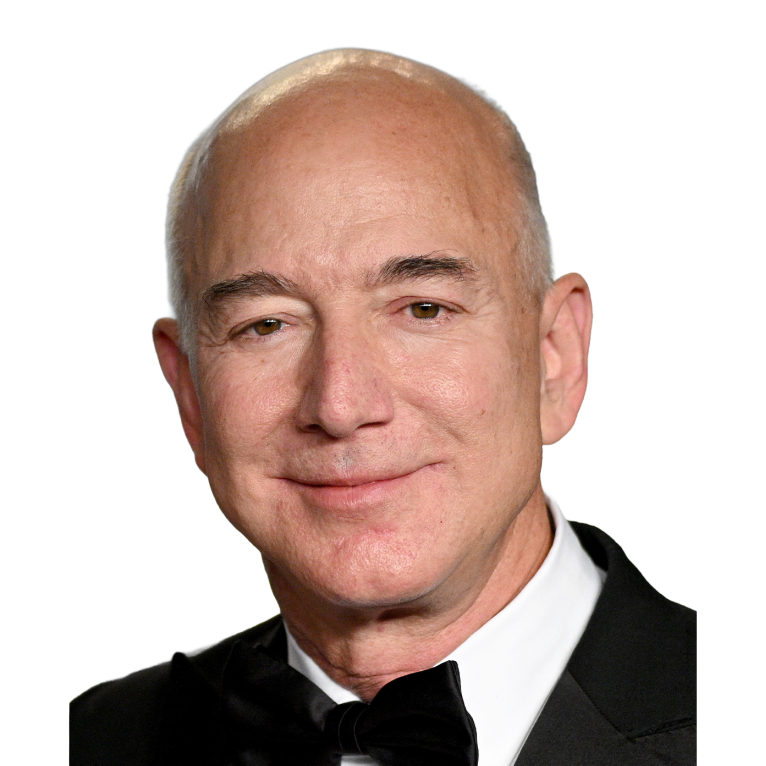
“When people get very excited, as they are today about artificial intelligence... every experiment gets funded. Every company gets funded. The good ideas and the bad ideas, and investors have a hard time in the middle of this excitement distinguishing between the good ideas and the bad ideas. And so that’s also probably happening today. But it doesn’t mean that anything that’s happening isn’t real.”
Jeff Bezos, Founder, Amazon.com, 2025
AI is unique. It requires billions of dollars of upfront investment in GPUs and power generation, as well as access to specialized data.
That means the dominant companies of today are more likely to remain dominant — they won’t get displaced by some upstart.
What do high P/E multiples tell us about future returns?
Getting back to the market data, history shows that periods of high valuations tend to augur abysmal real excess returns over the ensuing decades.
Check it out...
The Shiller Bear Case Doesn’t Look Great
Source: Shillerdata.com; Bloomberg
Note: Real excess returns are inflation-adjusted returns in excess of what you could have made investing in bonds.
That chart’s hard to argue with.
But the key insight is about 10-year returns. Over a one-year horizon, valuations tell us little about return prospects.
Why would I sell stock now? Even if you’re right about a looming crash, the risk is that you’ll lose money by getting out of the market too early.
Peter Lynch warned of that, and his investing record is impeccable.

“Far more money has been lost by investors trying to anticipate corrections than has been lost in all the corrections combined.”
Peter Lynch with John Rothchild, Learn to Earn, 1995
Former Fed Chair Alan Greenspan bemoaned “irrational exuberance” back in December 1996 — three years before the crash. Heeding his warning would have cost you money.
But investing legend Warren Buffett encourages us to be mindful of extreme fear and greed — this looks like a greedy market to me.
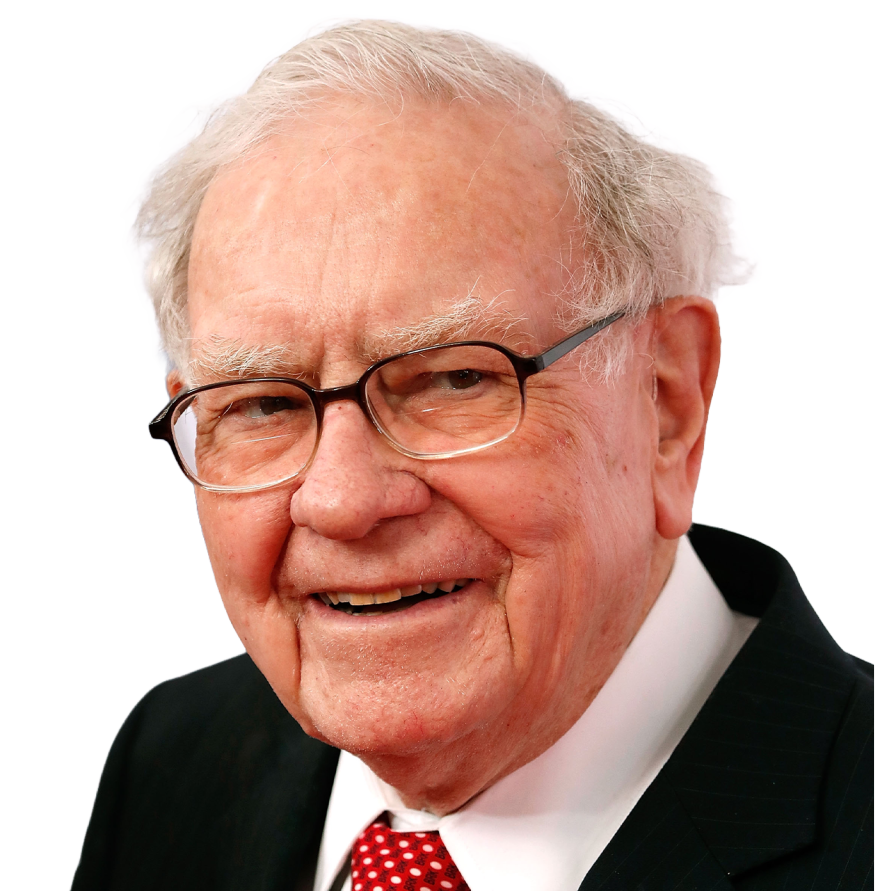
“...[O]ccasional outbreaks of those two super-contagious diseases, fear and greed, will forever occur in the investment community…. We never try to anticipate the arrival or departure of either disease. Our goal is more modest: We simply attempt to be fearful when others are greedy and to be greedy only when others are fearful.”
Warren Buffett, Berkshire Hathaway CEO, 1987
That’s what made Buffett so successful at navigating the dot-com bust and the financial crisis.
And Berkshire’s balance sheet now looks a lot like it did prior to the last crisis.
Buffett Is Hoarding Cash Again
Source: Bloomberg
Note: Based on ratio of Berkshire’s cash and cash equivalents to total assets.
Buffett has a tremendous track record.
But momentum is one of the most powerful forces in modern markets, and history shows bull markets go on for longer than the pessimists typically expect.
The History of Bulls and Bears
Source: Bloomberg
Note: Measures bear markets as price declines of 20%+. Bull markets are everything in between.
What about the wild multiples on certain individual stocks?
These Megacaps Trade at Shockingly High Valuations
Source: Bloomberg
Today’s S&P 500 has a bumper crop of mega-cap stocks with very high price-earnings multiples. Seven stocks account for about half the S&P 500’s gain in the past five years.
Look at Palantir at 184 times forward earnings!
There are more than usual, sure.
But Amazon, Netflix and Salesforce all had sky-high multiples at one point in the past decade. And they grew into them.
But high multiples mean the upside is priced in. What’s the point?
High multiples didn’t stop Amazon and Netflix from outperforming the broad market in the past decade.
You’re ignoring the downside.

“High valuations entail high risks.”
Ben Graham, The Intelligent Investor, 1949
History is littered with high multiple stocks that have gone on to crash or underperform.
Individual stock picking is like looking for a needle in a haystack.

“Don’t look for the needle in the haystack. Just buy the haystack!”
Jack Bogle, Founder of Vanguard Group, 2007
In other words, buy the whole index.
What about the surge in retail trading and the rise of meme stocks?
Retail Traders Love This Market
Source: Vanda Research
Note: Shows self-directed net flows from individuals and households
I worry that unsophisticated and casual investors are driving the market.
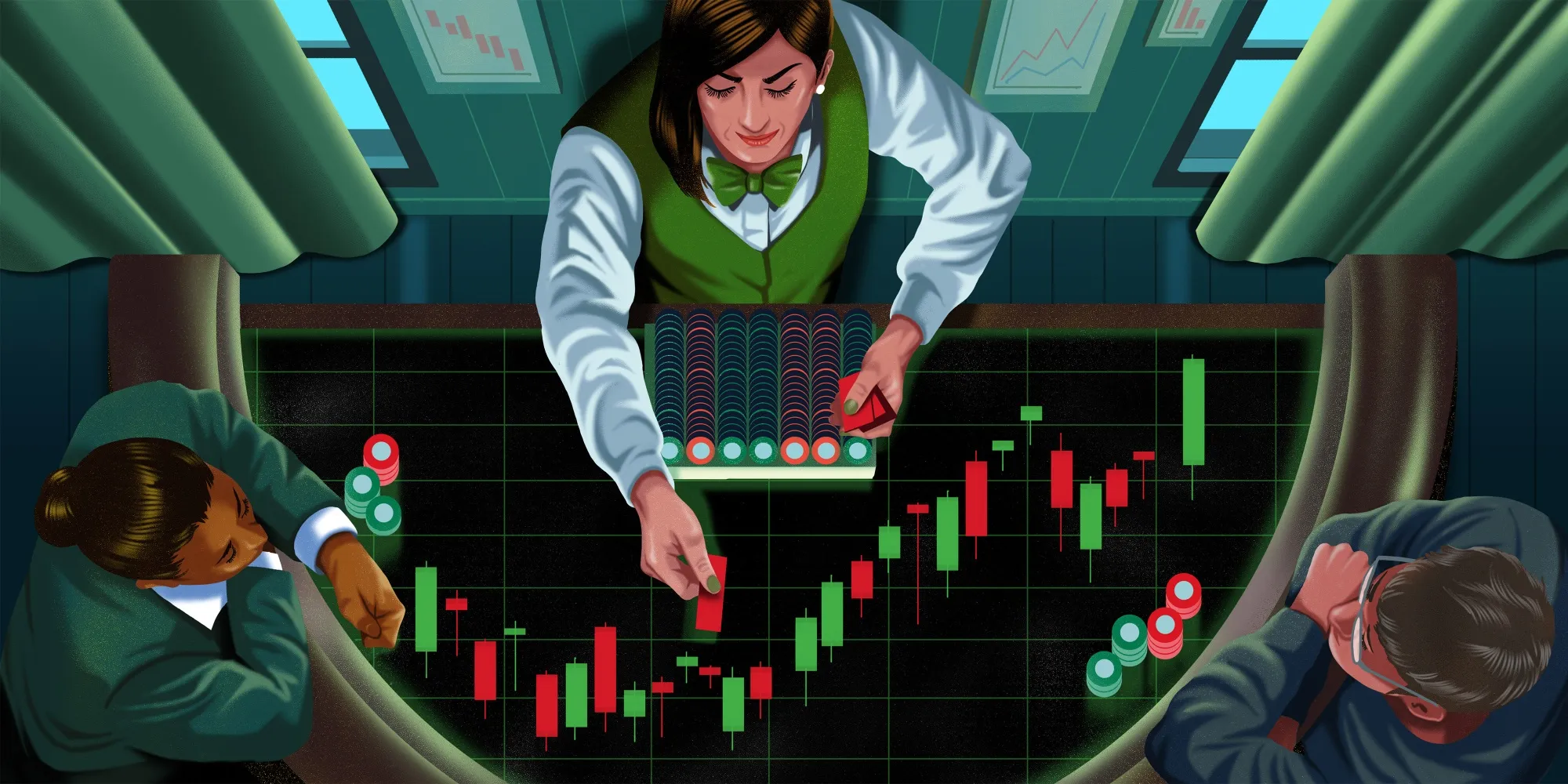
Image: Glenn Harvey for Bloomberg Markets
As the apocryphal quote goes, “When the shoeshine boy gives you stock tips, it’s time to get out.”
During the dot-com bubble, the pattern repeated itself — except it was reportedly the baristas giving stock tips.
Today, it’s more of the same: Hobbyist traders are getting over their skis investing in speculative and leveraged products they may not fully understand — enabled by Reddit and X.
You’re being elitist. It’s a good thing that more Americans are getting into the market.
Stocks are an incredible engine of wealth creation.
But they’re not just buying funds that track major indexes.
The trends in meme stocks and crypto are classic signs of mania, just like Beanie Babies and Dutch tulips.
Whatever they say about society, neither one is large enough to hurt us too much.
Speculative Markets Are Relatively Small
Source: Bloomberg, CoinMarketCap
Note: Meme stocks based on total market cap of companies in the Roundhill Meme Stock ETF at the time of writing.
Nvidia alone is larger than all of that stuff.
The stock market has a habit of humbling even the best investors. What makes the current valuation puzzle so hard to solve is that there are more pieces to put together than ever before, and many of them don’t fit the typical narrative well. Add to that a potentially transformational technology giving investors major FOMO.
Risks abound for bulls and bears alike. The hapless bull who fails to consider the bear case could end up with too high an exposure to stocks and panic sell into a falling market. The avowed permabear could end up all-in on cash or bonds — missing out on equity gains. The best course of action is to exercise some humility, understand all sides of the debate and realize no one has all the answers. After all, as Buffett is reported to have said, “Risk comes from not knowing what you are doing.”
This column reflects the personal views of the author and does not necessarily reflect the opinion of the editorial board or Bloomberg LP and its owners.