More Ukrainians Are Settling Abroad as War Grinds On
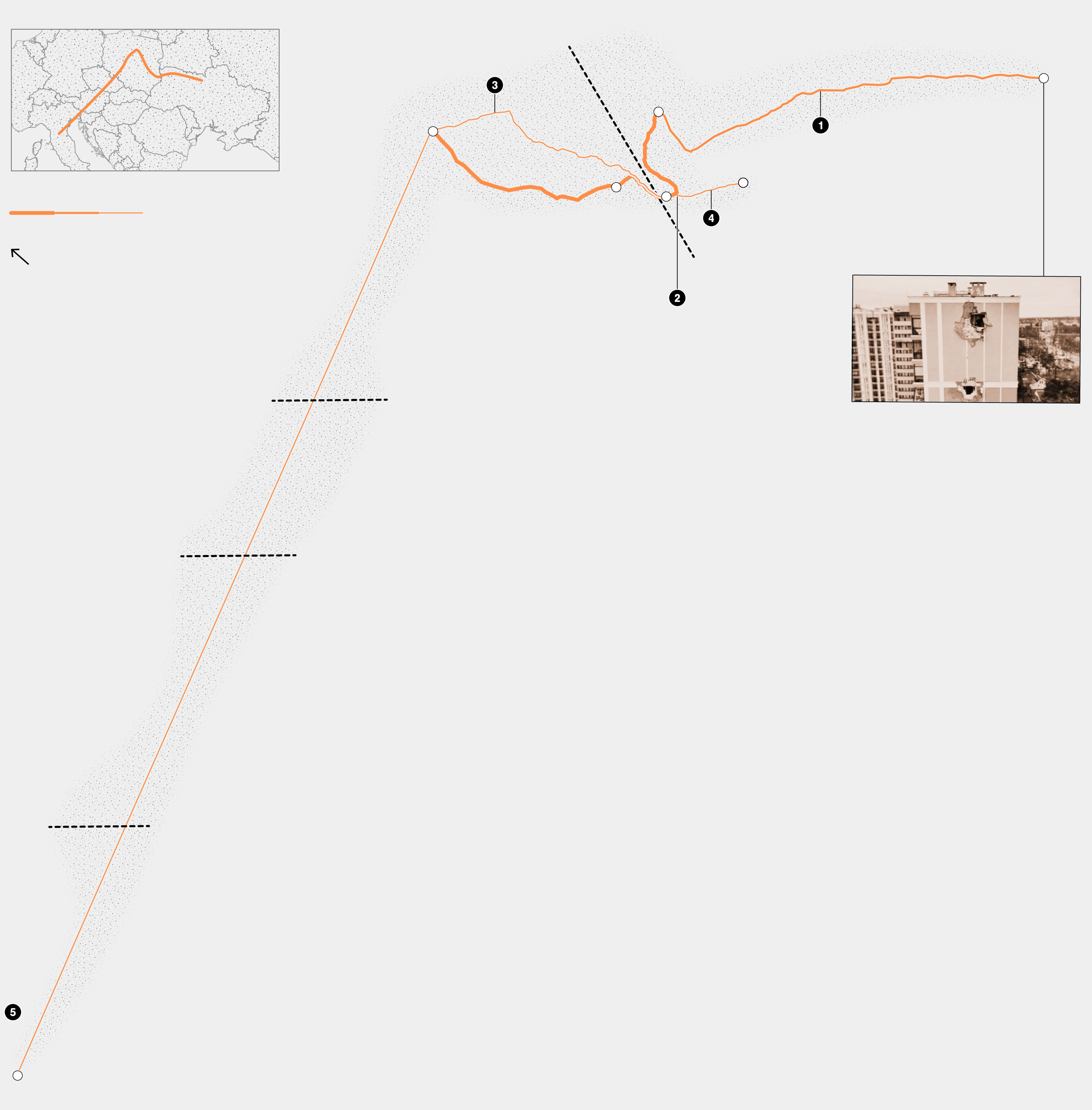
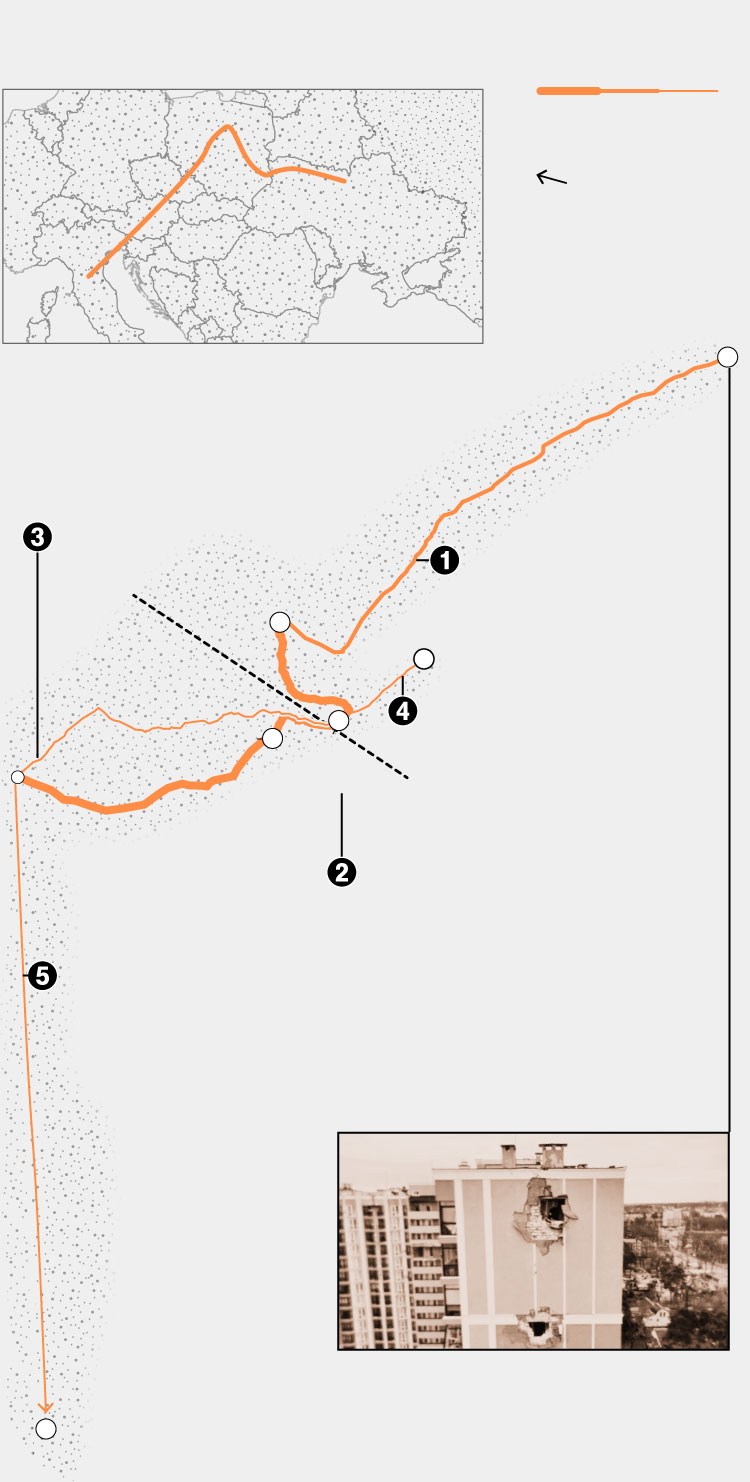
“We never thought we were going to stay for so long,” said Zoia Trushchenkova, 67, recalling her harrowing escape from the western Ukrainian city of Ratne 12 months ago. “The plan was to make sure our children were safe here and return, but it doesn’t seem like this war is going to end any time soon.”
Trushchenkova is one of more than 8 million Ukrainians — mostly women and children — who fled the country in the wake of the Russian invasion. Her family’s escape included a 48-hour wait at the border crossing in Ukraine’s Zosin-Ustyluh.
Area of detail
POLAND
UKRAINE
Irpin
The 11 traveling family members
reached Warsaw on Feb. 28.
POLAND
Ratne
UKRAINE
Olga, her sister Tetiana and their children
left their apartments at 6 a.m. on Feb. 24.
They drove their Toyota van to their parents’
home in Ratne, a typically six hour drive.
The trip took 14 hours.
Warsaw
ITALY
Chelm
Lutsk
Number of people traveling
Zosin-Ustyluch
One year later in September,
Oksana went back to Lutsk,
Ukraine with her children.
11
6
3
NORTH
Their parents, Zoia and Volodymyr, and Zoia’s
niece Oksana and children left in three cars
for Poland. They spent 48 hours waiting near
the border.
POLAND
CZECH REPUBLIC
Olga’s apartment was bombed in the first days
of the invasion
CZECH REPUBLIC
AUSTRIA
AUSTRIA
ITALY
Tetiana left in August to
go to Bologna, Italy,
where her sister Irina
lives. She brought her two
teenage children with her.
Bologna
Area of detail
Irpin
POLAND
UKRAINE
UKRAINE
ITALY
Olga, her sister Tetiana and their children
left their apartments at 6 a.m. on Feb. 24.
They drove their Toyota van to their parents’
home in Ratne, a typically six hour drive.
The trip took 14 hours.
Ratne
POLAND
The 11 traveling family
members reached
Warsaw on Feb. 28.
Number of people traveling
11
6
3
Lutsk
Warsaw
Chelm
NORTH
One year later in September,
Oksana went back to Lutsk,
Ukraine with her children.
Zosin-Ustyluch
Their parents, Zoia and Volodymyr, and Zoia’s
niece Oksana and children left in three cars
for Poland. They spent 48 hours waiting near
the border.
Olga’s apartment was bombed in the first days
of the invasion
POLAND
CZECH REPUBLIC
CZECH REPUBLIC
AUSTRIA
AUSTRIA
ITALY
Tetiana left in August to
go to Bologna, Italy,
where her sister Irina
lives. She brought her two
teenage children with her.
Bologna
Area of detail
Number of people traveling
11
6
3
POLAND
NORTH
UKRAINE
Irpin
ITALY
UKRAINE
Olga, her sister Tetiana and their
children left their apartments at
6 a.m. on Feb. 24. They drove their
Toyota van to their parents’ home
in Ratne, a typically six hour drive.
The trip took 14 hours.
Ratne
The 11 traveling family
members reached
Warsaw on Feb. 28.
POLAND
Lutsk
Warsaw
Chelm
Zosin-
Ustyluch
One year later in September,
Oksana went back to Lutsk,
Ukraine with her children.
Their parents, Zoia and Volodymyr,
and Zoia’s niece Oksana and children
left in three cars or Poland. They
spent 48 hours waiting near the border.
Tetiana left in August to
go to Bologna, Italy,
where her sister Irina
lives. She brought her two
teenage children with her.
Olga’s apartment was bombed in the
first days of the invasion
POLAND
CZECH REPUBLIC
CZECH REPUBLIC
AUSTRIA
AUSTRIA
ITALY
Bologna
Number of people
traveling
Area of detail
11
6
3
POLAND
NORTH
UKRAINE
Irpin
ITALY
The family reached
Warsaw on Feb. 28.
Olga, her sister Tetiana and
their children left their
apartments at 6 a.m. on
Feb. 24. They drove their
Toyota van to their parents’
home in Ratne, a typically
six hour drive. The trip took
14 hours.
UKRAINE
Ratne
Lutsk
POLAND
One year later in September,
Oksana went back to Lutsk,
Ukraine with her children.
Chelm
Zosin-
Ustyluch
Warsaw
Their parents, Zoia and
Volodymyr, and Zoia’s niece
Oksana and children left for
Poland. They spent 48 hours
waiting near the border.
Tetiana left in August to
go to Bologna, Italy,
where her sister Irina
lives. She brought her two
teenage children with her.
To Bologna, Italy
Olga’s apartment was bombed.
Number of people
traveling
Area of detail
POLAND
11
6
3
NORTH
UKRAINE
ITALY
Irpin
The family reached
Warsaw on Feb. 28.
Olga, her sister Tetiana
and their children left
their apartments at
6 a.m. on Feb. 24 to go
to their parents’ home.
UKRAINE
Ratne
Lutsk
POLAND
One year later in
September, Oksana went
back to Lutsk, Ukraine
with her children.
Chelm
Zosin-
Ustyluch
Warsaw
Their parents, Zoia and
Volodymyr, and Zoia’s niece
Oksana and children left for
Poland. They spent 48 hours
waiting near the border.
Tetiana left in August to
go to Bologna, Italy,
where her sister Irina
lives. She brought her two
teenage children with her.
To Bologna, Italy
Olga’s apartment was bombed.
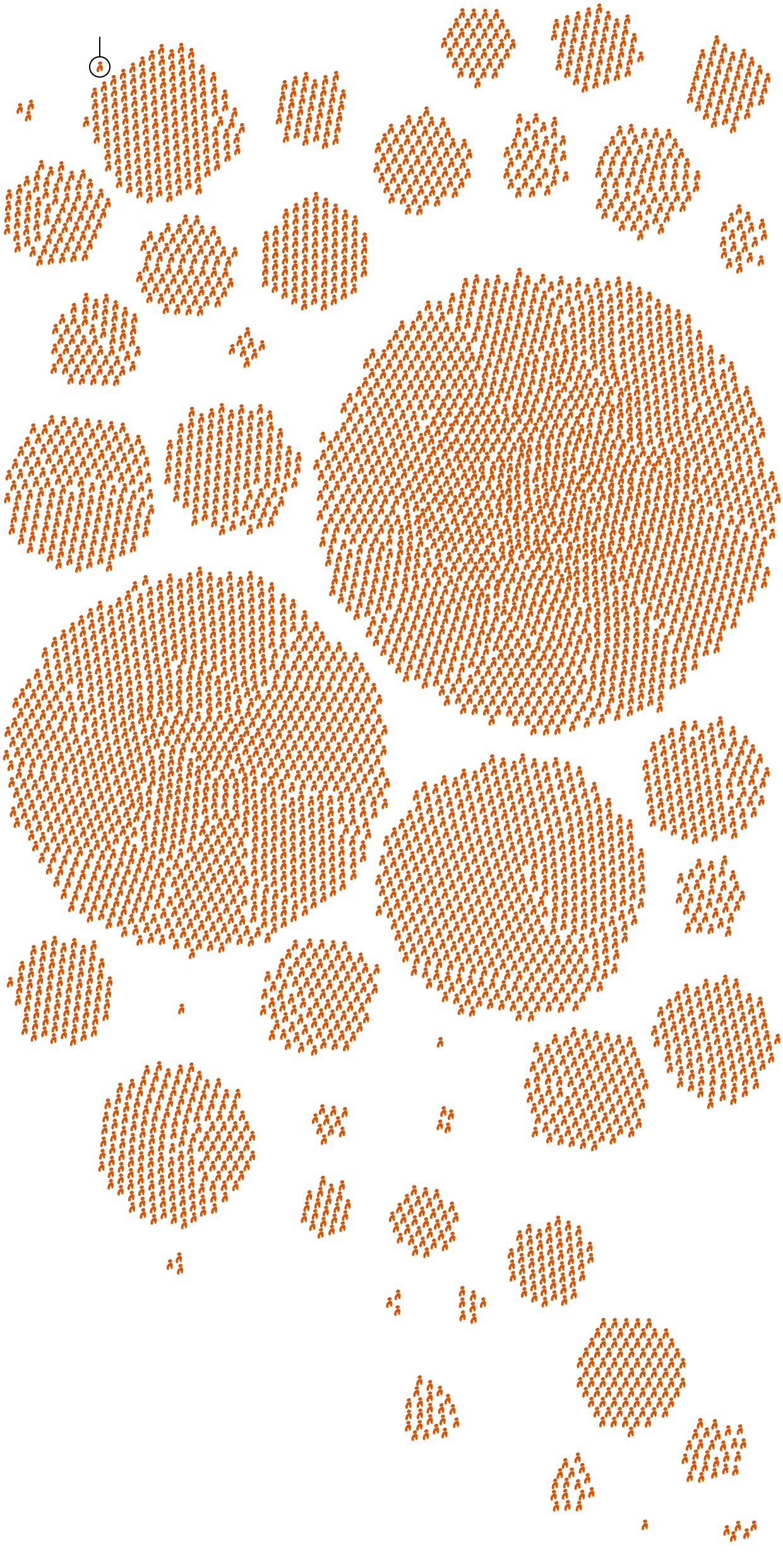
In what the United Nations calls Europe’s biggest refugee crisis since World War II, millions formed long queues to travel by car, train and on foot across borders to states including Romania, Hungary, Moldova and Slovakia. Most stayed in Poland with the rest fanning out across Europe with Germany, the Czech Republic and Italy as the most popular havens.
Trushchenkova and 10 members of her family — five other adults and five children — took their toothbrushes and some jewelry, and fled to neighboring Poland, which as of January was home to 1.5 million refugees from the conflict. A doctor, Zoia, now works in a private medical clinic in Warsaw. Some 6 million people are internally displaced, sheltering in the safest parts of the country, according to the UN Refugee Agency.
Photo Essay: How Some Displaced Ukrainians Are Reinventing Their Lives
Even after Russia annexed Crimea in 2014 many people never believed President Vladimir Putin would launch a full-scale invasion. When he did, on Feb. 24, 2022, the assumption was that the war would be short lived. Yet Ukrainian forces, under President Volodymr Zelenskiy, mounted a spectacular defense, with military and economic support from Western allies. The prediction now is that the fighting could last for a while longer.
As will the economic damage. Ukraine already had one of the fastest shrinking populations in the world. The war has tipped it into a spiral of demographic decline that is likely to harm its future growth prospects. In his Friday press conference on Feb. 24, Zelenskiy implored Ukrainians to return once it’s safe to do so. “Our state cannot be powerful without those who are abroad, with all the love for all the countries, remember that you are Ukrainians,” he said. “Return after victory, it is necessary to restore the state.”
The Trushchenkovs were among the lucky ones. They escaped together. Many others were separated, police in various countries have reported that some children and women fell prey to traffickers, while many older people and others with disabilities were unable to flee. Today the family is dispersed across three countries after struggling with the language and failing to find work. Zoia’s niece returned with her children to Lutsk, the same western city in Ukraine they lived in before the invasion. Her daughter Tetiana went to Italy. The other, Olga, stayed in Poland. Zoia, her husband Volodymr and 91-year-old mother moved into a one-bedroom public housing apartment above a KFC restaurant in downtown Warsaw.

Many refugees were made to feel welcome by governments and citizens in a region where the specter of Russian expansion is part of the collective memory. Some opened up their homes to strangers they often could not communicate with, donating clothes and food. It was altogether a very different response in these countries to the millions of mostly Muslim and male refugees who fled Middle East war zones in 2015.
Reasons for Changing Country
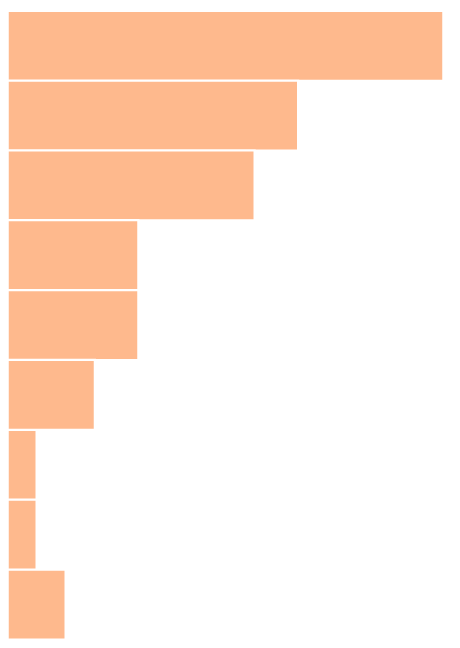
Family ties: 30%
Safety: 20
Employment: 17
Asylum procedure: 9
Community ties: 9
Advised: 6
Education: 2
Language: 2
Other: 4
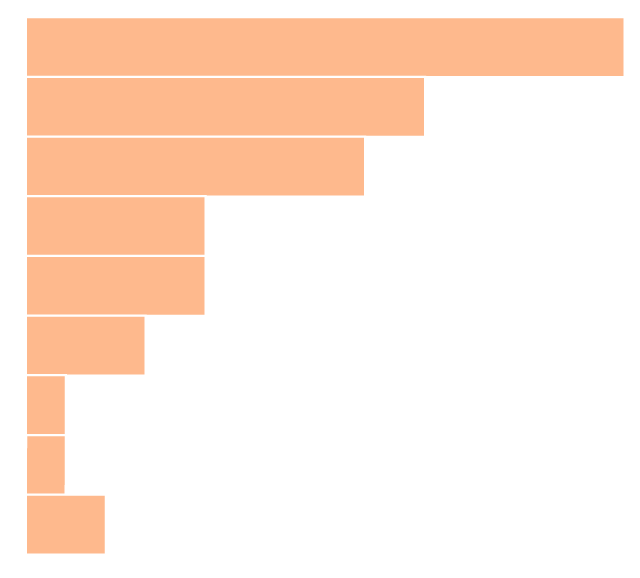
Family ties: 30%
Safety: 20
Employment: 17
Asylum procedure: 9
Community ties: 9
Advised: 6
Education: 2
Language: 2
Other: 4
US President Joe Biden paid tribute to those who welcomed Ukrainian refugees in Warsaw on Tuesday. “We stand with the millions of refugees of this war who found a welcome in Europe and the United States, particularly here in Poland,” he told the cheering crowd. “You literally embraced them.”
Yet reports of abuse, lower pay or frustration have also emerged. And there’s no guarantee the welcome won’t fade as it did for asylum-seekers during the 2015 crisis.
Billions of dollars in government assistance fuels populist voices. In the Czech Republic, a former premier built his bid to become president on criticizing what he called over-generous aid to Ukraine. In Estonia, which holds elections next month, the far-right party has risen to second in opinion polls. Located on Russia’s doorstep, it has centered much of its campaign on questioning the generosity of help for Ukraine amid an unprecedented cost of living crisis and inflation above 20%. In Poland, the state has started to cut back some of the aid it provided in the first few months of the conflict.
For the Trushchenkov family, Poland was a natural destination. Some members had worked in the country before, like hundreds of thousands of other Ukrainians have been doing since early last decade — on construction sites, in daycare facilities and hospitals filling the roles left by Poles who left for Europe’s west.
Where Ukrainian Refugees Are Displaced in Europe

Iceland
155,000
Norway
United Kingdom
Sweden
Finland
Netherlands
Estonia
Latvia
1M+
Denmark
Germany
Belgium
Ireland
119,000
Luxembourg
Lithuania
1.5M+
France
Poland
Liechtenstein
Belarus
Portugal
Switzerland
479,000
161,000
Czech Republic
Spain
102,000
Moldova
106,000
Austria
Slovakia
107,000
168,000
Romania
Italy
Bosnia and
Herzegovina
Slovenia
Hungary
Croatia
Georgia
Serbia and
Kosovo
Montenegro
Malta
Armenia
Azerbaijan
Albania
Bulgaria
North
Macedonia
Turkey
Cyprus
Greece
Norway
Sweden
155,000
United Kingdom
Iceland
Finland
Denmark
Latvia
Estonia
Lithuania
Ireland
Belarus
Netherlands
Belgium
Luxembourg
Portugal
119,000
France
161,000
1.5M+
Spain
Poland
1M+
Germany
106,000
Slovakia
479,000
Czech Republic
Hungary
Liechtenstein
102,000
Moldova
Switzerland
Bosnia and
Herzegovina
Austria
107,000
Romania
168,000
Serbia and
Kosovo
Slovenia
Italy
Croatia
Montenegro
Malta
Bulgaria
Albania
North
Macedonia
Turkey
Greece
Georgia
Cyprus
Armenia
Azerbaijan
Iceland
Norway
Denmark
Sweden
Finland
Ireland
155,000
United Kingdom
Latvia
Estonia
Netherlands
Luxembourg
Belgium
Lithuania
119,000
France
Belarus
1.5M+
Poland
106,000
Slovakia
1M+
Germany
Hungary
Liechtenstein
479,000
Czech Republic
Switzerland
Austria
161,000
Spain
102,000
107,000
Moldova
Romania
Bosnia and
Herzegovina
168,000
Slovenia
Italy
Serbia and
Kosovo
Portugal
Croatia
Malta
Montenegro
Albania
Bulgaria
North
Macedonia
Greece
Georgia
Turkey
Armenia
Azerbaijan
Cyprus
Back in August when the family first spoke to Bloomberg, they were collecting 500 zloty ($108) per child each month from the government. Within six months of their arrival, life got tougher. Their rent rose by a third to 8,000 zloty and they had to look for a smaller apartment after some family members moved out. In their public housing studio, only a bookcase separates their bed from that of the grandmother, who spends her days knitting socks for soldiers fighting on the frontline. Language isn’t a barrier, but red tape means Zoia can only be employed as a medical assistant while her husband works in a shelter for Ukrainian women and children. They long for their home in Ratne and hope to save enough money to buy a house in the Warsaw suburbs. For now, though, they need to support Olga, whose salary as an English teacher doesn’t cover the cost of the apartment she and her two children are renting in the capital.
“People in Poland showed us friendship and help,” Zoia said, admitting she was surprised by the warm welcome. “I’m just a retired doctor and yet they gave me everything so that I can support myself. We are treated as part of the society.”
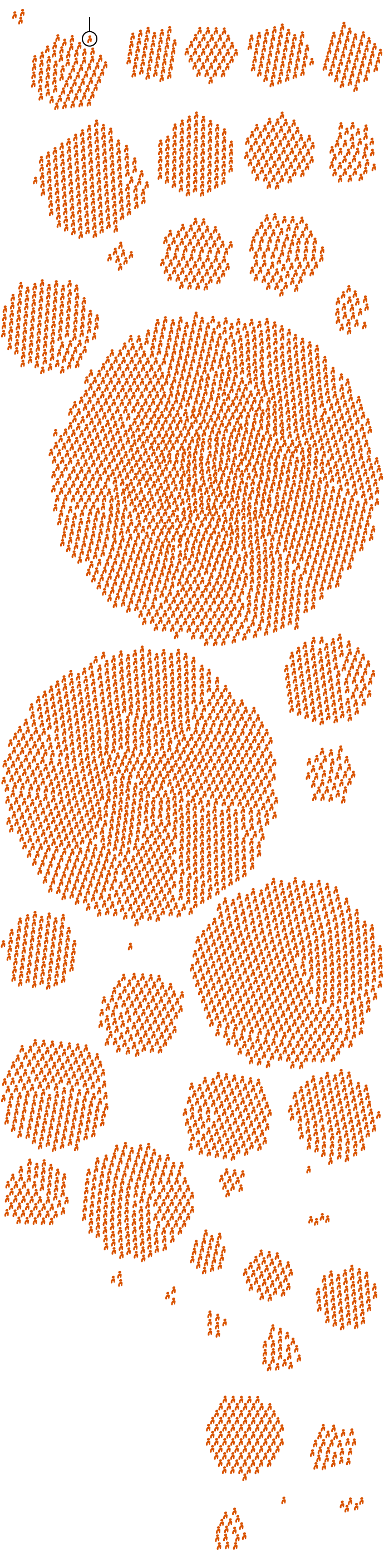
Yet Zoia, like the vast majority, 85%, of Ukrainian refugees in Poland, wants to return home. Only 10%, however, plan to do so in the near future, according to a survey from Kyiv International Institute of Sociology.

Svitlana Gerasymenko, 38, worked in advertising in Kyiv before the war. When the explosions hit the capital a year ago, she fled with a friend by car, embarking on what would become a 2,500 kilometer (1,500 mile) odyssey that took her across the border into Romania. After stops in Bratislava and Dresden, she arrived in the western German city of Wuppertal, where contacts offered her lodgings. “I can’t even describe the shock,” of fleeing war, she said. While Gerasymenko misses Kyiv, and said life abroad can be painful, the prospect of rolling blackouts and bomb shelters keeps her away. “I’m planning to stay in Germany, in Europe — I’m looking for opportunities.”
A Quarter of Ukrainian Refugees in Germany Want to Stay Permanently
Under European Union rules, Ukrainians don’t need to apply for asylum but instead have a right to live and work in the bloc. More than a quarter of those in Germany plan to stay for good, according to a survey commissioned by the German government. The demographic suggests a highly employable Ukrainian population that would help redress perennial labor shortages — once they learn the language, fewer than 4% can speak passable German but about half are taking courses. Like Gerasymenko, who has degrees in engineering and marketing, 72% hold a university degree. And while only 17% are currently working, some 78% said they expect to find a job.
The Majority of Refugees are Women and Children

Female
Male
60 years old and over
10
35—59
26%
18—34
16
5—17
14
0—4
4

Female
Male
60 years old and
over
10
35—59
26%
18—34
16
5—17
14
0—4
4
Some frontline EU states inundated by arrivals have seen refugees move quickly on. UNHCR numbers show that a total of almost 1.2 million crossed the border into Slovakia, which set up welcome centers on its eastern border with Ukraine, but only about 106,000 remain. Hungary to the south has about 33,000. Romania, which shares the longest EU border with Ukraine, has more than 100,000.
Far from the front lines, France, Italy, Spain and the UK count more than 100,000 war refugees each, according to UNHCR figures.
In Poland, some 70% of Ukrainian refugees are estimated to be working. Ukrainians also accounted for 45% of all the new foreign companies set up there last year.
But finding a job can only go so far. Zoia and her husband financially support their other daughter, an English teacher who lives in a smaller Warsaw apartment with two children. “We’re not going to leave our daughter alone because she has it tough and she can barely make ends meet,” said Zoia. “I really miss home — but I’m not going to leave my daughter alone. We’re staying until the war is over.”