Google Can’t Catch All the AI Images. Can You?
Alphabet Inc. Chief Executive Officer Sundar Pichai likes to tell the world that Google is an AI-first company — in large part because its search results benefit from clever artificial intelligence algorithms. But he’s also grappling with AI tools being deployed on the other side, as more people use ChatGPT, Midjourney and others to flood the web with machine-generated text and images.
The most worrying examples of fake material getting through Google’s net are images, which can powerfully twist emotions and stick in people’s minds.
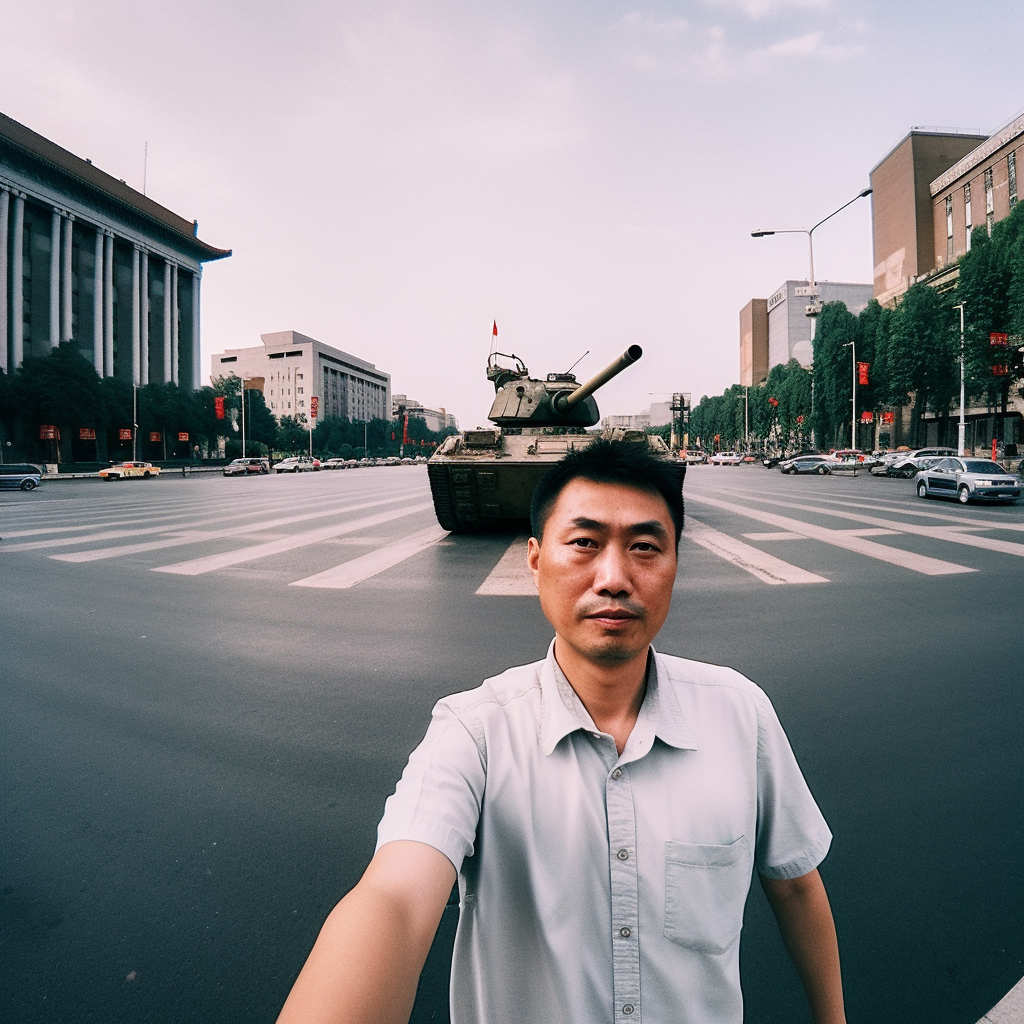
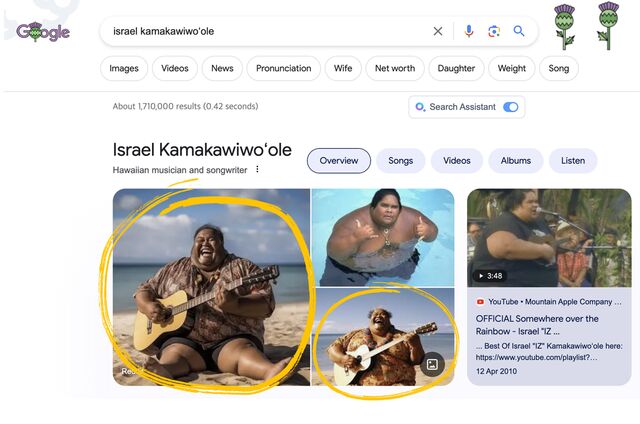
This week, Wharton professor Ethan Mollick noted on X that photorealistic AI images were now topping Google’s search results for Israel Kamakawiwo’ole, the Hawaiian singer who died in 1997, instead of real photos. AI-generated images from Gaza showing bloodied, abandoned infants recently went viral, playing havoc with Google’s ranking algorithms and creating a warped view of the Israeli conflict. And Google recently showcased an AI-made “selfie” of China’s historically anonymous Tank Man.
Google’s battle to discern real from fake threatens to blur the lines for billions of people seeking facts, and puts its own role as the world’s organizer of information in uncertain territory.
To illustrate how convincing such images can be, take the quiz below to see if you can tell genuine images of historic figures apart from AI-generated ones.
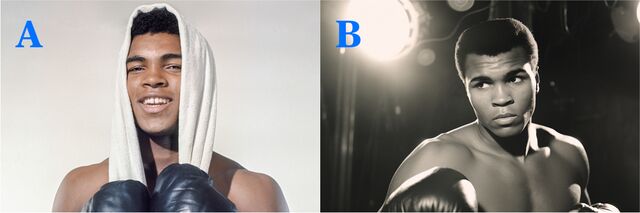
Which one is a real photograph of Muhammad Ali/Cassius Clay: A or B?
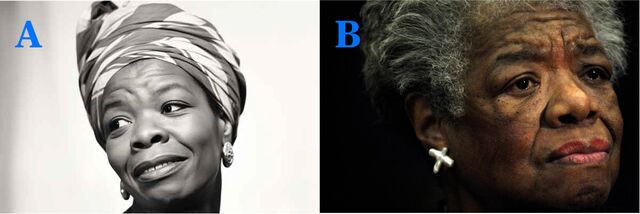
Which one is a real photograph of Maya Angelou: A or B?

Which one is an image of a real painting of Joan of Arc: A or B?
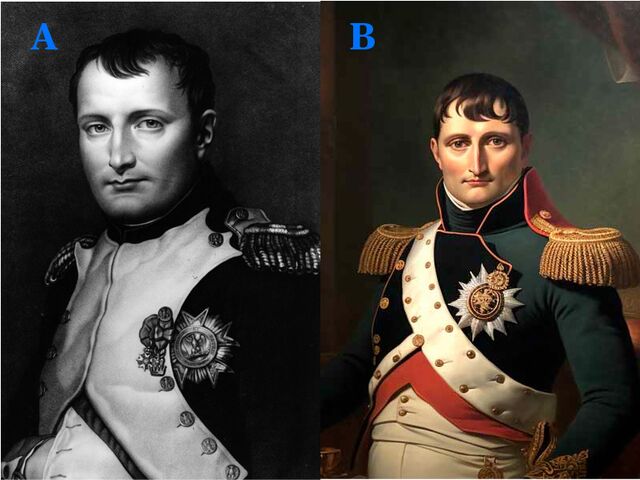
Which one is an image of a real painting of Napoleon Bonaparte: A or B?
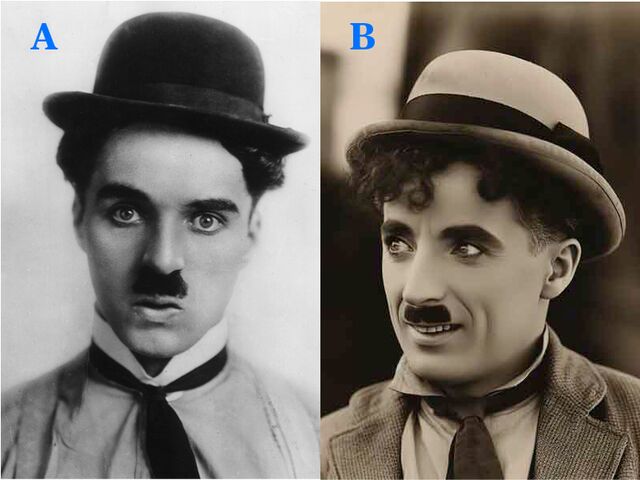
Which one is a real photograph of Charlie Chaplin: A or B?
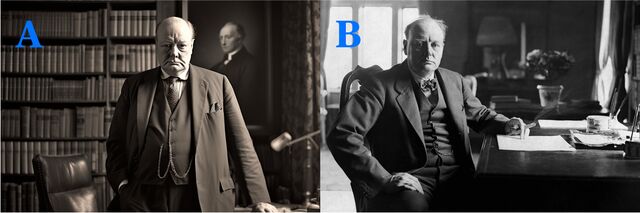
Which one is a real photograph of Winston Churchill: A or B?
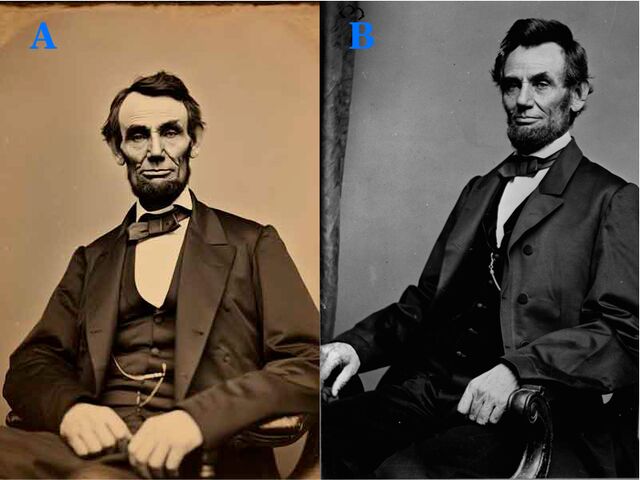
Which one is a real photograph of Abraham Lincoln: A or B?
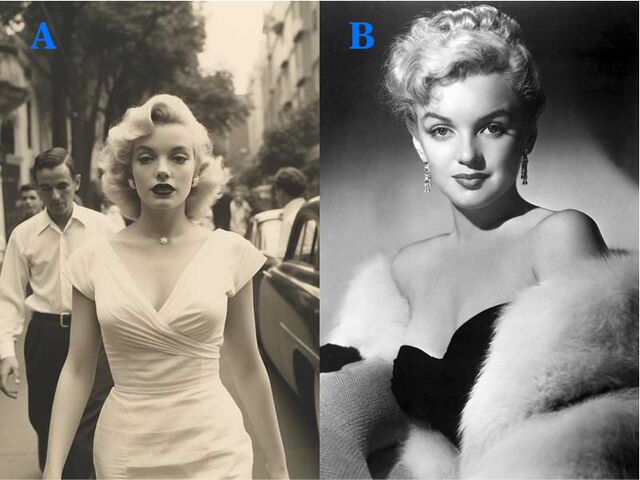
Which one is a real photograph of Marilyn Monroe: A or B?
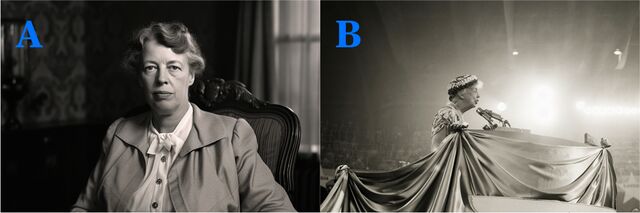
Which one is a real photograph of Eleanor Roosevelt: A or B?

Which one is a real photograph of Margaret Thatcher: A or B?
Google admits that it’s grappling with the problem. “Given the scale of the open web… it’s possible that our systems might not always select the best images regardless of how those images are produced, AI-generated or not,” a Google spokesman said. He added that the best way to thwart misleading information was to rank reliable content at the top of its results.
Yet plenty of AI knockoffs have already infiltrated those top results, distorting people’s view of reality.
In September, Google’s algorithms inadvertently made an AI-generated “selfie” its lead image for searches of “Tank Man,” the Chinese man who stood before tanks leaving Tiananmen Square in 1989. Google took that image down, but for a moment in time the image had rewritten history: Tank Man now had a face, and he was middle-aged.
In reality, Tank Man was never identified and some reports described him as being a 19-year-old student.
Kamakawiwoʻole, similarly, was best known for his cover of the song, “Somewhere Over the Rainbow,” playing the ukulele and not smiling very often in photos. Yet Google now paints a different picture of the singer: a bubbly, extroverted man known for playing… the guitar. (At the time of writing, the faked photos still topped Google’s results.)
Google also put AI-generated imitations at the top of its search results for painters Edward Hopper and Johannes Vermeer, the latter showing a glossy, cartoonish version of The Girl With a Pearl Earring.
One hallmark of AI-generated images is how slick they are; even historic figures sport Hollywood grins and look like they’re in a Vogue cover shoot. The result is an idealized version of real life — more reflective of what people think history should look like than the gritty reality of what it actually does.
For Google, this is just the latest battle in a lengthy war. For at least a decade it has grappled with the rise of SEO optimization, in which websites stuff themselves with keywords to rank higher in search results, making it harder to trust those results.
Little wonder that Google has recently focused on adding features like metadata analysis to help people determine where images come from and how credible they are. It is, in other words, putting the onus on us to spot the fakes.
If the world’s best-resourced AI company is still struggling to distinguish fake from real over the next two to three years, we won’t necessarily become better online sleuths. We’ll more likely be forced to adopt a more adversarial view of the Internet, mistrusting most things by default.
George Orwell sounds increasingly prescient in his book 1984, in which he described a world where facts were fudged and rewritten in order to suit another’s purpose. “And so it was with every class of recorded fact, great or small. Everything faded away into a shadow-world in which, finally, even the date of the year had become uncertain.”
That uncertainty will become a problem for us as much as for Google if its capabilities don’t improve.